




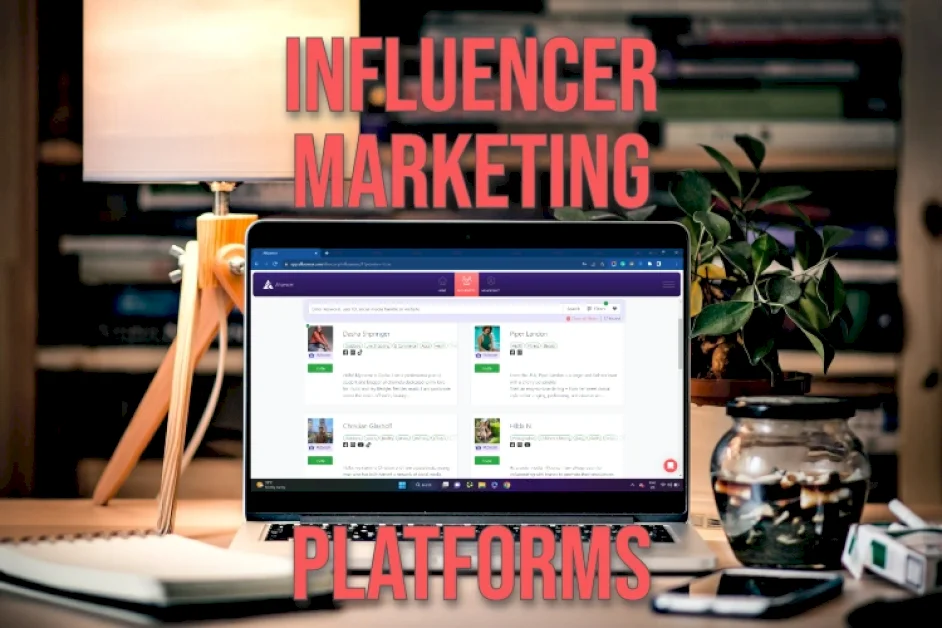
The way brands use influencer marketing platforms has changed dramatically over the last few years.
For a long time, the process looked the same across nearly every platform. You logged in, applied a few filters, and started scrolling through profile after profile, hoping something stood out. If you were lucky, you built a shortlist after an hour or two of manual browsing.
That was the old way.
Those platforms relied on static databases. You searched, filtered, and scrolled. And you repeated the process every time you launched a new campaign.
In 2026, that model feels outdated.
The new standard is conversational search.
Instead of digging through thousands of profiles, brands can now describe exactly what they are looking for and let AI handle the discovery. You do not need to manually sift through creators to find someone who aligns with your niche. You simply tell the system what you need, and it generates a curated shortlist in seconds.
For wellness and beauty founders, this shift is especially important. These industries require nuance. You may need creators who are cruelty-free advocates, keto-friendly lifestyle educators, sensitive-skin specialists, or hormone-conscious wellness voices. Those qualities are not always easy to filter for using traditional search tools.
AI discovery makes that level of precision possible.
Below are the 10 best influencer marketing platforms for 2026, with a clear focus on platforms that are embracing AI-enabled discovery rather than relying on static databases.
And yes, the #1 platform reflects where the industry is heading next.
First, we’ll dive into a few critical questions, including:
- What are influencer marketing platforms?
- Why should you consider working with an influencer marketing platform?
- How do you pick the right influencer marketing platform?
Let’s get started.
You can also jump straight to the list.
What Are Influencer Marketing Platforms?
Influencer marketing platforms are digital platforms that facilitate a relationship between businesses and influencers. These platforms act as intermediaries that allow brands to sort, filter, and then connect with highly relevant influencers who have established credibility and a dedicated following.
How influencer marketing platforms work: They maintain a comprehensive database of influencers across different niches, take into consideration a company’s requirements (such as the number of influencers, region, demographics, history, and budget), and then recommend the most relevant influencer or content creator based on those needs.
With the rise of social media and the increasing influence of individuals across platforms, businesses recognize the value of leveraging influencers to promote their products or services. Influencers and content creators, in turn, look to influencer marketing platforms to collaborate and monetize their followings via brand partnerships that grow their revenue. It’s a win-win.
How Can An Influencer Marketing Platform Help a Business?
An influencer marketing platform provides several benefits to a business beyond merely connecting it with potential partners, including things like:
- Streamlined campaign management: Influencer marketing platforms often have built-in tools and features that simplify the process of managing influencer campaigns. You can use them to create and track campaigns, communicate with influencers, manage content approvals, and analyze campaign performance.
- Efficiency and cost-effective advertising: Influencer marketing platforms can offer cost-effective advertising options compared to traditional advertising methods. Working with influencers via platforms can often be more affordable and efficient than running traditional ads and doing one-to-one outreach, especially for small businesses with limited budgets.
- Enhanced brand awareness: Leveraging influencers’ large and engaged social media following can help increase your brand’s visibility and reach. Influencers can create authentic and engaging content that resonates with their audience, effectively spreading awareness about your business.
- Improved credibility and trust: Working with trusted and respected influencers in their niches can enhance a brand’s credibility and trustworthiness. When influencers promote a business’s products or services, their followers are more likely to trust and consider those offerings because of the social proof they provide.
- Greater audience targeting: Each influencer has a specific audience that follows him or her. By partnering with influencers in a specific niche, brands can reach relevant audiences who are more likely to be interested in those products or services, thus increasing your chances of converting them into customers.
At Afluencer, brands can access a wide range of influencers and brands, from micro to macro-influencers and from multinational firms to startups.
How To Choose The Right Influencer Marketing Platform
Here’s a basic four-step guide to choosing an influencer marketing platform that best fits your brand’s needs you can use to guide your influencer marketing strategy for the upcoming holiday season and beyond.
1. Define your goals and target audience
Before selecting an influencer marketing platform, you must clearly define your goals and target audience. Determine your campaign’s objectives, whether it is to increase brand awareness or drive sales. Also, identify your target demographic, including age, location, interests, and social media platforms.
2. Research available influencer marketing platforms
Once you have defined your goals and target audience, research available platforms (more on your options here in a bit.) Look for platforms that offer the features you need to achieve your goals and engage your target audience. Make sure you consider the number of influencers and the types of campaigns that each platform can offer.
3. Evaluate pricing and features
Influencer marketing platforms can vary significantly in pricing and features. Some platforms charge a flat monthly fee, while others charge by the campaign. Consider your budget when choosing a platform. Be sure to compare the features offered by each platform to determine which one best meets your needs. Also, consider the level of customer support they provide.
4. Read customer reviews and testimonials
Customer reviews and testimonials can give you an insight into each platform’s strengths and weaknesses. You can also contact their customer service team and ask them any questions you may have to understand their services better. Check the social media platforms or even search in forums to see what influencers say about the platform they are using.
Best Practices For Leveraging An Influencer Marketing Platform
Done right, leveraging an influencer marketing platform can simplify the process of finding the right influencers and managing your brand campaign. Here are some of the best practices to help you make the most of your chosen platform for your next influencer marketing campaign.
Set clear campaign objectives
Before beginning any influencer campaign, it’s important to clearly define your objectives and the KPIs you will use to measure success. Are you trying to increase brand awareness, create buzz and excitement for a new product or service, or drive conversions? Your objectives will guide your influencer selection process and ensure your campaign is purpose-driven.
For example, if your campaign objective is to increase brand awareness, you may prioritize influencers with a large and engaged audience; they can reach a wide range of potential customers. Likewise, by collaborating with influencers who have a strong influence over their audience, brands can leverage their recommendation and endorsement to encourage their followers to make a purchase.
Conduct thorough influencer research and vetting
Take the time to research and vet potential influencers before working with them. Consider the influencer’s audience demographics, engagement rates, and content quality. Ensure their brand aligns with your brand and that they haven’t been involved in any controversies.
For instance, brands like CoverGirl and Makeup Revolution have partnered with James Charles, a popular makeup artist and beauty influencer known for his creative makeup looks. Chris Burkard’s brand as a photographer and The North Face’s brand as an outdoor apparel company is another example of an excellent influencer-brand fit.
You may also want to check the influencers’ track record of delivering on previous partnerships.
Negotiate fair compensation and contracts
When compensating influencers, it’s important to negotiate rates that are fair for both parties. This could be a monetary payment or a product exchange. You will also want to have clear contracts outlining the scope of work, deliverables, timelines, and payment terms. Here are a few common influencer compensation models:
- Performance-based pay: An influencer posts recommending a product. The brand pays them when their content converts a customer or triggers a successful event like a purchase, booking, download, or newsletter signup.
- Fixed-rate + performance bonus: The influencer is paid a base sum for each post and must generate sales to get additional pay.
- Gifting & credits: The influencer tries out your product first and — if they like it — they promote it on their account.
- Pay-per-post: The influencer is paid for every post. The cost depends on the platform, influencer’s follower count, audience engagement, content type, and other factors.
Track and analyze campaign performance
During and after an influencer campaign, you should be tracking and analyzing the performance data. This will help you determine your campaign’s ROI and identify any areas for improvement. Work with your influencer marketing platform to access valuable data that can help you understand how much your influencer campaign has moved the needle on key KPIs.
Maintain open communication with influencers
Communication is key when working with influencers. Make sure to keep them informed about campaign updates, provide any necessary guidance, and be available to answer their questions. This will help to build a better relationship between you and the influencer and ensure the success of the campaign.
Want Help Growing Your Brand?
Sign up for Afluencer’s bimonthly emails and get insider advice for working with influencers. Unsubscribe anytime.
10 Best Influencer Marketing Platforms For Influencers and Brands
Not all influencer marketing platforms approach AI in the same way. Some focus on audience analytics and fraud detection. Others emphasize automation, performance benchmarking, or social listening. And a select few are beginning to rethink discovery entirely.
The platforms below were selected based on how they integrate AI into influencer discovery, vetting, performance tracking, or campaign execution. In 2026, being data-driven is no longer optional. The difference lies in how intelligently that data is used.
Top 10 Influencer Marketing Platforms
Now let’s explore the finer details of each influencer marketing platform on our list.
#1 Afluencer + CreatorGPT
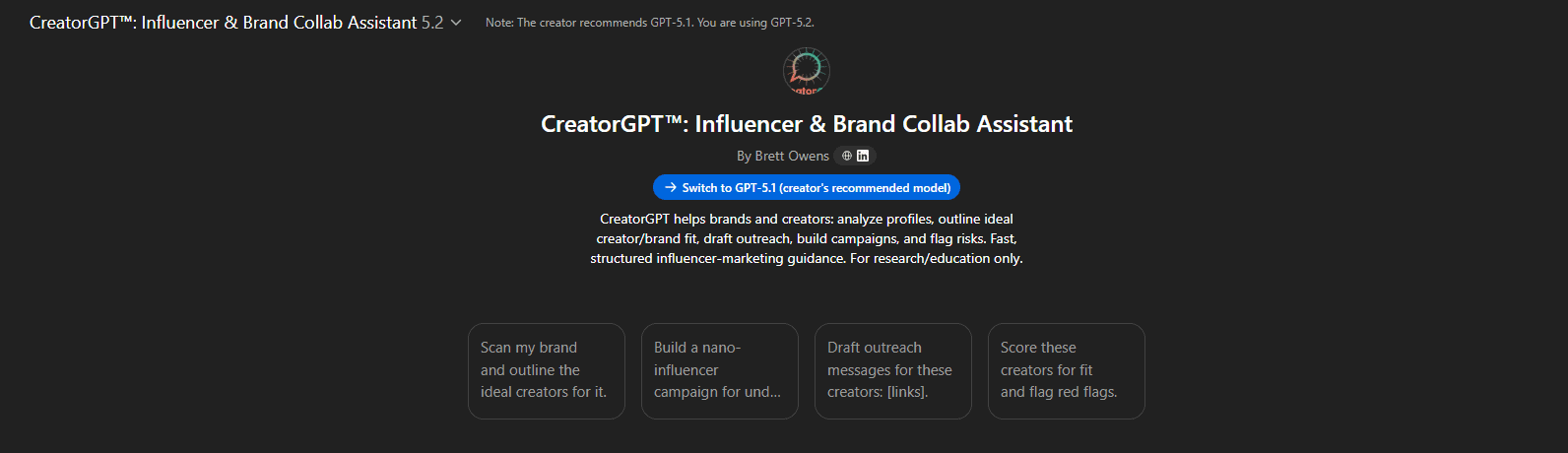
The only influencer marketing platform ecosystem where your discovery starts with a conversation.
In 2026, scrolling through databases is no longer the smartest starting point. Before you filter and browse. Before you shortlist, you can ask.
Among influencer marketing platforms, Afluencer stands out for one simple reason: it makes execution easy. And when paired with CreatorGPT, it also makes discovery smarter.
Instead of starting with filters and hoping you refine your way to the right creator, you can begin with clarity.
Use CreatorGPT to define exactly what kind of influencer you need. Then use Afluencer to find, connect, and collaborate with them.
That shift changes everything.
For Brands: Define First. Discover Faster.
Many founders jump straight into browsing profiles. But the real question is not “Who is available?” It’s “Who is right for my brand?”
That is where CreatorGPT comes in.
You can ask:
• “What type of influencer should a cruelty-free skincare brand work with?”
• “What audience aligns best with a hormone-support supplement?”
• “Should I prioritize micro influencers or niche experts?”
Within seconds, you get strategic direction.
From there, you enter Afluencer with focus.
Afluencer’s smart filters let you narrow creators by interests, audience size, niche, and more. Instead of scrolling aimlessly, you’re reviewing influencers that already align with the strategy you built.
Then everything happens inside the platform:
• Create a Collab
• Invite influencers or receive applications
• Message directly
• Manage gifting and campaign communication
No scattered emails. No juggling tools.
Need extra guidance? Afluencer’s human support team is available to help you structure your campaigns and collaborations with confidence.
And yes, it’s free to join.
For Influencers: Get Discovered and Collaborate with Confidence
Creators can build a free profile and apply directly to brand Collabs that match their niche.
With a public directory listing, influencers are searchable by brands looking for specific interests and audiences. That visibility increases your chances of being discovered by aligned brands rather than random outreach.
You choose which opportunities to accept. Paid partnerships, gifting campaigns, long-term collaborations—it’s all available inside one streamlined platform.
Discovery happens with intention. Collaboration happens with ease.
Why This Workflow Works in 2026
Influencer marketing platforms used to focus only on search.
Now, brands want smarter starting points.
CreatorGPT helps you define your ideal creator. Afluencer helps you connect with them.
Together, they create a discovery-to-collaboration workflow that is faster, more focused, and built for niche brands like wellness and beauty founders.
Features That Make Afluencer Different
• 100% free to join for brands and influencers
• Invite-to-collab and apply-to-collab tools
• Built-in messaging
• Smart match filters by interests, audience, and niche
• Nano, micro, macro, and mega influencers welcome
• In-app campaign management
• Browser-based access
• Featured placements in blogs and newsletters
• Human support for campaign success
What People Are Saying
Here’s what some of Afluencer’s users had to say, from both brands and influencers:
“One thing about Afluencer you already know if you are a match or not, also what I love the most is that all the information is there.” – Kenose T.
“What sets Afluencer apart is the quality and diversity of the influencers available on the platform. Whether you’re looking for niche micro-influencers or those with a larger following, Afluencer has it all. The detailed profiles and analytics provided make it easy to choose the perfect match for your brand’s needs.” – Iyla C.
“Afluencer offers excellent influencer collaboration services with a user-friendly interface and reliable support. I have had a great experience connecting with brands seamlessly, making effective partnerships. Highly recommended!” – Rashmeet K.
“I’ve used a lot of websites and tools for collaboration in the past, but none have been as great as this one. They offer the best client service.” – Garry S
Afluencer makes influencer marketing easier, faster, and more human. It’s one of the few influencer marketing platforms that delivers real value—without the price tag.
#2 Julius by Triller (Incorporating HYPR)
Originally founded as HYPR in 2013 and later acquired by Julius, the platform now combines HYPR’s industry-leading audience intelligence with a robust influencer CRM. With access to over 15 million influencer profiles, Julius is a “data-first” powerhouse built for the enterprise scale.
As AI-generated content and fake engagement become more common, Julius uses AI-backed analytics to provide a “truth layer.” It validates geographic and demographic data and assesses audience authenticity with surgical precision before a brand even sends an initial pitch.
Best for: Large agencies and Fortune 500 brands that require deep-tier audience vetting and a centralized, global management system.
#3 Upfluence
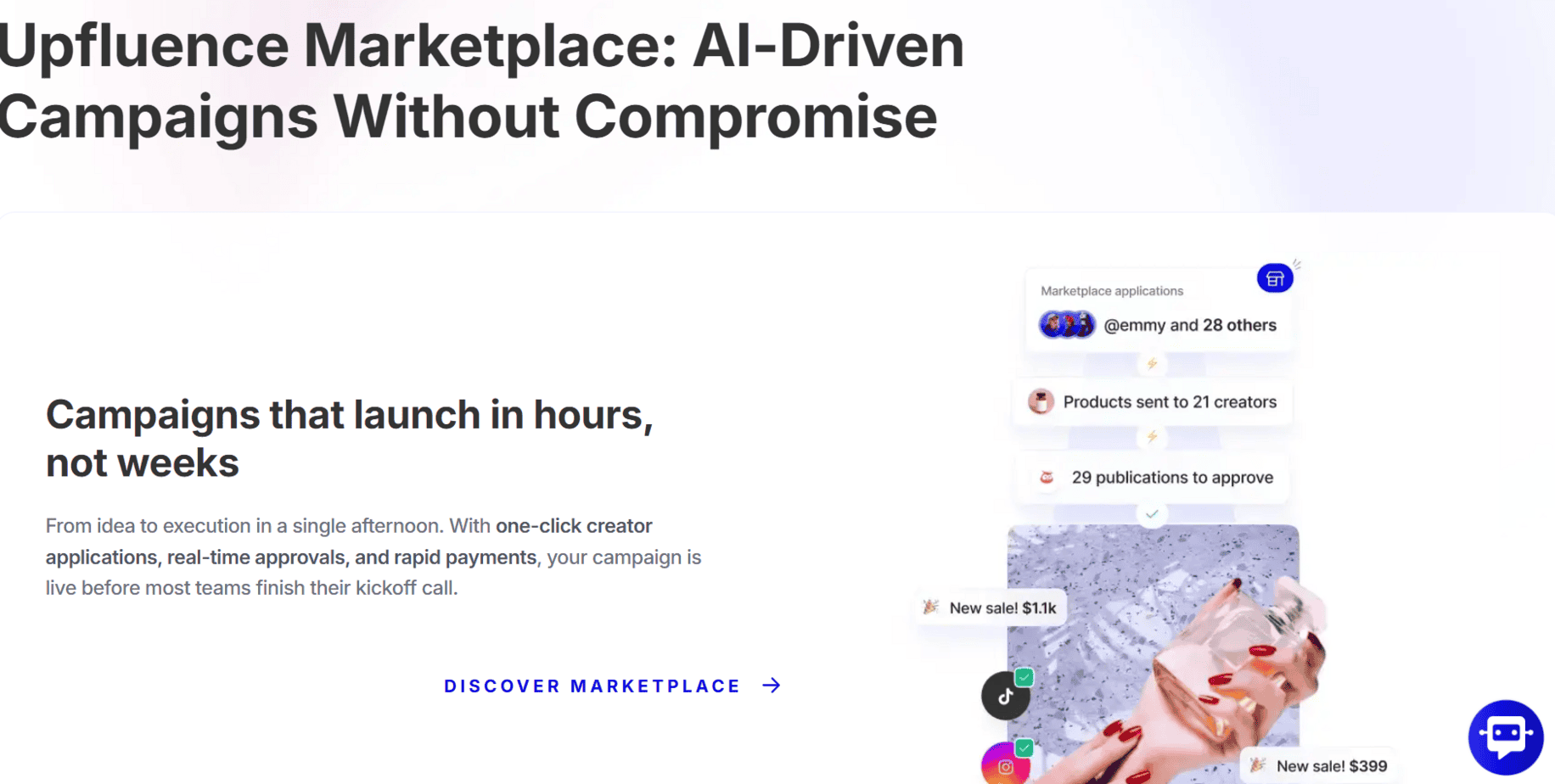
Upfluence is known for providing customized services to agencies and brands, but it also caters to influencers. You can search for influencers based on social networks, languages, geography, and topics.
Its AI-enhanced search helps surface creators based on audience alignment rather than surface metrics alone.
One of the biggest strengths of this AI-powered marketing tool is the ability to send bulk messages to influencers.
Upfluence has a custom pricing model but you can start with a free demo to test it.
Best for: Ecommerce brands and agencies that want AI-assisted discovery combined with large-scale influencer outreach tools.
#4 NeoReach
NeoReach is an enterprise-level influencer marketing platform known for its automation tools and advanced customization options.
With more than 40 search filters and AI-assisted audience analytics, brands can refine discovery based on detailed campaign criteria. The platform also allows businesses to import their own influencer lists, making it useful for agencies managing existing creator relationships.
In 2026, NeoReach stands out for combining influencer discovery with predictive analytics and campaign automation.
NeoReach operates on a custom pricing model, with access available through direct inquiry.
Best for: Enterprise brands and agencies that need advanced filtering, automation, and large-scale campaign management.
#5 Traackr
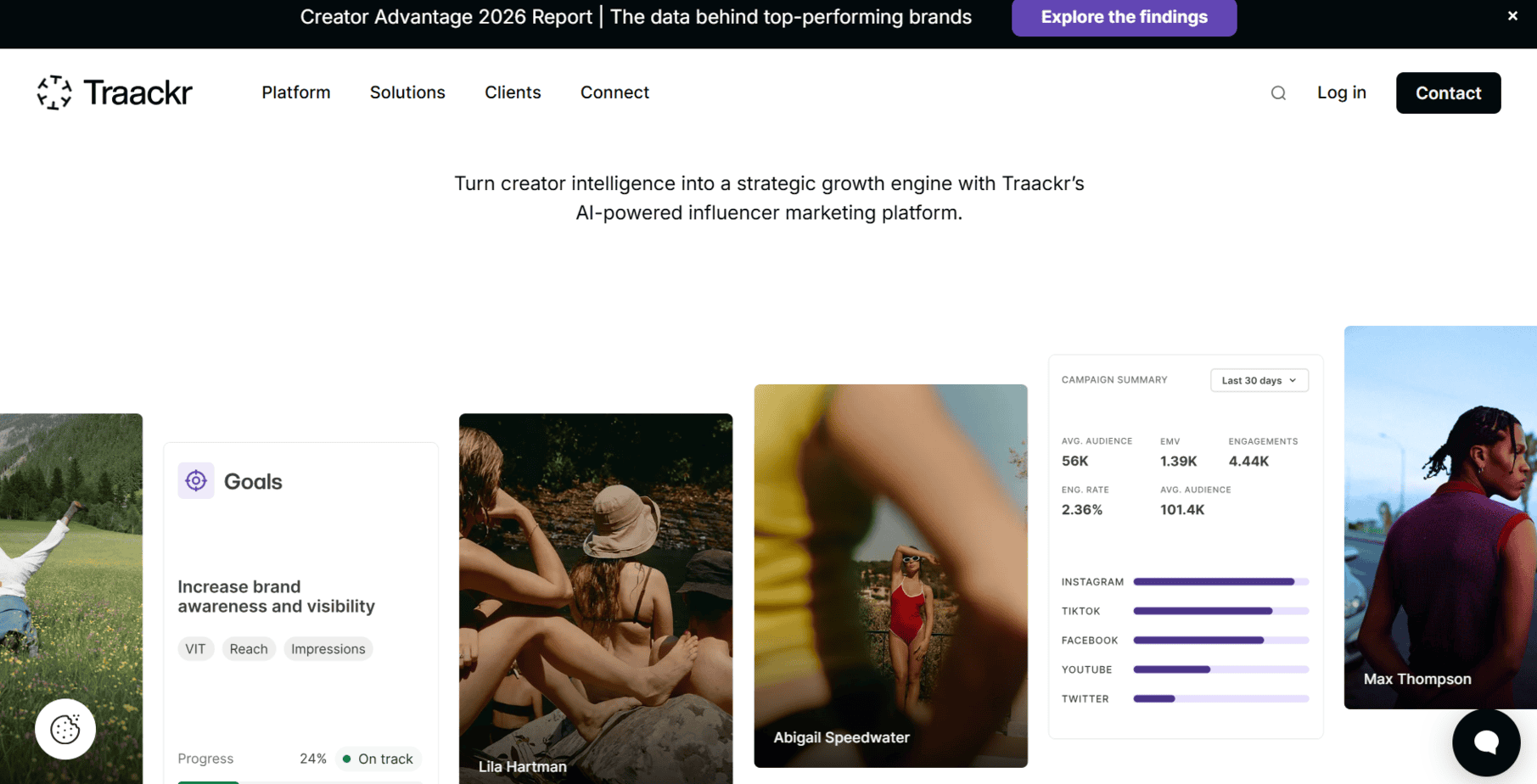
Traackr is a high-end enterprise influencer marketing platform that functions as a global “system of record” for large brands. In 2026, it stands out for competitive benchmarking and full-funnel attribution, helping teams connect influencer content to measurable business outcomes. Its analytics-driven approach allows organizations to treat influencer marketing as a structured, data-backed investment rather than a creative experiment.
Best for: Global enterprise brands that require standardized KPIs, competitive intelligence, and advanced performance tracking across international teams.
#6 AspireIQ
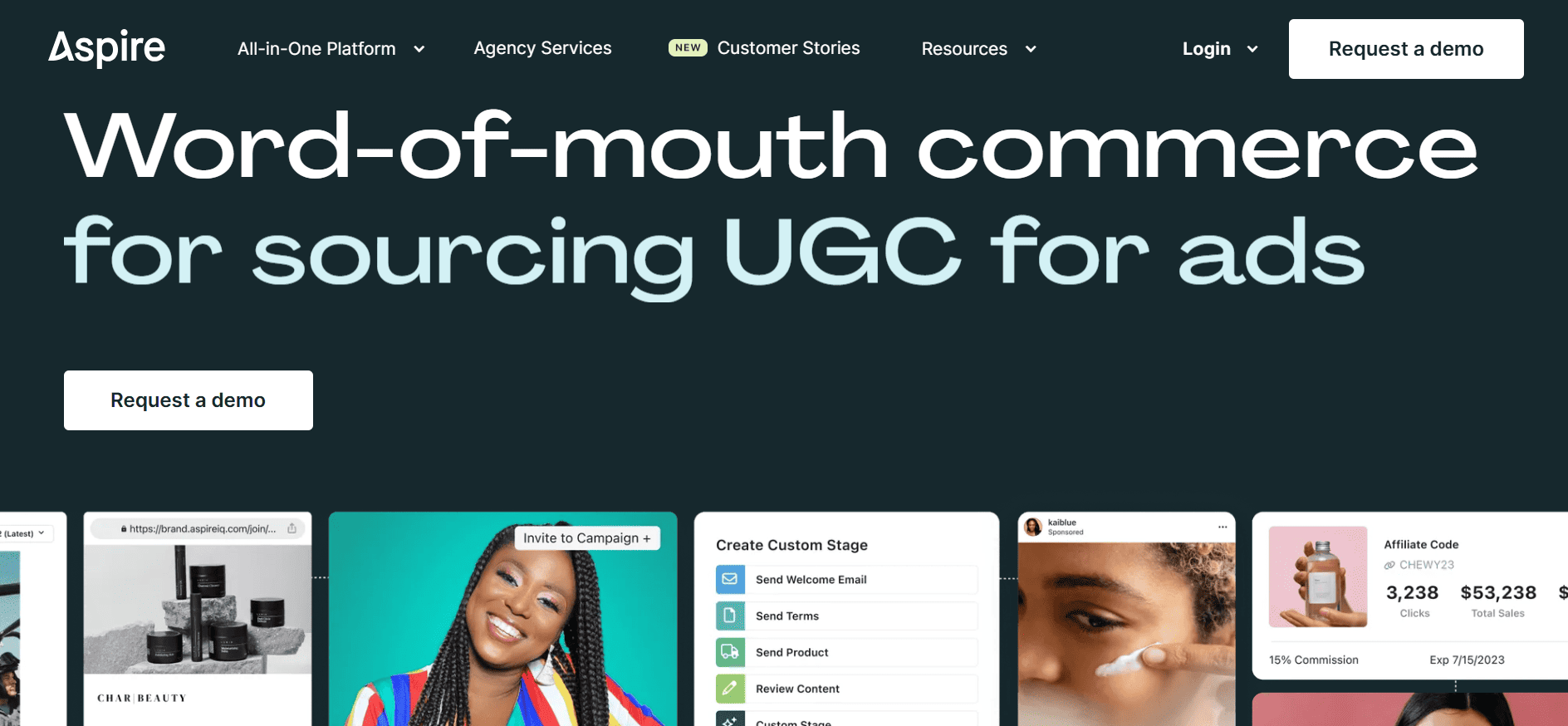
Aspireiq is a creator marketing platform that blends influencer discovery with relationship management and campaign execution tools. In 2026, it remains competitive through AI-assisted creator search, ecommerce integrations, and workflow automation that streamline partnerships from outreach to reporting. Aspire focuses on helping brands build long-term creator relationships rather than one-off campaigns.
Best for: Ecommerce brands and growing companies that want AI-assisted discovery combined with end-to-end influencer campaign management.
#7 Lefty
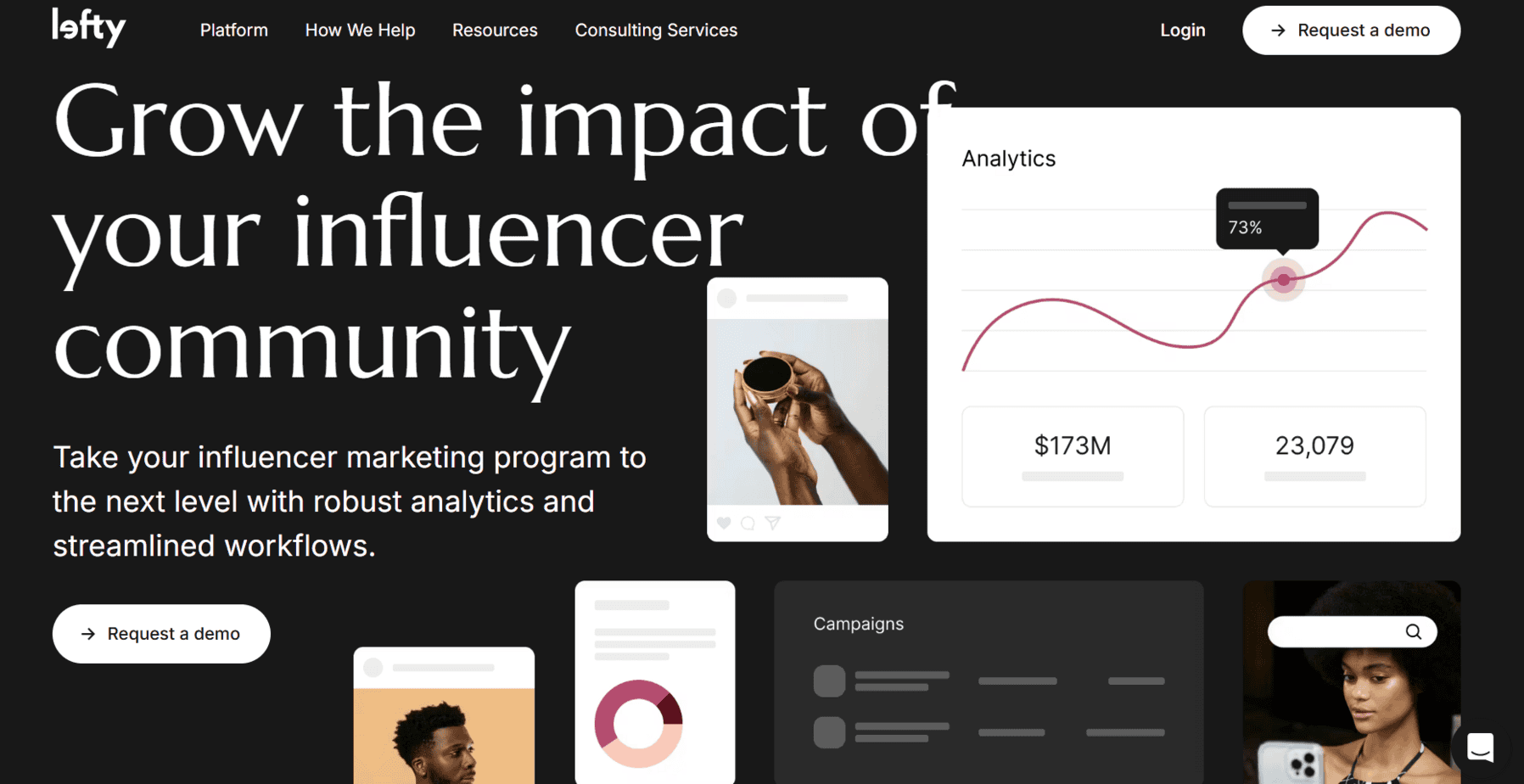
Lefty is a premium platform specifically optimized for the high-stakes worlds of fashion, beauty, and luxury. In 2026, it is the industry benchmark for calculating Earned Media Value (EMV), helping brands quantify the precise monetary worth of social media visibility. Its AI-powered engine excels at “Brand Affinity” matching—identifying creators whose aesthetic and audience values align perfectly with aspirational lifestyle brands to ensure every partnership feels authentic rather than transactional.
Best for: Luxury and lifestyle brands (like Dior, Sephora, and Lacoste) that prioritize high-aesthetic content and need to measure their “Share of Voice” against global competitors.
#8 Sideqik
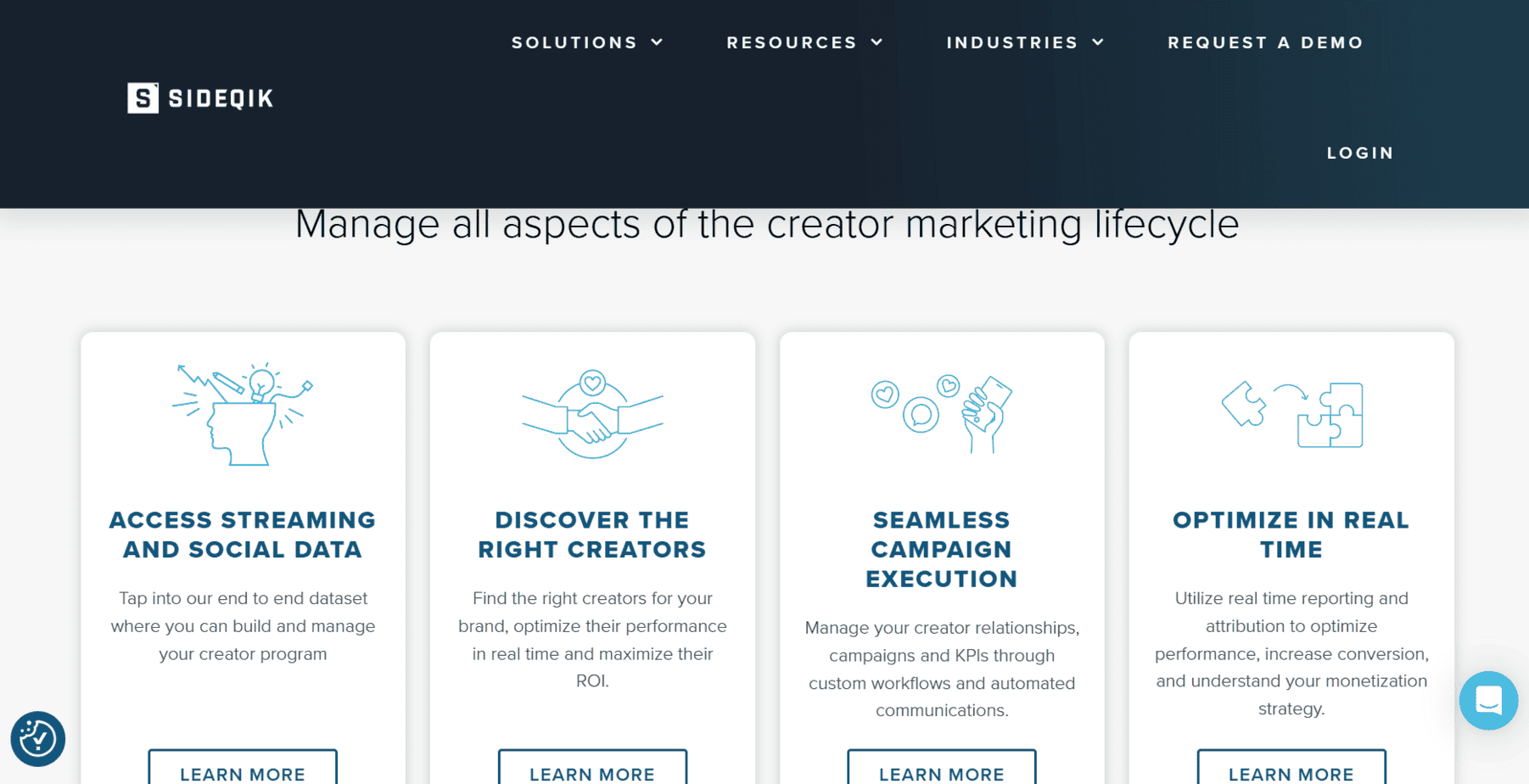
Sideqik is an enterprise influencer marketing platform with a strong foothold in gaming, esports, and consumer technology. Now part of GameSquare, it uses AI-driven social listening and audience segmentation to help brands identify authentic creators across multi-channel ecosystems like Twitch, YouTube, and Discord. In 2026, its strength lies in tracking influencer impact across fragmented community platforms—not just traditional social media.
Best for: Gaming, tech, and sports brands that need to manage ambassador programs and measure engagement across community-driven platforms.
#9 Wearisma
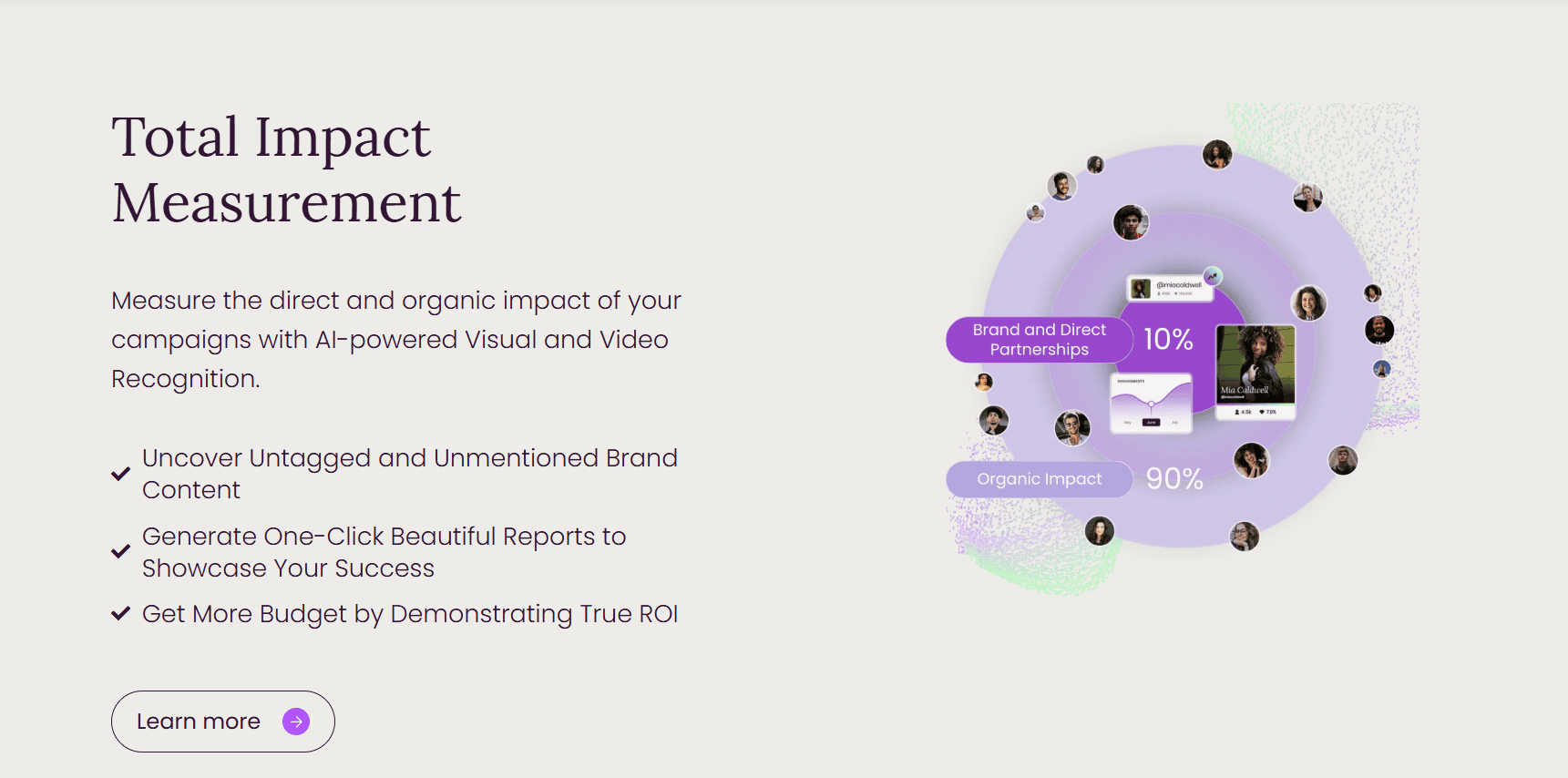
Wearisma is an AI-powered earned analytics platform focused on luxury, beauty, and lifestyle brands. In 2026, it stands out for using advanced visual and audio recognition to track untagged organic mentions, including video content that traditional tools often miss. Its sentiment analysis and competitive benchmarking help brands move beyond one-off campaigns toward long-term brand advocacy strategies.
Best for: Luxury, fashion, and beauty brands that need to track untagged reach and measure long-term brand affinity.
#10 Emplifi (formerly Socialbakers)
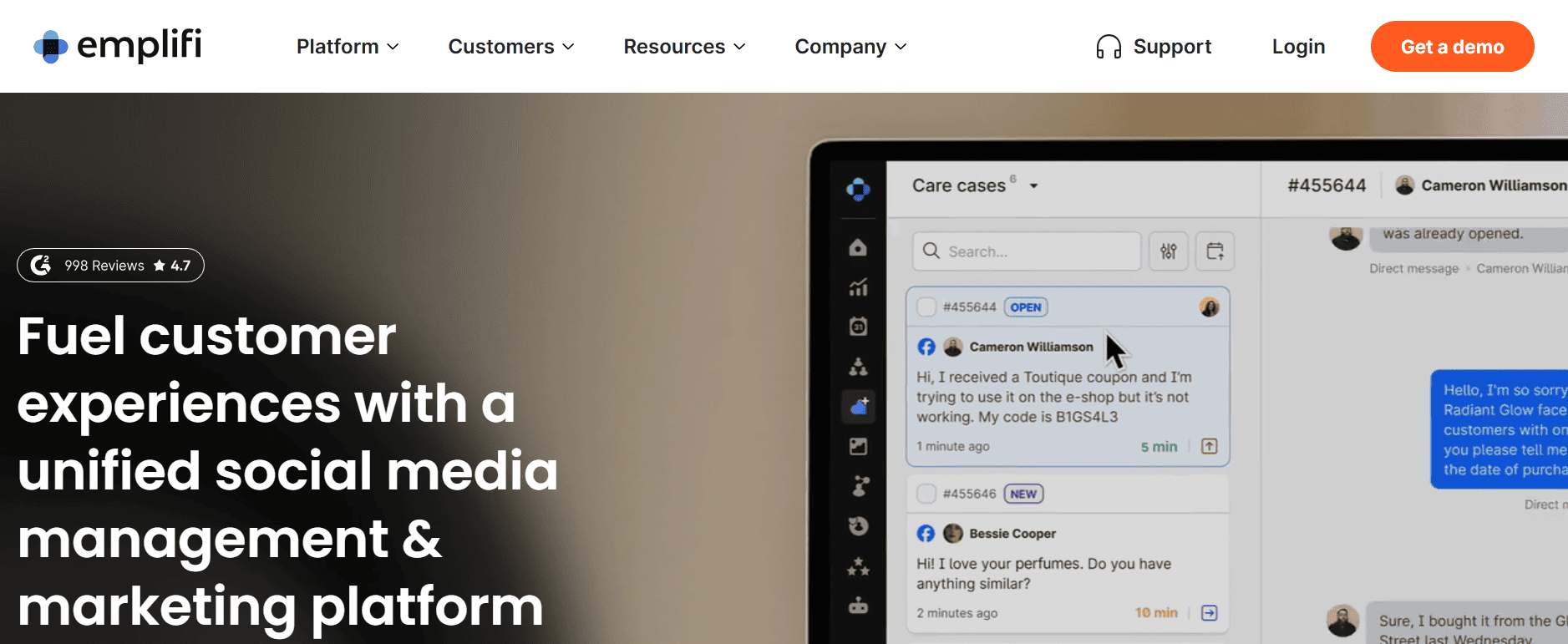
Emplifi is a unified customer engagement platform that integrates influencer marketing into a brand’s broader social ecosystem. In 2026, it differentiates itself through Agentic AI—automated workflows that connect social listening, creator collaboration, and real-time performance optimization. Rather than treating influencer marketing as a standalone tool, Emplifi positions it within a full customer experience and commerce strategy.
Best for: Enterprise brands that want influencer marketing fully integrated into social media management, CX, and social commerce operations.
Influencer Marketing Platforms That Work
Influencer marketing platforms have transformed the way brands and creators connect. From smart search tools to built-in messaging, these platforms take the guesswork out of collaboration.
But not all platforms are created equal. Some are packed with features but cost a fortune. Others promise results but lack the tools to back it up. That’s why it pays to do your research—and find a platform that truly fits your needs.
Whether you’re a brand looking for your next campaign partner or an influencer ready to grow your reach, the right platform can make all the difference. Think ease of use. Think flexibility. And yes, think about cost.
Because when it comes to influencer marketing platforms, the best ones don’t just help you connect—they help you grow.
Don’t want to scroll? Click here to let CreatorGPT build your shortlist in 30 seconds.
