





Key Takeaways
- Protect your margins by using ESD-safe packaging that prevents static damage and cuts costly returns.
- Follow a simple workflow by checking a product’s static sensitivity, mapping each handling step, and then choosing the right ESD-safe bag, wrap, or foam.
- Reduce stress for customers and your support team by shipping electronics in packaging that helps prevent “hidden” failures that show up weeks later.
- Plan for dry air and long transit times by adding ESD-safe materials so a tiny static spark does not ruin a high-value item.
Electrostatic discharge (ESD) is one of the most underestimated threats in modern ecommerce logistics.
For brands shipping electronics, components or technology-enabled products, static damage can silently erode profit margins, trigger customer dissatisfaction and introduce unnecessary liability into the supply chain. As online sales of electronics continue to grow, understanding ESD-safe packaging is no longer optional — it’s a business-critical requirement.
What Is ESD-Safe Packaging?
ESD-safe packaging refers to materials and systems specifically designed to prevent electrostatic discharge from damaging sensitive electronic products during handling, storage and transportation. These materials control static electricity by either dissipating, shielding or preventing charge buildup altogether.
Unlike standard packaging — such as generic plastic bags, bubble wrap or foam — ESD-safe materials are engineered with conductive or dissipative properties. Their purpose is not just physical protection, but electrical protection throughout the shipping life cycle. In simple terms, ESD-safe packaging manages static electricity so it never reaches a level capable of damaging electronic components.
Why ESD Protection Matters in Shipping and Fulfillment
Electrostatic discharge poses both technical and commercial risks for e-commerce operations. From fulfillment centers to last-mile delivery, electronic products encounter multiple opportunities for static buildup and discharge.
Understanding why ESD protection matters helps businesses justify investment in the right packaging materials and avoid preventable losses. The impact of ESD-related failures typically falls into two critical areas — financial cost and customer trust.
The Hidden Cost of Static Damage
Electrostatic discharge does not always cause visible damage. In many cases, it weakens internal circuitry, shortens product lifespan or causes intermittent failures that only appear after the product has been delivered. These “latent defects” are especially hazardous for brands, as they often result in returns, warranty claims, or negative reviews weeks or months after the initial purchase.
For ecommerce businesses, the financial impact includes increased return and replacement costs, higher customer support and warranty expenses, lost repeat business and potential liability when shipping regulated or high-value electronics.
Customer Trust and Brand Reputation
From a marketing and brand perspective, shipping damage is rarely perceived as a logistics issue. Customers often associate product failure with a brand’s quality. Repeated ESD-related issues can quickly erode trust, particularly in competitive categories such as consumer electronics, medical devices and industrial components.
ESD-safe packaging, therefore, functions as a brand protection strategy. Reliable delivery reinforces customer confidence, reduces friction after purchase and supports long-term loyalty.
The Science Behind Static Damage During Shipping
Static electricity is created when two materials come into contact and then separate — a phenomenon known as the triboelectric effect. During shipping, this occurs constantly as products rub against packaging materials, packages shift in transit, and vibration or airflow increases, leading to charge buildup.
Low-humidity environments exacerbate the problem, allowing static charges to accumulate more easily. When a charged object encounters a conductive path, such as a circuit board, electrostatic discharge occurs. The sudden release of energy can penetrate insulating layers, melt micro-traces or alter semiconductor behavior.
ESD-safe packaging interrupts this process by preventing charge generation, safely dissipating accumulated charge or shielding contents from external electric fields.
What Are the Most Effective Solutions for Preventing Static Damage During Shipping?
5 Key Types of ESD-Safe Packaging Materials
The most effective solutions for preventing static damage during shipping combine proper material selection, layered protection and consistent handling practices. No single material works for every scenario. Instead, effective ESD protection matches the sensitivity of the product with the conditions it will encounter throughout the shipping life cycle.
Different ESD-safe materials serve different purposes, from minimizing static generation to fully shielding sensitive components from external electric fields. Understanding these categories allows you to choose the right level of protection based on product sensitivity, shipping distance and cost considerations. Below are the primary categories of ESD-safe packaging materials and how each one contributes to static control.
Anti-Static Packaging Materials
Anti-static materials are designed to reduce the buildup of static electricity by limiting surface charge generation. They do not actively discharge electricity but help prevent static from forming in the first place.
Common examples include anti-static plastic bags, bubble wrap and polyethylene films. These materials are best suited for low- to moderately sensitive components, short-distance shipping or controlled warehouse environments. While cost-effective, anti-static materials offer limited protection and should not be used alone for highly sensitive electronics.
Static Dissipative Packaging
Static dissipative materials allow electrical charges to flow slowly and safely across their surface. This controlled discharge prevents sudden electrostatic events that could damage components.
These materials are commonly found in pink or translucent dissipative bags, trays, bins and ESD-safe foams. They are well-suited for products that are frequently handled during fulfillment or assembly. Static dissipative materials provide a strong balance between protection and affordability, making them popular in operational environments.
Conductive Packaging Materials
Conductive materials allow static charges to move freely and equalize quickly. When properly grounded, they eliminate voltage differentials that cause ESD events.
Examples include black conductive bags, conductive foam and carbon-loaded containers. These materials are highly effective for very sensitive components but require careful grounding and handling procedures. Conductive packaging tends to be more expensive and operationally demanding, but it offers excellent protection in industrial and manufacturing supply chains.
Static Shielding Packaging
Static shielding materials provide the highest level of protection by blocking external electric fields and preventing both internal and external static discharge. They are typically constructed using multiple layers, including a metallized shield.
Shielding bags and barrier films are ideal for long-distance or international shipping, high-value electronics and uncontrolled transit environments. Although they carry a higher up-front cost, static shielding materials often deliver the best return on investment by dramatically reducing risk.
ESD-Safe Cushioning and Void Fill
ESD-safe cushioning materials offer both mechanical protection and control of static electricity. These materials help prevent shock, vibration and electrostatic damage simultaneously.
Standard options include ESD-safe foam inserts, dissipative molded pulp and ESD-safe air pillows. They are especially valuable for fragile electronics and custom packaging solutions that require both physical and electrical protection.
Choosing the Right ESD-Safe Packaging for Your Business
For most e-commerce operations, the best approach is layered protection. For example:
- A static shielding bag for the product
- ESD-safe cushioning inside the box
- Anti-static outer materials to reduce charge buildup
Your selection should be guided by:
- Product sensitivity level.
- Shipping distance and handling conditions.
- Regulatory requirements.
- Brand risk tolerance.
- Cost of failure versus cost of prevention.
Investing slightly more in packaging often results in a lower total cost of ownership.
3 Top Packaging Providers for Effective ESD-Safe Solutions
When sourcing reliable ESD-safe packaging materials, the following providers are widely recognized across electronics, industrial and e-commerce supply chains.
1. Edco Supply Corporation
Edco Supply Corporation is a leading supplier of some of the most effective solutions for preventing static damage during shipping. The company offers military specification packaging, serving defense contractors as well as industrial and electronics shippers with strict compliance requirements. It provides both stock and custom ESD-safe solutions, including static shielding, anti-static and moisture-barrier packaging, engineered to protect sensitive components during storage and transit.
By purchasing directly from government-qualified manufacturers, it maintains exceptional buying power, extensive inventory and some of the fastest lead times in the market. Its ability to execute small custom projects supports highly specialized shipping needs. Operating as The World’s Leading Supplier of Military Specification Packaging, Edco Supply Corporation plays a critical role in delivering reliable, high-performance ESD protection across demanding supply chains.
2. Desco Industries, Inc.
Delta Electrical Specialty Company (DESCO) Industries, Inc. is a global manufacturer of ESD control and static-protective solutions supporting electronics manufacturing, handling and shipping environments. Operating through a portfolio of specialized brands — including Protektive Pak for ESD-safe packaging — it delivers static shielding bags, moisture barrier packaging, conductive and dissipative containers, and custom material-handling systems.
Manufacturing spans the United States, the United Kingdom and Japan, enabling tight quality control, regional availability and supply chain resilience. Extensive in-house capabilities support both standard products and custom-designed packaging built to precise specifications. With deep technical expertise, proprietary materials and a worldwide distributor network, Desco Industries, Inc. plays a central role in protecting sensitive electronic components throughout production, storage and transport.
3. Antistat Inc.

Antistat Inc. is a global provider of ESD protection, clean room consumables and static-safe packaging supporting manufacturing, packaging and transportation environments. Serving the electronics, aerospace, defense, pharmaceutical and biotechnology sectors, it supplies a broad range of ESD-safe shipping materials, personnel grounding products, monitoring equipment and contamination control consumables.
Its international distribution network, spanning the Americas, Europe and Asia, enables consistent availability and dependable delivery worldwide. Backed by ISO 9001–certified quality systems, in-house ANSI/ESD testing and active participation in the Electrostatic Discharge Association (ESDA), it supports compliance with demanding international standards. Through integrated supply chain management and expert technical guidance, Antistat Inc. helps organizations reduce electrostatic risk while maintaining operational efficiency across global production flows.
Summary
Static damage is a quiet profit killer for ecommerce brands that ship electronics. It often leaves no visible mark, but it can weaken circuits and cause “works today, fails later” issues that show up weeks after delivery. That is why ESD-safe packaging matters. It is not only about preventing dents and cracks. It is about controlling static so it never reaches a level that can harm sensitive parts.
The smart move is to match the packaging to the risk. Anti-static materials help reduce static buildup, but they do not block outside static very well. Dissipative materials let charge bleed off in a controlled way, which makes them a solid default for many electronics shipments. Conductive materials move charge quickly and are best when you have a true ESD-controlled process. Shielding bags add another layer by blocking outside static during transit, which is especially important once your product leaves your warehouse and enters trucks, conveyors, and customer hands.
To apply this in real fulfillment, build a repeatable packing “stack” and train your team to use it every time:
- Start with product sensitivity: Circuit boards, chips, and small modules usually need more than standard bubble wrap.
- Use layers on purpose: Cushion the item, then control static, then protect it from the outside world. A common pattern is foam or wrap for cushion, a shielding bag for transit, and a sturdy outer carton for impact.
- Plan for dry air: Low humidity makes static build faster, so winter shipping and air shipping often raise risk.
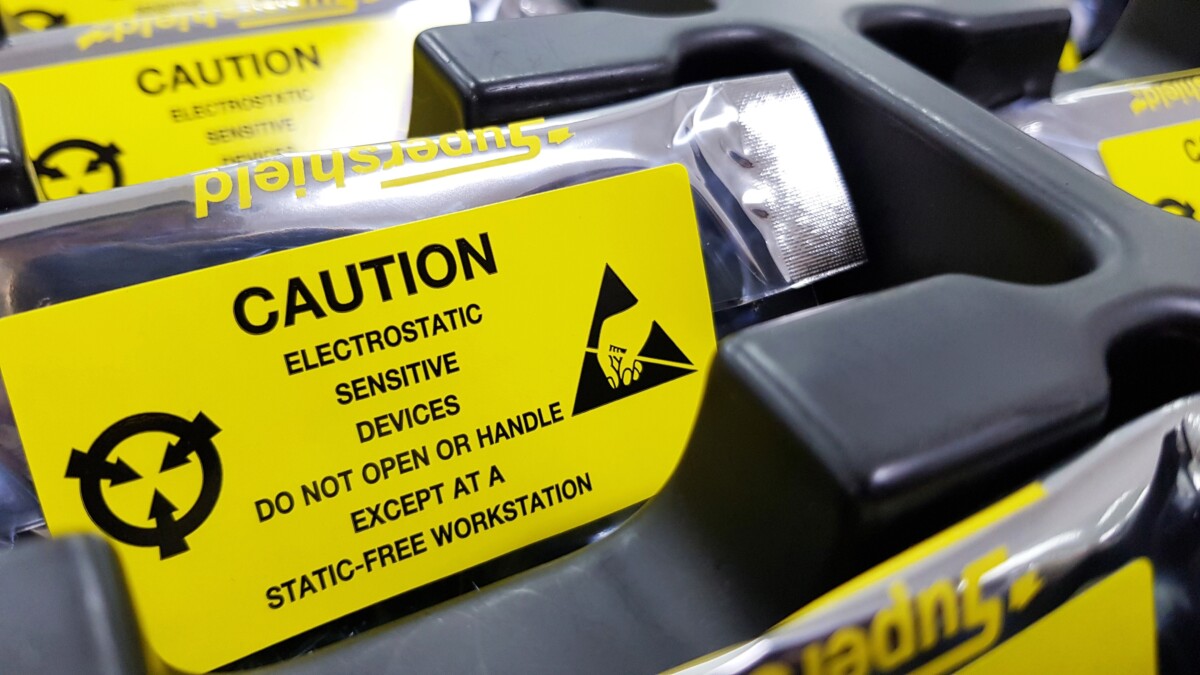
- Label and standardize: Add clear “ESD Sensitive” labels and standard pack instructions so returns do not depend on who packed the box that day.
- Verify before scaling: Do a small test run, track returns, and adjust materials before you place a large packaging order.
If you want a strong next step, create an “ESD shipping SOP” for your top 5 SKUs: define the exact materials, the packing order, and a quick training checklist for new hires or 3PL partners. Then review your packaging supplier options and choose products that fit your item size, risk level, and shipping lanes.
Next Steps
ESD-safe packaging protects your products, your margins, and your brand by preventing hidden static damage that leads to returns and bad reviews. The best results come from choosing the right material for the job, layering packaging in a consistent way, and training everyone in your fulfillment flow to follow the same steps. If you ship anything with sensitive electronics, turn this guide into a simple packing standard, test it on real orders, and keep improving it as your volume grows.
Frequently Asked Questions
What is ESD-safe packaging, and why does it matter for Shopify orders?
ESD-safe packaging is designed to stop static electricity from damaging sensitive electronics during handling, storage, and shipping. The article stresses that ESD is often underestimated in ecommerce logistics, even though it can quietly erode profit through returns and replacements. For Shopify stores selling electronics or tech-enabled products, it is both product protection and brand protection.
How can static damage happen if the product looks fine when it arrives?
The guide explains that ESD damage is often invisible and can create “latent defects,” where internal parts weaken and fail later. That is why customers may report problems weeks or months after delivery, even if the unboxing looked perfect. These delayed failures tend to trigger warranty claims, support tickets, and negative reviews that are hard to trace back to shipping.
Isn’t regular bubble wrap or plastic enough for electronics?
Not always. The article points out that standard packaging like generic plastic bags, bubble wrap, or foam is built for physical protection, not electrical protection. If you ship sensitive components, you need materials that control static by dissipating it, shielding it, or preventing charge buildup in the first place.
What causes static buildup during shipping and fulfillment?
The article breaks it down to the triboelectric effect, which happens when materials touch and then separate. Shipping creates lots of friction points: products rub against packaging, cartons shift in transit, and vibration and airflow add more movement. The guide also warns that low humidity makes static charges build up more easily.
Which products in a Shopify store should use ESD-safe packaging?
Use it for electronics, components, and any technology-enabled products where a small discharge can damage circuitry. The guide highlights higher-risk categories where trust matters most, including consumer electronics, medical devices, and industrial components. If a return would be expensive or reputation-damaging, ESD-safe packaging is usually a smart bet.
What’s the business ROI of upgrading to ESD-safe packaging?
The article ties ROI to fewer returns, fewer replacements, and lower customer support and warranty costs. It also emphasizes a brand benefit: customers judge product failures as a quality issue, not a shipping issue, so preventing ESD failures protects repeat purchases and reviews. In practice, many stores find the packaging upgrade pays for itself when it prevents even a small number of high-cost returns.
How do I choose the right ESD-safe packaging for my products?
Start with the product’s sensitivity and your shipping risk, then match packaging that controls static across the full shipping life cycle. The guide’s core idea is that ESD-safe packaging is not “one material,” but a system that manages static through handling, storage, and transit. A practical approach is to standardize one packing method for each product type (like circuit boards vs. finished devices) and document it for your team or 3PL.
What are best practices for implementing ESD protection in a packing station?
Treat ESD protection as a process, not a one-time packaging purchase. The article highlights that products face multiple touchpoints from fulfillment to last-mile delivery, so consistency matters. Create a simple packing checklist, train staff on correct handling, and audit your packaging use during busy periods so steps do not get skipped.
What common misconceptions lead to avoidable ESD returns?
One big misconception is thinking ESD damage will be obvious, when the article explains it often shows up as later, intermittent failures. Another is assuming shipping damage is “just logistics,” even though customers usually blame the brand when a product fails. The actionable fix is to treat ESD-safe packaging as part of your customer experience, not just a warehouse detail.
How can Shopify founders work with a 3PL to reduce ESD-related failures?
Give your 3PL clear pack-out rules for each SKU, including which ESD-safe materials to use and how items should be handled from pick to seal. The guide’s main warning is that electronics encounter many chances for static buildup across the supply chain, so you want fewer “judgment calls” at the packing table. Ask your 3PL to confirm they can follow your ESD-safe workflow and run a small test batch before you scale.
