





Key Takeaways
- Integrate audio into your brand strategy to capture attention in environments where visual and text-based marketing cannot reach busy consumers.
- Use tools like ElevenLabs to prototype and iterate on voice content quickly before committing to full studio production.
- Offer audio versions of your content to make your brand more inclusive and accessible to people with visual impairments or those who prefer listening on the go.
- Leverage the unique power of the human voice to create an emotional bond and build a level of trust that static images often fail to achieve.
As consumer attention fragments across podcasts, short-form audio, livestreams, and voice-assisted experiences, the role of sound in brand communication has quietly changed.
Audio is no longer simply supplementary to visual or text-based marketing; it is increasingly a strategic medium that can influence engagement, retention, and emotional resonance. Within this broader shift, tools such as ElevenLabs have entered creative workflows, not as gimmicks, but as flexible ways to prototype, personalize, and scale audio content without the traditional constraints of studio production.
This evolution is rooted in how audiences increasingly experience content. Listeners habitually consume audio while multitasking, commuting, or simply relaxing, making voice and sound a pervasive part of daily life. For product-driven brands, this means that audio content does not merely communicate features, it shapes context, reinforces identity, and can create associative memory that visual content alone cannot replicate.
Why audio matters for engagement
Audio engages multiple dimensions of human perception simultaneously. A spoken description, tone of voice, pacing, and ambient sound layers all contribute to how a message is interpreted, remembered, and felt. In psychological terms, audio stimuli tap into emotional processes that text and static images rarely reach on their own.
Research discussed by the Journal of Consumer Psychology shows that multisensory experiences, including auditory cues, can significantly affect memory encoding and emotional attachment, particularly when they align with a listener’s prior expectations and emotional state.
For product-driven brands, this means that audio content has the potential to shape not just awareness, but deeper psychological engagement. A thoughtfully narrated product story can create an affective connection that persists beyond the moment of listening.
Utility meets narrative design
One of the places this potential becomes visible is in the integration of audio into customer journeys. Static product pages and optional documentation remain essential, but brands are exploring how audio, through descriptive narratives, testimonials, or ecosystem stories, can complement these channels. When audio is woven into context-rich sequences, it becomes a way of guiding attention rather than just adding another touchpoint.
For example, a listener who hears a well-articulated explanation of a product’s purpose and real-world use cases may approach a retail page with a different level of curiosity and preparedness. This is not because audio provides new information, but because it situates that information within narrative structures that human listeners are evolutionarily tuned to process.
Accessibility and inclusivity
Another dimension of audio’s value is accessibility. Audio content naturally supports diverse audiences, including individuals who have visual impairments or reading challenges, as well as people engaged in tasks that make reading inconvenient. By offering alternative sensory pathways to the same message, brands make their offerings more inclusive.
This inclusivity contributes to audience expansion not through novelty but through pragmatism: the more ways a brand can communicate meaningfully with different listeners in varying contexts, the broader its effective reach becomes.
Professional craft and creative collaboration
Audio content creation has historically been associated with professional studios, specialized voice talent, and controlled production environments. The growth of AI-assisted tools changes that calculus, not by replacing craft but by redistributing it. Where once early ideation may have paused while talent was booked and scheduled, scripts can now be audibly prototyped, iterated, and shaped in real time.
This does not negate the role of professional voice performers or sound engineers, but it reshapes when and how they are engaged in the process. Early-stage experimentation with voice and tone can be rapid and exploratory, allowing human creatives to focus their expertise on refinement and emotional nuance when the concept solidifies.
Trust and authenticity
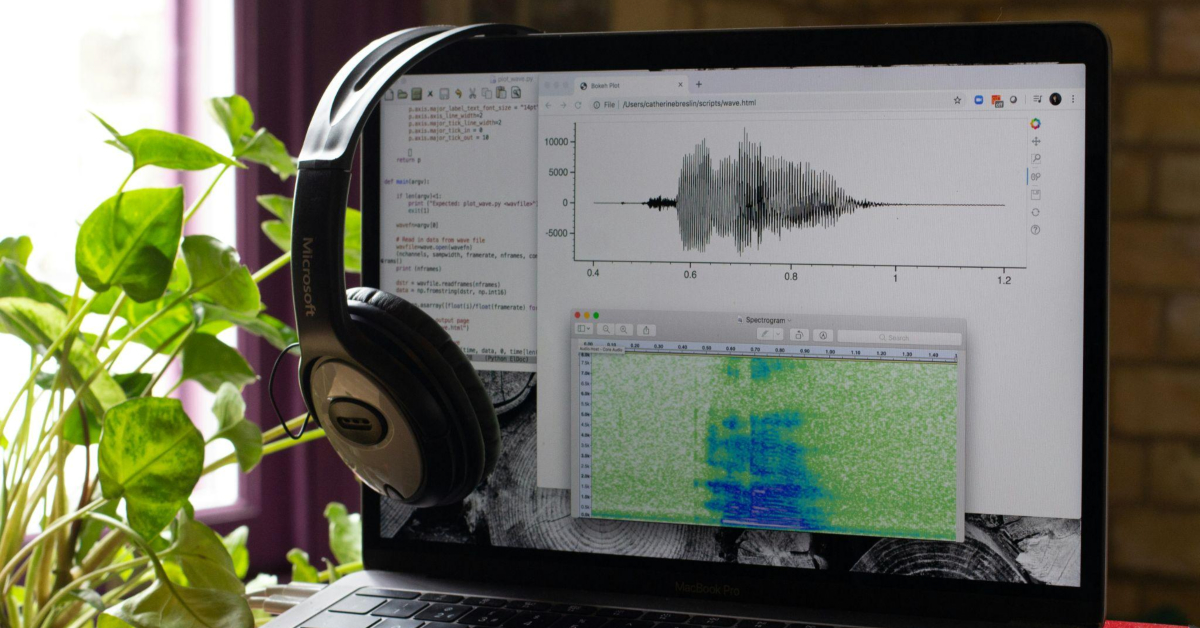
Photo by Catherine Breslin on Unsplash
As audio becomes more central to brand experiences, questions of trust inevitably emerge. Voice carries social cues that listeners subconsciously associate with credibility, intention, and identity. In the digital realm, where context can be sparse, these cues help audiences make sense of who is “behind” a message and why it matters.
How brands navigate the use of synthetic and recorded voice influences perceptions of authenticity. Clear contextual framing, intentional choice of vocal style, and alignment with broader brand narrative all play a role in how listeners interpret meaning. Voice can strengthen trust when it supports consistent messaging and transparent intent.
Integration rather than addition
Perhaps the most important insight about audio’s role for product-driven brands is that its value emerges not when it is added superficially, but when it is integrated thoughtfully. Audio should not be an afterthought or an optional accessory; it must be woven into creative strategies with coordination and purpose.
This means approaching audio as a medium that interacts with other sensory channels, audience expectations, and contextual environments. When carefully aligned with broader brand expression, voice content becomes a layer that reinforces meaning rather than competing with it.
A medium shaped by context
Audio content is not inherently superior or magical; its impact arises from how it is used. The shift toward voice and sound as strategic assets reflects broader changes in media consumption, cognitive engagement, and cultural expectation. For product-driven brands, the challenge is not merely to adopt audio technology, but to understand how sound shapes attention, emotion, and memory over time.
In this evolving landscape, the strategic value of audio will continue to grow, not because it is new, but because it meets deep human needs for narrative, presence, and connection in a media ecosystem that has room for many forms of expression.
Frequently Asked Questions
Why is audio becoming a strategic priority for brands now?
Consumer habits are changing as people spend more time with podcasts and voice assistants while multitasking. Unlike text which requires full focus, audio fits into daily routines like commuting or exercising, allowing brands to stay connected with their audience throughout the day.
How does voice content improve customer memory and engagement?
Sound triggers emotional responses and builds associative memory in ways that images alone cannot match. Research suggests that a well-paced narrative helps people process information more deeply, making your brand message stickier and more relatable to the listener.
Can AI tools like ElevenLabs actually replace human voice actors?
These tools are best used for rapid prototyping and scaling content rather than completely replacing human talent. They allow creative teams to test different scripts and tones instantly, saving the most complex and high-stakes emotional work for professional performers.
What is the biggest misconception about using synthetic audio in marketing?
Many believe that using AI-generated voices will automatically make a brand feel cold or untrustworthy. In reality, trust comes from transparency and how well the vocal style aligns with your brand voice, rather than just the technology used to create the sound.
How does adding audio options increase website accessibility?
Providing audio versions of your written content helps people with visual impairments or reading challenges navigate your site more easily. It also serves people who are in situations where reading is inconvenient, ensuring your message reaches the broadest possible audience.
What is the first step a brand should take to start using audio?
The most practical starting point is to turn your top-performing blog posts or product descriptions into short, narrated audio clips. This allows you to test how your audience reacts to voice content without needing to overhaul your entire marketing strategy at once.
How does sound influence a person’s trust in a digital brand?
Human beings are wired to listen for social cues like tone and pacing to judge if someone is credible and sincere. By choosing a consistent and clear vocal identity, you provide a sense of presence that makes your digital business feel more human and reliable.
In what ways does audio help with the customer’s shopping journey?
Audio provides context and storytelling that can guide a shopper’s attention before they even reach a retail page. A helpful audio guide or product story can answer questions and build curiosity, making the customer feel more prepared to make a purchase.
Is professional audio production still necessary for small businesses?
While high-end studios are great, modern tools allow you to create high-quality soundscapes and narrations from almost anywhere. You can now achieve a professional polish and meaningful emotional resonance by focusing on clear scripts and smart software choices.
What should a brand do after launching their first audio content?
Once you have audio live, you should track how long people listen and if it leads to higher engagement on your pages. You can then use those insights to decide which topics deserve more deep-dive audio content or even a dedicated podcast series.
