





Key Takeaways
- Build a unique online store using a website builder to establish a strong brand and stand out from competitors.
- Define your target audience and develop a solid business plan before you start building your online store.
- Foster customer trust by creating an intuitive website with clear product information and simple checkout options.
- Create a fully functional online store from scratch, even without any programming experience, by using a website builder.
Creating a website from scratch is not a trivial task. Serious projects require high-level specialists.
But there are online website builders that allow you to create a selling website, landing page, or business card from scratch, even without experience and knowledge of programming. Today, we will talk about how to create an online store with the help of website builders and what practices will help to achieve success, especially using tools such as Shopify, Wix, Sellshop and the Nicepage website builder.
What is a Website Builder for?
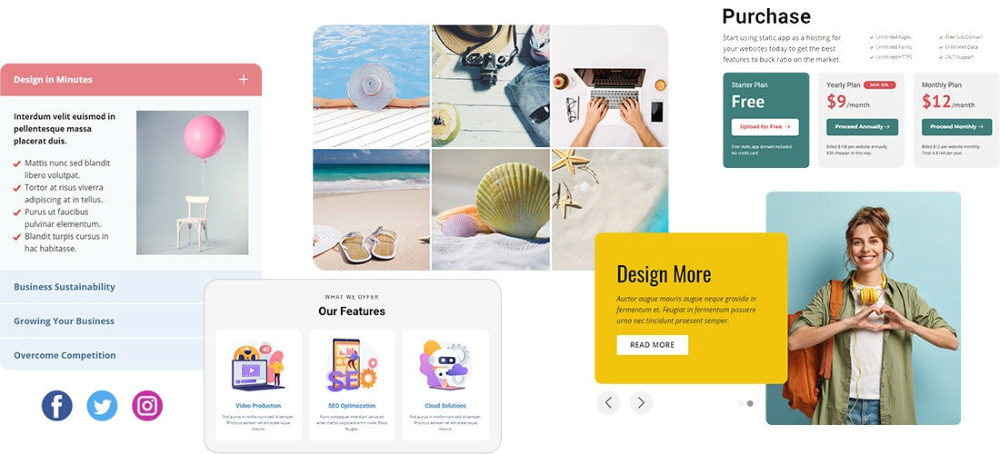
Even if you don’t have programming skills, you may use website builders to create any kind of website. Most of these services are designed to create selling websites for stores and marketplaces, as well as for those who sell their services. However, they can also be used to create business card websites, one-page landing pages, and even multi-page information sites.
But in most cases, online stores, business card sites, and portfolios, even single-page ones, are created with the help of constructors. Thus, website constructors allow you to create a resource promoting certain goods and services. With its help, you can also build up a client base.
Modern online store in 2025: what is it like?
The convenience and efficiency of an online store can be considered from two sides – the user of the site and the business owner. The connection is direct: the owner’s profit grows from the convenience of the user.
An online store is convenient for the client when:
- The site is intuitive. It is good when the user does not need to scroll through pages for a long time to understand the products, find key data and understand how to place an order. Also, buyers often do not want to waste time creating a personal account – that is why many companies have a “soft payment” option.
- Contains personalized content. Bestsellers simplify the choice from a wide range of products, and “repeat order” offers will save time for regular customers. More complex personalization using AI and a data model provides the most accurate recommendations, for example, based on search history.
- Comprehensive information about products. Write detailed and informative descriptions for each product, including key features, benefits, and possible use cases. Add high-quality photos and video reviews.
- Users understand who they are giving their money to. Evidence of the company’s reliability on the site, such as reviews, the “Company History” block, photos of owners, logos of partner brands, links to active social networks, inspires trust and helps make it easier to decide to buy.
- Simple and quick purchase. The customer journey should be as short as possible. Simplify the purchase process, add a quick checkout function in one click to minimize the number of steps and data entered. The likelihood that a consumer will return increases with the ease and convenience of the sales process.
A site created on Wix or the Nicepage website builder can be integrated with external payment gateways. The constructor allows you to connect systems such as Stripe, PayPal, and others, which simplifies the process for both the store owner and customers.
How to Prepare Before Building Your Online Store: Market Research, Niche, and Business Plan
If you have decided to create an online store, first, you need to study the market and choose your niche. This is the basis of any successful business. Analyze current trends to understand what products or services are in demand. Then determine the niche where you can stand out.
After that, you must define your target audience. Who are your future customers? Where do they live, how old are they, and what problems do they want to solve?
After that, you must develop a detailed business plan for the online store. Include calculations of start-up costs, income forecast, promotion plan and organization of operational processes, from inventory management to customer service.
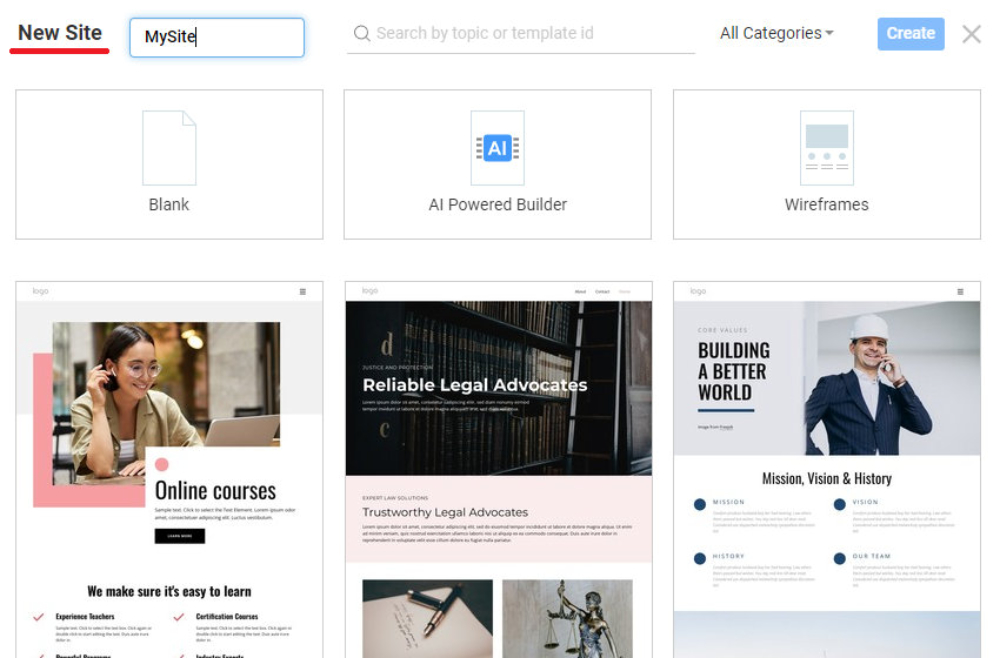
Nicepage website builder supports multilingualism. This is especially important for brands that go beyond the local market. Moreover, because of the builder’s interface, which is quite user-friendly, you can handle modifications on your own.
Conclusion
With the help of online website builders, you can create online stores easily and quickly. When choosing a designer, it is worth considering the services available to users, the availability of a trial period, and discounts for long-term payments.
Website builders, such as Nicepage website builder, allow you not just to create a template store but also to build a full-fledged brand with a unique style and a high level of trust.
Frequently Asked Questions
What is a website builder and who should use one?
A website builder is an online tool that allows you to create a professional website without needing to write any code. It is perfect for entrepreneurs, small business owners, and anyone who wants to quickly launch an online store, portfolio, or business site with a limited budget and no technical background.
What is one practical step I can take to make my store more intuitive?
A simple and highly effective step is to add a “one-click checkout” or “soft payment” option. This allows customers to make a purchase without the extra friction of creating a full account, which significantly speeds up their buying process and can improve your sales.
Is it a myth that all websites made with builders look the same?
Yes, this is a common myth. While builders offer templates to get you started, modern platforms like Nicepage provide extensive customization options. You can change layouts, colors, fonts, and add unique content to create a distinct brand identity that does not look like a generic template.
What are some specific trust signals I can add to my online store?
Beyond customer reviews, you can build trust by adding an “About Us” or “Company History” section with photos of the owners. Displaying logos of partner brands you work with and linking to your active social media profiles also shows that your business is legitimate and transparent.
How do website builders handle online payments and credit card processing?
Most website builders are designed to easily integrate with major payment gateways. You can connect systems like Stripe or PayPal to your site with just a few clicks, which allows you to securely accept credit card payments and other digital payment methods from customers around the world.
What is a key difference to consider when choosing between a builder like Shopify and one like Wix?
Shopify is built specifically for e-commerce and offers powerful, specialized tools for inventory management and sales analytics right out of the box. Wix is a more general-purpose website builder that is highly flexible for different types of sites but may require adding apps to get the same level of e-commerce functionality.
Why is defining a target audience so important before I choose a website builder?
Knowing your target audience helps you make critical design and feature decisions from the start. For example, if your audience is older, you might prioritize a simple, clean layout with large text, while a younger audience might respond better to more dynamic, visual content. This focus ensures your finished site connects with the right people.
How can a website builder help my store sell products internationally?
Many modern website builders, including Nicepage, offer built-in multilingual capabilities. This allows you to create different language versions of your site, which makes your products accessible to a global audience and helps you expand your business beyond your local market.
What does comprehensive product information include beyond a simple description?
Comprehensive information includes multiple high-quality photos from different angles, a video review showing the product in use, and a detailed list of key features and benefits. You should also include potential use cases to help customers imagine how the product will fit into their lives.
How does a business plan for an online store differ from one for a physical shop?
A business plan for an online store places a much stronger emphasis on the digital marketing and promotion strategy, including budgets for social media ads, SEO, and email marketing. It also focuses heavily on logistical details like shipping carriers and return policies, which are less central to a physical retail plan.
