





Content Mapping Tools 2026: How to Plan Influencer Content
9th
February, 2026
In today’s e-commerce landscape, simply posting content at random isn’t enough – you need a strategic map. Brands often churn out blogs, social posts, and emails hoping something sticks. The result? Mixed engagement and missed opportunities. That’s where content mapping tools come in. By aligning each piece of content (from product videos to UGC reviews) to a specific audience and stage of the buyer’s journey, marketers can deliver the right message at the right time. In fact, content mapping forces you to consider who your content is for and when they need it, so every article, email, or micro influencer post has a clear purpose. This comprehensive 2026 guide will explain what content mapping is, why it matters for influencer marketing and e-commerce success, the top tools to use, and how to create your own content map. Whether you run a DTC brand or sell on Amazon, you’ll learn to plan targeted content that drives engagement and sales. Let’s dive in!
What Is Content Mapping?
Content mapping (also called content journey mapping) is the process of creating a master plan for your content and aligning it with each stage of your customer’s journey. Essentially, it’s a framework that ties buyer personas (who your audience is) to the buyer’s journey (where they are in the purchase process). A content map is often laid out as a simple grid or spreadsheet that shows: the persona, their stage (awareness, consideration, decision), their key questions or pain points, and the content you will deliver to address those needs.
This approach brings structure and intent to your marketing. Instead of guessing what to publish next, you use data and empathy to guide content creation. For example, a fashion retailer might identify a persona “Budget-Conscious Mom” who is in the awareness stage looking for affordable style tips. The content map would assign her an educational blog post or a Pinterest infographic to pique interest. Later, when she’s in consideration, the map might offer a comparison of outfit costs or a micro-influencer’s YouTube review of the store’s budget line. By mapping content to each stage, you ensure no potential customer falls through the cracks.
Importantly, content mapping is execution-focused. It differs from a broad content strategy in that it gets very tactical – it spells out exactly what piece of content goes to which audience at what time. The benefit is a bird’s-eye view of your content universe, making it easy to spot gaps or overlaps. If you notice you have plenty of top-of-funnel social media posts but nothing for loyal repeat buyers, the map highlights that gap so you can fill it. In short, a content map is your blueprint for delivering personalized, purposeful content consistently.
Unlock the Power of Micro Influencers and Elevate your Brand Today!
Why Content Mapping Matters for E-Commerce and Influencer Marketing
Mapping your content to the customer journey isn’t just a marketing exercise – it’s a competitive advantage. Here’s why a content map is so valuable, especially for e-commerce brands, Amazon sellers, and anyone leveraging influencer marketing:
-
- Right content, right time: A content map ensures you’re serving relevant content at each stage of the funnel. This targeted approach makes your marketing far more effective than one-size-fits-all messaging. According to marketing experts, a good content map lets you deliver highly personalized content at each stage of the journey, which in turn helps you acquire more leads and drive purchasing decisions. In other words, mapping content to stages can directly boost conversions because prospects get the information they need to move forward.
- Improved customer experience: When your content is mapped to the buyer’s needs, customers feel understood. Think of it from their perspective: a first-time visitor sees a fun explainer video (great for awareness), then later receives an in-depth comparison guide when evaluating options, and finally gets a discount code or testimonial video when ready to buy. This coherent progression builds trust. It provides a consistent, personalized journey that can increase engagement (people spending more time with your brand) and ultimately sales. Customers are likelier to stick around and convert when content “meets them where they are.”
- Identifying content gaps and opportunities: Content mapping is also a diagnostic tool. By laying out all your content against the funnel stages and personas, you can quickly spot if something’s missing. Perhaps you realize you have plenty of UGC on Instagram for awareness, but no case studies or reviews to help hesitant shoppers in the decision stage. The content map highlights those gaps so you can create the needed assets. It eliminates guesswork and prevents wasted effort. You might also uncover opportunities – for example, noticing that user questions in the consideration stage could be answered with a new FAQ page or an influencer’s how-to video. This way, content mapping keeps your strategy agile and responsive to customer needs.
- Higher trust and authenticity: Modern consumers are skeptical of generic ads; they crave authenticity. Incorporating micro-influencer content and user-generated content into your content map can significantly boost credibility. Why? Because people trust people. A well-known study found that 92% of consumers trust recommendations and content from people (friends, family, influencers) more than brand-created content. By mapping peer reviews, influencer testimonials, and UGC into your marketing funnel, you leverage this trust factor. For example, an Amazon seller might map customer photo reviews or unboxing videos to the decision stage, providing social proof right when the buyer is deciding to add to cart. The result is a higher likelihood of conversion, as the content feels genuine and convincing.
- Efficiency and ROI: Content mapping can actually save you time and money in the long run. Instead of rushing to produce random posts or repeating content that doesn’t resonate, you have a clear plan. Your team knows exactly what content comes next and why. This prevents the common “what should we post this week?” scramble. It also aligns your campaigns – your influencer marketing efforts, blog, email, and social media all work in unison toward the same goals. Case studies have shown that when companies introduced structured content maps, key metrics improved (e.g. email engagement up, lead conversion up) because everything was coordinated and purposeful. In short, a good content map helps you get more ROI from content marketing by focusing resources on content that drives results, rather than on guesswork.
- Right content, right time: A content map ensures you’re serving relevant content at each stage of the funnel. This targeted approach makes your marketing far more effective than one-size-fits-all messaging. According to marketing experts, a good content map lets you deliver highly personalized content at each stage of the journey, which in turn helps you acquire more leads and drive purchasing decisions. In other words, mapping content to stages can directly boost conversions because prospects get the information they need to move forward.
Stack Influence, as a micro-influencer marketing platform, recognizes the power of content mapping firsthand. We’ve seen e-commerce campaigns perform better when brands map out where influencer-generated content will hit the customer journey (for instance, seeding TikTok unboxing videos in the awareness phase, and using influencer coupon codes at decision phase). The takeaway: content mapping isn’t a “nice-to-have” – it’s a must-have for any brand looking to maximize engagement and sales via targeted, data-informed content.
Top 10 Content Mapping Tools in 2026
You don’t need expensive or highly specialized software to start mapping your content. Many content mapping tools are likely already at your fingertips. Below are 10 of the best tools (ranging from free basics to advanced platforms) that help e-commerce teams and content creators plan, organize, and execute a winning content map. Each tool serves a different purpose – from researching your audience to scheduling content – and together they’ll cover all the bases of your content mapping process.
1. Stack Influence
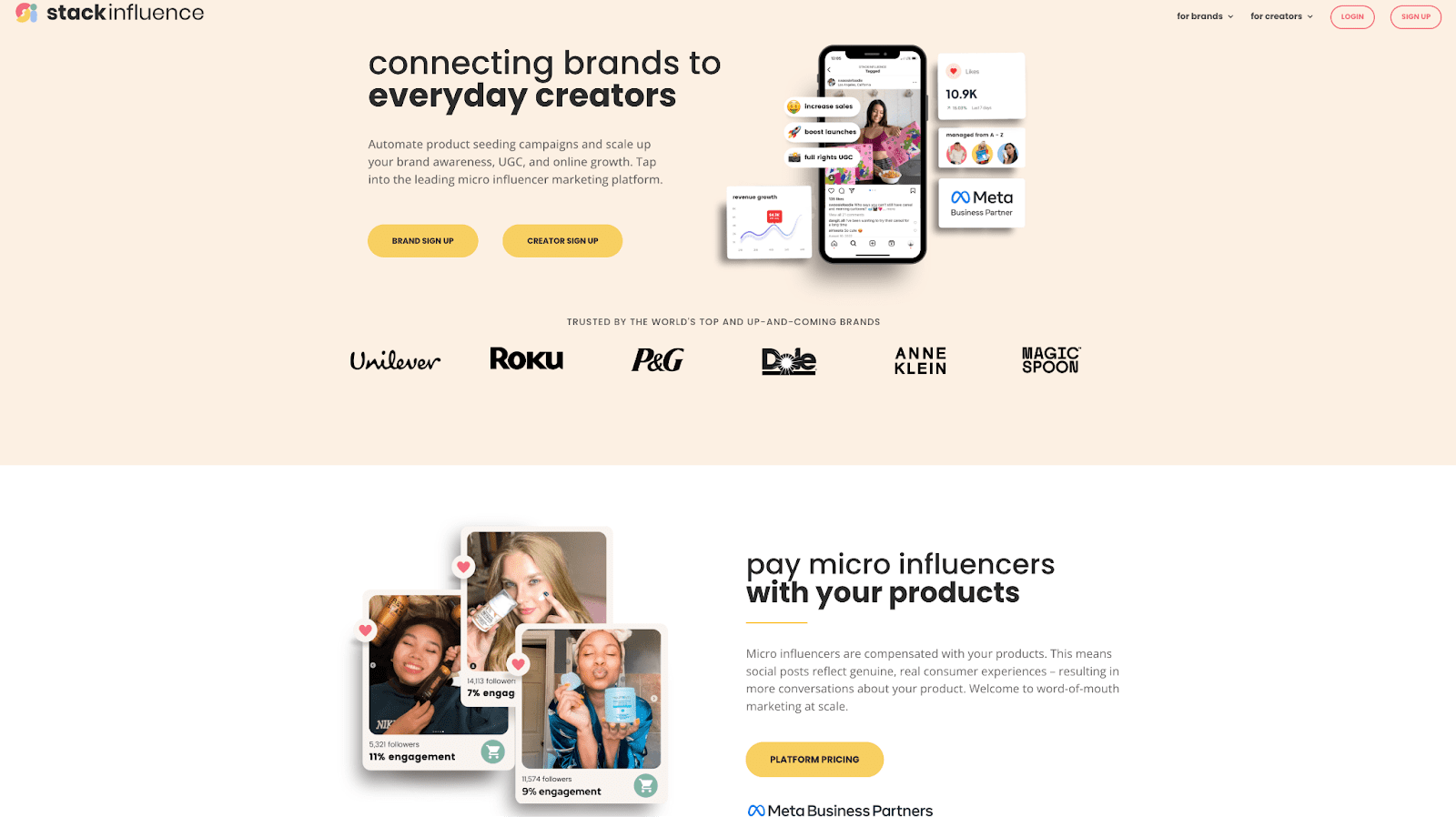
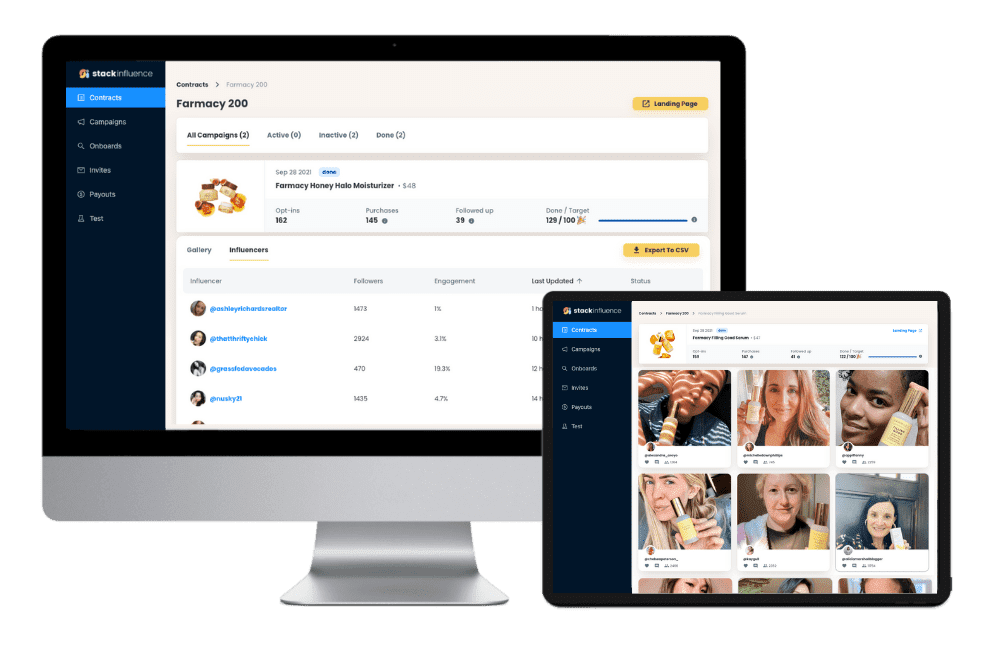
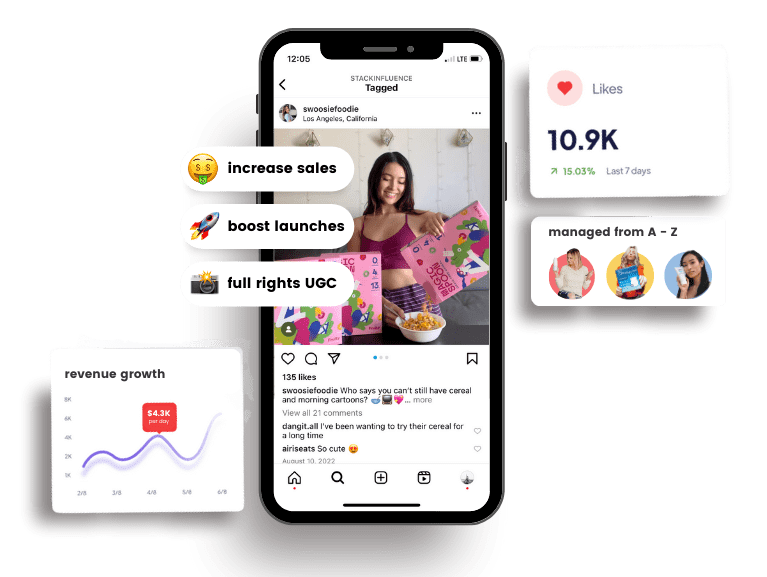
Stack Influence is not a traditional content mapping software – it’s a leading micro influencer marketing platform – but it’s first on our list because of its unique role in the content mix. For e-commerce brands and Amazon sellers, Stack Influence helps you source and manage authentic UGC from armies of micro-influencers. How does this tie into content mapping? Simple: as you map out content for each stage, you’ll likely include influencer touchpoints (like unboxing videos at awareness or testimonial posts at consideration). Stack Influence automates the hard part of finding and coordinating with those influencers at scale. You can run campaigns with hundreds of influencers who create product photos, videos, and reviews tailored to your target audience. By plugging Stack Influence into your content map, you ensure a steady stream of real customer voice content. This boosts authenticity and trust – remember that peer content is highly trusted by consumers. Differentiator: Unlike generic marketing tools, Stack Influence focuses on product seeding campaigns with micro influencers, making it ideal for brands that want lots of UGC to fill their content calendars. It’s essentially your pipeline for fresh, relevant influencer content that you can map into blog posts, product pages, social media, and beyond. (Pro tip:) Use Stack Influence to gather influencer content early, then distribute those assets across your mapped buyer journey (for example, include an influencer’s tutorial video in your email nurturing sequence for mid-funnel prospects).
2. Google Docs
Sometimes the best tools are the ones you already use daily. Google Docs (and Google Sheets) provide a flexible canvas for building your content map. Many marketers start their content mapping with a basic spreadsheet template – listing personas down one axis and buyer journey stages across the other, then filling in content ideas for each cell. Google Docs/Sheets let you do exactly that in a shareable format. You can create a content map document or grid and invite team members to contribute in real time. For example, your SEO specialist can fill in blog topics for the awareness stage while your sales lead adds ideas for decision-stage case studies – all in the same doc. Google Docs also allows inserting comments, using suggested edits, and even drawing diagrams if needed. The big advantage here is accessibility: it’s free and everyone knows how to use it, which lowers the barrier to getting your content map out of your head and onto “paper.” Additionally, you can link out to content resources or insert charts if you’re tracking content metrics. It’s not flashy, but Google Docs is a reliable workhorse for organizing your content plans. (Tip: Google offers ready-made templates for marketing plans; you can adapt these as a starting point for your content map.)
3. Lucidchart
If you’re a visual thinker, Lucidchart is a fantastic tool to map content in flowchart form. Lucidchart is an intelligent diagramming application that lets you create flowcharts, mind maps, and concept diagrams with ease. For content mapping, you can sketch out the buyer’s journey as a flow (e.g. boxes for Awareness, Consideration, Decision stages) and then visually connect which content leads the customer from one stage to the next. For example, you might draw a box labeled “Instagram giveaway post (Awareness)” with an arrow leading to “Email sign-up offer (Consideration)” and then to “Promo code email (Decision).” This visual content map helps you and your team literally see the customer’s path and ensure it makes logical sense. Lucidchart is also great for mapping buyer personas or content ecosystems – you can create separate diagrams for different personas or product lines. It even supports collaborative editing, so multiple team members can build the map together during a brainstorming session. Many marketers use Lucidchart to map complex campaigns or multi-channel funnels because it handles decision points and branches elegantly. With drag-and-drop shapes and connectors, you don’t have to be a designer to create a clear content flowchart. Bonus: You can export Lucidchart diagrams to include in presentations, which is handy when you need to explain your content plan to stakeholders. In short, Lucidchart turns your content map into an easy-to-digest visual guide for everyone involved.
4. Airtable
Airtable is a versatile tool that’s part spreadsheet, part database, and part project management platform. For content mapping, Airtable shines as an interactive content calendar and tracker. It offers content calendar templates (including ones specifically for marketing) where you can list each content piece alongside attributes like target persona, funnel stage, publish date, content type, owner, etc. The power of Airtable is in its filtering and view capabilities: you can filter your content list to show, say, only content for the “Awareness” stage, or only content targeting “Persona A”. This is incredibly useful for a content map, as it lets you slice and dice your planned content by stage or audience to ensure balance. For example, you might create a Kanban view grouped by buyer’s journey stage – quickly revealing if one column (stage) looks sparse compared to others. Airtable also enables you to attach files (drafts, images), check off status, and even assign tasks to team members, blending content mapping with workflow management. Another plus: integration. Airtable can integrate with other apps (email marketing, social schedulers, etc.), so when it’s time to push content live, your content map in Airtable can tie into execution. Teams often use Airtable to centralize all content ideas, from blog topics to influencer collaborations, in one place. With real-time collaboration and cloud access, everyone stays on the same page. In summary, Airtable helps you organize and oversee your content map like a pro, ensuring nothing slips through the cracks.
5. Trello
Trello is a popular project management tool that uses Kanban boards (think of a bulletin board with sticky notes in columns). While Trello isn’t a content mapping tool per se, it’s excellent for managing the workflow of your content map. You can create a Trello board for your content plan with columns such as “Ideas/To Map,” “To Create – Awareness Stage,” “To Create – Consideration Stage,” “In Production,” “Scheduled/Published,” etc. By doing this, Trello gives life to your content map: each card on the board represents a content piece (with labels or tags for persona and stage), and you move the card through the content pipeline as it gets created and published. This visual approach ensures your mapped content actually gets delivered. It’s also a collaborative hub – each Trello card can contain the content brief, responsible team member, due date, and checklist (for tasks like write, design, approve, publish). Trello’s automation (Butler) can even be set up to notify people or move cards when certain conditions are met (for example, when a card is marked “Approved,” it could auto-move to the Scheduled column). Many content teams find Trello intuitive because it mirrors a familiar whiteboard and sticky note process. In the context of content mapping, Trello helps you brainstorm and capture content ideas aligned to different stages (with separate lists or color codes by stage). You might have one list for each buyer journey stage and fill it with content ideas (cards). As you decide which to execute, you move them into an “Active Content” list and then through to completion. This way, Trello keeps your content map actionable and on schedule. It’s particularly useful for smaller teams or those that appreciate a highly visual task board.
6. Google Analytics
While Google Analytics (GA) might not create content, it provides the data that informs your content map. A key part of mapping content is knowing your audience’s behavior and preferences, and GA is invaluable here. Using Google Analytics, you can dive into the Audience reports to learn your website visitors’ demographics, interests, and behaviors. For instance, GA can tell you the age, location, and even interest categories of people visiting your product pages – insights that feed into your buyer personas. It can also reveal which channels bring in new visitors (awareness stage) versus which pages convert users (decision stage). When building your content map, use GA data to answer questions like: What topics is my audience already engaging with? Which blog posts have high time-on-page (signaling strong interest)? What content paths lead to conversions? Additionally, GA’s Behavior Flow report can visualize how users navigate through your site content – effectively showing a content journey. Once your content map is in action, Google Analytics helps monitor if it’s working. For example, if you mapped a series of educational blog posts for awareness, GA will show you if those posts are indeed drawing new traffic and leading people to further pages. If you set up goals in GA (such as email signups or purchases), you can attribute conversions to the content pieces and stages that influenced them. In summary, Google Analytics is the insight engine behind a smart content map: use it to identify what content your audience wants, and later to measure and refine your mapped content strategy.
7. Social Media Audience Insights (Instagram, Facebook, TikTok)
Understanding your audience is crucial for effective content mapping, and that extends to social media platforms. Facebook Audience Insights (now largely integrated into Meta’s Business Suite) and Instagram Insights, as well as TikTok Analytics for Pro accounts, are powerful free tools to learn about your followers and target customers on those channels. By leveraging these social insights, you can better segment your audience and tailor content for them in your map. For example, Facebook’s insights can reveal your audience’s age ranges, gender split, locations, and even interests and online behavior of people who like your page. This can validate or enhance your buyer personas (maybe you discover a surprising interest that many of your followers share, which you can reference in content). Instagram Insights shows you when your followers are most active and which content formats they engage with most (e.g. Reels vs Stories), which is golden information for planning platform-specific content in your map. If your content map calls for an influencer marketing push on Instagram at the awareness stage, you’d want to schedule posts when followers are online and focus on formats they engage with. TikTok’s analytics (for content creators or business accounts) similarly provide data on follower activity times and top territories, plus which of your videos got the most views and why (e.g. trending sounds). All these insights help ensure that the content you map out for social channels resonates and reaches people effectively. In practice, you might use social audience insights to decide: Should my awareness content be a TikTok challenge or a series of Instagram carousel posts? If your target is Gen Z, TikTok data might show high engagement on short, humorous videos – informing your content plan. Bottom line: Social media audience tools inform the who/what/when of your social content, making your content map more precise and your influencer collaborations more impactful.
8. SurveyMonkey (and Other Survey Tools)
Sometimes the best way to know what content your audience needs is to ask them directly. SurveyMonkey is a popular online survey tool that allows you to gather feedback, preferences, and ideas from your target audience or customers. When mapping content, surveys can help identify common questions, pain points, or topics of interest for each stage of the journey. For example, you might send out a survey to your email list asking, “What information did you wish you had before buying [Product]?” The answers could reveal content you need to add to your map (such as a comparison guide or how-to video in the consideration phase). Or you could poll your social media followers about what problems they’re trying to solve – their responses directly inform awareness-stage content. SurveyMonkey (and alternatives like Google Forms or Typeform) makes this process easy with templates and analysis tools. You can create separate questionnaires for different personas too. Use case: An Amazon seller might survey customers right after purchase to ask how they heard about the product and what convinced them. If many cite “saw an unboxing on YouTube,” that’s a clue to map more influencer unboxing videos into awareness. If others say “wanted to see it compared to alternatives,” you know to create comparison content for consideration stage. Survey tools also help test content ideas – you can float concepts or titles and have your audience vote on what interests them. The real-time feedback ensures your content map is grounded in actual customer needs, not just assumptions. Plus, SurveyMonkey’s analysis can segment responses by demographics, giving deeper insight for persona-based mapping. After deploying content, surveys can again be used (feedback loop) to see if content answered customer questions or if gaps remain. In short, SurveyMonkey is like having an ongoing conversation with your audience that guides your content mapping to be customer-centric.
9. Google Search Console
Any robust content strategy will consider SEO, and Google Search Console (GSC) is the go-to tool for understanding how your content performs in organic search. In content mapping, there’s an important practice called keyword mapping – assigning target keywords to specific pages or content pieces so that you cover all relevant search queries without cannibalizing yourself. GSC helps by showing which queries are bringing people to your site and which pages Google is ranking for those queries. When you build your content map, you can use Search Console to ensure each stage of the funnel has content optimized for the queries users at that stage might search. For example, awareness-stage users might search broad “how to” or “best ways to ____” queries, whereas decision-stage users search for specific product names or “Brand A vs Brand B” comparisons. GSC’s Performance report lets you filter queries by intent and see if you have content matching them. If not, that’s a gap to fill on your map. Additionally, GSC reveals your site’s top-performing pages and their keywords – you might discover content ideas from what people are already finding you with. Say your blog post on “DIY product hacks” is getting impressions; you might expand that into a guide or video series mapped to the appropriate stage. GSC also flags issues (like mobile usability or page errors) that, if unresolved, could hurt your content’s performance with your audience. In terms of audience targeting, Search Console can show which countries or devices most of your searches come from, informing your content format (e.g. if many use mobile, ensure your content is mobile-friendly – maybe more short videos or concise copy). And let’s not forget: GSC allows you to submit sitemaps, helping Google crawl your content – useful after you implement a bunch of new mapped content pages. Overall, integrating Google Search Console data into your content mapping process ensures your plan aligns with real search behavior and that each piece of content is set up to reach your audience via search engines.
10. Semrush
Rounding out our list is Semrush, a powerful SEO and content marketing suite. Semrush can greatly assist in the early stages of content mapping by identifying what topics and keywords your target audience is searching for at each stage of their journey. Using the Keyword Magic Tool, you can enter broad terms related to your product or niche and discover hundreds of related queries, questions, and subtopics. These can be sorted by intent (informational vs. transactional) to slot into your funnel stages – for example, informational “how do I ___” keywords map to awareness content, whereas comparison or “price” keywords map to consideration/decision content. What makes Semrush especially useful is its Content Gap analysis: you can input your website and a competitor’s to see keywords they rank for that you don’t. This reveals content opportunities that your content map might be missing. If a competitor has a popular “Ultimate Guide to ___” and you don’t, you might want to add a similar top-of-funnel piece to your map. Semrush also provides Topic Research tools that generate content ideas and headlines based on what’s trending or performing well in your industry. This helps ensure your content map covers timely, engaging topics (perhaps integrating UGC trends or platform-specific content like a TikTok challenge idea). Additionally, Semrush’s SEO Content Template can guide how to optimize a piece for a target keyword – useful when you’re ready to execute on a content item from your map. It even suggests content length, readability, and semantically related words to include, based on top results, which can improve your content’s success. Finally, Semrush allows you to track rankings for your content. As you publish mapped content, you can monitor how it climbs in search results for its target keywords – closing the feedback loop and helping you refine your content mapping (e.g. maybe you need additional supporting content or internal links if something isn’t ranking as expected). All in all, Semrush is like a compass that ensures your content map is oriented correctly toward what your audience is actively seeking online, giving you an edge over competitors.
How to Create a Content Map (Step-by-Step)
Ready to build your own content map? Follow these steps to map out an effective content strategy tailored to your audience. By taking a systematic approach, you’ll ensure nothing is overlooked and that every piece of content has a purpose.
1. Define Your Content Marketing Goals and Purpose – Start with the big-picture why. Clarify the main purpose of your content efforts and how they align with your business goals. Are you aiming to drive brand awareness? Increase online sales by 20%? Grow an email list? Having clear goals will guide the entire mapping process. For example, an Amazon seller might set a goal to improve product page conversion rate – the content map then might focus on adding more persuasive UGC and FAQs to nurture purchase decisions. Also consider what value you want to provide to customers (education, inspiration, proof, etc.). Defining the purpose ensures your content map stays focused on outcomes that matter.
2. Know Your Target Audience (and Build Personas) – You can’t map content effectively without understanding who you’re speaking to. Gather data on your target audience through research and analytics. Look at demographics (age, gender, location), psychographics (interests, values), and behaviors (e.g. do they shop on mobile? active on Instagram?). Use tools like Google Analytics and social media insights to extract this info. Often, you’ll segment your audience into buyer personas – semi-fictional profiles representing key customer groups. For instance, you might have “Eco-minded Emma” who cares about sustainability and “Bargain Hunter Bob” who cares about price. Flesh out what each persona’s goals, pain points, and typical buyer behavior are. This step might involve talking to real customers, surveying your audience (using tools like SurveyMonkey), or analyzing customer reviews/comments for recurring themes. The result should be 2-5 detailed personas that will serve as the anchors for your content map. Tip: Give each persona a name and a short story so they feel real to your team.
3. Outline the Customer Journey Stages – Next, map out the buyer’s journey for your product or service. Typically, this includes stages such as Awareness (the customer realizes they have a problem or need), Consideration (they actively research solutions or compare options), Decision (they are ready to buy and just need that final nudge), and sometimes Retention/Loyalty (post-purchase engagement). For each stage, put yourself in the customer’s shoes and list their mindset and key questions. For example, in Awareness: “What is my problem? What solutions exist?”; in Consideration: “Is this product right for me? How does it compare to others? What do others say about it?”; in Decision: “What’s the cost? Is there proof this works? Can I trust this brand?”. This exercise ensures you understand the information needs at each stage. It can help to use a simple table – stages on one axis and questions/needs on the other. Remember that with influencer marketing in play, a customer’s journey might involve touchpoints like seeing an influencer’s post (awareness), then visiting your site (consideration), etc., so consider those influences in the journey outline as well.
4. Audit Your Existing Content – Before creating new content, evaluate what you already have. Conduct a content audit by listing all existing content assets: blog posts, videos, webinars, whitepapers, case studies, social media content, product pages, reviews, etc. For each, note which persona(s) it speaks to and which stage of the journey it fits. You might be surprised – content often can serve a different stage than originally intended when repurposed or reframed. For example, a general blog post about “10 Benefits of XYZ” could be great awareness content, whereas a customer testimonial video is decision-stage gold. Also assess each content piece’s performance (views, engagement, conversion) if data is available – this highlights what’s working. The goal here is to map your current content to the journey and see where it stands. You’ll likely find some stages are rich with content while others are thin. Also identify outdated or off-target content that doesn’t fit any more (this might be pruned or reworked). By the end of the audit, you should have a clear picture of content coverage and quality across stages and personas.
5. Identify Gaps and Opportunities – Now, compare your audience’s needs (step 3) against your existing content (step 4). Any need/question that isn’t adequately answered by current content is a gap – and an opportunity for new content. For instance, you might realize you have no content addressing a common customer concern that came up in your research (e.g. a tech company finds a gap: “no article explaining how our solution integrates with other tools” for the consideration stage). List out all these gaps for each persona and stage. Additionally, look for opportunities to better meet needs: maybe you have a text FAQ for a question, but an infographic or short video would deliver the answer more effectively – that’s an opportunity to enhance content. Prioritize the gaps based on impact; which missing content, if created, would most likely move the needle? Perhaps you lack social proof at decision stage – plugging that gap with influencer testimonials or case studies might be high priority because it directly affects conversion. This step is crucial because it defines your content map’s to-do list. Essentially, you are sketching the roadmap of content to create or repurpose so that every important customer question at every stage has a stellar piece of content addressing it.
6. Brainstorm and Map New Content Ideas – With your gap list in hand, start ideating the specific content pieces that will fill those gaps and engage your personas. For each gap or need, brainstorm what format and angle would work best. In this phase, involve your team (and even sales or customer support colleagues) to pitch ideas – multiple perspectives enrich content ideas. For example, if a gap is “awareness content for eco-minded shoppers,” ideas might include an infographic on industry environmental stats, a blog post “Beginner’s Guide to Eco-Friendly [Product] Choices,” or a collaboration with a green lifestyle micro-influencer for a YouTube video. List potential topics, titles, and content types for every stage of each persona’s journey. It helps to group ideas by main topics (pillar themes) and subtopics (supporting pieces), known as topic clusters. Don’t forget to perform keyword research here: use tools like Semrush or Google’s Keyword Planner to find popular search queries related to your topics, ensuring the ideas have SEO value. Jot down primary keywords for each content idea – this will guide content creation and also serve to avoid overlap. Once you have a solid list of new content ideas, plot them onto your content map framework. This could mean placing each idea into the persona-stage grid you created, essentially drafting your future content map. At this point, every cell in the grid (each persona at each stage) should have at least one content piece (existing or planned) associated with it. This visualization confirms that your content plan will cover the full journey.
7. Build an Editorial Calendar and Workflow – A content map is only as good as its execution. The final step is to turn the mapped content into a manageable schedule and process. Create an editorial calendar that outlines when and where each content piece will be published, and who is responsible. You might schedule content rollout over weeks or quarters – for example, “Q1: publish 3 awareness blogs, 2 consideration case studies, 1 decision-stage webinar.” Mark key dates (like product launches or holidays) that might affect content timing. Each content item should have a tentative publish date, assigned content creator, and distribution plan (which channels will you promote it on – e.g. email, LinkedIn, Instagram, etc.). Using tools like Airtable or Trello (from our list above) can help keep this organized. Also, incorporate CTAs and cross-links in your planning: decide how a prospect will move from one piece of content to the next. For instance, a blog post (awareness) might have a CTA to download a buyer’s guide (consideration), which then emails them a case study (decision). Map those connections so your content works as a cohesive funnel. Lastly, set up a mechanism to monitor progress and results. Plan to track KPIs like website traffic, engagement, and conversion rates for the new content. Schedule periodic reviews (monthly or quarterly) to evaluate what’s working and adjust the content map as needed. Remember, content mapping is iterative – as you learn more about your customers or market, you’ll refine the map. Having an editorial calendar keeps you on track, while continuous monitoring closes the loop, ensuring your content map delivers on its promise of guiding customers smoothly from first touch to loyal repeat purchase.
By following these steps, you’ll create a living content map that serves as a strategic compass for all your content marketing and influencer campaigns. Each step builds on the last – from knowing your audience to scheduling the content – so you end up with a clear plan to offer the right content at the right time for every potential customer.
Unlock the Power of Micro Influencers and Elevate your Brand Today!
Conclusion to Content Mapping Tools 2026
There’s no magic wand in marketing, but content mapping comes close. By diligently aligning content with your customers’ needs and journey, you transform your marketing from a shot in the dark to a guided tour that leads buyers straight to conversion. Instead of overwhelming your audience or leaving them under-informed, you’ll be delivering exactly what they need—be it a helpful blog post, a persuasive micro-influencer testimonial, or an engaging product demo—when they need it. The end result? A more streamlined customer experience that builds trust, boosts engagement, and ultimately drives more sales for your e-commerce business.
As we’ve explored, you don’t have to do this alone or from scratch. Modern content mapping tools and platforms make the process manageable, even automatable. From using Google’s free tools to plan and measure, to tapping Stack Influence’s network of micro-influencers to generate authentic UGC at scale, you have an entire arsenal to execute your content map. The key is to start with a clear strategy (your map) and then consistently follow through and refine it.
For Amazon sellers and e-commerce brands, the opportunity is huge. Many sellers still rely on generic content or ads; by contrast, your brand will stand out by offering a coherent narrative and valuable content throughout the buyer’s journey. Imagine a potential customer encountering your product via an engaging TikTok from a micro-influencer, finding answers to their questions on your blog and YouTube channel, and seeing glowing customer reviews and unboxing videos right on your product page. By the time they’re ready to buy, they feel confident and eager — and it’s your content map that made that happen.
Now it’s your turn to put this into action. Take the insights and steps from this guide and start mapping out your own content strategy. Begin with one persona or one product line if that’s easier, and build from there. The sooner you start, the sooner you’ll see the benefits in more efficient marketing and happier customers. In 2026, content mapping isn’t just an advanced tactic – it’s a foundational practice for successful content and influencer marketing. Chart your course now, and you’ll be set to navigate the year ahead with clarity and confidence.
Ready to supercharge your content strategy? Map your content, enlist the right tools, and consider leveraging micro-influencers to amplify your reach. A well-crafted content map paired with authentic influencer-driven content can become a growth engine for your brand. Don’t leave your customer journey to chance – plan it, map it, and watch the ROI roll in.

By William Gasner
CMO at Stack Influence
William Gasner is the CMO of Stack Influence, he’s a 6X founder, a 7-Figure eCommerce seller, and has been featured in leading publications like Forbes, Business Insider, and Wired for his thoughts on the influencer marketing and eCommerce industries.
Want new articles before they get published? Subscribe to our Awesome Newsletter.
stack up your influence
turning creativity into currency
our headquarters
111 NE 1st St, Miami, FL 33132
our contact info
[email protected]
stack up your influence
turning creativity into currency
our headquarters
111 NE 1st St, 8th Floor
Miami, FL 33132
our contact info



© 2026 Stack Influence Inc
© 2025 Stack Influence Inc
The post Content Mapping Tools 2026: How to Plan Influencer Content appeared first on Stack Influence.
