





Key Takeaways
- Optimize warehouse efficiency and reduce costs by adopting modern plastic bulk container designs.
- Implement specific container features like collapsibility, reinforced structures, and ventilation to suit different storage needs.
- Improve warehouse safety and workflow by choosing containers designed with worker ergonomics in mind.
- Explore how innovative features like fold-down sides and tech integration are changing warehouse storage possibilities.
Warehouse storage has come a long way from the days of clunky crates and rickety wood pallets.
Take a look at how design innovations are reshaping how bulk containers work and why those changes might be exactly what your warehouse needs.
Fold It, Stack It, Store It
Space is always in short supply, which is why collapsible container designs have become a game changer. Modern plastic bulk containers are often designed to fold down when not in use, taking up significantly less room than their rigid predecessors.
This benefit is especially useful in seasonal warehouses or operations with shifting inventory cycles. Need them when volume spikes? Fold them flat and tuck them away when things slow down. It’s storage that works with your space instead of fighting against it.
Collapsible containers also make return logistics more affordable. Once the goods are delivered and containers emptied, folding them down for shipment back to the warehouse saves both space and money.
Reinforced Without the Bulk
Container designers have figured out how to make units stronger without making them heavier. That means reinforced bases, corner supports, and sidewalls that handle heavier loads — without adding excess plastic.
This matters when you’re stacking containers, loading them into trucks, or relying on them for automated handling systems. The added strength reduces the risk of structural failure while still keeping things easy to maneuver.
The shift toward structural integrity over sheer size is significant for companies scaling fast. You need containers that can take a beating but won’t become a burden on your workforce or your floor space.
Better Ventilation and Drainage
Not everything in a warehouse is dry and neatly packaged. Ventilation and sanitation are critical in industries like food, agriculture, and pharmaceuticals.
New designs now include vented side panels and drainage systems. This promotes airflow, keeps perishable goods in better condition, and simplifies cleaning after use. It also prevents moisture buildup, which can shorten the lifespan of the container and damage inventory.
Design features like these mean plastic bulk containers can now support more specialized functions without needing an entirely different product line.
Designed With Humans in Mind
The people moving these containers around all day? They’re part of the equation too. Ergonomics now plays a key role in container design.
Rounded edges, integrated hand grips, and side access panels make loading and unloading faster and safer. Some containers even have trap doors or slide panels to give workers quicker access to contents without unstacking units.
All of this translates into fewer injuries, faster workflows, and less fatigue on your team. And in a busy warehouse, those small savings add up fast.
Smarter Containers Through Tech
Yes, even containers are getting a digital upgrade. With many warehouses now relying on automation and real-time inventory tracking, container compatibility with RFID tags or embedded tracking chips is becoming a major asset.
This allows you to monitor container movement across the warehouse or between sites, simplify audits, and reduce the chances of lost goods. It’s a simple way to tighten control without adding complexity to operations with multiple departments or distribution centers.
It’s not just about storing things anymore — it’s about knowing where they are, how they’re used, and when they need to be rotated or replaced.
Made to Match Your Workflow
Customization used to be something only large corporations could afford. Now, plastic bulk containers can be tailored to fit your exact needs without breaking the budget.
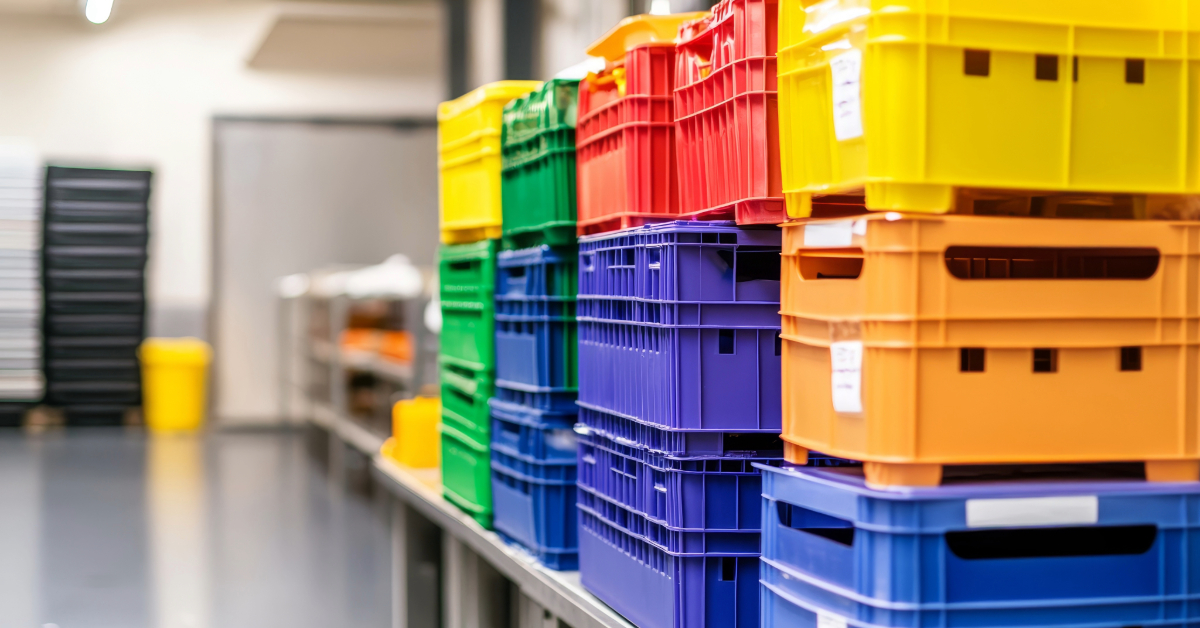
Want a custom size? Need color coding for specific departments? How about internal dividers for kitting? It’s all possible. These custom touches keep your team better organized and reduce time wasted searching for the right product or part.
Having the ability to shop containers that match your workflow saves time on the floor and adds a layer of visual management that improves efficiency across the board.
Tomorrow’s Storage, Today
Today’s warehouse operations demand more from every piece of equipment, including your storage containers. Modern plastic bulk containers are designed to deliver durability, flexibility, and innovative features that help your business run leaner and faster.
If you’re ready to upgrade your warehouse with advanced containers built for real-world demands, Container Exchanger offers a wide range of innovative plastic bulk container options that meet the needs of modern logistics while saving space, time, and money.
Frequently Asked Questions
What are modern plastic bulk containers designed to do differently?
Modern plastic bulk containers are engineered not just for storage, but also for efficiency, strength, and integration into today’s fast-paced warehouse operations. They incorporate design features focused on saving space, improving handling, protecting contents better, and working with tracking technologies.
How do collapsible plastic containers save warehouse space?
These containers are designed to fold down flat when they are empty. This drastically reduces the amount of floor space they occupy compared to rigid containers, which is very useful when storage space is limited or inventory levels fluctuate.
Can stronger containers still be lightweight and easy to handle?
Yes, current designs use engineering principles to add strength through reinforced bases, corners, and sidewalls without significantly increasing the overall weight. This ensures they can handle heavy loads and stacking stress while remaining relatively easy for workers or automated systems to maneuver.
Why is ventilation important in some plastic bulk container designs?
For industries like agriculture or food processing, proper airflow is needed to preserve perishable goods and prevent spoilage. Vented sides allow air circulation, while drainage features help remove moisture, keeping contents in better condition and making cleaning easier.
How do newer container designs consider worker safety and ease of use?
Designers incorporate ergonomic features such as rounded edges to prevent cuts, built-in hand grips for easier lifting, and sometimes access doors or panels. These features make handling containers less physically demanding and reduce the risk of workplace injuries.
Can these plastic containers be tracked electronically within a warehouse?
Many modern plastic bulk containers are designed to be compatible with tracking technologies like RFID tags or embedded chips. This allows warehouses to monitor container location and movement in real-time, improving inventory management and reducing loss.
Is it possible to get plastic bulk containers made for specific warehouse needs?
Yes, customization options are becoming more accessible. Businesses can often request specific container dimensions, colors for organizational coding, or internal dividers to suit their unique products, workflows, or kitting processes.
How do collapsible containers impact return shipping costs?
When empty containers need to be shipped back to a distribution center or supplier, collapsible ones take up much less space on trucks. This means more containers can fit per shipment, significantly reducing transportation costs compared to shipping empty rigid containers.
What is the main advantage of reinforced container bases and corners?
Reinforced structures increase the container’s durability and load-bearing capacity, especially when stacked. This prevents containers from buckling or breaking under weight, protecting the goods inside and ensuring safer storage and transport, particularly in automated systems.
How do features like side access panels improve warehouse efficiency?
Side access panels or trap doors allow workers to retrieve items from a container without needing to unstack it completely. This saves considerable time and effort in busy environments where quick access to specific goods is necessary, speeding up order picking or assembly tasks.
