





Key Takeaways
- Gain a competitive edge by keeping promises, which starts with matching your delivery speed offers to your actual warehouse location and carrier capacity.
- Audit your current packing rules and box sizes to reduce wasted space, which lowers unexpected shipping costs from dimensional weight charges.
- Treat product returns as a structured process, not a shock, by setting clear return outcomes that save time and reduce stress for both your team and your customers.
- Remember that distribution is like your operating system; when it works, you don’t notice it, but when it fails, everything slows down and can kill steady growth.
You can have a great product, clean branding, and strong ads.
Yet one late delivery can still ruin the moment. That’s because your customer doesn’t experience your operation. They experience the outcome.
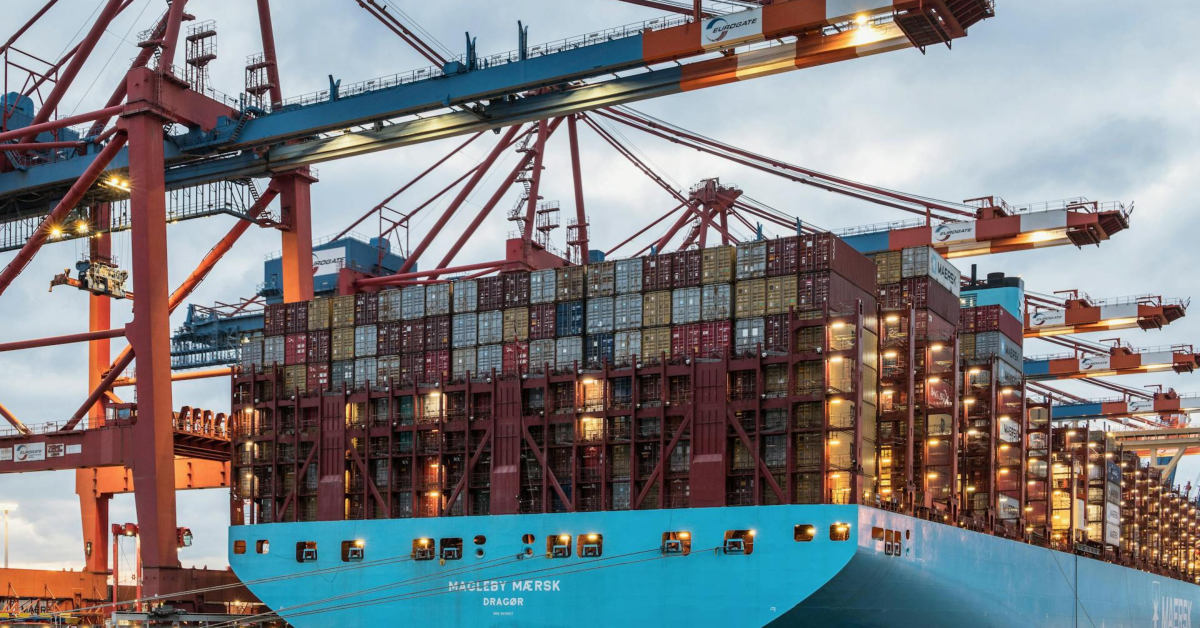
Distribution is how you turn inventory into a delivered order. It shapes speed, cost, and trust. When it runs well, growth feels steady. When it breaks, you get stockouts, late shipments, and a support queue that never ends.
This guide breaks down how products move from sourcing to delivery, where breakdowns usually happen, and what to fix first. You’ll also see how to build a distribution setup that stays steady when demand ramps up.
E-Commerce value chain map
In practice, e-commerce follows a simple flow. You source products, move inventory inbound, store it, fulfill orders, ship, deliver, handle returns, and improve over time.
Distribution touches every stage. That’s why one weak link can undo several smart decisions. A polished product page won’t fix a missing item, and a discount won’t rescue a package that never arrives.
This is where supply chain management becomes personal. Small upstream delays don’t stay small. They quickly show up as late deliveries, backorders, and support tickets.
Think of distribution as your operating system. You don’t notice it when it works. When it fails, everything slows down, and no one is happy.
Customer promise and service levels
Everything starts with the promise you make to shoppers. That promise sets the bar for inventory placement, labor planning, packaging, and carrier choice.
If you offer two-day delivery, inventory needs to sit close to buyers and move fast through fulfillment. If you offer free returns, you need a reverse flow that protects margins instead of draining them.
Spell out service levels in plain language. Next, decide how quickly you ship after purchase, which delivery speeds you offer by region, where daily cut-off times fall, and what “in stock” truly means on your site.
Then keep the promise realistic. A common mistake is offering the same delivery speed everywhere, which sounds confident but breaks down when you ship coast to coast from one warehouse.
Match promises to zones and capacity instead. Offer faster delivery where your network can support it, and standard shipping where speed becomes expensive.
Plan for peaks as well. Peak season isn’t a surprise guest. It arrives every year and still expects you to be ready.
Upstream distribution and inbound flow
Upstream covers everything that happens before products are ready to sell, from sourcing to bringing inventory into your warehouse. Problems that start here tend to surface later. Late arrivals leave shelves empty, disorganized deliveries slow receiving, and missing labels turn what should be routine work into a cleanup.
These issues often trace back to sourcing and delivery choices. Most e-commerce businesses rely on one of three approaches.
- Direct sourcing from many vendors: This approach offers flexibility and pricing options, but it adds complexity. Lead times vary, packaging differs, and compliance issues become more common.
- Shipment consolidation before your warehouse: Inbound arrives in a more organized way, which speeds up receiving and can lower freight costs. It does require tighter coordination.
- Distributor-based sourcing: The focus shifts to consistency. Managing fewer vendors makes product flow easier to plan and control.
Once sourcing is set, attention shifts to speed. Inventory needs to become sellable as quickly as possible.
Several logistical solutions help reduce friction. Clear labeling cuts errors, scheduled receiving keeps docks moving, truck wait times highlight delays, and fast-selling items move through without sitting on shelves.
Early-stage distribution work rarely gets attention, yet it’s one of the most controllable parts of distribution. When supplier performance varies or reordering feels constant, a B2B wholesale distributor like MinMaxDeals can bring more predictability without adding more vendors to manage.
Warehousing and inventory placement
Where you store inventory affects delivery speed and shipping costs. It also shapes how complex your operation becomes day to day.
Start by choosing a warehouse model that fits your size and order profile.
- Traditional fulfillment centers: These work well for broad catalogs and steady volume. They offer flexibility and leave room to add automation later.
- Micro-fulfillment and forward stocking: Inventory sits closer to customers, which can shorten delivery times and lower shipping costs. This setup works best for fast-moving items.
- Store-based fulfillment and dark stores: These can deliver speed in dense areas, but they demand strong inventory accuracy to avoid selling what isn’t actually available.
With the warehouse model set, decide how to place inventory across your network. Many brands start with a single location, which works early on. Add nodes only when the numbers support it, not when pressure forces a rushed move.
A simple placement approach is usually best. Keep fast movers near demand, centralize slower items, and avoid spreading limited stock too thin. Each new facility should earn its place by cutting delivery time or shipping cost enough to justify added complexity.
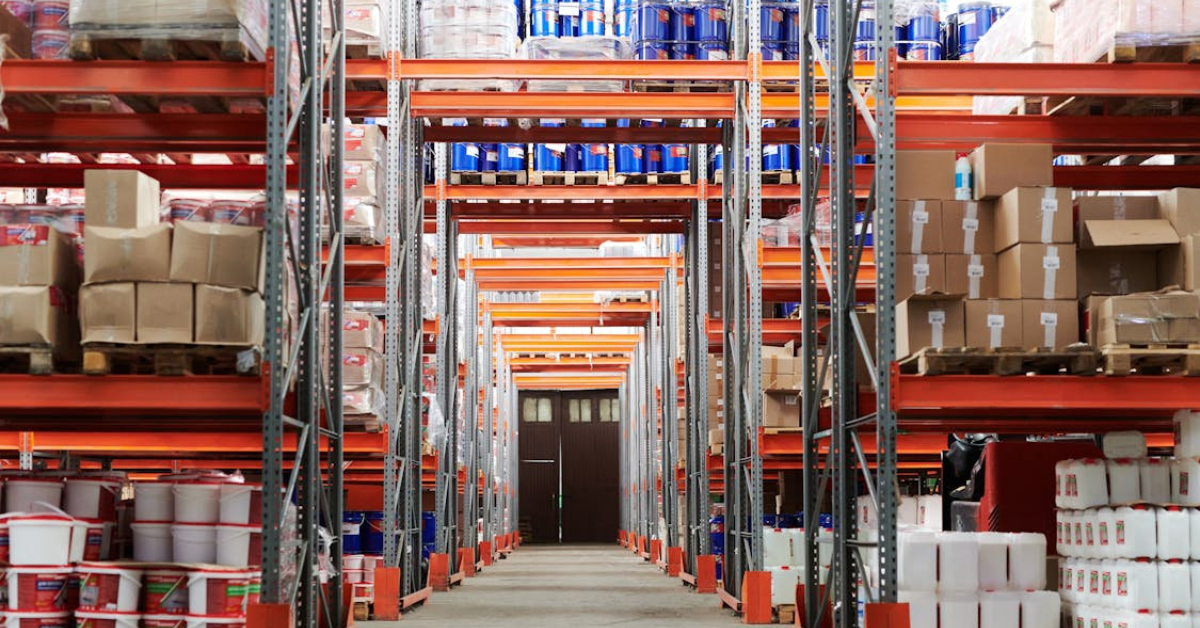
Inventory accuracy supports everything else. When systems show 12 units but you only have 8, the customer promise breaks, and support teams step in to smooth things over.
Regular cycle counts, clear bin discipline, and clean receiving practices do more for accuracy than most new tools ever will.
Fulfillment execution for pick, pack, and ship
Fulfillment is where plans meet reality. You need to ship the right item, in the right box, at the right time. Doing that daily is a craft.
Start with a picking method that matches your volume.
- Single order picking: Suits low order volume and simple workflows.
- Batch picking: Speeds picking when many orders share items.
- Zone picking: Works well in larger warehouses with defined areas.
- Wave picking: Coordinates picking with packing and carrier schedules.
Don’t copy a big retailer’s process if you ship a few hundred orders a day. That’s like buying a forklift to move a chair. Focus instead on packing, where costs tend to grow quietly. Right-size boxes to reduce dimensional charges, standardize packing rules to keep quality consistent, and use protective materials that actually do the job.
Plan for special handling as well. Bundles, kits, and subscriptions create exceptions, and exceptions slow everything down. Define clear kitting steps for bundles and build repeatable routines for subscriptions so the floor runs with fewer surprises.
Shipping carrier strategy and last-mile delivery
Shipping is where customers judge you, even when you did everything else right. It’s also where margins can disappear without warning.
First, match the shipment to the right mode.
- Parcel for most small packages
- Less-than-truckload (LTL) for heavier or bulky shipments
- Full truckload for large replenishment moves
For parcels, a multi-carrier approach often helps. One carrier is simpler. It’s also a single point of failure. Rate shopping and smart service selection can cut costs and improve delivery results by zone.
Watch dimensional weight, too. If you ship big boxes full of air, carriers will invoice you for the air. They’re very consistent about this.
Run a packaging audit to reduce empty space, update carton sizes, and tighten pack rules. Small changes like these can make a meaningful difference at scale.
Now choose last-mile options that fit your customer base.
- Home delivery with parcel carriers
- Pickup points to reduce failed deliveries
- Lockers for dense areas
- Local couriers for same-day in tight zones
Same-day can be useful. It can also be a margin trap. Offer it where demand density supports it and where you can execute reliably.
Reduce “Where is my order?” tickets with clear tracking updates and accurate delivery dates. Customers don’t want a mystery. They want a plan.
Returns reverse logistics and recovery
Product returns are part of e-commerce. Treat them like a designed process, not a recurring shock.
Your goal is a return experience that feels easy for the customer and controlled for you. That means clear rules, fast routing, and a decision path before the item even comes back.
Define return outcomes by product type and condition.
- Restock and resell
- Refurbish and resell
- Liquidate
- Recycle or dispose
Then grade returns consistently. If one person calls an item “like new” and another calls it “damaged,” your data becomes unreliable.
Watch for fraud, too. You don’t need aggressive policies. You do need guardrails for high-risk items. Serial tracking, photo checks for damage claims, and pattern monitoring can help.
Returns can hurt, but they can also become a recovery channel when resale or refurbishment makes sense.
Distribution technology and partner models
Technology should reduce chaos. If it creates more tabs, more exceptions, and more manual work, it’s not helping.
Most distribution stacks include:
- Order management system (OMS): For orders and routing.
- Warehouse management system (WMS): For warehouse work and inventory.
- Transportation management system (TMS): For shipping and transportation decisions.
What matters is visibility and fast exception handling. Prioritize inventory accuracy, routing logic you can trust, and alerts that surface issues early.
Integrations matter, too. Bad integrations create silent failures. Those are the worst kind because you find out only after customers do.
Now decide what to do in-house and what to outsource. A 3PL can help you scale faster, while an in-house solution gives you control. Hybrid models can balance both.
Strong vendor partnerships reduce surprises because you align on labeling, lead times, service expectations, and escalation steps when things go off plan.
Ask partners direct questions. What are cut-off times? How do they count inventory? How do they report exceptions? What happens during peak volume? These questions protect your promise.
Distribution KPIs and continuous improvement
If you don’t measure performance, decisions drift into guesswork. But you don’t need dozens of metrics. A focused set is enough to drive action and protect on-time service from warehouse release to final delivery.
Track these:
- On-time ship rate
- On-time delivery rate
- Order cycle time
- Fill rate and backorder rate
- Cost per order
- Return processing time
- Inventory accuracy
Then connect metrics to root causes. If shipping is late, why? Labor shortfall, inventory gaps, carrier pickup timing, or system issues all require different fixes. Fix the cause, not the symptom.
Run regular peak readiness reviews to check staffing, materials, carrier capacity, and fallback options. A backup plan isn’t dramatic. It’s a sign of maturity.
Continuous improvement doesn’t need to be complicated. Small changes, like a layout tweak, a carton adjustment, or a better cut-off rule, compound over time.
Frequently Asked Questions
What is a distribution solution in e-commerce?
It’s any process, partner, facility, or tool that helps you move products to customers and manage returns efficiently.
Should you use one warehouse or multiple warehouses?
Start with one if the volume is manageable. Add locations when it reduces delivery time and shipping cost, enough to justify the added complexity.
What is the biggest distribution mistake?
Overpromising delivery speed without the inventory placement and carrier performance to support it.
How do you lower shipping costs without slowing delivery?
Right-size packaging, use smart carrier selection, place fast movers closer to demand, and reduce exceptions that cause reships.
How do you speed up returns processing?
Set return rules in advance, route items quickly, and grade them consistently once they arrive.
Conclusion
Distribution is how you keep your promise. It shapes delivery speed, cost, and customer trust, and it often determines whether growth feels steady or chaotic.
Clear service levels set the foundation, and strong inbound flow keeps inventory moving with demand. Warehouse and inventory placement decisions should reflect how customers actually order, while consistent pick, pack, and ship processes support reliable execution. When shipping, last mile, and returns operate as connected systems and are guided by the right metrics, distribution becomes easier to manage and improve.
You don’t need to fix everything at once. Focus on the next bottleneck, address it, and move on. That’s how distribution shifts from a daily fire drill to a lasting advantage.
Author Bio: Stephen Ortiz is a content writer specializing in supply chain topics. He focuses on turning complex concepts into clear, practical guidance that helps growing businesses make better decisions.
