Key Takeaways
- Outpace competitors by choosing suppliers with warehouses in the US, EU, and Australia so customers get fast, local delivery instead of weeks of waiting.
- Evaluate any supplier with a simple checklist: regional shipping speed, fair pricing, real stock tracking, consistent product quality, and built-in store integrations for order automation.
- Reduce stress for you and your customers by picking suppliers that provide reliable tracking, fewer delays, and products that match the photos so refunds and angry emails drop.
- Reframe “high margins” as a trap if shipping is slow, because late packages and poor quality can wipe out profits through reviews, refunds, and lost trust.
The dropshipping game has changed completely over the past few years.
What used to be a wild west of entrepreneurs hawking cheap products from overseas has matured into something far more sophisticated. These days, success comes down to two things that really matter: how fast you can get products to customers, and whether those products are actually any good. If you’re targeting customers in the US, Europe, or Australia, working with local suppliers isn’t just smart—it’s practically essential.
The Hidden Costs Nobody Talks About
Here’s how it usually goes for new dropshippers. You discover products with crazy good margins from some supplier on the other side of the world. You build a slick-looking store, fire up some Facebook ads, and boom—orders start rolling in. For a minute there, you feel like you’ve cracked the code.
Then your inbox explodes.
“Where’s my order? It’s been three weeks.”
“The tracking number doesn’t even work.”
“This looks nothing like what I ordered.”
Before you know it, your store’s drowning in one-star reviews, your ad account’s on thin ice, and what seemed like a goldmine has turned into a customer service nightmare. Sure, those margins looked incredible on your spreadsheet. But nobody warned you about the refunds, the angry customers demanding replacements, and the reputation that’s now toast.
The business model isn’t broken—your supply chain is. Amazon Prime has trained customers to expect their stuff fast. When you promise to solve their problem but make them wait four weeks for a package that might not even show up, you’re not just losing that customer. You’re creating someone who’ll actively tell their friends to avoid you.
Why Three Regions Makes Everything Complicated
If you’re serious about selling to the US, EU, and Australia, you’ve got a puzzle to solve. These three markets couldn’t be more different. Americans want it fast and cheap. Europeans care about quality and sustainability. Australians are used to paying more but expect premium service in return.
Traditionally, covering all three regions meant juggling multiple suppliers, dealing with different product catalogs, and somehow managing fulfillment across different continents. Not exactly a recipe for keeping your sanity intact.
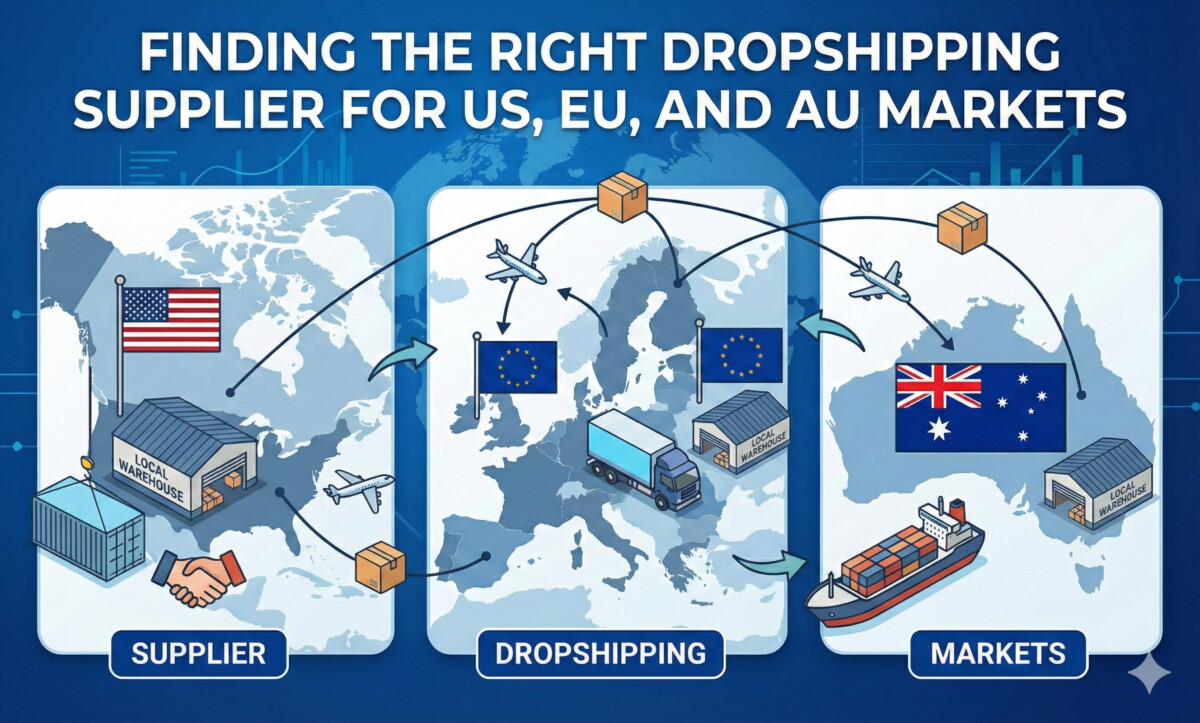
The dream scenario? One supplier with warehouses in all three regions. But let’s be real—that’s been about as common as a unicorn in the dropshipping world. Most suppliers either pick one region and stick with it, or they ship everything from one location. And there you are again, back to those painful shipping times that make customers furious.
Then there’s the whole product selection headache. The dropshipping space is insanely crowded right now. Standing out means finding products that aren’t already being sold by ten thousand other stores. You need suppliers who actually understand what’s trending, who can spot winning products before everyone else jumps on them, and who keep stuff in stock so you’re not constantly explaining to customers why their order is delayed.
What Actually Matters When Choosing a Supplier
Look, fast shipping is non-negotiable at this point. But it’s just the beginning. You need pricing that makes sense—margins that let you run profitable ads while keeping your products competitive. You need inventory systems that actually work, so you’re not accidentally selling stuff that’s been out of stock for three weeks. And you need quality control, because there’s nothing worse than customers receiving junk that looks nothing like your product photos.
But here’s what separates the stores that make it from the ones that don’t: product variety. When you can test different products quickly, pivot into new niches when something’s not working, and adapt as trends shift, you’ve got options. Get stuck with a narrow catalog, and you’re forced to fight in the bloodiest, most competitive niches where everyone’s racing to the bottom on price.
And please, for the love of everything, make sure your supplier offers proper automation. If you’re manually processing orders when you hit even modest sales volume, you’ll burn out fast. Integration with Shopify, WooCommerce, and the other major platforms isn’t some fancy bonus feature—it’s basic infrastructure for running an actual business.
A Dropshipping Supplier for Europe, USA, and Australia
This is where it makes sense to talk about dropXL, because they’ve built something that actually addresses these real-world problems instead of just checking boxes on a features list.
They’ve got warehouses in the US, EU, and Australia. When someone in Sydney orders from your store, their package ships from Australia—not China, not the US. Someone in Hamburg? Ships from within the EU. This isn’t just about speed, though that obviously matters. It’s also about avoiding customs headaches, having tracking that actually updates, and not losing packages in international shipping black holes.
What’s particularly interesting is their focus on specific, high-value niches. Instead of being yet another generic dropshipping platform, dropXL specializes in furniture, home and garden products, and home decor—categories that are notoriously difficult to dropship successfully. These are items customers actually care about seeing and touching before they buy, which means quality and accurate product representation matter even more.
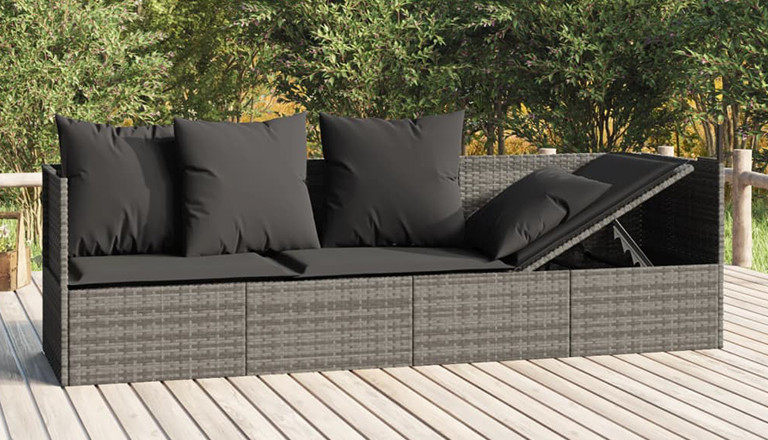
Here’s where it gets really interesting: dropXL gives you access to vidaXL’s product catalog. If you’re not familiar with vidaXL, they’re a major European furniture and home goods brand with a solid reputation for quality. dropXL gives you access to over 90,000 vidaXL products—a massive assortment that covers everything from bestsellers with proven track records to fresh new arrivals hitting the market. This isn’t some fly-by-night catalog that goes out of stock when you finally start getting sales. The inventory is dependable, which means you can actually build a business around these products without constantly worrying about availability.
Now here’s something that’ll make you sit up: dropXL operates on a zero commission policy. You’re not getting nickel-and-dimed with transaction fees on top of product costs. What you see is what you pay. For anyone who’s dealt with platforms that charge monthly fees plus percentage cuts of every sale, this is refreshing. Your margins are your margins—nobody’s skimming off the top every time you make a sale.
The platform plays nice with all the major e-commerce systems. Inventory syncs automatically, orders route to the right warehouse, tracking updates without you lifting a finger. When you’re testing five different products and trying to scale the winners, this automation is what keeps you focused on actually growing your business instead of drowning in operational busy work.
Pricing-wise, they’re not the absolute cheapest option out there. You won’t get the rock-bottom prices you’d find going direct to a manufacturer in Guangzhou. But you’re also not dealing with month-long shipping times and the flood of complaints that comes with them. It’s middle-ground pricing that reflects reality: customers in developed markets will pay more for fast, reliable service, and they’ll especially pay more for furniture and home decor that actually looks good and arrives intact. Your job is to deliver that service and keep the margins healthy, which the zero commission structure helps you do.
The Strategic Decision That Shapes Everything
Picking a dropshipping supplier isn’t about finding the cheapest products or the biggest catalog. It’s about choosing a partner whose infrastructure aligns with the kind of business you’re trying to build.
Your supplier controls your shipping times, which directly impacts your reviews and customer satisfaction. They control your product quality, which determines whether customers come back or demand refunds. They control your margins, which decides whether you can afford to acquire customers profitably.
Sure, suppliers with dirt-cheap prices and massive catalogs are tempting, especially when you’re watching every dollar. But if you’re serious about building something sustainable in the US, EU, or Australian markets, you’ve got to prioritize reliability and customer experience over saving a couple bucks per unit.
When orders arrive quickly, when products actually match the photos, when returns get handled smoothly—that’s when your dropshipping store stops being a side hustle and starts becoming a real brand. That’s when you get repeat customers, five-star reviews, and word-of-mouth that makes your customer acquisition costs drop over time.
Summary
Dropshipping is not a “find a product and run ads” business anymore. Customers now expect fast delivery, clear tracking, and products that match the photos. When your supplier ships from far away, the real cost shows up later in refunds, chargebacks, bad reviews, and nonstop support tickets. That is why the article makes one point crystal clear: your supply chain can make or break your store.
Selling in the US, Europe, and Australia adds another layer of difficulty because buyer expectations are not the same in each region. US customers usually want speed and a good price. Many EU buyers look harder at quality and how a product is made. Australian shoppers often accept higher prices, but they still expect strong service and reliable delivery. If you treat these markets the same, you will feel it in your conversion rate and your return rate.
To choose the right supplier, focus on the “boring” parts that protect your brand:
- Prioritize local fulfillment: Aim for suppliers with warehouses in the US, EU, and AU so orders ship from inside each region, which helps avoid long waits and customs surprises.
- Check quality control before scaling: Order samples, review packaging, test the product, and compare it to your product page so customers get what they expect.
- Confirm inventory accuracy: Make sure stock levels update correctly, or you will sell items that are already gone and trigger delays and cancellations.
- Protect your margins with reality checks: A high margin on paper can vanish once you add refunds, replacement shipments, and damaged trust.
- Automate early: Use suppliers that integrate with platforms like Shopify or WooCommerce so order processing does not turn into a manual job as you grow.
The article also highlights the “ideal” setup founders should look for: one supplier that can cover these three regions without forcing you to juggle multiple catalogs and fulfillment systems. It even points to dropXL as an example of a supplier built around this newer reality, with regional warehouses and a model designed to reduce shipping delays and support issues.
Next steps you can take today:
- List your top 10 products and identify where your customers live.
- Audit your current supplier against the checklist above (shipping origin, tracking reliability, quality, stock accuracy, and automation).
- Order samples from any new supplier before you move traffic.
- Update your product pages to match real delivery times and real product details.
- Build a simple “supplier scorecard” so you can compare options with facts, not hype.
If you want to go deeper, turn this into a repeatable process: create a supplier testing pipeline, track delivery times by region, and review return reasons every month so your product and supplier choices keep improving over time.