





From TikTok to UGC: Social Media Trends 2025 for E-Commerce
17th
December, 2025
Social media moves faster than ever in 2025, and what’s trending can make or break a brand’s online success. For e-commerce entrepreneurs and Amazon sellers, keeping up with what are social media trends this year isn’t just buzz – it’s a business imperative. Why? Because roughly two-thirds of the world’s population (over 5 billion people) are now on social platforms, and those platforms heavily influence how consumers discover products and make purchase decisions. In this post, we’ll break down the most important social media trends in 2025 – from viral TikTok videos to the explosion of micro influencers and UGC – and explain how these trends can drive real ROI for your online store.
What you’ll learn: By the end of this guide, you’ll understand the key social media shifts shaping 2025, why they matter for e-commerce brands, and how to leverage each trend (like micro influencers, influencer marketing tactics, new content formats, and more) to grow your business. Let’s dive in!
Why Social Media Trends Matter for E-Commerce in 2025
Staying on top of social media trends isn’t about chasing every viral dance or meme – it’s about staying aligned with consumer behavior. Social platforms have become critical shopping and discovery channels. In fact, social media became the number one customer acquisition source for brands in 2023, driving about 30% of all e-commerce revenue. That means if you’re not active where your customers spend their time (Instagram, TikTok, YouTube, etc.), you’re potentially missing out on a huge chunk of sales.
Trends also signal how algorithms and user preferences are changing. For example, an algorithm update might favor short videos this year, or consumers might suddenly flock to a new platform (remember how quickly TikTok blew up?). E-commerce brands and Amazon sellers who adapt quickly – by creating trending content or embracing new features – gain a competitive edge. On the flip side, ignoring trends can leave your content unseen as organic reach declines and competitors swoop in with fresh, engaging strategies. The bottom line: staying agile with social media trends helps you maintain visibility, engage your audience authentically, and ultimately drive more traffic and sales to your online store.
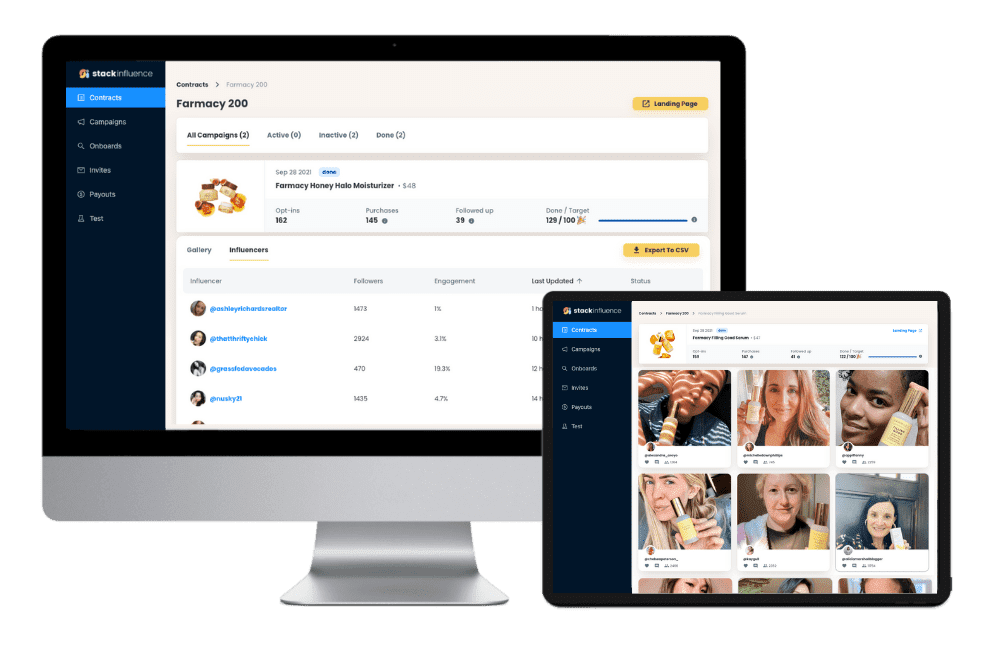
Unlock the Power of Micro Influencers and Elevate your Brand Today!
1. Short-Form Video Dominance (TikTok, Reels & Shorts)

“Video or it didn’t happen.” That’s the reality on social media now. Short-form video continues to reign supreme in 2025, with platforms like TikTok, Instagram Reels, YouTube Shorts, and Facebook Reels leading the charge. TikTok in particular has exploded – it now boasts over 2 billion total users and is projected to hit 1.8 billion monthly active users by the end of 2025. In other words, a massive chunk of your potential customers are scrolling through bite-sized videos every day.
Why are short videos so powerful? Here are a few key reasons:
-
- Capturing short attention spans: Quick, snackable videos (15–60 seconds) align perfectly with today’s fast-scrolling consumers. You can hook viewers in seconds with a punchy product demo or story.
- High engagement: Video is dynamic and visual – it stops thumbs. A compelling clip can showcase a product in action far better than a static photo. In fact, vertical videos (TikTok style) have significantly higher completion rates than horizontal videos, indicating viewers tend to watch them to the end.
- Entertainment + education: Short videos blend fun and information. A 30-second how-to or unboxing video can entertain while also educating customers about your product’s value. This boosts sharing and saves customers from reading long descriptions.
- Capturing short attention spans: Quick, snackable videos (15–60 seconds) align perfectly with today’s fast-scrolling consumers. You can hook viewers in seconds with a punchy product demo or story.
How e-commerce brands can leverage this trend: Make short video a staple of your content. Film quick product teasers, before-and-after demos, or “viral style” clips that align with popular challenges. For example, a cosmetics brand might do a 15-second makeover transformation on Reels, or an Amazon seller might film a TikTok of their product solving a common problem in a clever way. Don’t worry about Hollywood-level production – authenticity beats polish on social (more on that later). The key is to post videos consistently. Short-form content tends to have a short lifespan, but the long-term wins come from cumulative reach. Every viral 10-second clip is a chance to drive a burst of traffic to your product page or Amazon listing.
Pro Tip: Repurpose across platforms. A single video can be shared on TikTok, then as an Instagram Reel, a YouTube Short, and even a Pinterest Idea Pin. This maximizes your reach without constantly reinventing the wheel.
2. Influencer Marketing Embraces Micro Influencers
Influencer marketing is nothing new – but in 2025, it’s evolving. Brands are shifting focus from mega-celebrities to micro influencers (creators with tens of thousands of followers or less) and even nano influencers (just a few thousand followers). Why the pivot? Because bigger isn’t always better when it comes to influence. These smaller-scale creators often deliver higher engagement, deeper trust, and better ROI than their superstar counterparts.
Micro influencers may not have millions of fans, but they have passionate niche audiences who actually listen to their recommendations. For example, a micro influencer with 20k followers focused on vegan skincare will likely drive more conversions for a vegan soap brand than a celebrity with 5 million generic followers. In fact, studies show micro and nano influencers achieve engagement rates in the 5–20% range, leaving macro influencers’ typical 1–3% engagement in the dust. Their followers see them as genuine experts or “friends,” so their word carries weight.
Critically for e-commerce brands, micro influencers are budget-friendly. Instead of paying one big influencer $20,000 for a single post, that same budget could partner with 20+ micro influencers, each creating content and buzz in their community. This isn’t just theory – data shows micro-level campaigns can yield around a 20:1 return on investment, versus roughly 6:1 ROI for macro-influencer campaigns. In other words, $1 spent on micro influencer collaborations can drive $20 in revenue on average, making it an extremely cost-effective marketing channel.
To summarize the Micro vs. Macro Influencer debate, check out the comparison below:
|
Metric |
Micro-Influencers (e.g. 5k–50k followers) |
Macro-Influencers (e.g. 500k+ followers) |
|
Engagement Rate |
~5%–20% (highly engaged niche audience) |
~1%–3% (much lower average engagement) |
|
Audience Trust |
Very high – seen as authentic peers/friends |
Lower – audience is aware of sponsorships |
|
Cost per Post |
$100–$500 (affordable for small brands) |
$5,000+ (can be $10k–$20k+ for one post) |
|
ROI Potential |
~20:1 ROI (outstanding, via many small creators) |
~6:1 ROI (good, but lower efficiency) |
|
Content Volume |
Multiple unique posts from several creators |
Typically one or few posts from one creator |
|
Best For |
Niche targeting, authentic product reviews, UGC-style content |
Mass awareness campaigns, broad reach hits |
Why this trend matters: For Amazon sellers and DTC brands, micro influencers have become secret weapons. They excel at creating authentic review videos, unboxing clips, and tutorial posts that build trust around your product. Many are willing to work in exchange for a free product or a modest fee, which is incredibly cost-effective if you’re on a tight marketing budget. Plus, you can scale up – imagine dozens of micro influencers each posting about your product to their tight-knit communities, creating a ripple effect of awareness. This kind of grassroots buzz can directly translate into sales bumps on Amazon or your website (some campaigns even see a noticeable boost on Amazon rankings after a flurry of micro influencer reviews).
Tips to leverage micro influencers: Start by finding creators whose niche aligns with your product category (for example, a fitness gear brand might find micro influencers who post home workout videos). Reach out with a personal message and offer free product for content, or negotiate a small per-post rate. Ensure you give them creative freedom – the content should feel like a genuine testimonial, not a scripted ad. You can use platforms like Stack Influence to streamline this process, connecting your e-commerce brand with vetted micro and nano influencers at scale. Over time, consider building longer-term relationships with high performers; ongoing ambassadorships tend to yield even better results than one-off posts in 2025’s influencer landscape.
3. Authenticity and UGC Drive Engagement
In an era of polished ads and sponsored posts, consumers have made one thing clear: authenticity wins. That’s why user-generated content (UGC) – posts, photos, and videos created by real users or customers – is gold for marketing in 2025. Shoppers trust content that feels genuine and community-driven far more than traditional brand advertising. One survey found 92% of consumers trust peer recommendations and reviews more than ads. It’s no surprise, then, that UGC is 2.4x more authentic to people than brand-created content (in one study) and significantly sways buying decisions.
For e-commerce brands, leveraging UGC can directly boost the bottom line. How? Consider these compelling stats: User-generated content is 20% more influential than any other media type in driving Millennials’ purchase decisions, and adding UGC (like customer photos or reviews) to product pages can increase conversions by up to 161%. That’s an enormous lift from simply showcasing real customers using or endorsing your product. When potential buyers see others – people who look like them – happily using an item, it builds trust and FOMO. In essence, UGC provides the social proof that turns browsers into buyers.
Key forms of UGC in 2025:
-
- Customer reviews and testimonials (with images/videos): Shoppable sites and Amazon listings now often feature photo reviews or even video reviews from customers. These unfiltered opinions carry weight. Encourage your buyers to share their experiences and highlight the best ones on your site or social feed.
- Social media posts by customers: Monitor Instagram, TikTok, or YouTube for users mentioning your brand. A lot of times, happy customers organically post content. With permission, you can repost UGC on your official channels (crediting the creator). This not only provides fresh content but also makes your customers feel seen and valued.
- UGC campaigns and contests: Actively prompt UGC creation by running campaigns (e.g., a hashtag challenge or a photo contest). For instance, a home decor brand might ask followers to share pics of how they styled a product in their space, using a specific hashtag for a chance to be featured or win a prize. This crowdsources authentic content and amplifies word-of-mouth.
- Customer reviews and testimonials (with images/videos): Shoppable sites and Amazon listings now often feature photo reviews or even video reviews from customers. These unfiltered opinions carry weight. Encourage your buyers to share their experiences and highlight the best ones on your site or social feed.
Remember, authenticity is the currency here. Modern consumers, especially Gen Z, can sniff out inauthentic or overly “salesy” content in seconds. That means even when working with influencers, brands are now favoring a more unfiltered style. Raw, unpolished content (think TikTok’s casual vibes or Instagram Stories shot on a phone) often outperforms meticulously edited commercials. We’re even seeing the rise of “UGC creators” – individuals who might not be famous influencers, but are skilled at creating relatable content that brands can repurpose. In 2025, some e-commerce companies are hiring these everyday creators to produce TikTok-style videos or lifestyle photos featuring their products, precisely because the result looks and feels like genuine user content rather than an ad.
Stack Influence Insight: An interesting development is that UGC creators are becoming the new influencers in a way. Brands are increasingly collaborating with micro content creators who produce realistic, customer-perspective content for use in ads or social media. This approach blends influencer marketing with UGC – delivering authentic-looking promotions that audiences appreciate.
Action step: Make UGC and authenticity a core part of your strategy. Share customer stories, showcase real-life usage of your products, and encourage dialogue. Whether it’s featuring a buyer’s unboxing video, reposting a fan’s tweet about your service, or going live in a casual Q&A, these authentic touches humanize your brand. E-commerce is no longer just transactional; it’s community-driven. If potential customers see a lively community around your product – genuine reviews, tagged posts, active comments – they’ll be far more inclined to trust and buy from you.
4. Social Commerce Becomes the Norm

In 2025, social media isn’t just for browsing – it’s for buying. The line between social networks and shopping platforms has all but dissolved, giving rise to the term “social commerce.” Simply put, social commerce means customers can discover a product and purchase it right within a social app, without being redirected elsewhere. This trend has been accelerating rapidly. Globally, social commerce sales jumped to an estimated $700+ billion in 2024, comprising about 19% of all e-commerce – up from only 9.7% in 2020. In certain regions (looking at you, China and Southeast Asia), buying through social platforms has practically become second nature.
Major platforms are continually rolling out new shopping features:
-
- Instagram & Facebook: Shoppable posts and Stories (products tagged with prices and “buy now” buttons), Instagram Shop tab, and live shopping events. Instagram has become a visual storefront for many D2C brands.
- TikTok: TikTok Shopping and live-stream commerce. TikTok’s algorithmic feed is a discovery engine; one viral video can sell out a product overnight. TikTok now lets creators and brands add product links, and even host QVC-style live shopping streams where viewers can buy on the spot.
- Pinterest: A hotbed for product discovery, now with Buyable Pins and integrated checkouts.
- YouTube: Integrated merch shelves and live stream shopping integrations, allowing creators to showcase products below their videos.
- Emerging platforms: Don’t sleep on niche or emerging platforms. For instance, WhatsApp and Facebook Messenger allow in-chat shopping catalogs for small businesses, and even Twitter (now X) has tested shop modules on profiles.
- Instagram & Facebook: Shoppable posts and Stories (products tagged with prices and “buy now” buttons), Instagram Shop tab, and live shopping events. Instagram has become a visual storefront for many D2C brands.
For e-commerce brands and Amazon sellers, social commerce represents a massive opportunity. It reduces friction in the customer journey – users can go from inspiration to purchase in seconds. Imagine a customer scrolling Instagram, seeing a micro influencer’s post about a skincare product, and being able to tap “View Product” and checkout instantly. Fewer clicks = higher conversion rates. It’s no wonder 49% of brands planned to increase social commerce investment heading into 2024, and that number is likely even higher in 2025.
Even if you primarily sell on marketplaces like Amazon, you can still capitalize on social commerce trends. How? Use social media as a top-of-funnel to drive people to your listings. For example, leverage the Amazon Influencer Program, where influencers showcase Amazon products in their content with affiliate storefront links. When their followers buy, the influencer earns commission and you get the sale. Many Amazon sellers are teaming up with TikTok creators who do “Amazon finds” or unboxing videos of trending Amazon products. A single TikTok video going viral can send thousands of new customers to an Amazon product page in a day.
Another approach is live commerce. In the U.S., Amazon Live is a platform where influencers host live video streams demonstrating products (much like a modern QVC), and viewers can buy the featured items on Amazon in real time. Meanwhile on Instagram or TikTok, brands or influencers can host live sessions trying products, answering questions, and dropping exclusive discount codes to viewers. This merges entertainment with instant shopping – often dubbed “shoppertainment.” It’s interactive, engaging, and can create urgency (e.g., “Only 10 left in stock – grab yours now!” during a live stream).
To ride the social commerce wave: Ensure your products are set up for in-app shopping where possible. If you have your own website, use tools like Facebook Shops or Instagram Shopping to sync your product catalog to your social profiles. This way, your posts become purchasable pins and videos. If you’re on platforms like Shopify, it’s usually a quick integration. Also, continue to produce content tailored for discovery – use relevant hashtags, catchy visuals, and platform-specific trends to get your products on people’s feeds. Social commerce is as much about being found as making the sale seamless. The more you can make your product the star of that endless social feed, the more you’ll benefit from this trend.
5. Community Building Over Follower Count
Here’s a refreshing trend: Brands are shifting from chasing sheer follower counts to building engaged communities. With social media maturing, it’s clear that having 1,000 highly engaged followers is far more valuable than 100,000 passive ones. In 2025, we see a rise of private groups, niche communities, and two-way interactions as a core strategy for sustained social media success.
What’s driving this? Partly “social media fatigue.” Users are increasingly selective about what content they engage with. They crave genuine connection and value, not just endless broadcast-style ads. As a result, savvy brands are creating exclusive spaces where their audience can interact in a more personal way. For example:
-
- Facebook Groups & LinkedIn Groups: Companies are launching invite-only groups around shared interests or goals (e.g., a group for Amazon sellers to discuss growth hacks, run by an e-commerce tool brand). Within these groups, members (including brand reps) share tips, answer questions, and celebrate wins – building a tight-knit community.
- Discord and Slack Communities: Particularly for tech-savvy or younger audiences, brands might host a Discord server or Slack channel. These platforms allow real-time chat and have become popular for fandoms and special interest communities. An indie fashion brand, for instance, might run a Discord where loyal customers talk style, give feedback on new designs, and get sneak peeks.
- Broadcast Channels & Subscription Content: Instagram’s new broadcast channel feature or platforms like Telegram let brands send messages to members who opt-in for insider updates. Some creators and brands also offer subscription-based content (like an exclusive Instagram Stories for “close friends” who pay or subscribe) – essentially a VIP club with bonus content.
- Facebook Groups & LinkedIn Groups: Companies are launching invite-only groups around shared interests or goals (e.g., a group for Amazon sellers to discuss growth hacks, run by an e-commerce tool brand). Within these groups, members (including brand reps) share tips, answer questions, and celebrate wins – building a tight-knit community.
The focus here is quality of engagement. In a private community, members feel heard and valued. They’re more likely to provide feedback, advocate for your brand, and ultimately become repeat customers. It fosters loyalty. And from the brand perspective, these communities are gold mines for insights and user-generated content. You can observe what your most passionate customers are saying, ask them for opinions (before launching a new product, for example), and even recruit some as brand ambassadors or beta testers.
For e-commerce and Amazon sellers, community-building can also help mitigate the ups and downs of algorithms. While your reach on public social feeds might ebb and flow (thanks to algorithm changes), a community group ensures you have a direct line to your core audience. When you have a big announcement or sale, you can share it in your group and know your most interested fans will see it and amplify it.
How to cultivate community: Start by interacting more deeply with your audience. Respond to comments on your posts (not just with “thanks!” but with meaningful replies), ask questions, run polls or Q&As on Stories, and show the human side of your brand. You might introduce a weekly discussion topic or a live chat session. If you have the bandwidth, launch a dedicated group or forum as mentioned above – but be sure to moderate it and keep it lively (a dead, spam-filled group can hurt more than help). Highlight user contributions: shout out a “fan of the week” or share user-submitted content. When people feel like they’re part of something, they stick around. Over time, this tight-knit community becomes your brand’s advocacy army, organically spreading the word and defending you against competitors. It’s a long-term play with compounding returns.
6. AI and Automation in Social Media Marketing
No discussion of 2025 trends is complete without mentioning artificial intelligence (AI). AI has swiftly woven itself into the fabric of social media marketing – from content creation to customer service. For e-commerce brands with limited time and resources, AI can be a game-changer, helping you keep up with the 24/7 demands of social without burning out.
How AI is being used in social marketing:
-
- Content creation and copywriting: Marketers are using AI writing assistants (like ChatGPT) to draft social media captions, product descriptions, or even generate ideas for posts. These tools can save time by producing a solid first draft that you then personalize. By 2024, surveys found 69% of marketers had integrated AI into their marketing operations, and around 85% are using AI content generation tools to streamline workflows.
- Image and video generation: Experimental brands are dabbling with AI-generated images or short videos for ads. While not yet mainstream for product imagery, the tech is evolving quickly (think of algorithms that can create a lifestyle scene with your product without a photoshoot).
- Social listening and trend spotting: AI-powered tools can monitor social media chatter at scale, alerting you to trending topics or brand mentions. This ties into “social listening” – by analyzing sentiment and keywords, AI helps brands jump on relevant trends (or manage PR crises) in real time.
- Chatbots and customer service: On platforms like Facebook Messenger, WhatsApp, or your website chat, AI chatbots handle common questions (“Where’s my order?”, “What does this product do?”) instantly, 24/7. This improves customer experience and frees up your team for complex inquiries.
- Personalized targeting: When running social ads, AI algorithms (especially within Facebook/Meta Ads and Google) optimize targeting and creative combinations. They learn which ad copy or product image resonates best with which audience segments and adjust on the fly to improve performance.
- Content creation and copywriting: Marketers are using AI writing assistants (like ChatGPT) to draft social media captions, product descriptions, or even generate ideas for posts. These tools can save time by producing a solid first draft that you then personalize. By 2024, surveys found 69% of marketers had integrated AI into their marketing operations, and around 85% are using AI content generation tools to streamline workflows.
The overarching trend is that AI is becoming a “permanent part of the social landscape” – not a buzzword but a practical toolkit. Importantly, the human touch still matters (nobody wants a feed that feels like it’s run by robots), but smart marketers use AI to augment their capabilities. For example, you might use an AI tool to generate 5 variations of a headline for your new product announcement tweet, then pick the catchiest one. Or use scheduling software with AI that suggests optimal posting times based on when your followers are most active.
Even content strategy can benefit: AI can analyze past post performance and help predict what topics or formats your audience will engage with next. Imagine knowing that your followers are suddenly talking about a new TikTok filter or a pop culture event – you could create a relevant post today to ride the wave, courtesy of an AI alert.
Keep it ethical & transparent: One emerging best practice is being transparent when appropriate about AI usage. Audiences appreciate honesty. For instance, some brands openly share behind-the-scenes like, “We used AI to help brainstorm this campaign concept!” – which can actually boost engagement as it’s a hot topic and shows you’re innovating. Just ensure AI isn’t creating tone-deaf or inaccurate content; always have a human in the loop to review and maintain your brand voice.
In summary, AI can give e-commerce marketers superpowers – letting you do more with less and make data-driven decisions quickly. By embracing automation for routine tasks and insights, you free up time to focus on creativity and strategy, which no algorithm can replace. As we head further into 2025, the brands effectively blending human creativity with AI efficiency will be the ones leading the pack on social media.
Unlock the Power of Micro Influencers and Elevate your Brand Today!
Conclusion to Faceless YouTube Channel Ideas for 2025
As we’ve seen, going faceless on YouTube is not a limitation – it’s a creative choice. Whether you animate an entire world from behind your screen, speak knowledge into a microphone over visuals, or quietly film your hands crafting a masterpiece, you can grow a thriving channel in 2025 without ever showing your face. In many ways, faceless content allows your ideas, skills, and creativity to shine brighter than ever.
Imagine building a loyal audience that values you for your knowledge, humor, or artistic flair alone. It’s absolutely possible. There are faceless channels today with millions of subscribers – from calming music streams to educational powerhouses – proving that content truly is king. Even brands have embraced faceless creators, offering sponsorships and collaborations to channels that align with their products and values. As the creator economy expands (projected to reach nearly half a trillion dollars by 2027), there’s ample room for micro influencers who never step in front of a camera. The key is to deliver value and be consistent. You might start as a faceless creator out of comfort, but you can end up an influencer in your niche thanks to the quality of your content.
So, what are you waiting for? Pick an idea from this list that excites you and give it a try. Maybe you’ll start that cozy faceless book-review channel, or launch a new series of animated tech explainers. The beauty of YouTube is you can iterate and improve as you go – all without the pressure of perfect lighting on your face. By focusing on content and community, you can build an authentic brand that viewers trust and love.
Now it’s your turn: Turn on that microphone or camera (pointed at anything but you) and start creating! With these faceless YouTube channel ideas, you have a head start on a format that fits your style. Stay consistent, engage with your audience, and don’t be afraid to promote your work (on social media or via platforms like Stack Influence when you’re ready to monetize). You’ll quickly realize that you don’t need to show your face to make a real impact. Here’s to your faceless YouTube success in 2025 – now go share your passion with the world!

By William Gasner
CMO at Stack Influence
William Gasner is the CMO of Stack Influence, he’s a 6X founder, a 7-Figure eCommerce seller, and has been featured in leading publications like Forbes, Business Insider, and Wired for his thoughts on the influencer marketing and eCommerce industries.
Want new articles before they get published? Subscribe to our Awesome Newsletter.
stack up your influence
turning creativity into currency
our headquarters
111 NE 1st St, Miami, FL 33132
our contact info
[email protected]
stack up your influence
turning creativity into currency
our headquarters
111 NE 1st St, 8th Floor
Miami, FL 33132
our contact info



© 2025 Stack Influence Inc
© 2025 Stack Influence Inc
The post From TikTok to UGC: Social Media Trends 2025 for E-Commerce appeared first on Stack Influence.
