





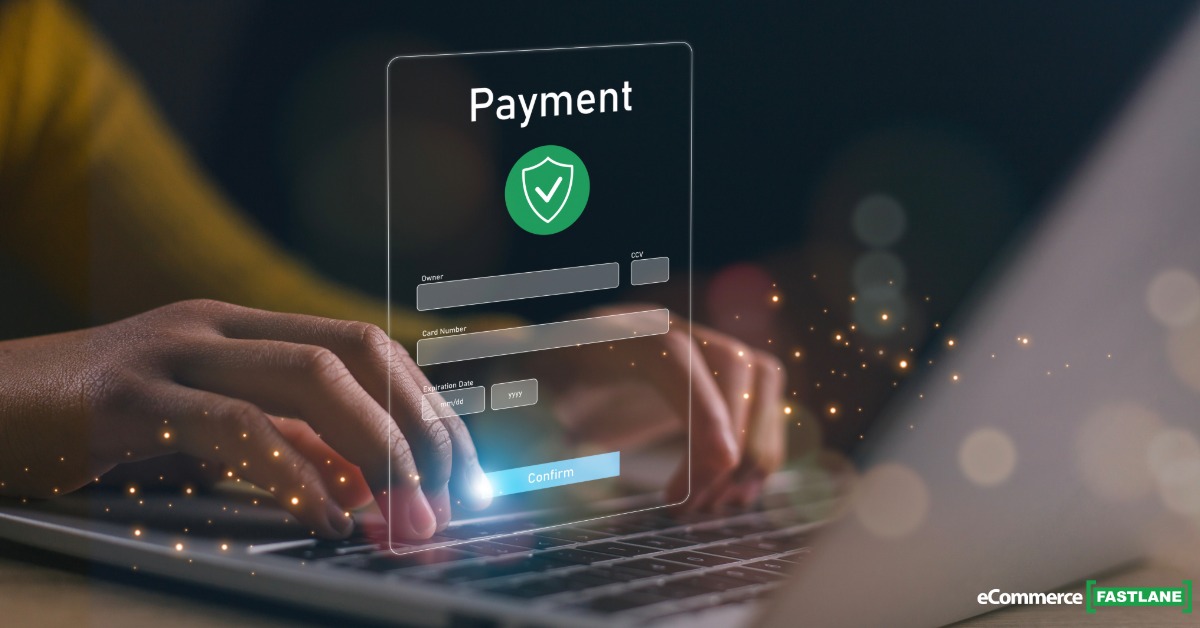
The Shift Toward a Faster, Smoother Checkout Experience
Ecommerce has reached a point where customers no longer judge a store only by its products. They judge it by how quickly they can complete a purchase. Checkout is no longer an afterthought in the buying journey. It is the moment where a customer either commits or slips away. And the biggest factor shaping those decisions today is payment flexibility.
Digital wallets have moved from a nice bonus to an expectation. Merchants that treat them as optional are already behind. With consumer behavior shifting and mobile first shopping growing, checkout must align with how people live. It needs to be fast, simple and friction free.
Why Digital Wallets Became a Standard
Not long ago, digital wallets were seen as tools for early adopters. Now they sit alongside credit cards as core payment methods. Shoppers adopted them quietly and naturally. They used them during commutes, quick purchases and everyday browsing sessions. Convenience turned into habit, and habit became the new default behavior.
Three key changes pushed this shift.
1. Mobile Shopping Is the New Normal
Most ecommerce browsing starts on a phone. A smooth mobile checkout matters more than ever. Digital wallets reduce the number of taps needed to finalize a purchase. Autofilled addresses, stored payment details and biometric confirmation cut down friction to almost zero.
2. Consumers Expect Instant Everything
Shoppers are trained by the apps they use every day. Instant communication, one tap services, automated reorders. Anything slow feels frustrating. Digital wallets match the pace customers already live at. That is why they integrate so easily into buying behavior.
3. Security Expectations Are Higher
Modern consumers feel safer with tokenized transactions. They trust biometric logins more than typing payment numbers in a crowded place. Digital wallets deliver that level of safety without making checkout complicated.
How Payment Flexibility Shapes Conversion
Checkout has become a test of how well a brand understands its customers. A rigid or outdated payment flow signals friction. A flexible one communicates ease and speed.
Every additional step creates risk. Every extra field is a potential exit point. Digital wallets remove unnecessary decisions and let shoppers move through checkout almost automatically. Faster decisions lead to fewer abandoned carts, especially on mobile where attention spans are short.
Payment flexibility also benefits global shoppers who handle multiple currencies or prefer alternatives to traditional banking. As cross border ecommerce grows, shoppers expect brands to meet them with payment options that reflect modern habits.
Why Merchants Should Care About Alternative Wallets
The next phase of ecommerce is not just about adding Apple Pay or Google Pay. It is about preparing for a broader landscape where customers choose from a wide range of digital first payment tools.
Some shoppers prefer storing value in ways that feel more flexible or independent. For example, a small but growing segment uses a bitcoin wallet to hold or move funds before converting them during checkout. Even if a merchant never processes crypto directly, understanding these patterns helps future proof the checkout experience.
This is not about chasing hype. It is about recognizing where consumer expectations originate. Payment habits spread through daily routines, small decisions and tiny moments when people look for convenience.
Adapting Checkout for the New Shopper Mindset
Merchants who want to stay competitive must treat checkout as a real part of customer experience design, not just a technical task.
1. Move Toward One Tap and Biometric Approvals
Speed matters. Biometrics reduce friction and lower fraud risk. For mobile focused shoppers, this feels natural. It is the closest thing ecommerce has to a seamless experience.
2. Reduce Overload at the Final Step
Many stores still overwhelm customers with fields, questions and pop ups during checkout. Modern shoppers are impatient. An optimized checkout shows only what is essential and lets the shopper move at their own pace.
3. Offer Payment Options Based on Behavior
Use data to determine which payment methods matter most to your specific audience. Younger shoppers may lean toward mobile wallets. Global customers may need region specific options. Personalizing checkout reduces hesitation.
4. Build Trust Through Transparency
Security is no longer about badges. Customers want clear communication. They want to understand exactly how their data is handled. A transparent payment environment increases trust and reduces last minute drop offs.
Digital Wallets and the Rise of Micro Moments
Ecommerce is increasingly shaped by micro moments. These are brief windows of time when someone decides to buy something while distracted or moving through daily tasks. Digital wallets fit perfectly with these moments. They allow customers to complete a purchase before something interrupts them.
As life speeds up, checkout speed becomes more important than design or promotion. If the process cannot keep up, shoppers simply abandon it. Digital wallet flexibility captures purchases that might otherwise disappear.
Where Checkout Innovation Is Heading Next
Checkout is becoming less visible. The most effective systems remove friction until the payment feels like a natural part of the interaction.
Some emerging patterns include:
- contextual checkout inside product pages
• auto replenishment for repeat orders
• saved credentials that follow the user across devices
• payment flows that adjust based on behavior rather than fixed steps
Customers want tools that move as quickly as they do. Checkout needs to support that rhythm.
Why Payment Flexibility Will Shape the Future of Ecommerce
Ecommerce is growing, but competition is growing faster. Checkout flexibility is one of the clearest ways brands can stand out. It shows that a brand understands how people actually shop.
Strong product pages attract shoppers. Smooth checkout keeps them.
The brands that will succeed in the next stage of ecommerce are the ones that see checkout as part of the full customer journey, not just the final click. Digital wallets, in all their forms, will continue shaping how money moves online. And merchants who adapt early will gain faster purchases, stronger trust and more loyal customers.
