





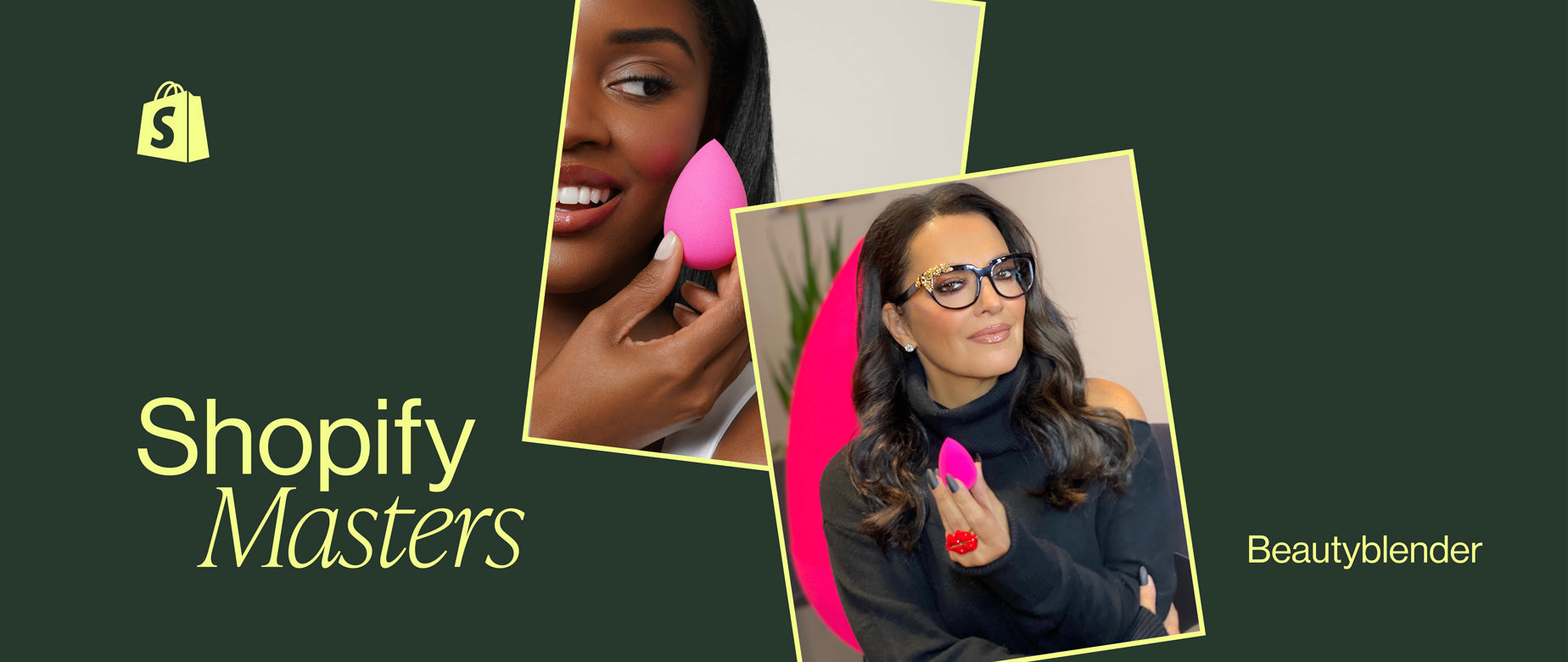
Author’s Bio:
Rea Ann Silva revolutionized makeup application by inventing the iconic Beautyblender sponge. A celebrity makeup artist turned entrepreneur, she identified a gap in the market and created the cult-favorite pink egg that transformed how millions apply foundation. She’s since expanded the company to launch countless cult favorite tools and products.
Most people don’t talk about the mounting costs that come with each patent appeal. My attorney had just finished explaining to me that we couldn’t keep trying. The fees were increasing every time we got rejected, and I was a completely self-funded company. So after several years of attempts, I accepted that I couldn’t get a patent for Beautyblender.

Here’s what I didn’t understand then: intellectual property protection is only as good as you can afford to protect it. Even if I’d gotten that patent, I would have needed deep pockets to enforce it through litigation. As a solo startup founder, that wasn’t my reality. The advice I got at the time changed everything: Brand recognition is almost as important as IP protection.


That strategy is how I built Beautyblender into a brand that sells a product every 12 seconds, in more than 6,000 stores worldwide, without ever taking outside investment or securing a patent. Ahead, I’ll break down the exact steps that grew our brand recognition into more than I could ever have dreamed.
Targeting industry professionals who influence your market
I knew that professional makeup artists would understand what I’d created in ways consumers might not—at least not immediately. These artists weren’t just potential customers, they were the people who would put Beautyblender in front of my eventual audience. Through editorial shoots, film and TV sets, and red carpet appearances, my product could be experienced by thousands.
I started with my network in Local 706, the makeup artists union. There were hundreds of professionals I could reach through these channels, and they all had the same problem I’d been solving on set. We needed to make makeup look flawless in high definition without layering on so much product that you could see every line of demarcation. What made this strategy so powerful was the timing. The bigger companies like L’Oréal and Estée Lauder weren’t investing in tools back then; they were focused only on color cosmetics. That gave me the years I needed to build recognition while they weren’t paying attention.
By the time they started noticing Beautyblenders showing up in professional kits everywhere, I’d already gained so much traction that my brand recognition became the thing that kept me alive. I couldn’t protect my innovation with a patent, but I could protect it by being first, being everywhere, and being the name everyone knew.
Building storytelling assets competitors can’t replicate
When knockoffs started appearing, made with different, less effective materials, I realized something crucial: I needed competition in my market to continue telling my story about why I’m the best. If I’m the only one, it doesn’t make any difference.
What competitors couldn’t copy was my origin story, my awards, and my cultural placement. I’ve won 19 Best of Beauty awards from Allure magazine, the Beautyblender is in the Smithsonian, and I have an exclusive manufacturing relationship with my partner in Pennsylvania (the same one I found by calling an 800 number on a product package more than 20 years ago). My manufacturing partner makes the foam using a unique polymer recipe that exists nowhere else. You can’t copy my product even if you tried (which many still do).
My competitors can copy the shape, they can try to copy the function, but they can’t say they invented the category. They can’t say they’re the original, nor can they point to two decades of professional adoption and editorial coverage.
A patent may have protected my design, but my brand recognition protects something more valuable—my story.

Leveraging editorial coverage before competitors notice
In the early days, we didn’t have TikTok or Instagram. We had Facebook and Myspace, but the real awareness came through beauty editors who covered my product in magazines. This was slower than today’s social media cycle, but it gave me time to build momentum and educate my audience.
I was already a renowned makeup artist doing editorial work, film and television, and that recognition opened doors. Beauty editors paid attention because they were seeing Beautyblender in professional kits at fashion shoots. The coverage built on itself—one feature led to another, which led to more professionals adopting the tool, which led to more visibility.
Everything moves so fast now because it’s everything, all the time, everywhere. Back then, there was time to really appeal to your audience and educate them about your product. Use whatever timeline you’re in to your advantage. If you’re building now, you can move faster than I could, but you’re also competing with more noise, so make sure your story cuts through.
Accepting that competition validates your market
Seeing the dupes really disturbed me at first. I felt like I’d given birth to and created this thing, and all of a sudden people were just going to steal it. I didn’t have patent protection and couldn’t afford massive legal battles. It felt threatening. Then I realized every knockoff creates an opportunity to reinforce what makes the original different. When customers see five sponge options, they start asking questions. Which one is actually good? Which one is the real innovation? That’s when my brand recognition, my story, and my awards all become the differentiators.

The knockoffs are typically made overseas with all sorts of different materials, while Beautyblender is still made with our exclusive foam formula. When competition emerged, it forced me to articulate that difference clearly and helped make me better at explaining my value. If nobody’s copying you, you probably haven’t tapped into a real market. Competition means you’ve found something people want.
Leading your community through authentic innovation
You can’t just create one product and expect customers to stay forever, especially when competitors emerge. You have to lead your consumer on this journey with you. Beautyblender is the No. 1 tool in the world because it applies your complexion products flawlessly, and that’s my narrow focus. So I’m not going to turn around and make shoes. Every new product I create has to logically connect to that core promise. My second-most popular tool is the Power Pocket Puff—still focused on complexion application, but used with powders to extend makeup wear. It makes sense as the next step for someone who loves the original Beautyblender. The innovation is thoughtful, not random.

We live in a time now where it’s so much easier to tell stories because of social media platforms. You can really lead your consumer on a journey with you, show them why each new product exists, and demonstrate the quality. Prove you’re being thoughtful about what they might need so customers want to choose your products even when cheaper alternatives exist. For example, my customers aren’t just buying a sponge; they’re buying into a brand that understands their needs and consistently delivers on its promise.
The irony isn’t lost on me that a couple years ago, the US Patent Office wanted to interview me about my experience with Beautyblender. I took the opportunity to say, “How dare you? You guys wouldn’t even give me a patent. Why do you even care about me now?” Not getting that patent might have been the best thing that happened to me though. It forced me to build something more defensible than IP protection: a brand that customers trust with a story that resonates.
Catch my full Shopify Masters episode to learn the techniques I used to grow the company to the level of recognition that makes “Beautyblender” synonymous with the tool itself. Remember, they can copy your product, but they can’t copy being first, being original, and being the name everyone knows.
