Fulfillment centers face growing pressure to deliver goods to customers quickly and efficiently. As consumer demand increases, fulfillment centers must maintain smooth operations, optimize time, and reduce costs to remain competitive.
However, several challenges threaten this process—such as complex logistics, labor shortages, and bottlenecks in order processing. One area often overlooked in improving fulfillment efficiency is the use of fluid systems, which can help streamline various processes.
Fluid systems, often working in the background, play a critical role in functions like cooling machinery, automating equipment, and transporting fluids necessary for operations. As ecommerce fulfillment centers continue to grow and scale, these systems have become essential for maintaining both efficiency and productivity.
What Are Fluid Systems?
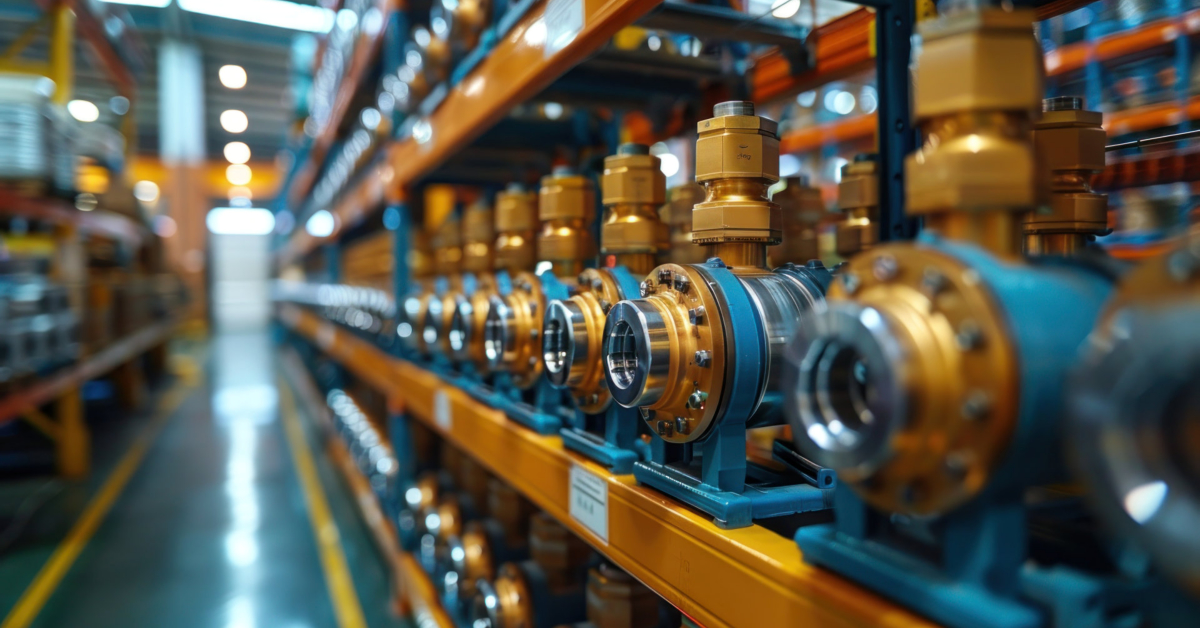
Fluid systems are interconnected components that control the flow of liquids or gases to perform various functions within a mechanical or industrial process. They typically include pumps, valves, pipes, filters, and control systems designed to regulate pressure, temperature, and flow. In ecommerce fulfillment centers, these systems support a wide range of operations such as cooling, lubrication, material handling, and packaging. Learn more about fluid system solutions at knf.com/en/uk.
This article explores what fluid systems are and highlight ways they improve efficiency in ecommerce fulfillment centers, helping businesses meet customer demands and keep costs down.
1. Enhanced Cooling Systems for Machinery
Fulfillment centers have high-speed sorting machines, which can generate significant heat during peak operational times. For instance, a large e-commerce company run conveyor systems 24/7 to meet high demand during the holiday season. Fluid cooling systems maintain optimal temperatures in these machines, preventing overheating and allowing continuous operation without interruptions. This cooling helps avoid machine malfunctions that could otherwise result in costly downtime.
2. Efficient Conveyor Belt Operations
Conveyor belts transport thousands of packages per day. Fluid systems provide precise lubrication that reduces friction and wear to keep them running smoothly. For example, a large retailer like Amazon uses miles of conveyor belts that need to be continuously operational. Fluid-driven lubrication systems ensure these belts operate without breakdowns, lowering maintenance costs and improving overall efficiency.
3. Automated Material Handling
Hydraulic lifts are used to raise heavy pallets of goods in fulfillment centers. These fluid-powered lifts help reduce manual labor and increase efficiency. In a grocery distribution center, for example, automated material handling allows workers to move large quantities of stock with minimal effort, enhancing speed and safety. The use of hydraulic systems enables precise control when stacking heavy items, reducing the risk of accidents.
4. Temperature Control for Storage Areas
For warehouses that store temperature-sensitive products like pharmaceuticals, fluid systems power HVAC (heating, ventilation, and air conditioning) units to maintain strict temperature controls. A pharmaceutical fulfillment center, for example, uses fluid-powered cooling systems to keep vaccines and medicines within required temperature ranges. It promotes product integrity and compliance with health regulations.
5. Energy Efficiency
Energy efficiency in ecommerce facilities reduces operational costs and environmental impact, improving profitability and sustainability. Optimizing energy usage ensures high performance with fewer resources. Modern fluid pumps are equipped with sensors that adjust flow rates based on real-time demand, reducing unnecessary energy consumption. A logistics company implements these energy-efficient pumps to run only when needed, significantly lowering their energy bills while maintaining peak operational performance.
6. Reduction in Maintenance Costs
Because fluid systems operate more smoothly under varying conditions, machinery experiences less wear and tear. Fluid-powered systems reduce the need for frequent part replacements, saving on maintenance and repair costs. For instance, a fulfillment center that handles thousands of packages daily benefits from the durability and reliability of fluid systems that operate under high-stress conditions.
7. Automation of Packaging Processes
Fluid-powered packaging machines are crucial for high-volume operations. For example, an online retailer that ships cosmetics uses fluid systems to power machines that fill, seal, and label bottles at rapid speeds. Automation ensures that thousands of orders are processed accurately every hour. Automated packaging systems handle tasks such as filling, sealing, and labeling products, significantly reducing the risk of human error and minimizing manual labor. These systems are customizable to accommodate various product types and packaging needs, ensuring flexibility and efficiency in operations.
8. Streamlined Picking and Packing Operations
Fulfillment centers use robotic arms and pneumatic systems to quickly pick and pack products. For instance, a fashion e-commerce warehouse may rely on fluid-powered robots to select items from shelves and pack them into boxes efficiently. Automation reduces the time spent on manual picking, ensuring fast order processing and improving overall workflow.
9. Improved Accuracy in Inventory Management
Inventory management in ecommerce involves controlling the storage, tracking, and movement of products to ensure the right items are available in the right quantities at the right time. It includes managing stock levels, forecasting demand, and organizing warehousing and distribution efficiently. Automated fluid-powered conveyors and sorting machines in fulfillment centers help manage stock levels accurately. In a large distribution center, these systems track products as they move through different stages, ensuring inventory data is always up-to-date. It prevents overstocking, allowing for better stock management.
10. Better Waste Management
Fluid systems help manage waste products such as used lubricants and cleaning fluids. For instance, a large-scale distribution facility may use fluid-powered waste removal systems to transport waste fluids from machinery to disposal units safely, ensuring environmental regulation compliance and prevention of contamination or spills in the workspace.
11. Support for Sustainable Practices
Many fulfillment centers are adopting sustainable practices, including using energy-efficient fluid systems to reduce water and energy usage. For example, a center focusing on eco-friendly operations may install advanced fluid filtration systems to recycle water used in cooling processes, helping to reduce environmental impact while maintaining operational efficiency.
12. Optimized Order Sorting
Fluid-powered sorting systems rapidly direct products to the correct processing areas. For instance, an electronics fulfillment warehouse might use these systems to sort devices and accessories based on their destination, reducing sorting time and ensuring orders are packed and shipped accurately and on time.
13. Reduced Human Error Through Automation
Fluid-powered automation systems help reduce the likelihood of human error by handling repetitive tasks with precision. For example, an e-commerce fulfillment center that processes large volumes of orders relies on fluid-powered machinery to automatically label and package items, reducing mistakes that can happen during manual processing and improving order accuracy.
14. Increased Equipment Lifespan
Fluid systems contribute to the longevity of fulfillment center machinery by maintaining optimal conditions, like proper cooling and lubrication. For example, a fulfillment center that handles food products can extend the life of its conveyors and packaging machines by using fluid systems to keep them well-lubricated, minimizing wear and tear and reducing the frequency of equipment replacements.
15. Faster Order Fulfillment Times
With all these fluid-powered systems working in tandem, fulfillment centers can process orders faster. For instance, a retail fulfillment center might see a significant reduction in order processing times during peak sales seasons, like Black Friday. This is due to efficient material handling, automated sorting, and fluid-powered packaging systems, promoting seamless, quick fulfillment from order placement to shipment.
Optimizing Your Ecommerce Fulfillment Strategy for Faster Delivery Times
An effective ecommerce fulfillment strategy maintains customer satisfaction and staying competitive in the ecommerce industry. Businesses can ensure efficient order processing and faster delivery times, which are key factors in meeting customer expectations.
1. Understand the Ecommerce Fulfillment Process
The ecommerce fulfillment process involves several stages, from receiving orders to picking, packing, and shipping them. A well-optimized fulfillment strategy focuses on ensuring that each step operates smoothly, reducing delays and minimizing errors. Automation and advanced technology can play a significant role in making this process more efficient.
2. Improving Ecommerce Operations Through Outsourcing
For many companies, outsourcing fulfillment can enhance their ecommerce operations by allowing third-party fulfillment centers to handle storage, order processing, and shipping. Outsourcing can reduce operational complexities and costs while improving delivery times and ensuring efficient order handling.
3. Implementing Efficient Order Processing for Faster Delivery
Efficient order processing is vital for ecommerce businesses looking to improve customer satisfaction through faster delivery times. Leveraging automation, inventory management systems, and real-time tracking, businesses can streamline order fulfillment.
4. Maximizing Efficiency in Ecommerce Operations
An optimized fulfillment strategy can make all the difference. Implementing warehouse automation, advanced logistics, and integrating technology for real-time data tracking are critical components of an efficient ecommerce fulfillment process. These steps contribute to smoother operations, quicker order fulfillment, and improved customer loyalty.
5. Fulfillment Strategy for Long-Term Success
As the ecommerce landscape evolves, businesses must continually reassess their fulfillment strategy to keep pace with consumer demand. Businesses should prioritize efficiency to maintain a competitive edge. Optimizing each aspect of the fulfillment process ultimately leads to efficient ecommerce operations and faster delivery, driving long-term success in the industry.
Now, you can enhance your commerce fulfillment process and remain competitive in the fast-paced ecommerce environment, delivering orders quickly and efficiently to meet modern customer expectations.
Conclusion
Fluid systems play an essential yet often overlooked role in improving efficiency in these centers. Businesses can streamline their fulfillment operations, lower energy consumption, and ultimately provide faster, more reliable service to their customers. As the industry continues to evolve, fluid systems will remain a vital component in ensuring fulfillment centers run smoothly and efficiently.