





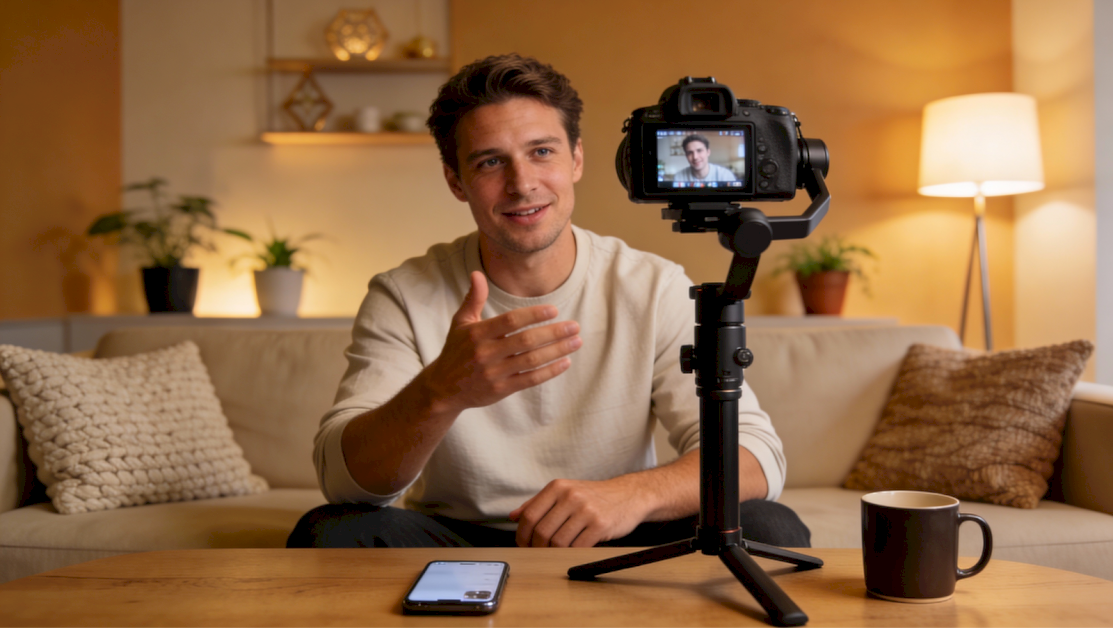
How Influencer Ads Boost Amazon & E-Commerce Sales in 2025
29th
December, 2025
Imagine this scenario: a niche gadget on Amazon sells out overnight after a TikTok video goes viral with the hashtag #TikTokMadeMeBuyIt. This isn’t luck – it’s the result of a savvy influencer ads strategy.
In 2025, influencer-driven advertisements are helping e-commerce brands and Amazon sellers connect with customers in more authentic, effective ways than traditional ads. These campaigns harness the trust and reach of content creators on platforms like TikTok and Instagram to showcase products through relatable stories and reviews.
In this blog, we’ll explore how influencer ads work, why they’re so powerful for online sellers, and how you can leverage micro influencers, user-generated content (UGC), and the latest social platforms to drive sales and boost ROI. You’ll see real campaign examples, learn actionable tips to craft your own influencer advertising campaign, and discover tools to make the process easier.
Why Influencer Ads Are So Effective
Trust and authenticity:
Influencer ads feel more like personal recommendations than polished promotions. Consumers tend to trust people over brands – one study found 84% of consumers trust peer recommendations above traditional ads. This means when a creator authentically showcases a product, their followers are more inclined to believe in it. Unlike a generic banner ad, an influencer’s post comes with built-in social proof.
Higher engagement:
Influencer content, especially from micro influencers, often sparks far more engagement than brand posts. Smaller creators cultivate tight-knit communities, so their audience pays attention. In fact, micro-influencers routinely achieve engagement rates 2–5× higher than macro-influencers. That active dialogue – think comments, DMs, shares – can translate directly into more conversions and sales driven by genuine interest.
Proven ROI:
It’s no wonder marketers are investing heavily in influencer marketing. Over 80% of marketers now say influencer marketing is highly effective. On average, brands earn about $5.20 in value for every $1 spent on influencer campaigns – a return that rivals or beats many other advertising channels. E-commerce companies see this payoff in tangible terms: lower customer acquisition costs and higher sales per ad dollar.
The TikTok effect:
Platforms like TikTok and Instagram amplify this impact. TikTok in particular has turned into a shopping discovery engine for Gen Z and millennials. A whopping 78% of TikTok users have purchased a product after watching a creator’s content about it. From viral “Amazon finds” to hashtag challenges, social video creates instant demand. When an influencer’s authentic review or demo resonates, viewers often click through to buy on the spot – boosting e-commerce sales fast.
In short, influencer ads work because they combine word-of-mouth credibility with the reach of social media. They inject human storytelling into marketing. For e-commerce brands and Amazon sellers, that means more engaged customers, more trust in your products, and ultimately more sales.
Unlock the Power of Micro Influencers and Elevate your Brand Today!
Influencer Ads in Action: Campaigns That Inspire
-
- Nike’s “Dream Crazier” (with Serena Williams): Nike’s 2019 “Dream Crazier” ad is a prime example of blending powerful storytelling with influencer credibility. The campaign, narrated by tennis legend Serena Williams, celebrated female athletes overcoming bias. Her authentic voice and personal story amplified Nike’s core message of empowerment, taking the campaign to another level. The spot aired during the Oscars and quickly went viral, proving that aligning a brand message with an influencer’s passion can deeply resonate with audiences.
- Fenty Beauty’s inclusive micro-influencer strategy: From day one, Rihanna’s Fenty Beauty embraced diversity by working with content creators of all skin tones. Instead of one-off ads, Fenty runs an always-on campaign that crowd-sources UGC from everyday beauty influencers. These creators post unfiltered product demos showing real skin and results, building huge trust. The inclusive approach not only showcased Fenty’s foundation range on different faces, but also fostered a community where customers saw themselves represented. The result? Massive brand awareness and a reputation as a category disruptor in cosmetics.
- Heinz and Ed Sheeran’s “EdChup” collaboration: When music superstar Ed Sheeran (a known ketchup superfan) casually invited Heinz to collaborate, the company jumped at the chance. The resulting campaign was equal parts authentic and humorous, featuring Ed’s own idea for a Heinz ad. The social media buzz was off the charts – the YouTube ad racked up over 10 million views. Heinz even released a limited-edition “EdChup” bottle that sold out, proving how an influencer’s genuine love for a product can fuel viral marketing success.
- Nike’s “Dream Crazier” (with Serena Williams): Nike’s 2019 “Dream Crazier” ad is a prime example of blending powerful storytelling with influencer credibility. The campaign, narrated by tennis legend Serena Williams, celebrated female athletes overcoming bias. Her authentic voice and personal story amplified Nike’s core message of empowerment, taking the campaign to another level. The spot aired during the Oscars and quickly went viral, proving that aligning a brand message with an influencer’s passion can deeply resonate with audiences.
Each of these campaigns shows a different angle of influencer advertising. Nike tapped an elite athlete’s voice to inspire millions. Fenty turned micro influencers into everyday brand ambassadors. Heinz co-created content with a megastar for viral effect. The common thread? Influencers were at the heart of the creative idea, not an afterthought. By trusting influencers to help tell the story, these brands achieved outsized results.
How to Launch a Successful Influencer Ads Campaign
Ready to put this into practice? Follow these steps to kick off an influencer-powered advertising campaign for your product:
-
- Define your goals and audience. Start by clarifying what you want to achieve. Is it boosting Amazon product sales, increasing website traffic, or growing brand awareness? Narrow down the target audience for your campaign (e.g. health-conscious millennials on Instagram, or budget tech shoppers on TikTok). Clear goals will guide your influencer selection and metrics.
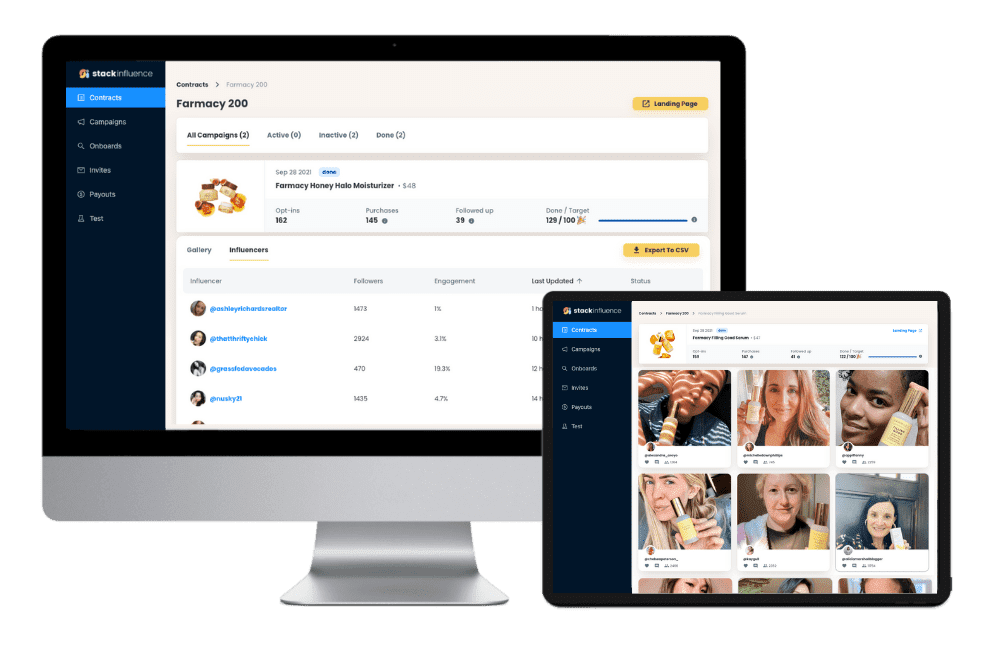
- Find the right influencers. Look for creators who align with your niche and have an audience that matches your target customers. For many e-commerce brands, micro influencers are ideal – their followers are exactly the kind of engaged niche audience you want. To streamline this process, brands use influencer marketing platforms like Stack Influence (great for sourcing micro-influencers at scale) as well as others such as Upfluence or Grin. These tools let you filter influencers by niche, follower count, engagement rate, and more. However you search, prioritize influencers whose personal brand and values fit well with your product.
- Collaborate on authentic content. Once you’ve lined up influencers, treat them as creative partners – not just ad channels. Share a clear creative brief that outlines your product’s key benefits and any must-have messages, but give influencers creative freedom to tell the story in their own voice. Influencers know what content resonates with their fans, so invite their ideas. Whether it’s an unboxing video, a quirky skit, or a heartfelt testimonial, authentic content will perform best. Provide them with your product to try, and encourage honest reviews or demonstrations. This approach yields content that feels real rather than like a scripted ad.
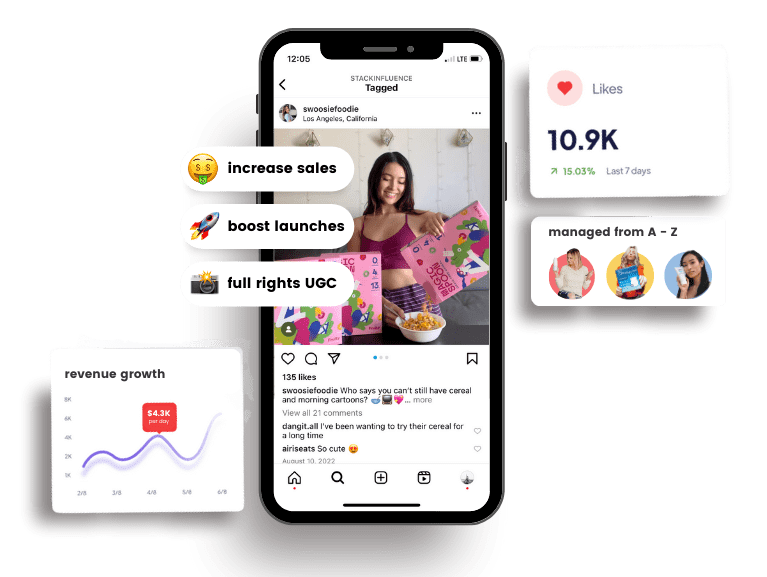
- Leverage UGC in your paid ads. Here’s where influencer ads truly shine: you can take the user-generated content (UGC) your influencers create and amplify it through paid advertising channels. For example, turn a catchy TikTok by your influencer into a Spark Ad, or run an Instagram Story that your influencer originally posted as a paid promotion from your brand account. Why do this? Because UGC-based ads often drastically outperform traditional ads – they can get 4× higher click-through rates and 50% lower cost-per-click. Audiences respond to ads that look and feel like organic posts. Just make sure to secure permission and proper licensing from your influencers to reuse their content in this way (typically discussed upfront in your agreement). Budget for those content usage rights as needed, since it’s well worth the ROI. By repurposing influencer content across Facebook, Instagram, TikTok, or even YouTube pre-roll, you extend the reach of that trusted content to a wider audience.
- Track results and optimize. As your influencer ads roll out, monitor performance closely. Use tracking links or promo codes to attribute sales to each influencer if possible. Watch metrics like engagement rates, click-through rates, conversions, and ROI for each piece of content. This data will show you what’s working best. Perhaps TikTok videos are driving more sales than Instagram Reels, or maybe one influencer’s content outperforms the others. Use these insights to refine your strategy – double down on the top-performing influencers and content formats in future campaigns. Influencer marketing is iterative; over time, you’ll learn exactly which creator partnerships yield the highest return.
- Define your goals and audience. Start by clarifying what you want to achieve. Is it boosting Amazon product sales, increasing website traffic, or growing brand awareness? Narrow down the target audience for your campaign (e.g. health-conscious millennials on Instagram, or budget tech shoppers on TikTok). Clear goals will guide your influencer selection and metrics.
By following these steps, even a small Amazon seller or niche online store can launch an influencer-driven campaign that punches above its weight. The key is to focus on the authentic connection between the influencer and the audience at every stage – from content creation to ad targeting – so that your promotions never feel forced.
Unlock the Power of Micro Influencers and Elevate your Brand Today!
Conclusion: Turning Influence into Revenue
In today’s social-media-driven marketplace, influencer ads have moved from a trendy experiment to a reliable growth engine. By weaving authentic creator content into your advertising, you can cut through the noise and earn the trust of jaded consumers. For e-commerce entrepreneurs and Amazon sellers, this strategy offers a powerful way to showcase products with built-in social proof – whether it’s a beauty micro-influencer demonstrating a skincare routine or a tech guru unboxing your gadget on TikTok.
The successful campaigns we discussed prove that influencer partnerships, when done right, drive real results – from viral brand moments to sustained sales lifts. The beauty is that any brand, big or small, can leverage these principles. The playbook is clear: find the right creators, empower them to share your story, amplify their content to reach more shoppers, and watch the engagement translate into revenue.
Influencer advertising is dynamic and always evolving, but one thing remains constant: people crave genuine connections. Brands that embrace this – by letting creators infuse authenticity into their ads – are the ones that will thrive in 2025 and beyond. So, start building those relationships with influencers who genuinely love what you offer. By turning happy customers and passionate creators into your brand advocates, you’ll not only boost your immediate sales but also cultivate a loyal community that keeps your business growing for the long run.
Ready to dive in? There’s no better time to experiment with influencer ads and see the impact on your own e-commerce success story. Tap into the creative power of content creators, and let their influence fuel your next wave of growth.

By William Gasner
CMO at Stack Influence
William Gasner is the CMO of Stack Influence, he’s a 6X founder, a 7-Figure eCommerce seller, and has been featured in leading publications like Forbes, Business Insider, and Wired for his thoughts on the influencer marketing and eCommerce industries.
Want new articles before they get published? Subscribe to our Awesome Newsletter.
stack up your influence
turning creativity into currency
our headquarters
111 NE 1st St, Miami, FL 33132
our contact info
[email protected]
stack up your influence
turning creativity into currency
our headquarters
111 NE 1st St, 8th Floor
Miami, FL 33132
our contact info



© 2025 Stack Influence Inc
© 2025 Stack Influence Inc
The post How Influencer Ads Boost Amazon & E-Commerce Sales in 2025 appeared first on Stack Influence.
