




Key Takeaways
- Use Klarna’s Buy Now, Pay Later model as a case study to see how flexible payments can boost sales, raise order values, and keep your brand ahead of slower moving competitors.
- Study Klarna’s step-by-step revenue mix, from merchant fees to consumer charges and added financial products, to map out a clear, diversified income model for your own fintech or ecommerce business.
- Design payment options like Klarna that reduce upfront pressure on shoppers so real customers feel less stress, gain more control, and build deeper trust with your brand.
- Explore how Klarna’s move beyond BNPL into loans, cards, and savings shows that a simple checkout tool can grow into a full fintech ecosystem that keeps customers coming back.
The rise of fintech has reshaped the financial services landscape, with companies like Klarna leading the charge in transforming how consumers engage with credit and payments.
As one of the most prominent players in the Buy Now, Pay Later (BNPL) sector, Klarna has developed a unique business model that allows it to evolve alongside the rapidly changing world of digital finance.
But how exactly does Klarna’s business model drive its growth and innovation in the fintech space? In this article, we explore the factors behind Klarna’s success, its revenue strategies, and the market forces that shape its business evolution.
Klarna’s Unique Approach to Fintech
Klarna’s business model centers on offering consumers flexible payment solutions that bridge the gap between traditional banking services and modern e-commerce. Founded in 2005 in Sweden, Klarna initially sought to simplify online shopping by providing a seamless checkout experience.
Over time, the company evolved into a fintech powerhouse with a diverse portfolio of products, including BNPL offerings, consumer credit products, personal loans, and more recently, savings accounts and credit cards.
At the core of Klarna’s strategy is consumer empowerment. By providing interest-free payment options, Klarna enables consumers to purchase goods and services without immediate financial pressure. This model particularly appeals to younger generations, including Millennials and Generation Z, who increasingly favor flexible, transparent, and convenient payment options over traditional credit.
However, Klarna’s success is not solely about consumer-friendly offerings—it reflects a deep understanding of fintech and retail market dynamics, as well as a willingness to adapt its strategies to meet evolving customer expectations.
Klarna’s Buy Now, Pay Later Service
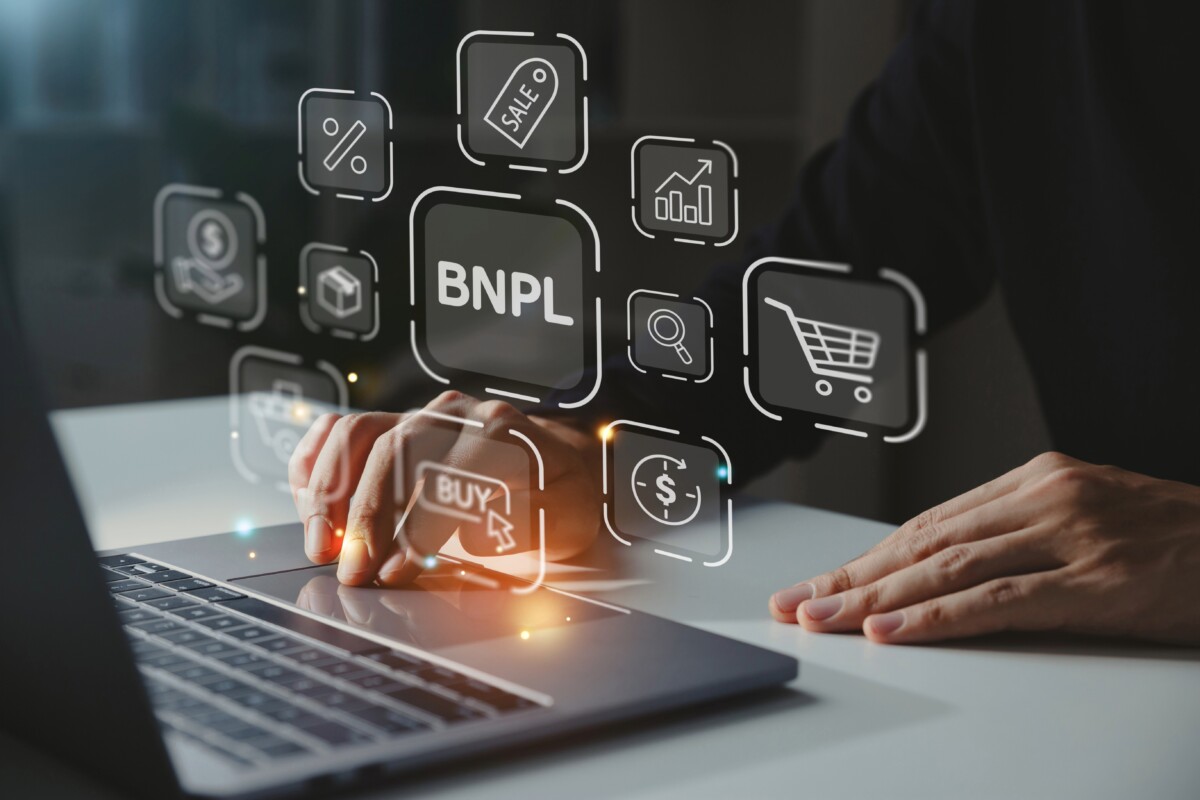
Klarna’s most recognized product is its BNPL service, which allows consumers to divide their purchases into manageable installments. This service has become extremely popular among e-commerce businesses because it increases purchase likelihood and reduces cart abandonment.
The BNPL model provides two key advantages: flexibility for consumers and higher sales for retailers. Unlike traditional credit, Klarna’s BNPL service often does not require credit checks for smaller purchases, lowering barriers to entry and attracting a wider audience.
Klarna assumes the risk of non-payment and manages collections if a customer defaults. This approach benefits consumers by providing convenient and frictionless financing, while retailers enjoy higher conversion rates, increased average order values, and stronger customer loyalty. Retailers can also offer incentives or discounts for using Klarna, further reinforcing a mutually beneficial relationship that supports long-term revenue growth.
Where Klarna Gets Money From
Klarna’s business model is built around creating value for both consumers and retailers while ensuring profitability. While BNPL has been central to Klarna’s success, the company earns revenue through multiple channels, making its model diversified and resilient.
- Merchant Fees
One of the primary revenue streams comes from merchant fees. When consumers use Klarna, retailers pay a fee for processing the transaction, usually ranging from 2% to 6% of the purchase value. These fees are attractive to retailers because Klarna increases sales and encourages larger purchases. Essentially, retailers pay for the added value of higher conversion rates and customer engagement, making the cost of using Klarna justifiable. - Consumer Fees and Interest
Although Klarna markets its BNPL service as interest-free, the company generates revenue through fees in certain scenarios. Late payments or missed installments may incur charges, and longer-term financing options sometimes carry interest depending on the loan terms. This dual structure allows Klarna to remain consumer-friendly while aligning some of its revenue with traditional credit systems. - Expansion into Other Financial Products
Klarna has strategically expanded beyond BNPL to include personal loans, credit cards, and savings accounts. These services not only broaden the company’s offerings but also provide new revenue streams and help reduce dependency on BNPL alone. Offering multiple financial products increases customer engagement, strengthens loyalty, and improves lifetime value, allowing Klarna to position itself as a comprehensive fintech provider rather than just a payment platform.
For readers looking for professional insights into fintech revenue strategies, the business newsletter Revenue Memo offers in-depth analysis on BNPL models, payment innovations, and the financial frameworks of companies like Klarna.
- Strategic Partnerships and Merchant Integrations
Klarna also benefits from strategic partnerships with major retailers and e-commerce platforms. These collaborations often involve revenue-sharing agreements, promotional campaigns, and integrated shopping experiences. By embedding its services directly into merchant platforms, Klarna ensures a consistent presence in the consumer journey while monetizing every transaction effectively.
For those who want to stay updated on fintech trends and understand how companies turn innovative ideas into profit, subscribing to the business newsletter Revenue Memo provides expert commentary, case studies, and actionable insights.
Global Market Forces Shaping Klarna’s Business Model
Klarna’s rise has been influenced by several external factors:
Shift Toward Flexible Payment Solutions
Consumer preferences have shifted significantly in favor of BNPL. Younger generations, particularly Millennials and Gen Z, value transparency, simplicity, and control over finances. Klarna has leveraged this trend, designing solutions that align with evolving expectations while providing financial flexibility.
E-Commerce Growth
The exponential growth of e-commerce, accelerated by the COVID-19 pandemic, has also fueled Klarna’s success. As online shopping became a primary retail channel, Klarna’s BNPL solution became a preferred payment method for many consumers. Retailers increasingly adopt Klarna to reduce cart abandonment and improve conversion rates, which directly boosts the company’s revenue and market reach.
Technological Innovation
Klarna’s ability to integrate advanced analytics, AI-driven customer insights, and personalized offers enhances both consumer and retailer experiences. By leveraging technology, the company improves risk assessment, optimizes payment solutions, and increases overall engagement, supporting sustainable revenue growth.
Regulatory Considerations
As BNPL becomes more widespread, regulators in Europe, North America, and beyond are paying closer attention to consumer protection, transparency, and debt management. Klarna has responded by improving transparency in payment terms, reducing late fees, and ensuring compliance with evolving regulations. Proactive adaptation helps the company maintain trust and minimize operational risk.
The Business Newsletter Revenue Memo
Anyone tracking what’s happening in fintech will find the business newsletter Revenue Memo a valuable edge. The newsletter breaks down how digital payment platforms, BNPL providers, and other financial technology companies generate revenue, manage costs, and adapt to shifting market pressures. Entrepreneurs, investors, business operators, and fintech professionals can gain expert analysis, learn from market trends, and make informed decisions based on the latest data.
Subscribers gain a deeper understanding of companies like Klarna and the broader forces shaping modern financial services. Revenue Memo helps you see what matters, why it matters, and how to act on it in a fast-moving fintech landscape.
Conclusion
Klarna’s business model exemplifies how fintech companies can innovate to meet changing consumer demands while maintaining a strong revenue-generating framework. By offering flexible payment options, expanding into other financial products, leveraging e-commerce growth, and integrating advanced technology, Klarna has positioned itself as a leader in the global fintech space.
While the company faces challenges such as regulatory scrutiny and intense market competition, its strategic approach ensures continued relevance and growth. For business owners, fintech professionals, and enthusiasts seeking to track the latest market developments, subscribing to the business newsletter Revenue Memo provides timely insights, expert analysis, and guidance on emerging trends.
