


Stop Chasing the Wrong Metrics—How to Build a Brand Worth Talking About
Every scaling ecommerce leader gets stuck in the same trap: you start off obsessed with top-line numbers—followers, likes, viral reach—thinking these are the signals of a brand that’s working. But then the real frustration hits: high traffic, weak sales, flat repeat purchase rates, and a sense you’re not building anything people actually miss.
If you’re feeling it, you’re not alone. After nine years in the trenches, and conversations with over 400 growth-driven Shopify founders, here’s the punchline that keeps surfacing: attention without trust is worthless. The true currency in ecommerce isn’t audience size, it’s the word-of-mouth that happens when you create something so remarkable, so talk-worthy, that your customers do your marketing for you.
This is exactly what came up when best-selling marketing icon Seth Godin joined The 505 Podcast. His thesis? Most brands are measuring the wrong things, chasing growth hacks instead of building something that earns real advocacy. This article breaks it all down—what Seth gets right, the traps to avoid, and the step-by-step moves to make if you actually want your ecommerce brand to matter.

Let’s get real about what’s blocking next-level growth for most scaling DTC brands:
Here’s where most brands go wrong: they’re not remarkable. They’re good, maybe very good. But nobody feels compelled to tell a friend. The result? Acquisition costs creep up and organic growth dies. This is why you can see mega-creators with millions of followers struggling to convert traffic to sales, while small brands with tight communities continue to quietly sell out, quarter after quarter.
“Marketing is not about hustle or hype,” Seth says. “It’s telling a true story to people who want to hear it and creating a story people want to spread.”
You can chase every status update, every content challenge, and every paid hack. But if you’re not building trust and mattering enough to be missed, you’re off track.
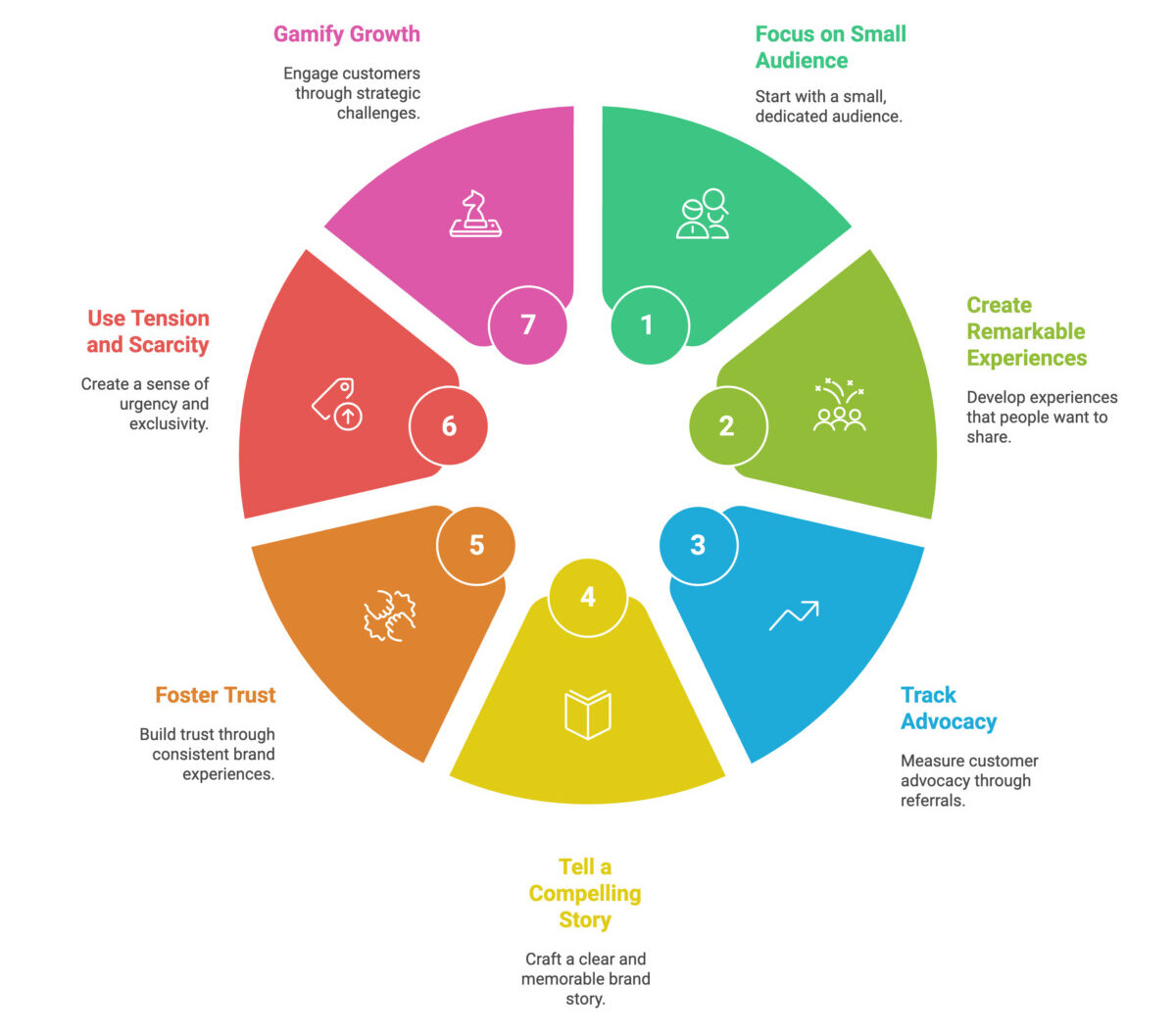
Stop thinking big. Get laser-focused on your smallest, real audience—the first 10 or 100 customers who truly care. If you can win their trust and advocacy, growth follows.
Exercise: Ask yourself, “If I lost all my customers today, who would actually miss my brand? Who would talk about it unprompted?”
If you don’t have at least ten people raving, you have a product or story problem, not a coverage problem.
“Remarkable” means worthy of a remark—something people need to discuss.
Real talk: Does your product inspire word-of-mouth? Would people line up for it, even when they already have something similar? Look at brands like Supreme or the cult bakeries and shops you see with out-the-door lines. They’re not just selling products—they’re creating status, affiliation, and moments that demand to be shared.
Seth is crystal clear: Likes, followers, superficial metrics are “false proxies.” They’re easy and addictive, but they distract from the real scoreboard: are your customers talking about you? Is every purchase leading to another, because someone shared their experience?
You can measure this—just ask new customers exactly how they found you, and start building systems that encourage referrals and word-of-mouth.
People buy stories, not specs. Supreme’s $120 t-shirt isn’t about fabric—it’s about what it means to wear Supreme, and what status it confers.
If sales are slow, don’t blame the market—revisit your story. Is it clear, specific, and memorable? Or can it be copied and forgotten?
Forget hype around “authenticity.” As Seth notes, consistency builds trust. Professional, steady delivery of your promise, over time, is what’s expected.
Building a consistent brand experience at every touchpoint directly boosts customer trust and loyalty. For more actionable strategies on this, take a look at Why Consistent Branding Matters in Ecommerce.
All great marketing infuses a feeling of “this might not last” or “I might miss out.” True tension isn’t hype, it’s the feeling of staking your status or reputation, knowing you can’t have everything all at once.
Scarcity isn’t just a tactic—it’s a way to serve only those truly invested. Hermes isn’t selling to everyone, and they don’t try.
Markets are games—there are rules, players, and strategies. If you treat every new challenge as a strategic game (instead of a personal attack or random luck), you keep your head and find better moves.
But the game has to serve the mission. If you “win” at viral content, but your product and story are average, growth stalls out fast.
Supreme’s t-shirts sell out not because of quality or reach, but because of carefully managed scarcity and a community who signal status by owning them. Every time Supreme drops, customers do the marketing—the brand is a conversation starter.
Derek Sivers, founder of CD Baby, sent out memorable, personal emails to every new customer—a tiny, unscalable gesture with massive payback. It turned transactions into memorable moments, compelled sharing, and built long-term loyalty.
Seth cut through the noise on Amazon knockoffs: Don’t compete for the bottom of the market. When your story is clear, your community knows why they’re paying a premium. If budget buyers flock to a dupe, that’s not lost business—they were never your core audience.
The takeaway: There is no difference. Your brand—personal or company—is a promise. It’s what people expect from the next purchase, the next interaction, the next piece of content. You are what you consistently deliver.
We’ve seen this pattern with Shopify brands again and again—from building trust signals into your store to delivering a brand experience that matches up at every stage of the customer journey. Want more? Review Ways to Build Trust on Ecommerce Platforms for tactics you can execute this month.
Would we miss you if you were gone? Are you offering us status or affiliation? — Seth Godin
If people aren’t buying, the problem isn’t them—it’s your story. — Seth Godin
Trust can be built without a lot of attention, and that’s worth far more than attention without trust. — Seth Godin
Find 10 perfect people. If it doesn’t work for them, make something better. If it does work for them, perhaps they’ll tell the others. — Seth Godin
Building a magnetic brand today means more than just selling products—it means creating experiences and trust that customers remember and share. Modern brands thrive by weaving together sustainability, digital innovation, and personal touchpoints. The smartest ecommerce leaders are using eco-friendly packaging, vivid unboxing with AR or QR codes, and authentic storytelling to stand out in a crowded market. Utilizing rare earth magnets in products or packaging not only highlights innovation but also supports the growing demand for sustainable choices.
To win and keep attention, focus on every stage of the customer journey. Design clear, engaging sales funnels that lead shoppers smoothly from discovery to purchase, optimizing every interaction for ease and excitement. Invest in strong lead magnets like quizzes, early access offers, or helpful downloads tailored to real customer pain points. Adopting AI-driven tools such as chatbots and data-powered personalization streamlines the shopping experience, builds trust, and lifts conversion rates—even when digital marketing channels feel crowded.
If you want your brand to be truly magnetic, start by mapping your sales process, reviewing where shoppers drop off, and brainstorming ways to add delight or remove friction at each touchpoint. Experiment with elements like recyclable packaging, interactive surveys, or quick, friendly customer support to strengthen your brand’s appeal in every engagement.
The journey doesn’t end here. Apply these strategies to your current store, or dive deeper into advanced guides and podcasts on Ecommerce Fastlane for even more practical playbooks. When you focus on experience, values, and innovation, your brand doesn’t just attract customers—it keeps them coming back and telling others. Make your next move now, and let your brand’s magnetic pull work for you.
Pick up the phone or send a direct message to your last 10 new customers. Ask them what made them buy—and would they recommend your brand to a friend. Document every answer. If the answers aren’t strong, you know where to focus next.

Magnetic brands build loyalty by combining exceptional products, authentic storytelling, and personal touches at every step of the customer journey. Features like eco-friendly packaging, memorable unboxing experiences, and attentive support help shoppers feel valued and eager to return.
Start by improving your packaging with recyclable materials or interactive elements like QR codes that share your brand story. Use clear sales funnels and targeted lead magnets—such as quizzes or early offers—to help new visitors become happy, loyal customers.
Including rare earth magnets in products like organizational tools, bike lights, or sustainable packaging signals innovation and quality. These magnets tie your product to the growing trend of renewable technology and eco-friendly solutions, giving your brand an edge with conscious shoppers.
Storytelling connects your brand’s mission and values directly to your customers’ lives, turning every interaction into something personal and memorable. Share real customer stories, behind-the-scenes details, and founder insights to make shoppers feel like part of your brand’s journey.
AI tools, such as chatbots and product recommendation engines, allow you to personalize the shopping experience at scale, reducing friction and boosting conversion rates. AR-powered features can turn routine steps like unboxing or product selection into engaging, shareable moments for your customers.
Sustainable packaging shows shoppers that you care about the environment and pay attention to detail, which boosts trust and brand reputation. This commitment can increase customer loyalty and help justify premium pricing, especially for eco-conscious audiences.
Many believe you need a huge marketing budget, but real magnetism often comes from how you treat customers and deliver value, not just from flashy ads. Focusing on authentic connections and consistent experiences has a bigger, longer-lasting impact on customer retention.
Track repeat purchase rates, positive reviews, and customer referrals as key indicators of a magnetic brand. Monitor engagement in your community, like participation in product launches, interactive content, or shared user-generated content, to spot where your brand is gaining real traction.
A well-designed sales funnel guides visitors from first touch to purchase through targeted messages and offers, while effective lead magnets help you capture and nurture new leads who are interested in your products. Combined, they increase conversions and maximize the ROI of every visitor to your Shopify store.
Review your current customer journey and pick one touchpoint to upgrade—like offering a unique unboxing experience or personalizing your email follow-ups. Even a small change can begin to set your brand apart and show customers you go the extra mile.




