






How Pinterest Can Grow Your Brand and Boost Sales in 2025
1st
December, 2025
Pinterest is often the unsung hero of brand growth – a visual discovery engine where millions of users actively seek inspiration, products, and new ideas. Unlike other social platforms dominated by fleeting posts, content on Pinterest has a long shelf life and continues to drive traffic over time. In this guide, we’ll explore how Pinterest can grow your brand in 2025, covering its massive audience reach, high shopping intent, micro-influencer marketing opportunities, and strategic features you can leverage for sustained success. Let’s dive into why Pinterest is a game-changer for e-commerce businesses, Amazon sellers, content creators, and anyone looking to boost brand awareness through influencer marketing and UGC (user-generated content).
1. Massive Reach and Brand Discovery Potential
With over 460 million people using Pinterest each month, the platform offers vast reach for brands. In fact, roughly one-third of all U.S. adults use Pinterest regularly, making it the 4th most popular social network in the United States (just behind Instagram). What sets Pinterest apart is its focus on discovery: 80% of Pinners have discovered a new brand or product on Pinterest. Users often turn to Pinterest to find ideas and brands rather than following people they know. Critically, 96% of Pinterest searches are unbranded – users search for “home office setup” or “holiday gift ideas” instead of specific brands. This means new brands have a huge opportunity to be discovered through smart content and SEO, even if they’re not yet well-known. By consistently sharing valuable, inspiring content in your niche (for example, styling tips if you’re a fashion seller or recipe ideas if you’re a food brand), you can tap into this discovery mindset and grow your brand’s visibility among high-intent consumers.
Key benefits for brand awareness on Pinterest:
-
- Built-in audience of seekers: People come to Pinterest looking for new ideas, products, and trends – a golden opportunity for emerging brands to get noticed.
- Credibility through presence: Simply having a presence on Pinterest can boost your brand’s credibility. As one marketing strategist notes, “Having a presence on Pinterest can give your brand credibility,” lending trust when Pinners encounter your content.
- Evergreen exposure: Content on Pinterest doesn’t vanish in a feed; Pins can circulate for months or years as users continuously rediscover them via search and repins. This evergreen nature means one good Pin can keep attracting traffic and followers long after it’s posted.
- Built-in audience of seekers: People come to Pinterest looking for new ideas, products, and trends – a golden opportunity for emerging brands to get noticed.
Unlock the Power of Micro Influencers and Elevate your Brand Today!
2. High-Intent Shoppers that Drive E-Commerce Sales
Pinterest isn’t just about pretty pictures – it’s a shopping powerhouse. Three in four weekly Pinterest users say they’re always shopping or actively planning purchases. In fact, a whopping 85% of weekly Pinners have made a purchase based on a brand’s Pin. Unlike on many social networks where users passively scroll, Pinterest users often have a buyer’s mindset – they’re searching for things to try or buy. Over half of Pinners literally view the platform as a place to shop and find products.
This high purchase intent translates into tangible results for businesses. 44% of millennial Pinners have bought a product after seeing it on Pinterest, and on average Pinterest shoppers spend significantly more per month than those on other platforms. For e-commerce brands and Amazon sellers, this is huge. It means Pinterest can drive warm traffic to your product pages or Amazon listings – traffic that is primed to convert.
Moreover, Pinterest has been doubling down on shopping features. It introduced Product Rich Pins (showing real-time price and stock info), “Shop the Look” Pins, and a native shopping tab, making it easier than ever for users to go from inspiration to checkout. In 2023, Pinterest even announced a multi-year ads partnership with Amazon to bring more brands and relevant products onto the platform. When a user clicks an Amazon ad Pin, they’re taken directly to Amazon to purchase, creating a seamless path from browsing to buying. This partnership underscores Pinterest’s evolution into a full-fledged e-commerce hub and is great news for Amazon sellers – your products can gain extra visibility on Pinterest and benefit from Pinterest’s recommendation engine. Pinterest itself emphasized that brands and products are a critical piece of the user journey, enabling Pinners to go “from inspiration to action,” and its Amazon deal will scale these efforts of connecting high-intent users with products they’ll love.
How Pinterest drives sales:
1. High-intent traffic: Pinterest users often search with purchase intent (e.g. “workout outfit ideas” or “best camera for vlogging”), so they’re further down the funnel. By appearing in those searches, your brand reaches people ready to buy.
2. Seamless shopping features: Features like Shop tabs, buyable Pins, and integration with e-commerce catalogs let shoppers move from seeing your Pin to checking out in just a click or two. Half of Pinterest users view it as a shopping destination, not just a social site.
3. Off-platform conversions: Even if you sell on Amazon or your own site, Pinterest can send a steady stream of external traffic. This not only drives sales but can improve your product’s ranking on marketplaces like Amazon (thanks to the boost in external visits and conversions). It’s a win-win for Amazon sellers looking to expand beyond the crowded Amazon search results.
3. Leverage Micro-Influencers and UGC for Authentic Reach

Influencer marketing isn’t just for Instagram and TikTok – Pinterest has its own thriving community of content creators and micro-influencers who can help grow your brand. In fact, Pinterest operates more like a search engine, which means influencer-created content on Pinterest can continue to generate views and engagement long after it’s posted. When a micro-influencer creates a beautiful Pin featuring your product (for example, a home décor micro-influencer styling a living room with your furniture piece), that Pin can rank in Pinterest search results and keep driving traffic for months. Collaborating with these creators thus yields long-term benefits beyond the initial “campaign” window.
Micro-influencers – creators with smaller (often 5k–50k) but highly engaged followings – are especially powerful on Pinterest. Their audiences trust their recommendations and niche expertise more than they would a generic ad or a mega-celebrity endorsement. Partnering with multiple micro-influencers allows you to target very specific interests (e.g. vegan baking, DIY home office hacks, travel with kids) that align with your brand. This approach creates a broader yet still highly engaged reach across Pinterest, as each micro-influencer reaches a slightly different community. It’s also typically cost-effective, giving you more content and impressions for your budget compared to hiring one or two macro-influencers.
What might an influencer collaboration on Pinterest look like? Brands often sponsor creators to produce Idea Pins (multi-page story-like Pins) or standard Pins that showcase the brand in an organic, creative way. For instance, a beauty brand might team up with micro-influencers to create Idea Pins for “5 Nighttime Skincare Routines” featuring the brand’s products, or a recipe blogger might Pin a recipe using an Amazon seller’s spice blend. Influencers can embed product links or tags in these Pins, so viewers can shop the content instantly. Because Pins are shareable, a great piece of content from an influencer can be saved by thousands of users, multiplying its reach over time.
Another big advantage is the user-generated content (UGC) aspect. Influencer posts double as authentic UGC for your brand – content that doesn’t look or feel like a formal advertisement. Pinterest is a place where polished aesthetics and authenticity both matter; influencers excel at combining these by telling personal stories and showing real usage of products. Brands can reshare this UGC on their own Pinterest boards (with permission) to build social proof. For example, you might create a board titled “How real moms use [Your Product]” and pin Idea Pins from various micro-influencers or customers – giving potential buyers proof of concept from people like them.
Tip: Encourage your customers and followers to share their own pins featuring your products (perhaps via a contest or hashtag). This kind of UGC can then be added to your brand’s boards, showing a community around your product. It also creates a feedback loop: Pinners love seeing ideas from real people, which in turn inspires more users to try your product and share their experiences.
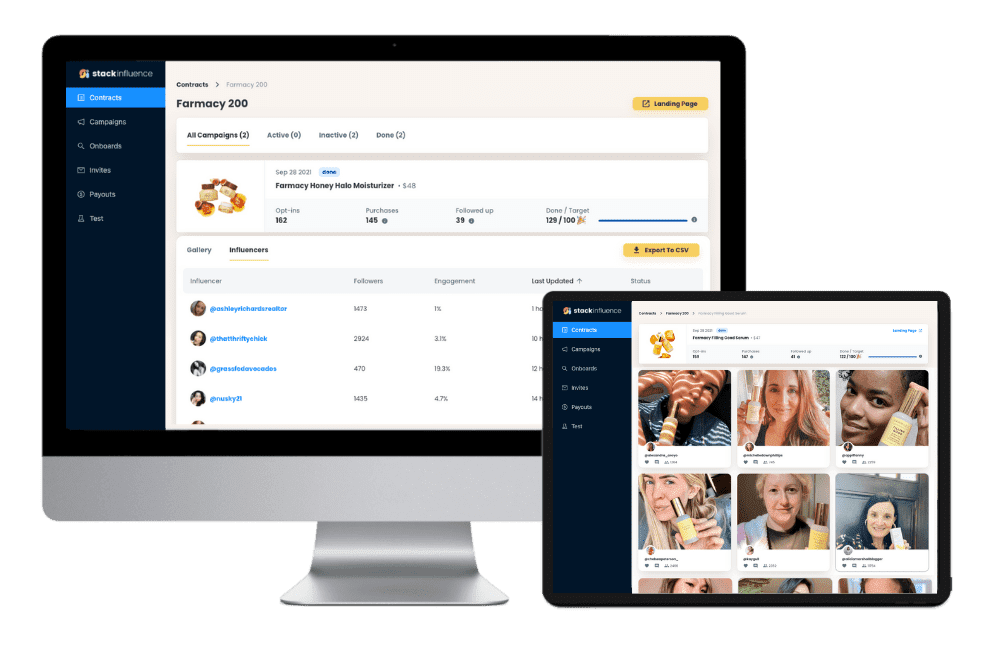
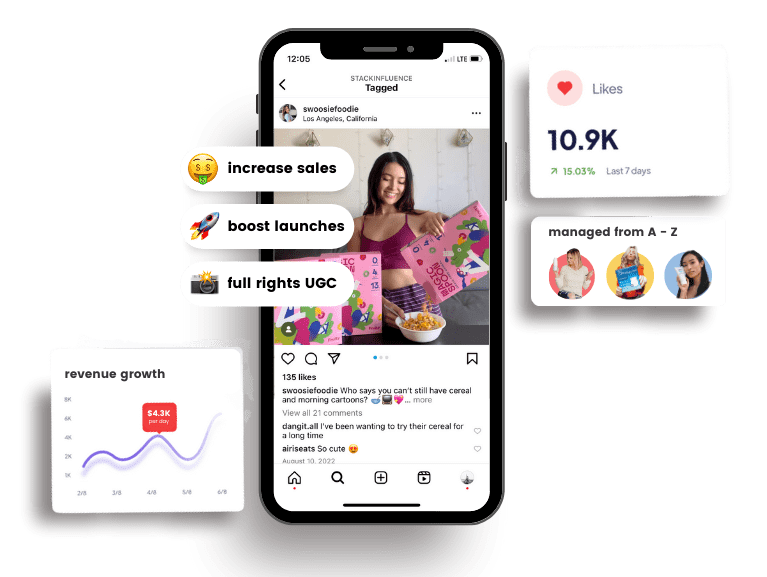
And don’t forget, you can find and manage influencer collaborations more easily than ever. Agencies and platforms like Stack Influence specialize in connecting brands with micro-influencers to produce scalable UGC campaigns. By teaming up with the right micro-influencers (e.g., a group of nano and micro creators on Pinterest who align with your niche), your brand can tap into authentic storytelling that builds trust with Pinterest’s audience. According to industry experts, collaborating with micro-influencers yields targeted marketing and high engagement while maximizing your marketing budget – exactly what a growing e-commerce brand or Amazon seller needs.
4. Evergreen Content and Visual SEO = Continuous Growth
Pinterest is often called a “visual search engine,” and for good reason. Success on Pinterest has a lot to do with Pinterest SEO – optimizing your content so that it appears in users’ searches and feeds over the long term. Unlike a tweet or an Instagram Story that disappears in 24 hours, a Pin can keep gaining traction weeks and months later. Patience is essential, as Pinterest content often gains traction over time rather than immediately. This means the effort you put into creating quality Pins today can pay off in sustained traffic and brand exposure down the line. It’s not uncommon for a Pin to suddenly go viral or see a resurgence months after it was first posted, as it gets discovered by a new wave of users searching that topic.
To harness this, focus on evergreen, searchable content. Think about the keywords your target customers might search on Pinterest. For example, a seller of kitchen gadgets should create Pins around terms like “easy cooking hacks” or “best kitchen tools 2025” – topics that people will search year-round. Use relevant keywords in your Pin titles and descriptions (just like you would optimize a blog post for Google). Pinterest’s algorithm will reward you by showing your Pins to users interested in those topics. The fact that nearly all Pinterest searches are unbranded means you don’t have to be a household name to show up; you just need the right keywords and compelling visuals.
Why Pinterest content keeps working for you:
-
- Visual search discovery: Pinterest’s lens and search technology can even surface your Pins when users search visually similar images. A well-designed product Pin might appear in the “more like this” suggestions to users browsing related ideas, snowballing your reach.
- Boards and saves amplify reach: When someone saves your Pin to their board, all their followers might see it in their home feed. So a single user’s engagement can expose your brand to many others. As Pins get saved and re-saved, they fan out to new audiences like ripples in a pond.
- Seasonal resurfacing: Pinterest usage is highly seasonal for certain topics (think wedding season, back-to-school, holidays). If you have Pins related to seasonal keywords, expect them to pop again at the right time each year. For instance, that “holiday gift ideas” Pin you made could drive traffic every holiday season without additional effort.
- Visual search discovery: Pinterest’s lens and search technology can even surface your Pins when users search visually similar images. A well-designed product Pin might appear in the “more like this” suggestions to users browsing related ideas, snowballing your reach.
To maximize this evergreen effect, ensure your pins are high-quality and actionable. Use attractive, vertical images (Pinterest favors the 2:3 aspect ratio), overlay text on images to highlight the topic or benefit, and make sure your branding is present but not intrusive. Rich Pins (which pull in extra metadata like price, ingredients, or ratings) are a great tool to provide context that can improve your SEO and click-through rate. Over time, as you build a library of content, Pinterest can become a passive traffic generator – consistently funneling new leads, email signups, and customers to your business with content you posted long ago.
5. Community Engagement and Positive Influence

One often overlooked aspect of Pinterest is its community features and positive user mindset. Pinterest users famously describe the platform as a “positive corner of the internet” – in one study nearly 78% of Pinners felt positive after using Pinterest, a stark contrast to some other social apps. This optimistic vibe is good news for brands: it means users are in a receptive mood, open to engaging with content that inspires them. Content from brands doesn’t interrupt on Pinterest – it inspires, as Pinterest likes to say. If your Pins spark creativity or solve a problem, users will welcome them rather than scroll past.
To deepen engagement, brands can utilize Pinterest’s community and collaboration features. For example, consider creating Group Boards around your niche. Group boards are shared boards that multiple users (invitees) can pin to. By inviting influencers, brand advocates, or even customers to contribute, you not only get fresh content but also tap into those collaborators’ followings. This can exponentially increase your exposure. Collaborative boards essentially turn your customers and partners into co-marketers. An artisanal bakery, for instance, could host a group board for “Holiday Baking Ideas” and invite micro-influencers or fans to pin their favorite recipes (including ones using the bakery’s ingredients). Not only does this generate UGC, but it fosters a sense of community around your brand.
Pinterest has also rolled out a Community tab/feature where users can connect with others in their interest areas. Brands can participate here to build direct relationships with creators and fans. In fact, joining or even creating a Pinterest community is a no-brainer for brands to engage their niche and connect with the industry’s influencers. By actively answering questions, offering tips, or highlighting follower contributions, you humanize your brand and turn followers into advocates.
Ideas to boost engagement on Pinterest:
-
- Host Pinterest contests or challenges: For example, “Pin to Win” contests (where users create a board and pin items from your website for a chance to win a prize) can drive a ton of interaction and introduce new people to your brand. Just be sure to follow Pinterest’s contest guidelines.
- Feature your followers: Create boards that showcase customer creations or testimonials (with their permission). If you sell crafting supplies, have a board for “Customer Projects We Love” and pin photos your customers share. This not only flatters those contributors but also shows prospects real-life uses of your product.
- Engage in comments and messages: While Pinterest isn’t as chat-centric as other platforms, users can comment on Pins. Keep an eye on your top Pins – if people ask questions (“Does this come in other colors?” “Love this, where can I buy?”), respond promptly. This kind of customer service and attentiveness can tip a potential buyer into a definite customer.
- Host Pinterest contests or challenges: For example, “Pin to Win” contests (where users create a board and pin items from your website for a chance to win a prize) can drive a ton of interaction and introduce new people to your brand. Just be sure to follow Pinterest’s contest guidelines.
Finally, remember that Pinterest’s tone is inspirational and aspirational. Aligning your brand with that positive ethos can pay dividends. For example, if you’re in the wellness space, pin motivational quotes or affirmations alongside your product images. If you’re an Amazon seller in home décor, create boards not just for your products but for “Dream Home Inspiration” that includes broader ideas. By becoming a source of inspiration, you’ll earn followers who associate your brand with positive feelings – and brand sentiment is a big part of long-term growth. Pinterest provides the perfect environment to nurture that through community and content.
Unlock the Power of Micro Influencers and Elevate your Brand Today!
Conclusion to How Pinterest Can Grow Your Brand and Boost Sales in 2025
Pinterest is no longer a “nice-to-have” in your social media mix – it’s a must-have for brands, especially in e-commerce, looking to drive sustainable growth. We’ve seen how Pinterest can grow your brand through wider awareness (thanks to its huge user base and discovery-focused design), increased sales (due to high-intent shoppers and new shopping integrations), and deeper engagement (via influencers, UGC, and community features). Whether you’re an Amazon seller trying to boost external traffic, a DTC e-commerce brand aiming to build buzz, or a content creator monetizing your influence, Pinterest offers unique advantages that few other platforms can match in 2025.
To recap, focus on creating valuable, visually appealing content that inspires Pinners. Optimize your Pins with keywords, and don’t be afraid to invest in Pinterest influencer marketing – those micro-influencers and content creators can authentically amplify your reach in ways traditional ads might not. As the data shows, Pinners are not just browsing; they’re buying and trying. All you need to do is meet them where their interests lie.

By William Gasner
CMO at Stack Influence
William Gasner is the CMO of Stack Influence, he’s a 6X founder, a 7-Figure eCommerce seller, and has been featured in leading publications like Forbes, Business Insider, and Wired for his thoughts on the influencer marketing and eCommerce industries.
Want new articles before they get published? Subscribe to our Awesome Newsletter.
stack up your influence
turning creativity into currency
our headquarters
111 NE 1st St, Miami, FL 33132
our contact info
[email protected]
stack up your influence
turning creativity into currency
our headquarters
111 NE 1st St, 8th Floor
Miami, FL 33132
our contact info



© 2025 Stack Influence Inc
© 2025 Stack Influence Inc
The post How Pinterest Can Grow Your Brand and Boost Sales in 2025 appeared first on Stack Influence.
