



How Rhode Marketing Drives Community Engagement in 2025
26th
December, 2025
Hailey Bieber’s Rhode Beauty skincare line isn’t just another celebrity brand – it’s a case study in community-driven marketing. In just three years, Rhode’s authentic approach helped it reach $212 million in sales and score a $1B acquisition deal with e.l.f. Beauty. This explosive growth wasn’t fueled by traditional ads or a massive ad spend. Instead, it came from a “Rhode marketing” strategy that puts community and engagement first. By focusing on micro influencers, user-generated content (UGC), and constant customer feedback, Rhode turned customers into a loyal community of brand advocates.
If you’re an e-commerce brand founder or Amazon seller, Rhode’s success holds valuable lessons. This post breaks down how Rhode marketing works and how you can apply similar tactics. We’ll explore Rhode’s owned content strategy, its use of everyday content creators and UGC, how customer feedback loops shape its products, and why engagement metrics mattered more than raw reach. You’ll see why a community-first approach can drive authentic engagement – and how adopting Rhode’s playbook can help your brand build trust, spark influencer marketing buzz, and ultimately boost sales. Let’s dive into the key strategies behind Rhode’s beauty boom and what they mean for your business in 2025.
Founder-Led Content: Authenticity Over Glossy Ads
Rhode’s marketing starts at the top, with Hailey Bieber herself acting as the chief content creator. Rather than slick, big-budget ads, Rhode leans on owned media that feels real and relatable. On TikTok and Instagram, Hailey posts casual “Get Ready With Me” skincare routines and low-key product demos filmed at home. These aren’t polished commercials – they’re more like personal stories. For example, a simple Sunday night skincare routine video shows how Rhode’s Peptide Glazing Fluid fits into Hailey’s life, making the brand feel like part of an attainable lifestyle, not just a product push.
Crucially, Hailey also engages directly with her audience. She often replies to follower comments and answers questions in her posts. This hands-on interaction signals that the brand is listening. Fans feel like their voices matter, which deepens their emotional connection. According to a Forbes analysis, Hailey “poured her essence” into Rhode and made it a reflection of her identity – so her followers felt they were buying into her lifestyle and values. That authenticity translated into trust and sales. In fact, modern consumers (especially Gen Z) are quick to spot anything inauthentic, and they reward brands that keep it real.
Takeaway: Use your own channels to humanize your brand. Founder or team member videos, behind-the-scenes looks, and honest stories make your content feel authentic. Keep the tone genuine over glossy. And don’t just broadcast – respond and converse. When the face of the brand (be it the founder or an employee ambassador) actively engages with comments, it makes your brand approachable and builds loyalty. Even without a celebrity founder, e-commerce brands can adopt this tactic by featuring real people (founders, employees, or passionate customers) in content. The goal is to replace impersonal ads with relatable, human content that invites interaction.
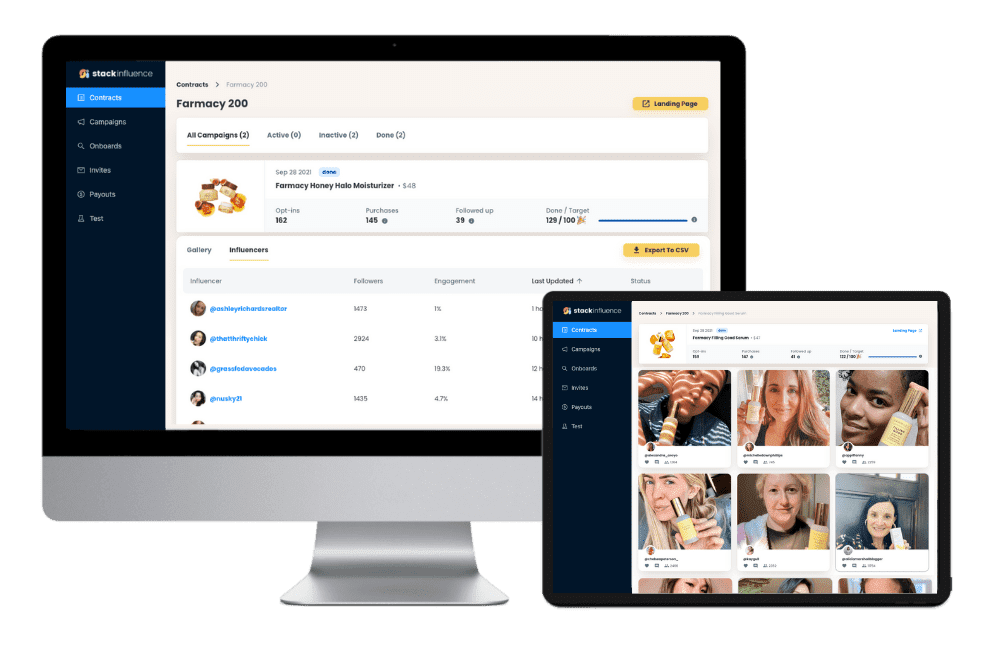
Unlock the Power of Micro Influencers and Elevate your Brand Today!
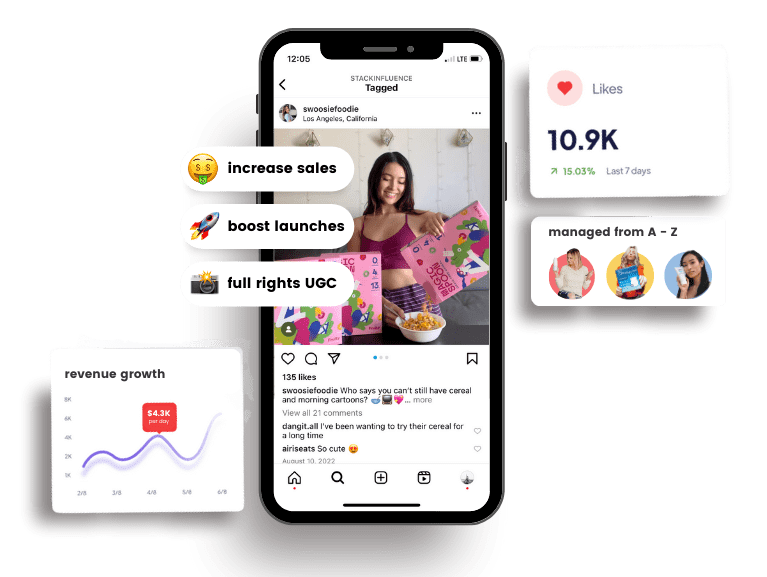
Everyday Voices: UGC and Micro-Influencers Build Trust

A cornerstone of Rhode marketing is tapping into content not created by the brand. By amplifying user-generated content and partnering with micro influencers, Rhode turns everyday fans into a powerful marketing engine. This strategy has two big benefits: it creates a stream of authentic content, and it boosts consumer trust through social proof.
User-generated content (UGC) includes any posts, videos, reviews, or photos that actual customers or fans share about the brand. Rhode actively encourages UGC – for instance, reposting TikToks of real customers unboxing Rhode products or sharing their “glazed donut” skin looks. Every time Rhode features a fan’s video or leaves a friendly comment on it, that fan feels seen and appreciated. It motivates others to join in and post their own content. Over time, Rhode’s hashtag (#rhode #rhodeskin) amassed hundreds of thousands of posts by users. The result is a constant buzz of Rhode mentions online, most of it organic and peer-driven.
This matters because consumers trust peers more than brands. A recent survey found 84% of consumers are more likely to trust a brand’s campaign if it features UGC. In other words, seeing everyday people genuinely loving a product is far more convincing than any slick ad copy. UGC acts as social proof – it shows that real customers endorse the brand, easing doubts for new buyers.
Rhode also leveraged micro-influencers – content creators with modest followings (say 5k–100k) who have highly engaged audiences. Rather than paying a few huge celebrities, Rhode sent PR packages and built relationships with many smaller influencers in beauty and skincare. These micro influencers would try Rhode products and share honest reviews or skincare routines on social media. Their content often didn’t feel like an ad; it felt like a friend sharing a recommendation. And because micro-influencers personally interact with their followers, their endorsements carry weight. In fact, micro and nano influencers often boast higher engagement rates than big influencers. For example, Instagram micro-influencers average about 0.99% engagement – the highest across all influencer tiers (even beating celebrities). That higher engagement means their followers are actively listening and reacting to what they post.
Rhode amplified this by frequently resharing micro-influencer posts and shouting them out. This two-way collaboration made influencers feel like part of the Rhode community, not just promo partners. It’s a virtuous cycle: influencers create content that spreads the word, Rhode gives them exposure and thanks, and other creators see that and want to join in. The brand accrues tons of relatable content and credibility through these “everyday voices.”
Takeaway: Encourage and showcase content from your customers and fans. This could be as simple as re-posting an Instagram story where a customer tagged your product, or running a hashtag campaign for customers to share their experiences. Partner with micro influencers who genuinely connect with your niche – their endorsements can come across as more authentic and targeted, which is ideal for niche e-commerce products or Amazon sellers seeking reviews. Remember, a smaller follower count with high engagement can beat a huge following with low interest. By leveraging UGC and micro influencers, you build trust through authenticity. People are far more likely to try your product if they see real people – not just your brand – vouching for it. As one marketing study put it, when consumers see content that feels real and relatable, it boosts brand credibility and purchase intent.
Feedback Loops: Let Customers Co-Create Your Products
One of Rhode’s smartest strategies is treating its community like a product development partner. Instead of making decisions in a vacuum, Rhode constantly listens to customer feedback and acts on it. This creates a continuous feedback loop: customers give input → Rhode adjusts or launches products accordingly → customers feel heard and become even more invested.
A great example is how Rhode handled demand for its Peptide Lip Treatment (often referred to by fans as the “Jelly” lip glaze). When the initial batches sold out quickly, fans flooded Rhode’s comments and DMs asking for a restock – some even begged for new flavors or shades. Rather than just chalking it up as a sold-out success and moving on, Rhode responded to this groundswell of demand. They announced not only a restock but also introduced new tinted variations of the popular lip treatment, directly answering the requests from fans. In essence, the community’s voice shaped the product line.
Rhode also uses tools like waitlists and polls to gauge what customers want next. If thousands join a waitlist for “Jelly lip glaze in strawberry”, that’s a clear signal to produce more and perhaps expand that flavor. By listening on social media (comments, tags, reviews) and via direct feedback channels, Rhode gets real-time insights. The brand then visibly closes the loop: it makes the requested changes or launches the product that fans asked for, and it publicly acknowledges that it did so because of their feedback (e.g., a TikTok announcement: “You asked, we listened – Jelly Lip Jelly Bean is coming back on August 27th!”).
This approach has huge payoffs in loyalty. Customers feel a sense of ownership and pride – they’re not just buyers, they’re contributors to the brand’s story. Marketing experts note that when people see their ideas or feedback come to life, it deepens their connection and increases brand loyalty. Essentially, Rhode has tapped into the power of co-creation: treating engaged customers like a kind of focus group and innovation lab. It’s no coincidence that Rhode’s fans are extremely loyal and often sell out new drops within minutes; they’ve helped build those products, so they’re emotionally invested in buying them.
Rhode formalized this concept into a simple Product Feedback Loop. Think of it in three parts:
-
- Customers Give Input – via comments, social DMs, reviews, waitlist sign-ups.
- Brand Takes Action – adjusts inventory, brings back popular items, launches new variants that customers requested.
- Brand Closes the Loop – announces the update and thanks the community for shaping it, making customers feel heard and valued.
- Customers Give Input – via comments, social DMs, reviews, waitlist sign-ups.
This loop repeats continuously. An added bonus is that it guides Rhode’s future strategy with far less guesswork – they’re essentially crowdsourcing product R&D from their most passionate users.
Takeaway: No matter your brand size, build a feedback loop with your customers. Encourage them to share opinions – run Instagram polls (“What flavor should we launch next?”), invite reviews and read them diligently, set up waitlists for out-of-stock items, or even create a VIP customer panel for brainstorming. Most importantly, act on that feedback when it makes sense, and tell your customers that you did. For example, an Amazon seller might notice many customers wishing a product came in a different color – launching that color and announcing “by popular demand” can turn those customers into advocates who feel heard. When customers see a brand evolving based on their input, it breeds loyalty and enthusiasm. They’ll often reward you with repeat purchases and positive word-of-mouth because they feel a personal stake in your success.
Demand-Driven Drops: Using Scarcity the Right Way
Another key aspect of Rhode’s strategy is how it creates hype through scarcity – but not in the manipulative “hard to get” way you might expect. Many brands use FOMO by slapping “limited edition” or releasing tiny batches to appear exclusive. Rhode flips the script: it lets customer demand drive the perception of scarcity, which comes off as more genuine and exciting.
Rhode often launches products in limited drops (a set quantity released at a specific time). These drops frequently sell out within minutes due to high demand, prompting waitlists of eager fans. For example, when Rhode introduced a new tinted peptide lip treatment in collaboration with Krispy Kreme (yes, a donut-themed lip gloss), the limited stock vanished almost immediately, and thousands signed up to be notified of a restock. The scarcity here wasn’t contrived – it was a natural result of intense interest and a small initial stock to test the waters. This kind of “excess demand” scarcity sends a powerful social signal: everyone wants this product. According to a 2023 meta-analysis in Psychology & Marketing, products that are scarce because everyone wants them (high demand) create stronger desire than products scarce due to deliberately restricted supply. In short, showing that many other people are buying is more persuasive than just saying “only 100 units available.”
Rhode also smartly highlights its waitlists and quick restocks as proof of popularity. When a drop sells out, Rhode prompts fans to “join the waitlist” and then publicly shares milestones (like “20,000 people on the waitlist!”). This not only keeps the buzz going between drops, but it reinforces that the product is hot. And when the item comes back, those on the waitlist rush to buy (often leading to another rapid sellout). This strategy aligns with research finding that emphasizing fast sell-outs and swift restocks due to demand can amplify perceived popularity.
There are a couple more nuanced ways Rhode leverages scarcity:
-
- Variant Limited Editions: Instead of making an entire product always scarce, Rhode often limits specific variants. For instance, a new shade or flavor might be a one-time drop. This “variety scarcity” (e.g., one color is limited) can spur collectors and fans to grab it, without alienating those who need the core product available regularly. Studies show scarcity of a specific variant (like a special shade) has more impact on desire than a blanket shortage of all products.
- Seasonal & Cultural Tie-Ins: Rhode times some drops with cultural moments – like a summer flavor launched mid-summer, or a holiday bundle in December. Seasonal or timely launches naturally have a built-in urgency (“get it before summer’s over!”). This aligns with research noting that seasonality amplifies urgency around scarce products. Rhode’s Krispy Kreme collab, for example, was a playful limited-time offering that got both skincare lovers and donut fans talking – and posting – about the drop, blending into pop culture conversations.
- Variant Limited Editions: Instead of making an entire product always scarce, Rhode often limits specific variants. For instance, a new shade or flavor might be a one-time drop. This “variety scarcity” (e.g., one color is limited) can spur collectors and fans to grab it, without alienating those who need the core product available regularly. Studies show scarcity of a specific variant (like a special shade) has more impact on desire than a blanket shortage of all products.
By using these approaches, Rhode’s “sold out” moments don’t frustrate customers; they energize the community. Fans wear a quick sellout as a badge of pride (“I got it before it was gone!”) and those who missed out feel compelled to join the next drop faster. The scarcity feels organic and community-driven, rather than a gimmick.
Takeaway: Scarcity can be a powerful marketing tool for DTC brands and Amazon sellers, but it works best when it reflects genuine demand or adds real value. Some tips to use it right:
-
- Highlight Popularity: Rather than just saying “limited stock,” show that an item is hard to keep in stock because so many people want it. For example, mention “back by popular demand” or share that a waitlist is open due to high requests. This creates positive FOMO – people want to be part of what others are excited aboutinfluencity.com.
- Limit the Right Things: Consider limited editions of styles or bundles (not your core product that new customers need access to). Offering a special version for a short time can spike interest without making your whole brand feel inaccessibleinfluencity.com.
- Time it with Events: Launch scarcity campaigns around seasons or cultural events relevant to your audience. This makes the product feel more special (e.g., a summer drop or an Amazon Prime Day exclusive). It gives people an extra reason to buy now.
- Always Deliver Quality: Scarcity only builds long-term value if the product lives up to the hype. Rhode’s products have a reputation for quality and aesthetic appeal (part of the “clean girl” trend) so owning them signals being in-the-know. Ensure that whatever you make scarce is something customers will rave about when they get it – that word-of-mouth will drive the next wave of demand.
- Highlight Popularity: Rather than just saying “limited stock,” show that an item is hard to keep in stock because so many people want it. For example, mention “back by popular demand” or share that a waitlist is open due to high requests. This creates positive FOMO – people want to be part of what others are excited aboutinfluencity.com.
When done right, demand-driven scarcity not only boosts immediate sales but also strengthens your brand’s aura. People love being part of “the next big thing,” and your job is to make your product launches feel like can’t-miss events.
Rhode Marketing Focus: Engagement Over Reach
A crucial lesson from Rhode’s rise is that engagement beats raw reach. In the social media era, it’s easy to fixate on follower counts or impressions. But those big numbers mean little if the audience isn’t actively connecting with your brand. Rhode’s success came not from having the most followers, but from creating the most engaged community. On TikTok, for example, #Rhode and #RhodeSkin amassed hundreds of thousands of user posts – an avalanche of interactions that far outweighed Rhode’s own follower count. Each comment thread, share, or fan video is a sign of genuine involvement, not just passive awareness.
Marketers often talk about “vanity metrics” – numbers like reach or impressions that look impressive but don’t necessarily translate to meaningful outcomes. Rhode avoided the vanity trap by prioritizing engagement metrics: comments, shares, UGC volume, repeat customer rate, and so on. The brand measures success by the depth of customer participation, not just breadth of exposure. This approach paid off in tangible ways: high engagement drove repeat sellouts, massive earned media value, and an intensely loyal fan base. Essentially, Rhode turned its community into its marketing engine, which is far more sustainable than spending big to constantly reach new eyeballs who might scroll past.
Even research backs this focus. Marketing experts note that engagement is the only metric that shows a user is actively interacting with your content or brand, whereas reach just shows they might have seen it. In other words, 1,000 engaged followers can be more valuable than 100,000 passive followers. High engagement means your content resonates and your customers care – which is the foundation for conversions and loyalty. As a ClearVoice report put it, “engagement trumps impressions and reach” when it comes to meaningful marketing impact.
Rhode exemplified this by not chasing every possible follower, but by nurturing the fans it had. Hailey Bieber didn’t post constantly; she posted selectively and interacted intensely, yielding high engagement rates on each post. The brand also concentrated on platforms where it could spark conversations (like TikTok and Instagram) rather than spreading thin across every channel. The takeaway is quality of interactions over quantity of views.
Takeaway: Track and celebrate metrics that reflect engagement and community activity:
-
- On social media, look at comments, shares, saves, and UGC counts more than just impressions or follower growth. For instance, if you’re running an influencer campaign, 10 video reviews with strong comment sections can be more impactful than one post that reaches 1 million people but gets little response.
- For e-commerce, engagement metrics might include repeat purchase rate, product reviews, referral traffic from customers sharing links, or participation in your brand’s online groups/communities. These indicate a loyal customer base forming, which is gold for long-term growth.
- Internally, shift your mindset from “How many people can we get this in front of?” to “How deeply can we get people involved?”. A smaller but engaged audience will outperform a large disengaged one in driving actual sales and advocacy.
- Use engagement as a feedback signal. If certain content gets lots of engagement, do more of that – it’s what your audience values. If something falls flat, learn and adjust. This ensures you’re always optimizing for what truly connects with customers.
- On social media, look at comments, shares, saves, and UGC counts more than just impressions or follower growth. For instance, if you’re running an influencer campaign, 10 video reviews with strong comment sections can be more impactful than one post that reaches 1 million people but gets little response.
In summary, Rhode marketing teaches that reach alone doesn’t guarantee results. It’s the community interactions – comments buzzing with excitement, fans posting their own content, customers returning for each new drop – that indicate a brand with staying power. By focusing on engagement, you build a tribe of supporters who amplify your message for you and stick with your brand for the long haul.
Unlock the Power of Micro Influencers and Elevate your Brand Today!
Conclusion to How Rhode Marketing Drives Community Engagement
Hailey Bieber’s Rhode Beauty boom shows that the real power in marketing comes from community and authenticity. Rhode didn’t rely on one-way celebrity promotion or generic ad campaigns. The result? A cult-like following and rapid, organic growth that many legacy brands envy. The beauty is that you don’t need a celebrity or a huge budget to implement this approach. Any e-commerce brand or Amazon seller can start applying “Rhode marketing” principles by putting customers at the center of their strategy. That could mean featuring real customers in your Instagram posts, inviting influencer partners to truly collaborate (not just transact), crowdsourcing ideas for your next product variation, or creating excitement with limited-time offers driven by popular demand.
What matters most is making people feel part of your brand, not just consumers of it. When your customers feel heard, seen, and valued, they become loyal advocates who will create content for you, refer others, and support every new launch with enthusiasm. This kind of engaged community is something money can’t directly buy – it’s earned through genuine interaction and trust over time.
As you plan your marketing for 2025, take a page from Rhode’s playbook: focus on building a brand that acts like a community leader. Prioritize authenticity in your content, work with relatable creators, listen and respond to your fans, and build real excitement around your products. The payoff is a sustainable growth engine that can propel your brand to new heights – possibly even your own “Rhode to success.”
Call to Action: Ready to turn your shoppers into a passionate community? Start now by implementing one Rhode-inspired tactic in your next campaign. Engage a few micro-influencers in your niche, repost a customer’s rave review, or poll your audience for what they want to see next. Small steps in community-building can drive big results in engagement and sales. In the era of community-first marketing, the brands that win are those that make their customers feel like insiders. It’s time to transform your marketing from a monologue into a dialogue – your future loyal fans are waiting to be heard.

By William Gasner
CMO at Stack Influence
William Gasner is the CMO of Stack Influence, he’s a 6X founder, a 7-Figure eCommerce seller, and has been featured in leading publications like Forbes, Business Insider, and Wired for his thoughts on the influencer marketing and eCommerce industries.
Want new articles before they get published? Subscribe to our Awesome Newsletter.
stack up your influence
turning creativity into currency
our headquarters
111 NE 1st St, Miami, FL 33132
our contact info
[email protected]
stack up your influence
turning creativity into currency
our headquarters
111 NE 1st St, 8th Floor
Miami, FL 33132
our contact info



© 2025 Stack Influence Inc
© 2025 Stack Influence Inc
The post How Rhode Marketing Drives Community Engagement in 2025 appeared first on Stack Influence.