







Launching an eCommerce store and hoping visitors become loyal customers is a lot more than just putting products online and waiting for sales to roll in. Strategically, identifying the proper tools, drawing out the blueprint, and the rest of the information play a major role in success in this space. Success requires a thoughtful approach that balances technical setup with customer-focused strategies.
With the right combination of steps, anyone can have a shop that converts visitors into paying customers who keep coming back for more. Let’s explore the essential components that transform a basic online store into a thriving eCommerce business. Reliable WordPress hosting provides the foundation needed to support a scalable eCommerce platform that can handle traffic spikes and secure transactions.
Defining the Store’s Purpose and Target Audience
Step one in building a successful online store is to determine what the business is about, what products or services it sells, and what audience it targets. The answers you find inform every subsequent decision—from website design to marketing strategies. Knowing who will be visiting the store can help indicate the tone of product descriptions, the layout of the website, and even the kind of customer service that would accompany the store.
Choosing a Platform and Tools
Select an online store platform that is both easy to use and scalable. Solutions provide different features, including built-in payment gateways, customizable templates, and tools to manage inventory. The platform that fits their business must not only support the initial requirements but must also be a flexible solution for the future. Things like security features, responsiveness to mobile devices, and the ability to easily update item listings are greatly influential to the long-term effectiveness of a store.
Creating a User-Friendly Store Design
Having a clean, appealing, and straightforward design can be the difference between turning browsers into buyers and going entirely unnoticed. The design should allow visitors to navigate from the homepage to the checkout page seamlessly. Simple navigation menus, another easily accessible search area, and easily categorized products help individuals locate what they want to purchase with minimal effort. With quality images and succinct descriptions, you can also ensure that anyone browsing through your products can have the information they need to choose with confidence.
Crafting Compelling Product Pages
Product pages are your showroom and your salesperson. By including high-resolution images with detailed descriptions, transparent prices create trust between consumers and shoppers. Take several photos from different angles, zooming in, and even videos; they help customers imagine better what they are buying. Use customer reviews and ratings to give customers confidence that other visitors had a good experience and to help undecided shoppers feel comfortable moving forward with the purchase.
Implementing Effective Marketing Strategies
After launching your store, getting people to visit it becomes goal number one. Search engine optimization allows one to rank higher in search results, bringing organic traffic to the site. All marketers use social media marketing, email campaigns, and content creation to develop an active audience. According to Investopedia, digital marketing strategies that combine multiple channels typically yield better results than single-channel approaches. Paid ads can also serve to generate quick results, but they are only one part of the equation and should ideally be paired with continuous brand-building and reputation efforts.
Make It Convincingly Transparent
No matter how good your eCommerce business is, converting first-time visitors into repeat customers depends quite heavily on trust. Having all your policies—such as shipping, returns, and privacy—clearly delineated on your website can eliminate any uncertainty and help drive that sale. When product descriptions and company values are shown as authentic and less forced, it makes developing long-term relationships with shoppers easier, especially as a form of customer relations.
Utilizing Analytics to Improve Performance
Tracking the behavior of visitors can reveal valuable insights into what is working well and where there is room for improvement. Analytics tools allow store owners to monitor traffic sources, popular products, and conversion rates. This data can inform decisions about marketing campaigns, website updates, and product offerings. Regularly reviewing and acting on analytics ensures that the store continues to meet customer needs and adapt to changing preferences.
Enhancing Product Discovery and Recommendations
To be more successful, let them find out what they are interested in. Search functions, recommendations for similar products, and other features can safely direct a shopper toward products they otherwise might not have found. With effective filters and sorting options, users can easily narrow their options and quickly locate what they are looking for, increasing the likelihood of a purchase.
Fostering Customer Loyalty Through Engagement
To build repeat business, your work does not stop after the initial sale, and so you need ongoing engagement. Loyalty programs, personalized offers, and constant engagement ensure that customers come back. Sending thank-you messages, soliciting feedback, and rewarding returning shoppers with offers and vouchers can foster a growing sentiment of appreciation. Persistent engagement progressively enhances the customer life value and maintains the relationship.
Ensuring Fast and Reliable Delivery
Delivery speed and reliability drive customer satisfaction and encourage repeat purchases. A simple way to improve the experience is to offer a range of shipping options, provide tracking information to customers, and avoid keeping them in the dark about their package. Transparency when it comes to delivery times, paired with proactive management of issues that may arise, will prevent dissatisfaction from taking place and will encourage good ratings.

Efficient Inventory and Supply Chain Management
Good inventory management avoids overselling and running out of stock. Some systems can even keep track of stock levels, alerting you when an item is running low, and help you prepare a new order automatically. An effective and timely supply chain should handle products when necessary to prevent delays in profitable shipping to customers. According to the U.S. Small Business Administration, proper inventory management is vital to maintaining healthy cash flow and meeting customer expectations. At the same time, good inventory practices allow for seamless operations on sale day and help prevent shaking customer trust in your business.
Adjusting Based on Customer Feedback and Market Changes
Customer feedback creates room for improvement. Through reviews, surveys, and plain old talking to one another, shoppers reveal what they love and what they hope will be different. By being aware of the shifting trends in consumer preferences, the store can refresh its inventory and remain competitive. With flexibility and willingness to work with feedback, the store stays in its lane and resonates with the audience.
Safeguarding Customer Data and Upholding Security
There are many shoppers who share personal and payment information; therefore, online security is very critical to ensure that the trust of the shoppers remains. The security measures taken in integrating payment gateways, encrypting sensitive information, and complying with privacy laws protect the business and its users alike. Frequent security audits and updates identify potential threats and stop breaches to create safety for customers as they shop.
Creating a Memorable Brand Identity
An online store with a unique and consistent brand identity stands out from its competitors. Familiar logos, consistent colors, and distinct voices stick in your mind. Keeping the brand message consistent across all platforms, such as social media, packaging, and consumer communication, strengthens brand image. Having a strong identity attracts attention and builds loyalty and associations with the store.
Testing the Store Experience, Improvements
Continuous improvement is the secret to long-standing achievement. By continually testing various aspects of the site, including design elements like page layouts, product images, and call-to-action buttons, it can demonstrate methods to increase conversion rates. Collecting data from these tests and adjusting based on the results helps you streamline the experience. Maintaining this experimentation approach guarantees the store’s alignment with evolving user expectations and technological trends.
Expanding Product Offerings and Upselling
Adding more products or expanding categories as the store matures allows it to reach larger audiences and increase sales. Encourage customers to spend more per trip by bundling complementary items, offering upgrades, and creating package deals. Upselling and cross-selling are great ways to sell more, but only if you use them sparingly and add value without being obnoxious or overwhelming shoppers.
Collaborating With Partners and Influencers
Partnership development with influencers goes a long way in targeting new audiences for the store. Such partnerships can take the form of sponsored posts, reviews, or co-promotions that expose the brand to new consumers. Choosing partners who have a similar value system to that of the store leads to authenticity and eventually better credibility among various communities.
Maintaining Consistent Communication and Updates
Updates about new products, promotions, and whether any company practices have changed help retain an interest in the customer base. The store stays in customers’ minds by providing valuable information regularly in newsletters, blog posts, social media posts, and updates. Being transparent with customers regarding changes, whether it is in the form of shipping delays or any policy change, builds customer trust and indicates the willingness to keep customers in the loop.
Encouraging User-Generated Content
Customer reviews, recommendations, and posts on social media are examples of user-generated content that adds credibility and provides an organic view of products. Having shoppers post their purchases and experiences will cultivate a feeling of community around that shop. This also provides more social proof that is extra convincing to new visitors buying from one of your product pages or social channels.
Planning for Long-Term Growth and Sustainability
Long-term planning and the ability to adapt to unexpected changes are essential to sustained success. Maintaining a strong vision, tracking growth, and changing tactics as necessary enables the shop to expand in the right direction. The expansion of investments into technology, staff development, and process improvements provides room for growth. Quality assurance and customer service will keep your store competitive and attractive, despite the time passed.
Conclusion
Creating a high-converting eCommerce store from scratch involves much more than just creating a website and adding products. The foundation for sustainable success comes from careful user experience, customer trust, how you market the journey, and how you adapt. By understanding these foundations and responding to shoppers’ needs, anyone can create an online store that attracts visitors who become loyal customers and share their positive experiences with others.
What Is EcomBalance?
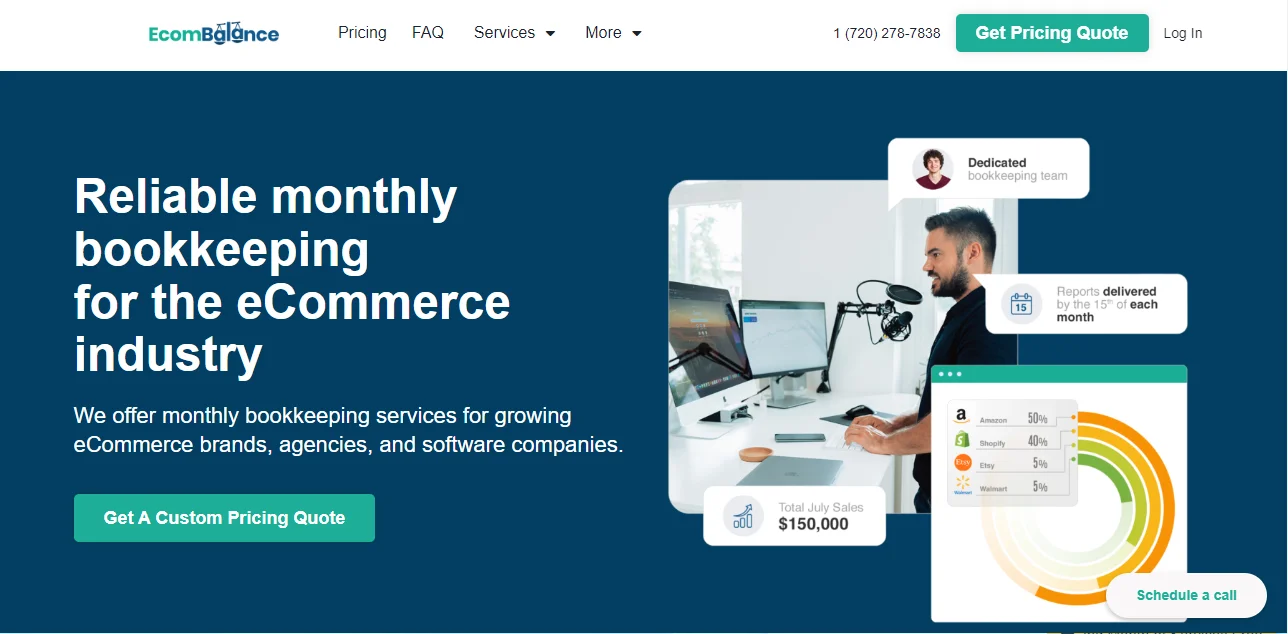
EcomBalance is a monthly bookkeeping service specialized for eCommerce companies selling on Amazon, Shopify, eBay, Etsy, WooCommerce, & other eCommerce channels.
We take monthly bookkeeping off your plate and deliver you your financial statements by the 15th or 20th of each month.
You’ll have your Profit and Loss Statement, Balance Sheet, and Cash Flow Statement ready for analysis each month so you and your business partners can make better business decisions.
Interested in learning more? Schedule a call with our CEO, Nathan Hirsch.
And here’s some free resources:
