





Quick Decision Framework
- Who This Is For: Shopify brand owners and operators doing $10K to $2M per month who are sending email and SMS but not yet treating them as a connected lifecycle system.
- Skip If: You are pre-revenue or have fewer than 500 contacts. At that stage, focus on product and offer first. Come back when you have a list worth segmenting.
- Key Benefit: A fully mapped lifecycle strategy in Klaviyo can shift email from 15 to 20% of revenue to 30 to 40% within 90 days of proper flow configuration.
- What You’ll Need: An active Klaviyo account connected to your Shopify store, at least 90 days of purchase history, and clarity on your top three customer segments.
- Time to Complete: 12 to 15 minutes to read. 4 to 6 weeks to build and launch the full flow architecture described here.
Most Shopify brands treat email like a broadcast channel. The ones doing $2M and above treat it like a relationship engine. The difference is not budget or team size. It is whether they have mapped the customer lifecycle and built flows that respond to behavior instead of the calendar.
What You’ll Learn
- Why lifecycle marketing outperforms campaign-only email strategies and what the revenue gap actually looks like at your stage.
- How to map the five customer journey stages that every Klaviyo lifecycle strategy must address.
- What Klaviyo’s behavioral data layer does that standard email platforms cannot, and why that distinction matters for retention.
- How to build a segmentation and automation architecture that moves customers from first purchase to repeat buyer without manual intervention.
- When to add multichannel touchpoints, predictive analytics, and A/B testing to compound the gains from your initial flow setup.
The majority of ecommerce brands invest all their efforts into attracting new customers but fail to nurture the ones they already have. In the current highly competitive market, this negligence costs revenue, engagement, and loyalty. The real growth lies in guiding existing customers through a seamless journey from first interaction to long-term advocacy. That’s where the complete lifecycle marketing plan comes in. By understanding each step of the customer journey, brands can deliver the most suitable message at the appropriate moment, guaranteeing the highest amount of conversions, lifetime value, and consumer retention. Klaviyo makes this possible with powerful automation, segmentation, and personalization features.
How Do You Map the Customer Journey Effectively?
A full lifecycle marketing strategy is not merely about attracting customers, but nurturing relationships at all stages. Most marketing strategies focus primarily on acquisition, lifecycle marketing ensures customers remain engaged, loyal, and are also likely to recommend your brand.
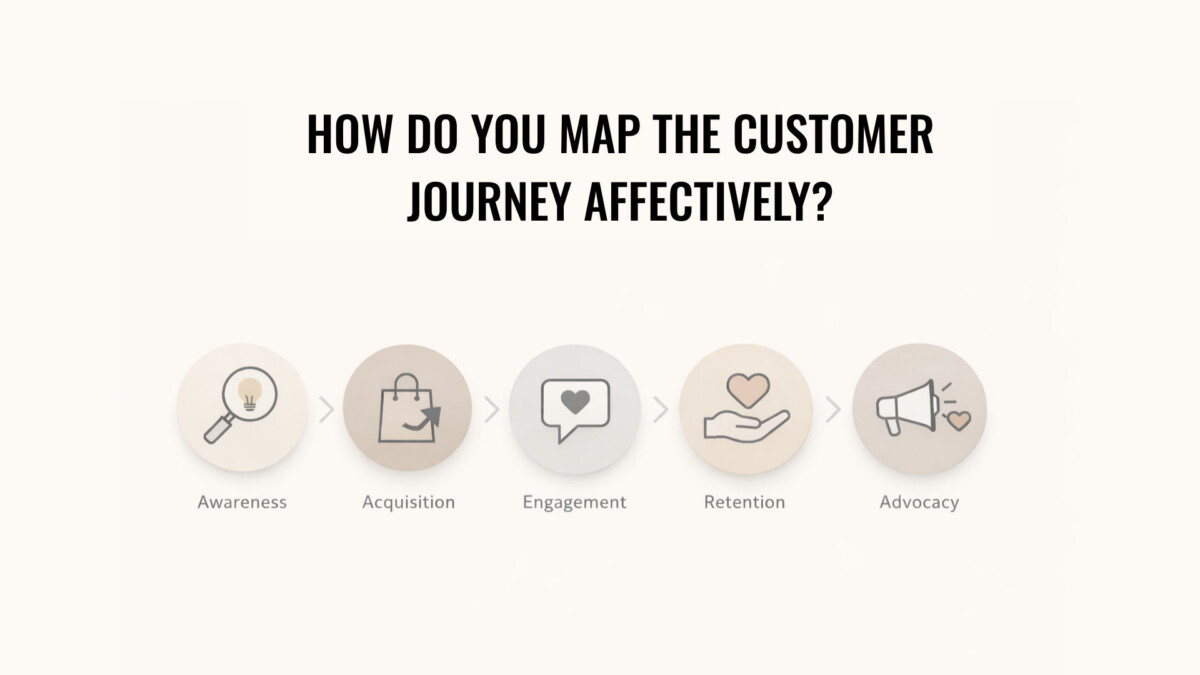
The customer experience will usually span several key stages:
- Awareness: The first time potential customers learn about your brand is through advertisements, social media, search engine optimization, or referrals.
- Acquisition: Leads become first-time buyers, and they are often motivated by educational content or promotions.
- Engagement: Customers communicate with the company many times through newsletters, personal recommendations, and loyalty programs.
- Retention: Loyal customers make repeat purchases, influenced by post-purchase communication and ongoing value.
- Advocacy: Customers who are satisfied also become brand advocates, posting reviews, referrals, or social posts.
The journey mapping will enable you to see the critical touchpoints and create campaigns that will appeal to the customers at every step.
Why Is Klaviyo Ideal for Lifecycle Marketing?
Klaviyo stands out because it blends automation, personalization, and analytics in a single platform. It integrates seamlessly with ecommerce platforms such as Shopify, Magento, and WooCommerce. Unlike traditional email marketing tools, it captures more specific behavioral data, which drives smarter campaigns.
1- Tracking Customer Behavior
Klaviyo enables you to track customer behavior on your store, such as product interest, add to cart, purchase, and interaction on email, web, and other touchpoints.
2- Understanding Customer Attributes
You can capture key information about your customers, including location, preferences, and demographics, to make your campaigns more precise.
3- Delivering Personalized Messaging
Such insights can be used to deliver very relevant messages at the appropriate time. For instance, consumers who have been browsing a certain category of products can receive targeted recommendations, whereas repeat customers may be provided with loyalty points or upsell suggestions.
4- Integrating Data for Smarter Campaigns
Klaviyo helps brands to design smarter and more personalized campaigns, which can be used to drive better engagement and conversions along the customer lifecycle by combining behavior tracking and customer attributes.
How Can Segmentation and Personalization Boost Engagement?
Segmentation is the key to relevance and engagement. The generic emails to a large group of people are no longer effective, today’s customers demand a tailored message according to their behavior and preferences.
Some of the effective segmentation strategies are:
- New Subscribers vs. Active Customers: Introduce new subscribers with educational content while nurturing repeat buyers with tailored offers.
- High-Value Customers: Offer rewards to the top spenders with exclusive deals or early access to the product.
- Inactive Customers: Re-engage lapsed users with personalized campaigns.
- Behavior-Based Segmentation: Segment based on website activity, browsing patterns, or product interest.
Personalization is important once the segmentation is made. Insert names in the subject lines, suggest products with reference to previous actions, and offer location or time-related offers. Personalized campaigns not only increase engagement but also increase loyalty and repeat purchases.
How Do Automation Flows Improve Customer Engagement?
Automation is the engine behind an effective lifecycle strategy. Klaviyo enables behavior-triggered campaigns that communicate with customers at optimal moments.
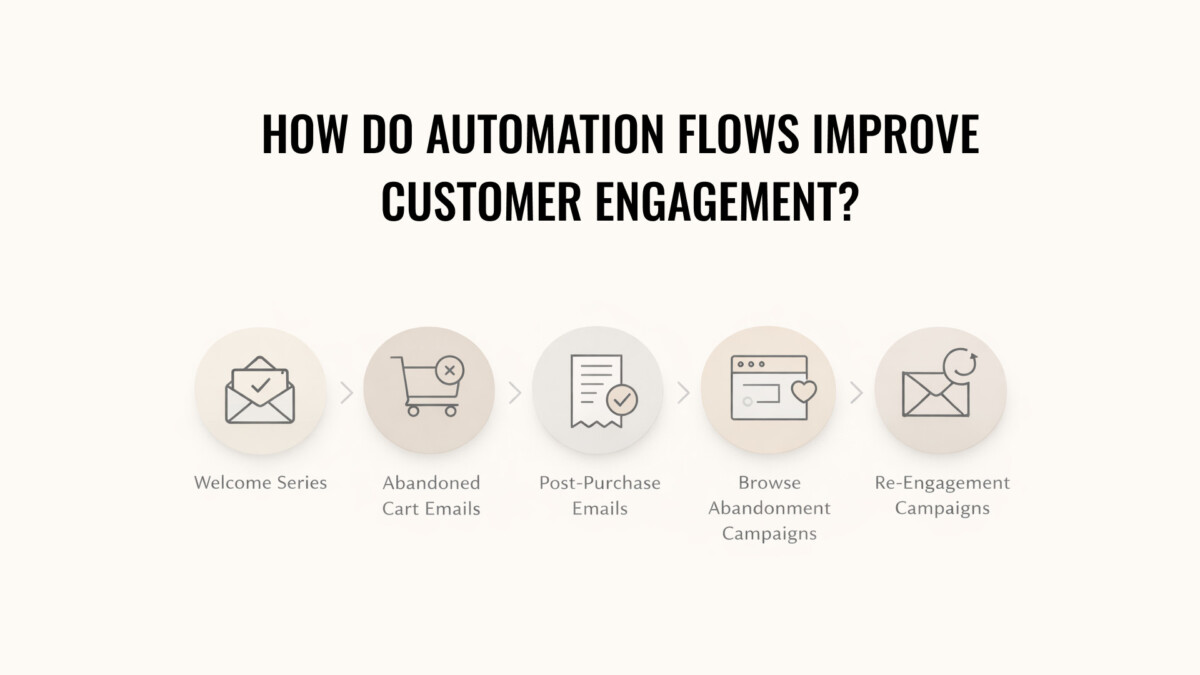
Important automated flows include:
- Welcome Series: Introduce new customers to your brand and highlight key products.
- Abandoned Cart Emails: Remind users of items left behind, sometimes with an incentive to complete the purchase.
- Post-Purchase Emails: Thank customers, suggest complementary products, and request reviews.
- Browse Abandonment Campaigns: Re-engage users who viewed products but didn’t purchase.
- Re-Engagement Campaigns: Win back inactive customers with personalized offers or content.
Automation ensures consistent engagement without constant manual effort, helping maintain customer interest and drive conversions.
Why Should You Integrate Multi-Channel Engagement?
While email remains the cornerstone, effective lifecycle marketing is multichannel. Klaviyo allows SMS, push notifications, and social campaigns, allowing brands to reach customers in the places where they are most active.
- SMS Marketing: Sending timely promotions, cart reminders, or flash sales straight to mobile phones.
- Push Notifications: Notify the app users about the updates or about special offers.
- Cross-Channel Consistency: Align messaging across email, SMS, and social platforms to create a unified experience.
Integrating multiple channels increases visibility, reinforces your brand message, and drives higher conversion rates throughout the customer lifecycle.
How Can Advanced Tools Optimize Your Strategy?
Klaviyo offers high-quality analytics and predictive features that enable brands to optimize their campaigns constantly and make well-informed, data-driven decisions. Using these tools strategically allows businesses to achieve a high ROI, increase engagement, and foster long-term customer loyalty.
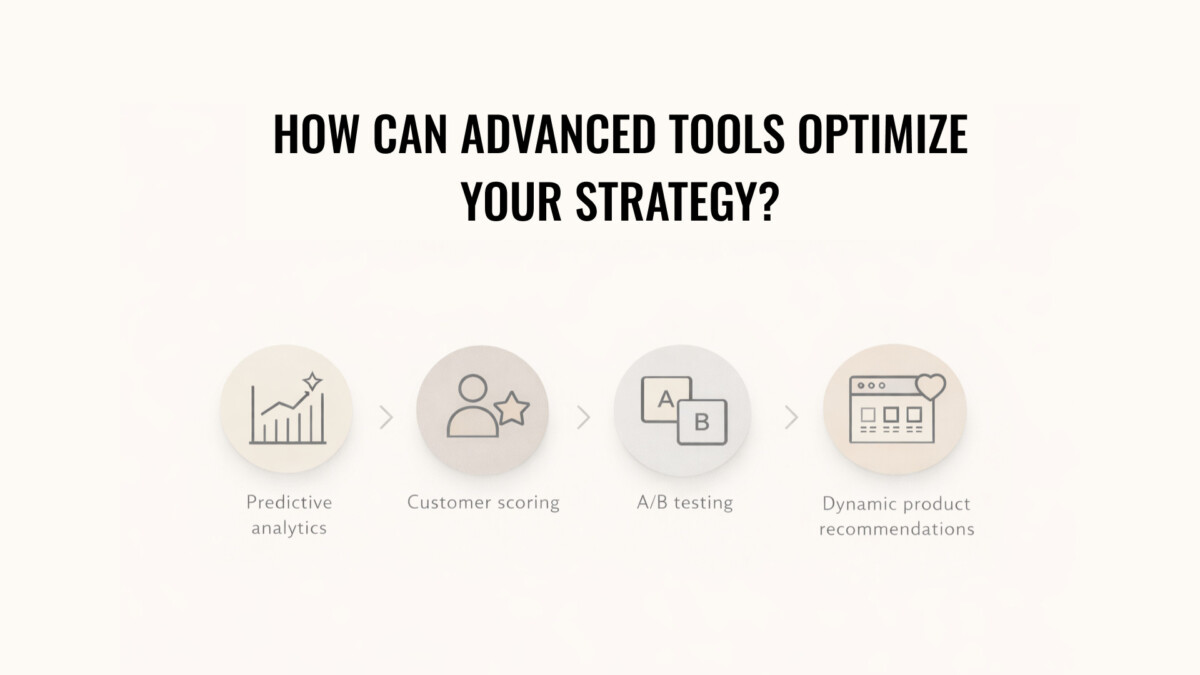
Predictive analytic
It is one of Klaviyo’s most powerful features, where it uses the data of past purchases and engagements to predict future actions of customers, including purchase dates, potential spending, or churn risk.
Through this understanding, brands will be able to predict customer needs and deliver direct messages at the correct moment, whether it’s a personalized product recommendation before a predicted purchase or a retention campaign for customers showing signs of inactivity.
Customer scoring
Assigns a value or a score to each customer based on their interaction, purchasing history, and overall behavior. This assists the brands to determine high-value customers who should be offered exclusives, customers with upsell potential at-risk who require re-engagement.
By prioritizing high-potential segments, companies can focus their marketing efforts where they can achieve the most impact, which will build loyalty and revenue.
A/B testing
A/B testing enables brands to test various aspects of their campaigns to see what their viewers like the most. From email subject lines and content layouts to promotional offers, A/B testing helps refine messaging to improve open rates, engagement, and conversion.
Over time, this data-driven approach in the long run will make sure that each campaign is optimized for maximum effectiveness.
Dynamic product recommendations
This can be used to have a very personalized marketing since it would recommend products based on the individual customer behavior, browsing history, or previous purchases. This generates more relevance of marketing messages, cross-sells, upsells, and can dramatically improve average order value.
The customers are suggested something which feels personalized to them, thus adding to their experience, and increasing the business outcomes.
The combination of predictive analytics, customer scoring, A/B testing, and dynamic product suggestions helps a brand to deliver smarter and more personalized campaigns, which help to engage their customers at the right moment, build stronger relationships, and achieve long-term growth.
What Are the Best Practices for Full Lifecycle Marketing with Klaviyo?
The best practices to achieve the maximum out of Klaviyo are as follows:
Visualize the journey: With the knowledge of touchpoints, planning campaigns becomes simpler.
- Map the journey visually: With the knowledge of touchpoints, planning campaigns becomes simpler.
- Automate triggered campaigns: Engage customers based on actions instead of by guesswork.
- Segment dynamically: Adjust segments with behavior change.
- Personalize messages: Customize messages to offer for individual customer needs.
- Test and optimize regularly: Subject lines, messaging, and timing must be constantly optimized.
- Leverage multi-channel marketing: Combine email, SMS, and push notifications to increase reach.
These practices will make sure that your campaigns are relevant, targeted and effective throughout the customer journey.
Conclusion
A full lifecycle marketing approach involves guiding customers seamlessly from their first interaction to long-term loyalty, anticipating and understanding their needs, and creating meaningful relationships throughout the lifecycle. With Klaviyo, brands are able to drive their business through segmentation, automation, personalization, analytics, and multi-channel interactions to transform casual buyers into loyal advocates.
By mapping the customer journey, providing relevant flows, and personalizing the experience through various channels, brands can increase engagement, generate revenue, and ensure the highest lifetime value. In today’s competitive eCommerce landscape, mastering lifecycle marketing goes beyond one-time transactions, it transforms marketing into a relationship-driven engine for sustainable growth, where every interaction strengthens loyalty and fuels long-term success. Businesses that collaborate with a Klaviyo expert can accelerate results and make the most of their lifecycle marketing strategy.
Frequently Asked Questions
What is lifecycle marketing in ecommerce and how is it different from regular email marketing?
Lifecycle marketing is a strategy that sends different messages to customers based on where they are in their relationship with your brand, from first contact through repeat purchase and advocacy. Regular email marketing typically sends the same campaign to everyone on a list. Lifecycle marketing responds to customer behavior: a new subscriber gets a welcome series, an abandoned cart gets a recovery sequence, a lapsed customer gets a re-engagement flow. The result is that lifecycle flows generate up to 30 times more revenue per recipient than broadcast campaigns, according to Klaviyo’s benchmark data across hundreds of billions of emails. For Shopify brands at any stage, the shift from campaign-only to lifecycle-driven email is the highest-leverage change available in the retention channel.
How do I set up Klaviyo for lifecycle marketing if I’m just getting started?
Start by connecting Klaviyo to your Shopify store and verifying that behavioral events are flowing correctly: viewed product, added to cart, placed order, and started checkout are the four you need before building any flows. Once those events are confirmed, build your flows in this priority order: welcome series, abandoned cart, post-purchase. Those three flows cover the highest-revenue lifecycle moments and give you real performance data within 30 days of launch. Add browse abandonment and re-engagement flows in the second phase. Do not build all flows simultaneously. A well-configured welcome series and abandoned cart sequence will outperform a half-built five-flow architecture every time.
What Klaviyo segments should I build first to improve retention?
Build four segments before anything else. First: customers who have purchased once but not twice, filtered to the 30 to 90 day window since first purchase. This is your highest-leverage retention segment because these customers are still warm. Second: customers who have not purchased in 91 to 180 days. These are your at-risk customers who need a win-back flow before they become permanently lapsed. Third: your top 20% by predicted lifetime value. These customers should be in a separate flow with exclusive offers and early access. Fourth: subscribers who have never purchased. These are your acquisition-stage contacts who need a different message than your existing buyers. These four segments cover the most commercially significant moments in the customer lifecycle.
How do I know if my Klaviyo lifecycle flows are actually working?
Look at three numbers: revenue per recipient for each flow, flow-attributed revenue as a percentage of total store revenue, and repeat purchase rate for customers who entered a post-purchase flow versus those who did not. Revenue per recipient tells you how efficiently each flow converts. Flow-attributed revenue as a percentage of total tells you whether email is pulling its weight as a channel. Repeat purchase rate comparison tells you whether your post-purchase flows are actually changing customer behavior. For brands doing $50K to $500K per month, email should be driving 25 to 40% of total revenue when flows are properly configured. If you are below that threshold, the gap is almost always in segmentation or flow timing rather than in the creative itself.
When should I add SMS to my Klaviyo lifecycle strategy?
Add SMS when your email flows are generating consistent revenue and you have a clear use case that email cannot serve as well. The strongest SMS use cases in lifecycle marketing are abandoned cart recovery for high-intent abandoners (cart value above $100 is a reasonable threshold), flash sale announcements with a 24-hour window, back-in-stock notifications for products with a waitlist, and shipping updates for customers with high post-purchase anxiety. Do not add SMS as a way to send the same message you are already sending by email. The channel requires higher relevance and lower frequency than email. Start with one or two SMS flows, measure revenue per recipient against your email benchmarks, and expand from there.
