




How to Make an Influencer Media Kit in 2026 for Brand Deals
16th
January, 2026
Picture this: you’re an e-commerce brand or Amazon seller searching for the perfect influencer to promote your product. You come across two creators – one simply lists their follower count in an email, while the other provides a polished media kit showcasing their audience, engagement, and past successes. It’s obvious who you’d lean toward. In the fast-paced world of influencer marketing, preparation is key. That’s why knowing how to make a media kit as an influencer is so crucial in 2026. An influencer media kit is essentially a digital resume or portfolio that highlights a creator’s value to potential brand partners. Done right, it can save time, set you apart, and make a professional impression on brands. This means smoother collaboration for businesses and more sponsorships for creators. In fact, influencer collaborations often deliver impressive returns – on average, brands earn about $5 for every $1 spent on influencer campaigns.
In this guide, we’ll explain what an influencer media kit is and why it matters, especially for micro influencers looking to work with e-commerce companies. Then we’ll walk through how to make a media kit as an influencer in 2026 step-by-step, covering all the key elements to include (from follower stats to examples of your UGC content). By the end, you’ll know how to create a standout media kit that helps content creators land more brand deals and helps brands quickly identify the right influencers for their campaigns. Let’s dive in!
What Is an Influencer Media Kit?

An influencer media kit is a concise document (often 1–2 pages) that content creators share with brands to showcase their social presence and what they offer. Think of it as your personal highlight reel for brand partnerships. In this kit, an influencer typically includes key information such as:
-
- Bio and niche: A brief “About Me” section introducing who you are, what type of content you create, and your personal brand or values.
- Social media statistics: Your follower counts, engagement metrics, website traffic (if you have a blog), and other performance data that demonstrate your reach. Brands are very data-driven; these numbers help them quickly gauge your impact.
- Audience demographics: Details about your followers’ characteristics – for example, the percentage of males vs. females, age ranges, locations, or interests of your audience. This shows whether your audience aligns with the brand’s target market.
- Engagement rate: How actively your audience interacts with your content (likes, comments, shares). A strong engagement rate signals that your followers are genuine and trust you. (In fact, a smaller creator with a dedicated, niche following can be more appealing than a mega-influencer with millions of disengaged followers.)
- Past collaborations: Examples of brands you’ve worked with before, along with brief outcomes if possible. Showing that you have delivered results in previous partnerships (e.g. an increase in website clicks or sales) helps validate your influence.
- Content examples: Visuals or links to your best content – such as an Instagram post or TikTok video that performed well, or sample posts from past campaigns. These examples give brands a taste of your style and quality. Including a few high-quality images or screenshots can make your kit more engaging. Remember, user-generated content adds credibility; consumers trust real user content far more than polished ads (one study found 84% of people trust peer recommendations over advertising).
- Services offered: A list of ways brands can work with you. This might include Instagram feed posts, Stories, Reels, TikTok videos, YouTube integrations, blog posts, product reviews, or even creating UGC for the brand’s use. Be clear about what types of content or collaboration opportunities you’re open to.
- Testimonials or press quotes: If you have any quotes from happy brand partners or notable features (e.g. a mention in a magazine or a shout-out from a big account), include a short testimonial. This kind of social proof can boost your credibility.
- Contact information: Essential but sometimes overlooked – make sure to provide your business email (and/or phone number if appropriate) so that interested brands can easily reach you. You might also list your social handles and location here.
- Bio and niche: A brief “About Me” section introducing who you are, what type of content you create, and your personal brand or values.
In short, the media kit should tell a brand who you are, who your audience is, and why a partnership with you would be valuable. Ideally, it’s visually aligned with your personal brand (matching your style or aesthetics) and kept to-the-point – like a résumé for your influencer life. Now that we know what a media kit contains, let’s look at why it’s a must-have tool, especially for influencers looking to stand out in 2026.
Unlock the Power of Micro Influencers and Elevate your Brand Today!
Why Do You Need a Media Kit as an Influencer?
If you’re serious about landing sponsorships or ambassadorships, a media kit is non-negotiable. For influencers, especially micro influencers with smaller followings, a media kit is your chance to prove your worth to brands in one package. Here are the main reasons having a media kit gives you an edge in the influencer marketing world:
-
- Makes outreach efficient: Instead of typing out your stats and credentials every time you pitch a brand or respond to an inquiry, you can simply send over your media kit. This saves time and ensures you don’t forget any important details. Busy marketing managers appreciate having all your info organized in a PDF or slide – it speeds up their decision-making process. In fact, from a marketer’s perspective, a well-crafted media kit “speeds up the decision-making process” when evaluating influencers.
- Shows professionalism: Presenting a polished media kit signals that you take your role as a creator seriously. Brands will see you as a prepared, reliable partner rather than an amateur. A media kit demonstrates that you understand what businesses care about – audience, data, and clear value – which immediately makes a good impression. As Shopify’s team puts it, a polished kit shows you’re an adept partner with a clear strategy.
- Highlights your unique value: Your media kit is an opportunity to set yourself apart from the crowd. Use it to emphasize what makes you special – whether it’s an unusually high engagement rate, a niche audience that aligns perfectly with certain brands, or a creative style of content. Brands receive countless generic collaboration emails; a great media kit helps you shine by clearly quantifying your influence and showcasing your creativity. It’s your sales pitch, backed with data and examples.
- Builds trust through transparency: Including honest stats and past results in your kit can build trust. Brands will appreciate that you’re upfront about your numbers and capabilities. If you have a smaller follower count, for instance, you can draw attention to your engagement quality or a success story from a prior collaboration. Remember, many brands today prefer micro influencers because of their engaged communities and authenticity. One report found that partnerships with multiple micro-influencers often outperform a single celebrity endorsement, thanks to more niche targeting and higher engagement per follower. Even creators with nano-influencer sized followings can land deals when they demonstrate a loyal audience. (One TikTok creator landed her first paid deal with only ~2,000 followers – in large part because she had a professional media kit ready to showcase her metrics and content!)
- Meets brands’ expectations: Influencer marketing has matured. These days, most brands (from small DTC startups to major e-commerce retailers) expect influencers to have media kits or similar decks. It’s considered an industry standard for professional creators. If a brand outreach manager asks for your media kit and you don’t have one, it may reflect poorly or slow down the conversation. Having your kit prepared means you can confidently respond to opportunities, which could be the difference between securing or missing a partnership.
- Speaks the brand’s language: At the end of the day, companies care about return on investment. They want to know if partnering with you will help them reach more potential customers and drive sales or engagement. Your media kit frames your influence in terms of benefits to the brand – showing them “what’s in it for them.” For example, including that you have a 10% engagement rate or that a previous Instagram Story drove 1,000 swipe-up link clicks gives a concrete idea of the results you deliver. Businesses are all about the data, and your media kit provides that upfront.
- Makes outreach efficient: Instead of typing out your stats and credentials every time you pitch a brand or respond to an inquiry, you can simply send over your media kit. This saves time and ensures you don’t forget any important details. Busy marketing managers appreciate having all your info organized in a PDF or slide – it speeds up their decision-making process. In fact, from a marketer’s perspective, a well-crafted media kit “speeds up the decision-making process” when evaluating influencers.
In summary, a media kit isn’t just nice-to-have – it’s one of the best tools to land professional brand deals as a creator. It streamlines the pitching process and helps both you and the brand quickly determine if you’re a mutual fit. Next, let’s get into the nuts and bolts of how to actually create your influencer media kit.
How to Make a Media Kit as an Influencer in 2026
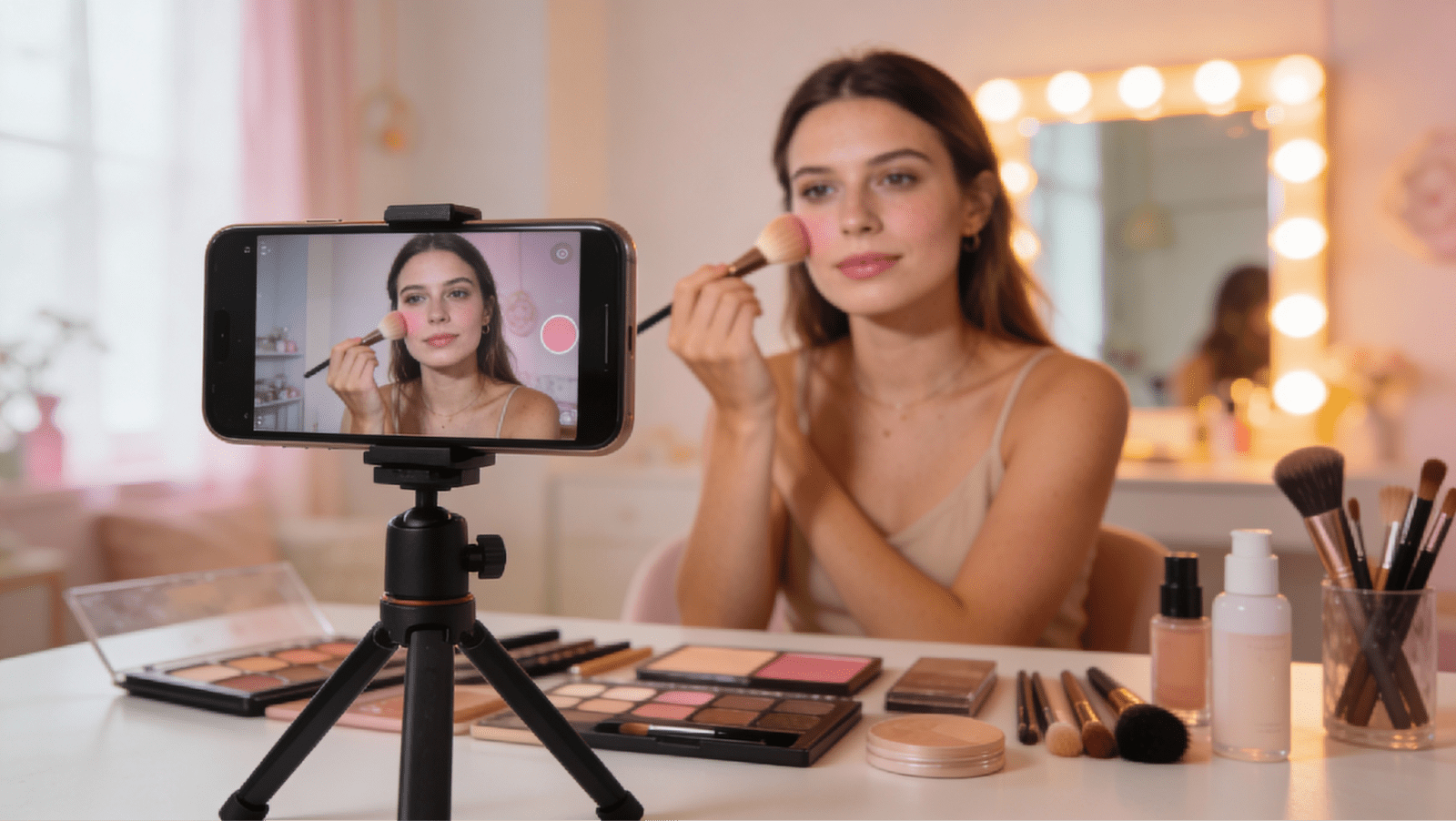
Ready to build your own media kit? Follow these steps to create a compelling influencer media kit that showcases your strengths and lands you more deals in 2026:
1. Craft an engaging “About Me” section. Start your media kit with a brief bio that introduces you and sets the tone. Keep it concise and impactful – think of it as the elevator pitch for your personal brand. Include your name (or the handle you go by), your location (especially if relevant to partnerships or events), and the niches or topics you focus on (e.g. “travel photographer and lifestyle blogger” or “beauty content creator specializing in skincare”). Highlight any relevant experience or credentials, such as how long you’ve been creating content, notable achievements (“featured in XYZ Magazine’s Top 10 Bloggers”), or unique attributes (“former teacher turned DIY crafts influencer”). Most importantly, show some personality and authenticity. Brands will get a feel for your voice and values here, so let that shine through. You might mention your core values or what your audience knows you for (“coffee lover with an engaged community of fellow moms,” etc.). Including a friendly headshot (ideally the same profile photo you use on social media) is a nice touch, as it puts a face to the name and builds familiarity. The About Me section is your chance to form an instant connection and give brands a sense of who they’d be collaborating with beyond the numbers.
2. Showcase your key social media stats. Numbers aren’t everything, but they do matter to brands. After introducing yourself, feature your most important metrics in a clear, visual way. This typically includes: follower counts on each platform (Instagram, TikTok, YouTube, etc.), engagement rate (e.g. average likes or comments per post, or % engagement), and any other notable stats such as average video views, story views, or blog monthly visitors. If you have an active blog or website, you can list metrics like monthly pageviews or unique visitors. For TikTok or YouTube, you might include your average views per video. Use icons or the platform logos to make it easy for a reader to see which stats correspond to which platform. It’s often effective to present these numbers in a section of their own (like a stats bar or table). Be honest and up-to-date with your numbers – don’t inflate them, as brands will likely verify if they proceed. It’s okay if you’re a micro influencer with “only” 5,000 or 20,000 followers; if anything, emphasize your strong engagement. For example, you could write “Instagram – 8,000 followers (12% engagement rate)” to show that your audience is very responsive. High engagement can actually trump sheer follower size in value, since it indicates a trusted community. Brands often ask themselves “Does this creator’s audience trust them?”, and an engaged following helps answer that. Including your engagement rate or average comments also implicitly assures brands that you haven’t padded your follower count with fake followers. In short, make sure the data paints a picture of your reach and influence, and format it in an easy-to-scan layout (charts or bold numbers work well).
3. Include your audience demographics. Right alongside your performance stats, dedicate a section to audience insights. Brands want to know who your followers are – because a partnership only makes sense if your audience matches their target customers. Provide key demographic data such as the age ranges of your followers, gender split, and geographic location (countries or major regions). Many social platforms offer these analytics to creators; you can often find them in Instagram Insights, YouTube Analytics, etc. For instance, you might say “Audience: 75% female, 25% male; Majority aged 25–34; Top regions: US (60%), Canada (10%), UK (5%).” If a significant portion of your audience is in a certain city or state, and you often work with local businesses, that can be worth mentioning too. Why is this important? Because brands will compare your audience profile to their customer profile. If an Amazon seller only ships within the US, they’ll prioritize influencers with mostly U.S. followers. If a fashion e-commerce brand targets women 18–35, they’ll look for a similar demographic in your followers. By providing this information up front, you help brands qualify the fit quickly. It shows you understand their needs. Additionally, including demographics underscores that your following is real and known – a brand wouldn’t, for example, want to partner with an “influencer” whose audience is 90% bots or unrelated groups. Pro tip: if you have an interesting niche segment (e.g. you reach a high-income luxury market, or a bilingual audience, or new moms in a specific region), highlight that unique angle. It could set you apart for brands seeking exactly that group.
4. Highlight your past collaborations and content examples. Now it’s time to show, not just tell. Dedicate part of your media kit to showcasing your work. This can be split into two pieces: past brand collaborations and sample content. If you’ve already worked with brands (paid or gifted partnerships, ambassadorships, etc.), list a few notable names or campaigns. Even if they were small or local brands, include them – every collaboration adds credibility. You might format this as a brief list (e.g. “Brands partnered with: [Brand A], [Brand B], [Brand C]”) or incorporate logos if you have permission. Beneath each, if space allows, you can add one line about the campaign or a key result (“XYZ Co. – 3 Instagram posts; campaign reach 50,000; 2,000 referral clicks”). Case studies are powerful: if you can share a quick success metric from a previous campaign, it shows potential partners the kind of impact you drive. For example, mentioning that your posts helped boost a brand’s sales or that a video went viral gives concrete evidence of your effectiveness.
5. Equally important is showing examples of your actual content. Include a few images of your best-performing or most representative posts. If you’re a photographer on Instagram, feature a couple of stunning photo posts. If you do TikTok sketches, include stills or a QR code/link to a clip. Ensure these examples are relevant to the kinds of brands you want to attract. For instance, if you’re pitching a fitness apparel brand, show a past photo where you featured workout gear (even if it wasn’t a paid ad, any on-topic content works). You can caption images with a short note like “Instagram post – 15k impressions” or “YouTube review – 10k views” to emphasize their impact. Visual examples let brands imagine what your sponsored content might look like. And if you’re also a UGC creator (creating content for brands to use on their own channels), definitely show a sample of that. Authentic content resonates: 90% of consumers find UGC more authentic and trustworthy than traditional brand content. By showcasing user-style content you’ve made, you signal to brands that you can offer the kind of relatable creativity that audiences trust. (Tip: make sure any links you include are clickable in your PDF or digital kit – you want to make it effortless for brands to view full posts or videos without copy-pasting URLs.)
6. Add testimonials or social proof (if available). Nothing speaks louder to a brand than hearing another business rave about you. If you have any testimonials from brands you’ve worked with, consider adding one or two short quotes. For example: “[Influencer] was fantastic to work with – their Instagram Story drove high engagement and our product sales spiked during the campaign,” – Brand X marketing manager. If you don’t have formal testimonials, you might use a snippet of positive feedback an organizer or client emailed you. Always ask permission to quote someone, of course. You could also include a brief quote from a public article or an interview if you’ve been featured (“Named Top 5 DIY Creators by Blog Y”). Place testimonials near your past work section for maximum effect, as they reinforce the success of those collaborations. Even one strong quote can boost a brand’s confidence in partnering with you, as it provides a reference of your professionalism and impact. Social proof helps overcome any skepticism, especially for micro influencers – it shows that although your following isn’t massive, you deliver big results (and others vouch for you). If you’re new and don’t have any brand testimonials yet, you can skip this section. But keep it in mind for the future: after a successful collaboration, politely ask your contact if they’d be willing to provide a short statement about the experience. It can become a golden ticket for landing future deals.
7. List the services and partnership opportunities you offer. Be clear about how brands can work with you. Different influencers offer different forms of collaboration, so outline yours. Common examples include: sponsored Instagram posts, Instagram Stories with swipe-up, IG Reels or TikTok videos, YouTube video integrations or dedicated reviews, blog posts, Twitter mentions, Pinterest pins, Facebook posts, brand photography or videography, event appearances, and product unboxings. You might also mention if you’re open to being a long-term brand ambassador or doing affiliate partnerships. Additionally, content creators often provide value by creating content that brands can reuse – if you offer to produce high-quality photos or videos as UGC for the brand’s own marketing, state that here. For example, “Available for: Instagram reels, TikTok videos, product photography, UGC content creation, affiliate partnerships.” In 2026, there are many creative ways influencers and brands collaborate, so don’t be afraid to list multiple options. This not only shows your versatility but might spark ideas for a brand reviewing your kit (they might not have realized you do, say, TikTok and YouTube). However, stay realistic and aligned with what you actually do; don’t list a platform where you have no presence or a service you’re uncomfortable with. The goal is to outline how you can help brands across various content formats. If you have specific package deals (like an Instagram + TikTok combo rate, or a “product photography set” offer), you can hint at that here or in the pricing section. Keep the list bullet-pointed or in a neat table for clarity.
(Optional) Consider including your pricing or rates. One of the big questions in influencer partnerships is budget. Should you include your rates in your media kit? The choice is yours – there are pros and cons, and practices vary. On one hand, listing your standard rates for different content (e.g. “Instagram post: $XXX, Instagram Story series: $XX, TikTok video: $XXX”) can save a lot of back-and-forth. It lets brands self-select if you’re in their budget and sets clear expectations upfront. For busy brands and agencies, seeing rates in the kit is helpful for quick decisions, and it can prevent situations where you go through the whole pitching process only to find the budget isn’t a match. On the other hand, some influencers prefer to leave rates out of the initial kit. This is partly because of negotiation strategy – if you state a number first, you might undercut what a brand was willing to pay, or conversely price yourself out before getting a chance to discuss value. It’s also true that you might charge differently depending on the scope of work or a project’s specifics; a static rate card can’t capture those nuances. There’s a middle ground: you could include a “starting at” price range or note that your rates are available on request. For example: “Rates: Available upon request (estimated range for IG post $___+).” In any case, if you do list prices, keep them updated and be confident justifying them. Some creators maintain a separate detailed rate card PDF that they only send when asked. If you’re new to partnerships, you might omit pricing until you have a better sense of your worth. If you’re experienced and have set fees, including them can streamline negotiations. Tip: Whether or not you list rates in the kit, always be open to discussing deliverables to craft a package that works for both you and the brand. Flexibility can go a long way, especially with Amazon sellers or small businesses who might have product trade, commission structures, or other non-standard arrangements in mind.
8. Provide clear contact information. This one seems obvious, but it’s crucial: make it extremely easy for brands to contact you. After seeing all the great info in your kit, a potential partner should know exactly how to get in touch to start a collaboration. List a professional email address (ideally one that includes your name or handle). If you have a manager or agent handling brand deals, use their contact info and specify their role. You can also include a phone number if you are comfortable and if it’s common in your niche for brands to reach out via call or WhatsApp. Some influencers also add a link to a contact form on their website if they prefer initial inquiries go there. Double-check that your email is correct in the media kit; a surprising number of creators have typos or outdated info in old media kit versions. Also, mention your preferred communication method if relevant (for instance, “Contact: – response within 24 hours” or “For business inquiries, please email…”). Avoid listing personal social media DMs as a primary contact, as it can appear less professional and messages might get missed. However, ensure your social handles are somewhere in the kit (perhaps in the header or footer or About section) so a brand can quickly find your profiles. The key is to remove any friction in the outreach process – a marketing manager shouldn’t have to hunt through Instagram to find how to email you. Pro tip: Create a specific business email just for collaborations (e.g. yourname@gmail or [email protected]) separate from any personal email, and use that in your kit. This helps you stay organized and not miss partnership opportunities in a cluttered inbox.
9. Design your media kit to reflect your personal brand. First impressions count, and that applies to the look of your media kit as well. You don’t have to be a graphic designer to make a neat, visually appealing kit. There are plenty of templates available (Canva, for example, offers free influencer media kit templates). Whether you choose a one-page PDF, a two-page slideshow, or even a dedicated page on your blog/website, aim for a clean and easy-to-read design. Use your personal branding elements – such as your signature color scheme, fonts similar to those you use in your Instagram Stories or YouTube thumbnails, and a tone that matches your vibe (professional, fun, edgy, etc.). Treat it like you’re packaging “Brand You” in a cohesive way. However, be careful not to let design overshadow content. It’s better to have a simple layout that’s very clear than an overdesigned one that’s confusing. Make good use of headings, bullet points, and maybe simple icons for each section. Visuals (your photos, screenshots of posts) should be high-quality and relevant. Also, ensure consistency – if you refer to yourself by your handle in one place and your real name in another, or if you switch tense or style, edit for uniformity. A well-designed kit shows professionalism and gives the impression that you create high-quality content (brands will assume you put the same care into sponsored posts as you did into your kit design). Keep the length reasonable: usually 1 page (front and back) or 2–3 slides is enough. Remember, brands often skim these, so make the important info pop. Use charts or graphics for stats if possible – e.g. a pie chart for audience locations or a bar for follower growth – visuals can convey data quickly. And of course, proofread every section. No one expects perfection in a creative portfolio, but basic spelling and grammar errors can detract from your credibility. In 2026, many creators even opt for a one-page website as their media kit, which can be easier to update than a PDF. Whatever format you choose, ensure it’s easy to update (because you will need to update it regularly with new stats or milestones).
10. Keep it updated and make it accessible. Finally, once your media kit is complete, keep in mind it’s a living document. Update your kit every few months or whenever you hit significant new milestones. Got 5k new followers since last quarter? Update that stat. Did a campaign that gave you an amazing testimonial or case study? Add it in. New partnership formats or platforms (e.g. started doing UGC content or joined a new social network)? Reflect that in your services. An outdated media kit (say, showing 50k followers when you actually have 80k, or referencing a three-year-old achievement as your latest news) can be misleading or just less impressive. Regular refreshes ensure you’re always putting your best foot forward. It can help to set a reminder to review your kit every 3–6 months.
Equally important, make your media kit easy for brands to find and view. Don’t hide it or keep it to yourself – treat it as a business card or resume that you’re proud to hand out. Here are some ways to share it:
-
- Email attachment or link: When pitching or responding to inquiries, attach your PDF or include a drive link. Mention in your outreach “I’ve attached my media kit for your reference.”
- Link in bio: Consider uploading your media kit to a link (could be a hidden page on your site or a cloud storage link) and putting that link in your social media bio or link hub (Linktree, etc.). Some influencers add “Media Kit 👉 [link]” in their Instagram or TikTok bios, which shows proactiveness.
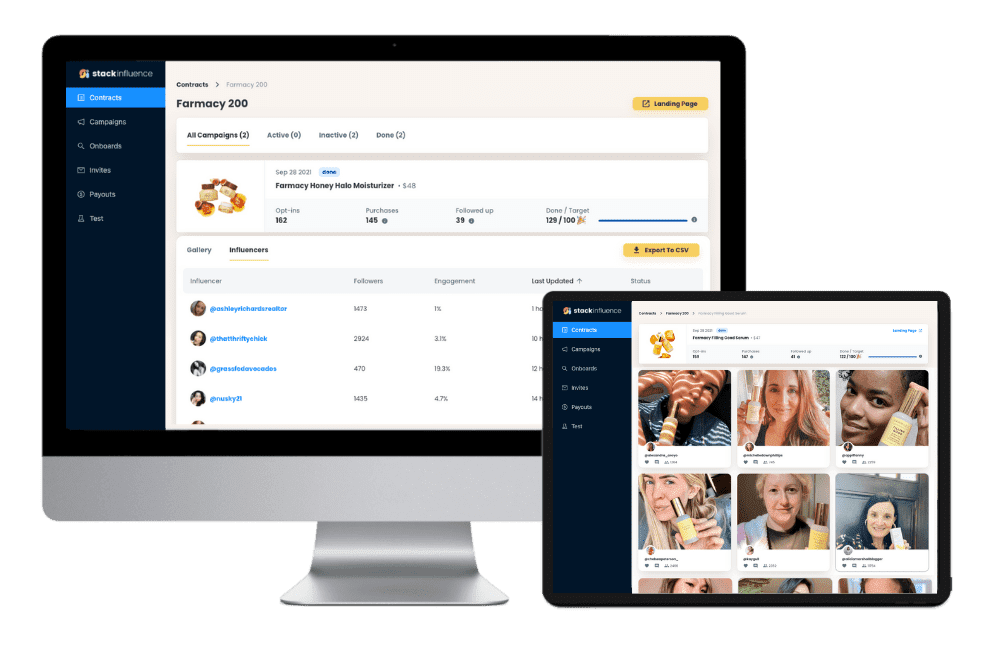
- Influencer platforms: If you’re on any influencer marketplaces or platforms (for example, Stack Influence, AspireIQ, Shopify Collabs, etc.), make sure to upload your media kit to your profile if the platform allows. Platforms like Stack Influence connect e-commerce brands with vetted micro influencers, so having your media kit visible there can help you stand out among other creators. It tells potential brand partners that you’re prepared and serious about collaboration.
- Email signature: You can include a line in your email signature like “🎯 Media Kit: [link]” so that anyone you correspond with has easy access to it.
- PDF on website: If you run a personal blog or site, embed the media kit or have a “Work with Me” page where it can be downloaded.
- Email attachment or link: When pitching or responding to inquiries, attach your PDF or include a drive link. Mention in your outreach “I’ve attached my media kit for your reference.”
The easier you make it for brands to view your media kit, the more likely you are to receive opportunities. And when you do send it out, consider a brief personal note too – don’t rely on the kit alone to do all the talking. Use it as a supplement to a thoughtful, customized pitch (brands still appreciate a personalized message explaining why you love their product or how you envision a collaboration). The media kit then serves as the detailed follow-up that backs up your pitch.
By following these steps, you’ll have a comprehensive, compelling influencer media kit ready to go. It might take a little effort upfront to compile everything, but once it’s done, you have a powerful asset in your influencer toolkit. Next, we’ll wrap up with some final thoughts and a quick FAQ.
Unlock the Power of Micro Influencers and Elevate your Brand Today!
Conclusion to How to Make an Influencer Media Kit
An influencer media kit is your passport to better brand partnerships. It distills all the reasons a company would want to work with you into one neat package – from your engaged follower stats to the authentic content examples that set you apart. In today’s influencer marketing landscape, brands large and small value efficiency and evidence. A strong media kit provides exactly that: quick insight into your audience and the confidence that collaborating with you will be a smart investment.
For e-commerce brands and Amazon sellers, media kits are equally beneficial. If you’re a brand marketer, ask for creators’ media kits when vetting influencers – it will save you time and help identify which micro influencers truly align with your target market. You’ll be able to spot who has the engaged community and content style that matches your campaign goals. (After all, partnering with influencers who can provide rich user-generated content and real trust with their followers can significantly boost your ROI in campaigns.) When influencers come prepared with data and case studies, it makes your job easier in choosing who to partner with.
And for influencers (from nano to macro), investing the effort to make a professional media kit is one of the best moves you can make to monetize your content. It’s about putting your best professional foot forward. As you grow your personal brand, think of your media kit as a reflection of that brand. Keep it current, keep it honest, and let it evolve with you. Use it to proactively pitch brands you love, or to respond confidently when opportunity knocks.
In 2026 and beyond, influencer marketing is only getting more competitive – but also more rewarding for those who do it right. A well-crafted media kit will help you land more brand deals by showing brands the value of your influencer marketing at a glance. Combined with genuine engagement and a strategic approach (like personalizing your pitches and building relationships), your media kit can help turn one-off collaborations into ongoing sponsorships and partnerships.
Finally, whether you’re an Amazon seller looking to amplify your product with social proof, or a DTC founder aiming to get your brand buzzing on Instagram, remember that micro influencers with the right presentation can be your secret weapon. Many successful e-commerce companies partner with a network of micro influencers to generate buzz, trust, and authentic content – all at a fraction of the cost of traditional ads. Platforms like Stack Influence exist to connect brands with these content creators, streamlining the process. If you’re an e-commerce brand ready to tap into influencer marketing, focus on finding creators who not only align with your niche but also come prepared with media kits and a professional mindset. For influencers, partnering with such brands (and perhaps using services like Stack Influence to find them) can open doors to consistent work.

By William Gasner
CMO at Stack Influence
William Gasner is the CMO of Stack Influence, he’s a 6X founder, a 7-Figure eCommerce seller, and has been featured in leading publications like Forbes, Business Insider, and Wired for his thoughts on the influencer marketing and eCommerce industries.
Want new articles before they get published? Subscribe to our Awesome Newsletter.
stack up your influence
turning creativity into currency
our headquarters
111 NE 1st St, Miami, FL 33132
our contact info
[email protected]
stack up your influence
turning creativity into currency
our headquarters
111 NE 1st St, 8th Floor
Miami, FL 33132
our contact info



© 2025 Stack Influence Inc
© 2025 Stack Influence Inc
The post How to Make an Influencer Media Kit in 2026 for Brand Deals appeared first on Stack Influence.
