







For an eCommerce business, trust is everything.
Customers cannot walk into your store, speak to a manager, or see your products in person before buying. Instead, they make decisions based on what they find online.
That means your digital reputation is not just a marketing concern — it is a revenue driver.
When someone searches your brand name on Google, what appears on the first page often becomes their first impression. If that first impression includes negative press, outdated complaints, or damaging content, it can immediately reduce confidence.
Even if the information is technically true, it may no longer reflect the business you run today.
The good news is that most eCommerce owners are not powerless in these situations.
In many cases, the most realistic approach is not chasing impossible takedowns, but using proven eCommerce reputation management strategies to push harmful search results down and strengthen the positive assets customers see first.
This guide explains what pushing down results really means, what steps work best for online stores, and how to build long-term search trust.
What Does It Mean to “Push Down” a Search Result?
When people say they want to “remove” something from Google, they often mean one of two things:
- They want the page deleted from the original website
- They want it to stop appearing prominently in Google search results
In reality, Google is not the publisher.
Google is a search engine that indexes content already available on the internet. Unless a page violates a specific policy, Google will usually continue showing it.
That is why suppression is often the better strategy.
“Pushing down” a result means creating and promoting stronger pages that outrank the negative one.
The goal is to move harmful results:
- From page one to page two.
- Below is more accurate brand-controlled content.
- Behind trusted third-party profiles.
Most customers never look past the first few results, which is why suppression is a practical form of eCommerce reputation management.
Why Harmful Search Results Matter for eCommerce Brands
Negative search visibility impacts online businesses in ways that are often immediate.
A harmful article ranking for your store name can lead to:
- Lower conversion rates.
- Increased cart abandonment.
- Lost wholesale or partnership opportunities.
- Higher customer support volume.
- Reduced trust in paid advertising campaigns.
- Reputation damage on marketplaces like Amazon or Etsy.
Even if your products are excellent, customers hesitate when uncertainty appears in search results. This is why reputation is not separate from business growth. It is part of your operational foundation.
Common Types of Harmful Results That Affect Online Stores
Not all damaging content looks the same.
For eCommerce brands, harmful search results often include:
- News coverage about lawsuits or disputes
- Old founder-related stories that resurface
- Negative Reddit threads ranking highly
- Blog posts accusing a brand of poor service
- Outdated review site pages
- Competitor-driven comparison content
Understanding what type of result you are dealing with helps you choose the right response. A news outlet requires different tactics than a forum thread.
Why Google Rarely Removes True News Coverage
Many business owners ask, “Can Google take this down?”
Usually, the answer is no. Google removal pathways are narrow and typically apply only to:
- Exposed personal contact information
- Identity theft content
- Explicit private data
- Legal takedown situations
If an article is accurately reported, Google generally keeps it indexed. That is why the most effective approach is often:
- Publisher outreach for context
- Building stronger positive assets
- Running a suppression plan over time
Step 1: Assess the Search Damage to Your Store
Before taking action, you need a clear picture.
Start by identifying:
- The exact URL is ranking negatively.
- The search queries triggering it.
- Whether there are syndicated copies.
- What other results surround it?
Search in an incognito window to reduce personalization. Then define what success looks like.
Examples of realistic goals:
- Moving the result off page one.
- Replacing it with updated brand assets.
- Adding context so customers see the full story.
- Improving the overall page-one balance.
Clear goals prevent wasted effort.
Step 2: Start With Publisher Outreach and Context Updates
Sometimes the most direct improvement comes from the publisher.
If the article is outdated or incomplete, you may request:
- A correction
- An editor’s note
- An outcome update
- A headline adjustment
- Reduced indexing in special cases
You are not arguing that the article should never have existed. You are asking for accuracy and proportional context.
Sometimes, publishers may be willing to make small adjustments when a story is outdated, incomplete, or creating unnecessary harm. In certain situations, business owners also explore whether it is possible to remove your name from a news article without deleting the entire story, especially when safety or identity confusion is involved.
Publisher outreach is often slow, but even a single editor’s note can change how customers interpret the result.
Step 3: Strengthen Brand-Owned Content That Deserves to Rank
The most powerful suppression assets are pages you control.
Every eCommerce store should have strong foundational pages, including:
- A detailed About page.
- Founder or leadership bios.
- Transparency and sourcing pages.
- Shipping, returns, and customer care content.
- Press or media coverage sections.
Google rewards relevance.
If your brand has weak or thin content, negative pages face less competition. Publishing strong assets gives search engines better alternatives. This is a core part of eCommerce reputation management.
Content Ideas That Help Manage Negative Results
Many store owners ask what kind of content actually ranks.
High-performing content often includes:
- Founder story pages that build trust.
- Product education guides.
- Customer success stories.
- Behind-the-scenes operations content.
- Sustainability or mission-driven resources.
- FAQ hubs answer common buyer concerns.
These pages do not just push down negativity. They also improve conversion because they answer customer questions.
Step 4: Expand Your Digital Footprint Across Trusted Platforms
Suppression works faster when you have authority beyond your own website.
Build consistent profiles across:
- LinkedIn company pages
- Crunchbase (if relevant)
- Industry directories
- Marketplace seller profiles
- Podcast guest appearances
- Legitimate press mentions
These assets often rank well because they sit on trusted domains. They also reassure customers that your business is established and active. Consistency matters. Use the same branding, tone, and messaging everywhere.
Step 5: Use Ethical Search Suppression Strategies That Work Long-Term
Search suppression is not about tricks. It is about building a stronger ecosystem of content.
Effective suppression campaigns include:
- SEO-optimized brand pages.
- Digital PR and interviews.
- Authority stacking through trusted profiles.
- Ongoing reputation monitoring.
- Review management and customer trust-building.
Results take time.
Most brands see meaningful movement in:
- 3–6 months for moderate cases.
- Longer for major media outlets.
For store owners dealing with persistent negative results, working with specialists can sometimes help accelerate the process through ethical search suppression strategies as part of a broader reputation plan. Avoid spam tactics. Fake backlinks, review manipulation, and shady networks often backfire and can harm your store long-term.
Step 6: Reputation Management Connects to Reviews and Customer Experience
For eCommerce, suppression is only one piece.
Your reputation is also shaped by:
- Customer reviews.
- Return experiences.
- Response time in support.
- Social proof and UGC.
- Marketplace ratings.
Improving operations supports search suppression indirectly. When customers have better experiences, positive mentions increase naturally. That creates new assets Google can rank.
Step 7: Avoid Reputation “Quick Fix” Scams
When business owners feel stressed, scams appear.
Watch out for services promising:
- Guaranteed removals in days.
- Secret Google relationships.
- Payment-for-deletion deals.
- Fake site networks.
Real reputation work is transparent, structured, and long-term.
Trustworthy providers explain:
- What will they build?
- What will they optimize?
- What timelines are realistic?
Choosing the Right Strategy for Your Store
Every situation is different.
Ask:
- Is the result affecting sales today?
- Is the content outdated or still relevant?
- Do you already have a strong assets ranking?
- Is the publisher likely to cooperate?
Often, the best approach combines:
- outreach for context
- content development
- authority building
- ethical suppression
What Is EcomBalance?
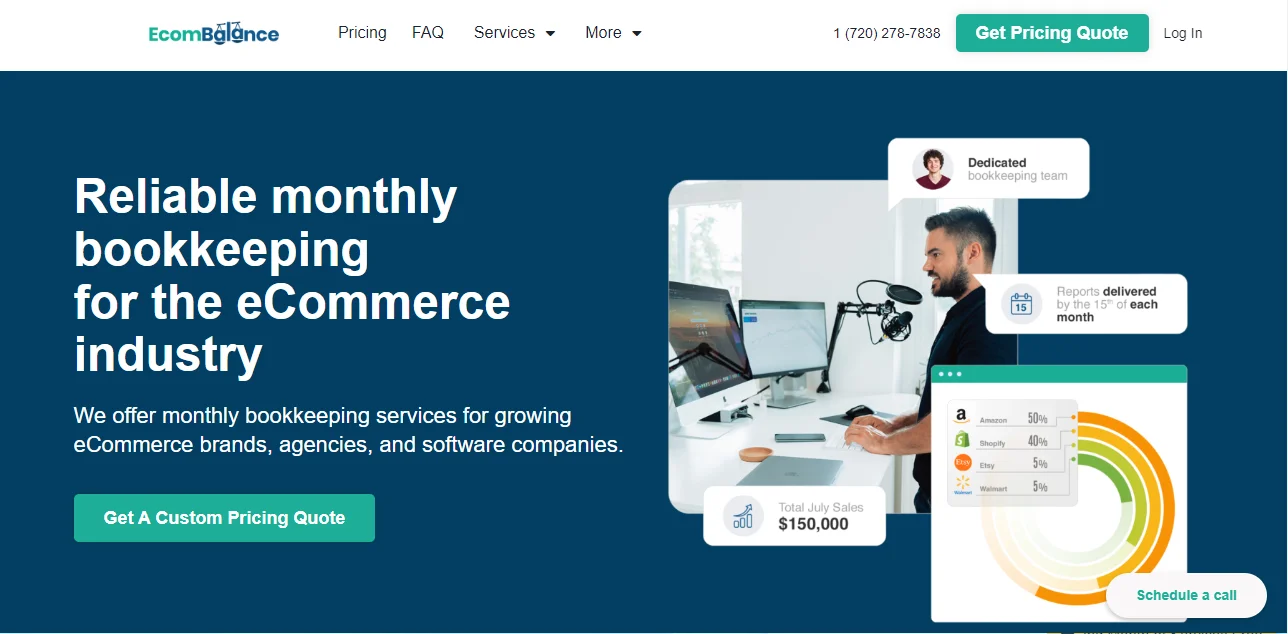
EcomBalance is a monthly bookkeeping service specialized for eCommerce companies selling on Amazon, Shopify, eBay, Etsy, WooCommerce, & other eCommerce channels.
We take monthly bookkeeping off your plate and deliver you your financial statements by the 15th or 20th of each month.
You’ll have your Profit and Loss Statement, Balance Sheet, and Cash Flow Statement ready for analysis each month so you and your business partners can make better business decisions.
Interested in learning more? Schedule a call with our CEO, Nathan Hirsch.
And here’s some free resources:
- Monthly Finance Meeting Agenda
- 9 Steps to Master Your Ecommerce Bookkeeping Checklist
- The Ultimate Guide on Finding an Ecommerce Virtual Bookkeeping Service
- What Is a Profit and Loss Statement?
- How to Read & Interpret a Cash Flow Statement
- How to Read a Balance Sheet & Truly Understand It
Conclusion
Harmful search results can be stressful for any eCommerce business, especially when they appear on the first page of Google and affect customer trust. The good news is that you don’t always need a complete removal to protect your brand. By focusing on eCommerce reputation management, reaching out for updates when possible, building stronger positive content, and using ethical suppression strategies, you can gradually push negative results down and make sure your store is represented more accurately online.
