



How to Prepare Your Brand for International Marketing in 2025
3rd
December, 2025
International marketing is a huge opportunity for growth in today’s digital era. Social networks and e-commerce have made it easier than ever for brands to reach customers across borders – in fact, over 63% of the world’s population now uses social media. Global e-commerce sales are projected to hit around $6.42 trillion in 2025, so expanding internationally can unlock massive new audiences and revenue streams for your business. From e-commerce startups and Amazon sellers to established retail brands, anyone can “go global” with the right game plan. But learning how to prepare your brand for international marketing is essential – you can’t just flip a switch and expect instant worldwide success. In 2025, brands need a thoughtful strategy that considers cultural differences, local competition, and emerging channels like micro-influencers and UGC (user-generated content). This guide will walk you through everything you need to know to get your brand ready for international marketing success.
What is International Marketing (and Why It Matters)?
International marketing (or global marketing) means promoting your products or services outside your home country. It goes beyond simply shipping worldwide – it’s about adapting your branding and campaigns to resonate with consumers in different countries and cultures. Effective international marketing can dramatically increase your reach to new customers, diversify your revenue streams across markets, and strengthen your brand’s overall resilience. The rise of digital platforms has made global expansion more accessible than ever. Even if you haven’t actively targeted overseas markets yet, people anywhere can discover your brand online through search or social media. The internet is borderless – new audiences may be finding you without you realizing. Embracing international marketing intentionally ensures you make the best impression on those global audiences.
Why focus on global marketing in 2025? Simply put, operating globally is becoming essential for growth. Reaching international consumers can fuel faster sales growth and protect you from depending too much on one market’s economy. It also gives you valuable insights into customer behavior in different regions, which can spark new product ideas and improvements. By preparing your brand for international marketing now, you set the stage to go global and tap into the huge e-commerce boom happening worldwide. Let’s look at the benefits and challenges you should be aware of before diving in.
Unlock the Power of Micro Influencers and Elevate your Brand Today!
Benefits of Going Global with Your Brand
Expanding your brand internationally requires work, but it comes with big upsides for those who execute well. Here are some key benefits of a global marketing strategy:
-
- Massive Reach: International marketing helps you reach potential customers around the world and raise global awareness of your brand. Instead of a few million people in one country, you can access billions of consumers online. For example, being active on global platforms (Facebook, Instagram, TikTok, etc.) exposes your brand to audiences from the US to India to Brazil, wherever your content resonates.
- Diversified Revenue: Selling in multiple countries diversifies your income streams. This makes your business less vulnerable to local downturns. If one market slows, growth in another can compensate. Many Amazon sellers and e-commerce brands expand to Europe or Asia to reduce reliance on domestic sales. In 2025, China, the US and Western Europe together will account for about 80% of online sales – but emerging markets in Southeast Asia and Latin America are the fastest-growing for e-commerce. Tapping into those growth markets can supercharge your overall revenue.
- Learning & Innovation: Going global forces you to learn new consumer insights across cultures. You might discover product use-cases or marketing angles that never occurred to you before. These insights create a feedback loop – you can adapt your offerings to better serve each market, which in turn strengthens your brand everywhere. A more globally aware company is often more innovative and resilient.
- Brand Credibility: Operating in multiple countries can boost your brand’s prestige and credibility. People tend to trust brands that are popular in other parts of the world (a phenomenon sometimes called “social proof”). Global presence signals that your product has broad appeal. For instance, if your product is a hit in both the U.S. and Japan, consumers in a new market may feel more confident giving it a try. Collaborating with international micro-influencers can also amplify this effect by adding authentic testimonials from different regions.
- Massive Reach: International marketing helps you reach potential customers around the world and raise global awareness of your brand. Instead of a few million people in one country, you can access billions of consumers online. For example, being active on global platforms (Facebook, Instagram, TikTok, etc.) exposes your brand to audiences from the US to India to Brazil, wherever your content resonates.
In short, international marketing opens the door to exponential growth. But it also comes with challenges and complexities you must navigate. Before you launch global campaigns, make sure you understand what hurdles to expect – and how to overcome them.
Key Challenges in International Marketing

While the world is more connected than ever, marketing across borders isn’t without challenges. Here are some major hurdles brands face in international marketing, and tips on handling them:
-
- Cultural Differences: What works in one country might flop in another due to cultural nuances. Everything from colors and symbols to humor and etiquette varies by culture. Even a simple element like color can carry different meanings in different places. For example, white is associated with weddings in Western cultures but with mourning in some East Asian cultures. To avoid missteps (or even offense), you must research and respect each region’s cultural norms. Avoid cultural appropriation and insensitive messaging by involving local experts or team members who truly “get” the culture. The more you localize (which we’ll cover soon), the better your campaigns will resonate.
- Local Trust & Brand Awareness: When entering a new country, you’re often an unknown brand. Earning consumers’ trust is a major hurdle – why should someone abroad buy from a company they’ve never heard of? One powerful solution is to partner with local influencers or content creators who already have your target audience’s trust. These micro-influencers act as on-the-ground ambassadors, lending your brand credibility through peer recommendations. Remember, 84% of consumers trust peer recommendations over brand ads. Leveraging that trust via local user-generated content can quickly build awareness and confidence in your brand.
- Language Barriers: English might be the lingua franca of business, but to truly connect with consumers, you often need to speak their language – literally. Translating your content is just the start. Effective international marketing requires multilingual SEO, local language customer support, and adapting slogans or idioms that don’t translate directly. Hiring skilled translators or using localization services is vital to avoid embarrassing gaffes. (Many of us have seen examples of marketing translation fails that went viral for the wrong reasons!)
- Regulations & Compliance: Every country has its own legal and regulatory landscape for businesses. This can include consumer privacy laws, advertising standards, product regulations, tariffs, taxes, and more. For example, the EU’s GDPR privacy law limits how you collect and use data on EU consumers. When preparing your brand for international marketing, do your legal homework early. Ensure your practices (from email opt-ins to product labeling) comply with local laws in each target region. It can be wise to consult legal experts or local partners to navigate regulations. Non-compliance can lead to fines or getting banned from a market, so take this seriously up front.
- Logistics & Currency: If you sell physical products, expanding globally means sorting out shipping, fulfillment, and payment in other currencies. How will you warehouse inventory overseas? What are the shipping costs and delivery times to, say, Europe or Asia? Can your e-commerce site accept foreign payments and display prices in local currency? These logistical questions are crucial. You might need to partner with an international fulfillment service or use platforms like Amazon’s global fulfillment network for assistance. Also, set up a payment system that can handle currency exchange so you get paid in your currency without eroding profit. Planning the supply chain and currency strategy in advance prevents customer disappointment later (e.g. extremely long shipping times or payment failures).
- New Competition: When you enter a foreign market, expect to encounter different competitors (including strong local brands) you didn’t face at home. Your product might be unique in your country, but in another market there could be already ten similar offerings. Always conduct a thorough competitive analysis for each target region. Identify who the top players are, how they market, and what gaps exist that your brand can fill. This research will help you position your product effectively and find your niche against local competitors.
- Cultural Differences: What works in one country might flop in another due to cultural nuances. Everything from colors and symbols to humor and etiquette varies by culture. Even a simple element like color can carry different meanings in different places. For example, white is associated with weddings in Western cultures but with mourning in some East Asian cultures. To avoid missteps (or even offense), you must research and respect each region’s cultural norms. Avoid cultural appropriation and insensitive messaging by involving local experts or team members who truly “get” the culture. The more you localize (which we’ll cover soon), the better your campaigns will resonate.
As you can see, going global has many moving pieces – cultural adaptation, building local trust, translation, compliance, logistics, and competition to name a few. It might sound daunting, but with a structured approach you can tackle each challenge step by step. Next, we’ll outline exactly how to prepare your brand for international marketing success, one step at a time.
Steps to Prepare Your Brand for International Marketing
So, how do you actually get ready to market your brand globally? Here is a step-by-step game plan:
-
- Research and Select Your Target Markets Wisely: Don’t jump into every country at once. Start by pinpointing the most viable markets for your brand. Look for regions with low barriers to entry where you can operate easily. For example, countries with a shared language or similar customer demographics to your home market will be easier to start with. Also consider geographic proximity (nearby countries simplify shipping logistics) and market opportunity (size of customer base and spending power). Use data to guide you – analyze your website’s traffic by country or run test ads in various regions to gauge interest. Talk to people in the target market as well. As one expert advises, make sure the influencers and marketing channels popular in that country are on your radar before you enter. The goal is to identify 1-3 markets that offer a sweet spot of high potential demand and relatively low expansion hurdles. You can always expand further once you’ve gained a foothold.
- Calculate Expansion Costs and Allocate Resources: Going global can be incredibly rewarding, but you need to budget for it. Outline all the key costs of entering a new market – for example, international shipping expenses, taxes and duties, local business registration fees, translation services, hiring local staff or agencies, travel costs for your team, etc. Some costs will be one-time (like translating your website or setting up an overseas distributor) and others are ongoing (like higher customer service needs or paying local influencers). Make a realistic plan for how you’ll cover these expenses. The good news is that in the digital age, even small e-commerce brands can expand globally without massive investment. For instance, software or digital product companies face fewer costs than those shipping physical goods. And partnering with micro-influencers is relatively cost-effective – often only a few hundred dollars per post or product sample, versus tens of thousands for a celebrity endorsement. Still, be strategic: start with a modest budget and test the waters. You can always scale up your spend once you see traction.
- Localize Your Brand and Content: Localization is the process of adapting your brand experience to each local market’s language and culture. This step is absolutely critical in preparing for international marketing. Shoppers abroad should feel like your product and content were made for them, not awkwardly translated from a foreign brand. Key localization tasks include: translating your website, product packaging, and marketing materials into the local language (using professional translators, not just machine translation), adjusting visuals or color schemes to fit cultural preferences, and even tweaking your product offerings if needed. For example, Sprout Social created a Spanish-language version of its site with region-specific messaging, mirroring the look of the English site but written in natural, regionally appropriate Spanish. You might also tailor your marketing calendar to local holidays and seasons – e.g. running campaigns for Singles’ Day in China or Diwali in India, if those are big shopping periods for your audience. One size does NOT fit all in global marketing. The more you can speak in the customer’s voice and meet their local expectations, the more successful you’ll be.
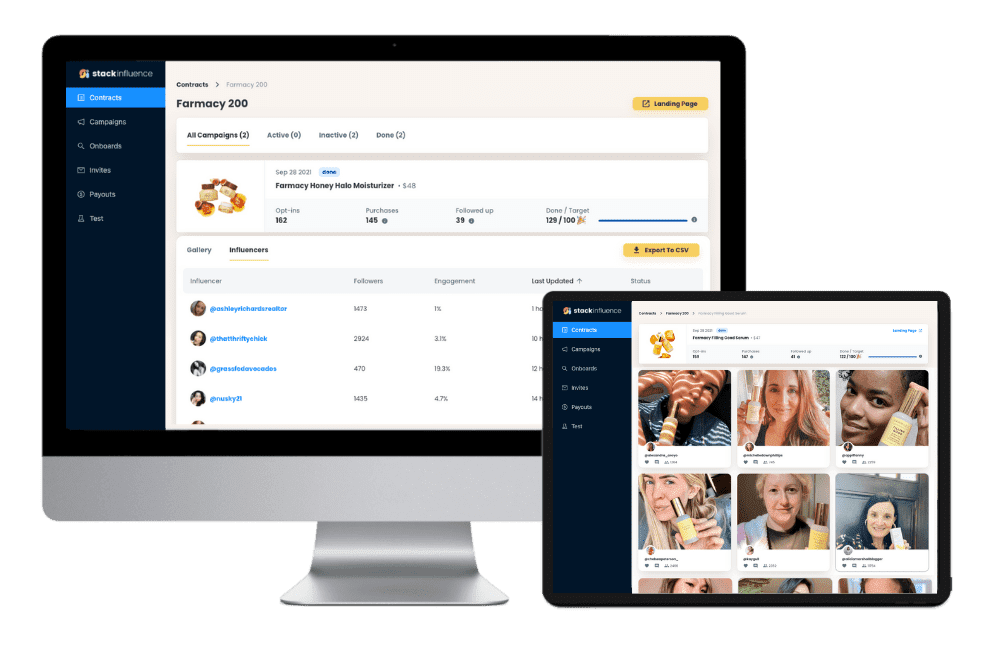
- Leverage Local Social Media and Micro-Influencers: To build brand awareness and trust in a new country, few tactics are as effective as partnering with local influencers and encouraging user-generated content. International influencer marketing is your ticket to winning over a new local audience. These creators already have the eyes and ears of your target customers. By collaborating with them, your brand gets an instant “in” with the community. Start small and economical – rather than one big celebrity, work with a cohort of micro-influencers (roughly 10,000–100,000 followers each) who align closely with your niche. Micro-influencers often have higher engagement rates and more trust with their followers than huge accounts. In one survey, 79% of consumers said UGC (like influencer posts) highly impacts their purchase decisions, underscoring how powerful this content can be. Provide influencers in your target country with free product or affiliate links and let them share genuine reviews, unboxings, or demos in the local language. Their posts not only introduce your brand, but can drive direct traffic to your online store (for example, straight to your Amazon listing for that country). Also, be sure to choose the right social platforms for each region – popular networks vary by country. If your U.S. marketing relies on Instagram and YouTube, you might find that in some countries TikTok or local platforms (like WeChat in China, or VK in Russia) are more effective. Adapting to where the locals actually hang out online is key. Tip: Platforms like Stack Influence can help connect brands with vetted micro-influencers and content creators around the world, making it easier to scale your international influencer campaigns.
- Solve Logistics, Payments and Legal Issues Early: Before you launch big marketing campaigns, make sure the practical side of selling internationally is sorted out. Nothing’s worse than attracting a bunch of excited new customers in another country, only for them to discover they can’t actually receive your product or pay you! If you run an e-commerce or Amazon business, set up the infrastructure for fulfillment in your new markets. This may involve using international warehouses or fulfillment centers to store inventory closer to customers (reducing shipping time and cost). Research the best shipping carriers or methods for each country – for example, what’s the most reliable way to deliver in rural areas of that region? Next, ensure your website or seller account can accept local currencies and payment methods. You might need to support alternatives like local e-wallets or cash-on-delivery if those are common. Also, update your pricing to include any import taxes or VAT so customers aren’t surprised. On the legal side, register your business or trademark locally if required, and double-check you meet product regulations (some products like cosmetics or electronics may need special certifications in certain countries). Finally, review your marketing and data policies: do you comply with opt-in rules for email/SMS in that country? Are you following privacy laws like GDPR when collecting user data? Sorting these details up front will save you headaches and build trust with your international customers from day one.
- Track Performance and Adapt Your Strategy: As you begin marketing in new regions, set up a solid reporting infrastructure to monitor how things are going. It’s important to measure results for each country or region separately, so you can see where you’re succeeding and where you might need to pivot. Define what success looks like: is it website traffic from the new country? Online orders? Social media engagement or follower growth from that region? Use analytics tools to capture these metrics. For example, you can create custom reports filtered by region to share with your team. Pay attention to which campaigns or content perform best in each locale. You might discover that your Instagram ads get great traction in Europe, while in Asia your TikTok videos drive more conversions – these insights help you allocate budget to the right channels. Also listen to feedback: what are customers saying in reviews or comments? Use those clues to refine your approach. Be ready to adapt – international marketing is an ongoing learning process. Perhaps you’ll find you need to tweak your messaging, or introduce a new product variant to suit local tastes. By tracking and iterating, you’ll steadily improve your global marketing effectiveness. Over time you can double down on the markets that overperform and gracefully dial back efforts in those that underperform, ensuring you invest where it counts.
- Research and Select Your Target Markets Wisely: Don’t jump into every country at once. Start by pinpointing the most viable markets for your brand. Look for regions with low barriers to entry where you can operate easily. For example, countries with a shared language or similar customer demographics to your home market will be easier to start with. Also consider geographic proximity (nearby countries simplify shipping logistics) and market opportunity (size of customer base and spending power). Use data to guide you – analyze your website’s traffic by country or run test ads in various regions to gauge interest. Talk to people in the target market as well. As one expert advises, make sure the influencers and marketing channels popular in that country are on your radar before you enter. The goal is to identify 1-3 markets that offer a sweet spot of high potential demand and relatively low expansion hurdles. You can always expand further once you’ve gained a foothold.
Figure: An infographic illustrating six essential strategies for global expansion. To succeed internationally, brands should embed themselves in the local market (through culture and language), implement multi-channel promotions tailored to each region, do the legal and regulatory homework for compliance, build an effective local team or partnerships (e.g. local sales reps or distributors), maintain clear and consistent communication across global teams, and stay flexible with the business model to adapt to each market’s needs. These steps echo the importance of localization, cultural understanding, and strategic planning in any international marketing initiative.
Using Social Media to Drive International Marketing

One of the most powerful tools in your international marketing toolkit is social media. Platforms like Facebook, Instagram, TikTok, and YouTube let you connect with global audiences instantly – but you need the right strategy to maximize their impact across different countries. Here are a few social-focused tips to complement the steps above:
-
- Consider Separate Regional Accounts: If your brand has the resources, creating country-specific social media accounts can be very effective. Many large brands (e.g. Coca-Cola, Red Bull) operate separate Twitter or Instagram accounts for different regions, often managed by local teams. This allows you to post in the local language and focus content on local interests. For instance, Red Bull has unique Instagram accounts for markets like France, Brazil, Japan, etc., each featuring region-specific sports and culture content. A localized account makes your audience feel “this is for me.” However, for smaller teams just starting globally, managing too many accounts can be overwhelming. In that case, you might keep one global account but mix in content that appeals broadly and use targeting features (like Facebook’s region targeting) to reach the right people. You can always split off regional accounts later once you gain traction.
- Adapt Your Platform Mix: Social media usage varies worldwide, so part of preparing your brand is choosing the right platforms for each market. Research which networks are most popular in your target country. For example, if you’re expanding into South Korea or Japan, you’ll want to consider Line or Kakao in addition to the usual platforms. In some countries, Instagram might be king; in others TikTok or local forums could dominate. Cross-posting content and testing engagement on multiple platforms can reveal where you get the best response. You might find, say, your U.S. audience lives on Facebook but your new UK audience responds better on TikTok. Use those insights to prioritize where you put your effort (and ad budget) in each region.
- Create Culturally Relevant Campaigns: When it comes to content, one of the best ways to engage international audiences is by tapping into their culture and traditions. Plan campaigns around local holidays, cultural events, or trending topics specific to that country. For example, a food brand launching in Thailand could do a special campaign for Songkran (Thai New Year), similar to how KFC Thailand once launched a local menu item to celebrate Songkran. Even on a smaller scale, adjusting your language and tone can make a big difference – avoid overly U.S.-centric slang or references when marketing abroad. Little touches like using British English vs. American English for the UK (“colour” vs “color”), or using local units of measure and currency, show respect and effort. The more local your social content feels, the more it will resonate. As a bonus, culturally tailored campaigns are more likely to get shared, driving organic growth.
- Leverage Paid Social Targeting: Digital ad platforms allow incredibly specific geo-targeting. Use this to your advantage. When running paid social media ads, segment your campaigns by region so you can tailor the creative and messaging. For instance, an influencer marketing platform might run one set of LinkedIn ads in English targeting the UK with a message about “UK creators,” and a separate set in German targeting Germany with a message highlighting “deutsche Influencer.” Both ads promote the same service but in a way that speaks to each audience. Also pay attention to time zones – schedule posts and ads to go live at times when your target country is awake and active online. (Social media management tools or features like Sprout Social’s Optimal Send Times can identify the best posting times per region.)
- Monitor Conversations and Engage: Finally, treat your new international audience on social media like a community. Monitor comments, messages, and mentions from each region. Respond to questions or feedback in a timely manner – and in the local language if you can. Showing that you are listening and engaging goes a long way in building trust. You might even consider creating region-specific support handles or using chatbots that can handle multiple languages to improve responsiveness. Social listening can also alert you to any cultural issues or PR hiccups early so you can address them. Overall, an engaged social presence helps turn global viewers into loyal customers.
- Consider Separate Regional Accounts: If your brand has the resources, creating country-specific social media accounts can be very effective. Many large brands (e.g. Coca-Cola, Red Bull) operate separate Twitter or Instagram accounts for different regions, often managed by local teams. This allows you to post in the local language and focus content on local interests. For instance, Red Bull has unique Instagram accounts for markets like France, Brazil, Japan, etc., each featuring region-specific sports and culture content. A localized account makes your audience feel “this is for me.” However, for smaller teams just starting globally, managing too many accounts can be overwhelming. In that case, you might keep one global account but mix in content that appeals broadly and use targeting features (like Facebook’s region targeting) to reach the right people. You can always split off regional accounts later once you gain traction.
Social media truly levels the playing field for international marketing – a clever TikTok video or Instagram Story can reach thousands of potential customers overseas overnight. By tailoring your social strategy to each market and fostering real connections, you’ll build a vibrant global community around your brand.
Unlock the Power of Micro Influencers and Elevate your Brand Today!
Conclusion to How to Prepare Your Brand for International Marketing
Expanding your brand into international markets is an exciting journey. By now, you should have a solid understanding of how to prepare your brand for international marketing in 2025. It comes down to researching your opportunities, adapting to local cultures, leveraging modern channels like micro-influencers, and handling the operational details that come with global business. With a well-crafted strategy and the willingness to learn and iterate, even a small company can make a big impact on the world stage.
Remember, international success doesn’t happen overnight – but each step you take (from translating your website to signing that first overseas influencer) is building your brand’s global presence. Stay patient, be culturally curious, and learn from each market you enter. Monitor your results closely and don’t be afraid to pivot your approach as you discover what works best in each locale. By following the steps and tips in this guide, you’ll be well on your way to going global with confidence.
In a world where social media, influencer marketing, and e-commerce connect us all, the brands that thrive will be the ones that can think globally and act locally. You have the tools and knowledge – now it’s time to execute. Here’s to seeing your brand reach new heights across continents in 2025 and beyond! Stack Influence and other experts are here to support you on your international marketing journey. Good luck, or as they say in French, bonne chance!

By William Gasner
CMO at Stack Influence
William Gasner is the CMO of Stack Influence, he’s a 6X founder, a 7-Figure eCommerce seller, and has been featured in leading publications like Forbes, Business Insider, and Wired for his thoughts on the influencer marketing and eCommerce industries.
Want new articles before they get published? Subscribe to our Awesome Newsletter.
stack up your influence
turning creativity into currency
our headquarters
111 NE 1st St, Miami, FL 33132
our contact info
[email protected]
stack up your influence
turning creativity into currency
our headquarters
111 NE 1st St, 8th Floor
Miami, FL 33132
our contact info



© 2025 Stack Influence Inc
© 2025 Stack Influence Inc
The post How to Prepare Your Brand for International Marketing in 2025 appeared first on Stack Influence.