





Key Takeaways
- Preserve the value of your large investment by properly sealing, cleaning, and protecting your vehicle against common long-term storage damage.
- Follow the nine key steps, including cleaning and draining all tanks, to ensure you cover every essential mechanical system before storage.
- Reduce your stress and worry about damage by properly preparing your RV so it is ready to travel instantly when the next season begins.
- Know that simply moving your tires slightly every few weeks is a critical and easy task to prevent them from developing permanent flat spots.
An RV is a significant investment. Whether you use it for seasonal travel or full-time living, proper care during off-seasons is essential.
Long-term storage helps preserve the life of your vehicle, but if done carelessly, it can lead to expensive repairs down the road. Moisture, pests, and mechanical issues are all common problems when an RV sits idle for months.
This guide covers the key steps you should take to prepare your RV for long-term storage. Following each one will help protect your RV and make sure it’s ready to roll when the time comes.
Step 1 – Choose the Right Storage Location
Before doing anything else, you need to decide where to store your RV. Not all locations offer the same level of protection.
Indoor vs. Outdoor RV Storage
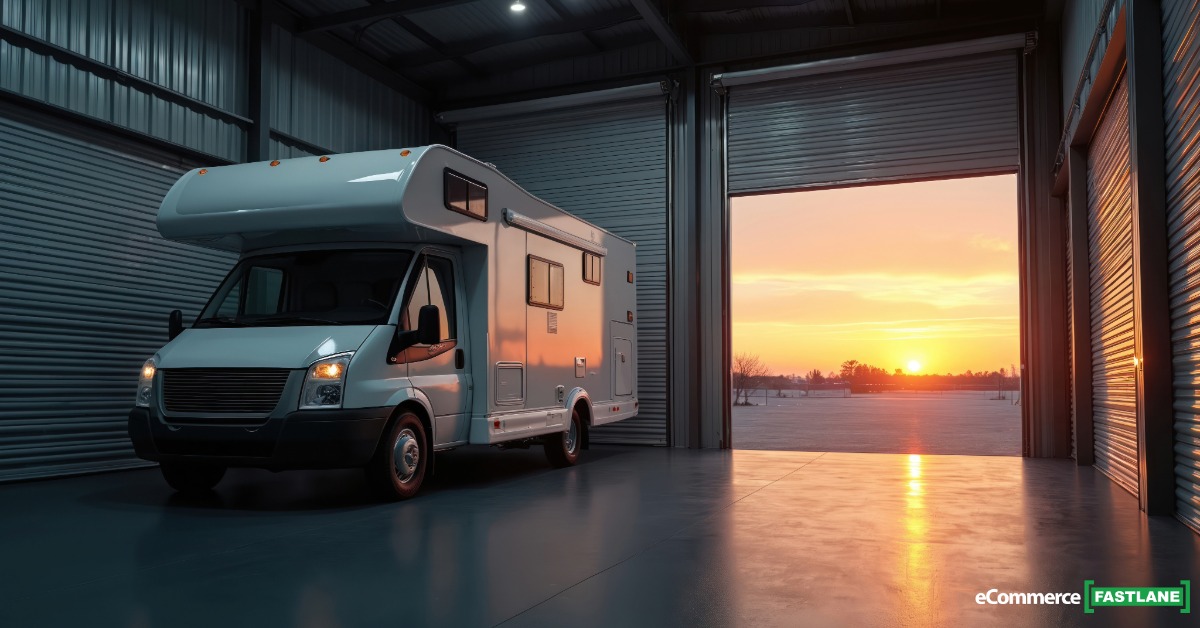
Indoor storage provides the most coverage from weather and sun exposure. It reduces the risk of fading paint, roof damage, or water leaks. Outdoor storage is more affordable and easier to find, but it exposes your vehicle to the elements. If you go this route, you’ll need to take extra precautions, such as using a proper RV cover.
Consider Climate-Controlled Storage
In regions with high humidity or extreme temperatures, climate-controlled storage adds a layer of protection. It helps prevent mold growth and material breakdown, especially in older RVs or those with sensitive interior components. Climate control is especially helpful for long-term storage during the hot summer or rainy season.
If you’re looking for storage in Florida, Punta Gorda RV storage facilities often offer indoor, covered, and climate-controlled options. This is ideal for protecting your RV from the area’s high heat and seasonal storms.
Security Features to Look For
When storing your RV away from home, safety matters. Look for facilities with gated access, security cameras, and on-site staff. Good lighting and keypad entry also help deter theft and vandalism.
Step 2 – Clean and Inspect Your RV
Once you’ve chosen the storage location, give your RV a full cleaning, inside and out.
Exterior Cleaning
Wash the outside thoroughly, removing dirt, sap, and road grime. A clean surface helps you spot cracks, dents, or roof damage that might need attention before storage. Apply a coat of RV-safe wax to protect the finish from sun and moisture. Inspect the roof seals and windows for any signs of leaks. Reseal if necessary.
Interior Cleaning
Inside the RV, remove all food, trash, and personal items. Clean the floors, wipe down counters, and vacuum seating areas. Leave cabinet and closet doors open slightly to promote air circulation. A clean interior helps keep pests and odors away while reducing the risk of mildew.
Step 3 – Prepare the Plumbing System
Water left in your RV’s system can freeze, grow bacteria, or cause pipe damage over time.
Drain the fresh water, gray water, and black water tanks. Empty the hot water heater and water lines. If you’re storing your RV in an area that sees cold temperatures, add RV-safe antifreeze to the plumbing system to prevent freezing.
Sanitize the system before or after storage, depending on how long it will be unused.
Step 4 – Protect the Battery and Electrical Systems
Your RV’s batteries can drain and lose performance when left connected. Disconnect the house battery and vehicle battery. Store them in a dry, cool place if possible. If you prefer to keep the batteries in the RV, use a trickle charger or battery maintainer to keep them in good shape.
Also, switch off all breakers and unplug appliances. This prevents phantom drain and helps avoid electrical issues when you reconnect the system later.
Step 5 – Maintain the Tires
Tires are vulnerable during long periods of non-use. They can develop flat spots or lose air.
Inflate each tire to the manufacturer’s recommended PSI before storage. Place wood planks or tire pads under each one if storing outdoors on pavement or gravel. If the RV will sit for more than a few months, move it slightly every few weeks to avoid tire stress.
Tire covers are a smart addition to block UV rays, especially for outdoor storage.
Step 6 – Prevent Pest Infestations
Rodents and insects often find their way into stored RVs through small cracks or vents. Once inside, they can chew wires, nest in cabinets, or damage insulation.
Inspect the undercarriage, vents, and entry points. Seal gaps with foam or mesh screens. Remove anything that could attract pests, such as paper, food crumbs, or fabric. Use pest repellents or set traps in strategic areas as an extra layer of defense.
Step 7 – Protect the RV Interior
Moisture can build up inside your RV even in mild climates. To prevent this, place moisture absorbers in key areas like closets, the kitchen, and the bathroom. This helps keep humidity down and avoids mold.
Cover windows with light-blocking shades or reflective sun shields to reduce UV damage. Leave the refrigerator and interior doors slightly open to allow airflow and prevent stale odors.
Step 8 – Use an RV Cover (If Stored Outdoors)
If you’re using outdoor storage, invest in a proper RV cover. Choose one made of breathable material to avoid trapped moisture. The cover should fit snugly and be secured tightly to prevent it from flapping or tearing in the wind.
Avoid using tarps. They often trap heat and moisture, which can lead to more harm than good.
Step 9 – Check Insurance and Registration
Before leaving your RV in storage, review your insurance coverage. Make sure it includes protection for theft, fire, and weather damage. Some storage facilities offer additional insurance plans, but it’s always best to confirm with your provider.
Also, ensure that your RV registration is current, especially if the vehicle is in off-site storage or if the facility requires proof of ownership.
Conclusion
Preparing your RV for long-term storage doesn’t have to be complicated. With the right steps and a little planning, you can keep your vehicle in great shape and avoid expensive repairs later on.
Clean it, inspect it, seal it, and store it properly. Whether you’re using indoor storage or parking it outside under a cover, these precautions will make sure your RV stays road-ready for the next season.
Frequently Asked Questions
Why is careful preparation essential before storing an RV long term?
Careful preparation is necessary to protect your significant investment from common issues in storage. When an RV sits idle, it is vulnerable to moisture damage, pest infestations, and mechanical problems like tire and battery wear. Following the correct steps now prevents expensive and time-consuming repairs when you plan to use it next.
What is the most important factor when choosing an off-site RV storage location?
The most important factor is protection from weather, especially sun and moisture. Indoor storage is the best option because it prevents paint fading, water leaks, and roof damage. If you must use outdoor storage, a proper, breathable RV cover is a required precaution to stop water and UV rays from causing harm.
Why should I leave cabinet and refrigerator doors open inside the stored RV?
Leaving cabinet doors and the refrigerator door open promotes air circulation throughout your vehicle. This airflow helps control humidity and prevents stale odors from developing during long periods of non-use. Better airflow greatly reduces the risk of mildew and mold growth in enclosed spaces.
What is the difference between draining the plumbing system and adding antifreeze?
Draining the system removes all available water from the tanks and lines, which is the first step. Adding RV-safe antifreeze is an extra step for RVs stored in cold climates to prevent any residual water from freezing. This antifreeze stops major pipe damage that water expansion from freezing would surely cause.
What is the best way to keep the RV batteries healthy while they are disconnected in storage?
The best practice is to remove both the house and vehicle batteries and store them in a cool, dry area. If you leave them in the RV, you should connect them to a battery maintainer or a trickle charger. This device slowly adds a small charge over time, keeping the batteries at an optimal level and preventing major drainage.
What is the immediate, practical step I should take to protect my RV’s tires in storage?
You should inflate your tires to the vehicle manufacturer’s maximum recommended pressure before parking the RV. Over-inflating them slightly helps the tires better hold their shape. This action, combined with placement on wooden blocks or tire pads, reduces the chances of temporary and permanent flat spots forming.
Why is using a general tarp on my RV during outdoor storage not recommended?
Using a standard tarp is a common mistake because it traps heat and moisture directly against the RV’s surface. This trapped moisture can actually cause more damage than the rain itself by creating the ideal environment for mold and mildew. You must use a special, breathable RV cover made of non-trapping materials.
How can I make my RV unattractive to mice, rats, and insects during long-term storage?
To prevent pests, you must first eliminate all food sources, including crumbs and trash inside the coach. Second, inspect and seal all potential entry points, such as undercarriage holes and vents, with foam or mesh screens. If necessary, you can place moisture absorbers or pest repellents in the kitchen and cabinet areas.
What insurance coverage should I confirm before leaving my RV at an off-site storage facility?
It is smart to check your insurance policy to ensure it includes coverage for common risks while in storage. Confirm that your plan protects against theft, fire, and damage caused by severe weather events. You should also check if the storage facility offers any additional insurance coverage that you might need.
If I am storing my RV in a warm, rainy area like Florida, what extra measure should I consider?
If storing your RV in a region with high heat and seasonal storms, you should consider a climate-controlled storage unit. Climate control helps prevent interior material breakdown and mold growth caused by high humidity. This option is especially helpful in protecting sensitive interior components and soft materials.
