





Key takeaways 
The global footwear market is rapidly expanding, making it essential to choose the right selling platform to maximize profits and streamline operations.
Selling limited-edition or vintage shoes can be highly profitable, especially when utilizing platforms that cater specifically to these niche markets.
Optimizing product listings with high-quality images and detailed descriptions is crucial for attracting buyers and driving sales in a competitive online environment.
Building your own online store allows for greater control over customer relationships and marketing efforts, enabling you to convert one-time buyers into loyal customers.
The global footwear market size was valued at $423.35B in 2024 and is expected to rise from $41.56B in 2025 to $618.39B by 2033. Needless to say, the market is booming, and it’s only natural to want a slice of that cake. Finding the right platform to list your inventory, however, directly impacts your margins, shipping operations, sales, and more, so it’s important to know how to pick one.
Clearing out your closet or building a dedicated resale business requires a strategic approach to marketplaces. In this guide, we’ll explore the best places to sell shoes online, comparing their fees, audiences, and pros and cons to help you make the most profitable choice.
Is selling shoes online profitable?
Yes, selling shoes online can be profitable if you know what you’re doing and understand ecommerce fundamentals, especially if we’re talking about limited-edition sneakers, vintage finds, or barely used designer shoes. These are usually in high demand and consistently yield strong margins.
At the end of the day, success comes down to your ability and effort to find the right inventory and choose platforms that support your business model. Not all shoe stores are equal, nor should they be. For example, high-margin shoes like rare streetwear are usually sold via platforms that provide authentication services, and everyday footwear moves quickly on standard marketplaces.
15+ best places to sell shoes online
If you’re not into reading full reviews, here’s a table of the best places to sell shoes online for you. It covers the platform, what it’s known for, what it’s food for, the fee structure, focus, and how long it takes to get your money once you’ve sold your pair of shoes.
| Platform | Known for | Good for | Fees | Focus | Payout speed |
|---|---|---|---|---|---|
| StockX | Bid and buy marketplace | Reselling unworn sneakers, including popular and limited-edition releases | 3% payment processing fee + transaction fee (7%-9%) | Sneakers, collectibles, streetwear, and electronics | 1-2 business days after passing authentication |
| GOAT | Curated selection and rigorous authentication process | Sellers of popular and high-demand sneakers | Seller fees (up to $35) + 9.5%-27.9% commission fee (depending on seller rating) | A wide selection of sneaker brands | As soon as items have been authenticated |
| eBay | The most diverse online marketplace | New, gently used, rare, and unique pieces | 250 free listings/month, then $0.35 for each listing, a $0.30 pre-order fee + 5%-15% final value fee | A wider variety of shoe brands and types | 1-2 business days |
| Amazon | Massive online retailer with a vast fulfillment network | Any type of shoes | Selling plan fees start at $0.99 per item + 8%-15% referral fee | A wide range of shoe options | Every 14 days for Professional accounts, rules differ based on account |
| Stadium Goods | High-end online marketplace with physical stores | Genuine and unworn sneakers, limited editions, popular brands, and exclusives | 12%-20% commission + 1% payment processing fee, or $25 flat rate on items under $125 | Sneakers, streetwear, and a limited selection of accessories | Next-day payouts |
| Flight Club | Pioneer sneaker resale aftermarket brand | Rare and exclusive sneakers | 9.5% commission fee + $5 seller fee + 2.9% cashout fee | High-end sneakers and apparel | Up to 7 business days |
| Poshmark | Community-driven marketplace for fashion items | Gently used or new shoes | $2.95 flat fee for sales under $15 or 20% commission for sales of $15 and above | Wide variety of fashion items, including shoes, makeup, and dresses | Funds released within 3 days, then 1-3 business days for a transfer |
| Depop | Fashion marketplace for trendy and vintage clothing | Unique, vintage, or hard-to-find shoes, appealing to Gen Z shoppers | No seller fees for US and UK users, 10% fees for all other countries. Payment processing fees in all countries (~3.3% +$0.45 in the US and 2.9% + £0.30 in the UK) | Sneakers, streetwear, preloved, and vintage stock | 2-3 working days after item has been delivered |
| Facebook Marketplace | Convenient shopping and local reach | Used or gently worn shoes | No listing fees, but Facebook Checkout has a flat fee of $0.40 for items $8 or less, or 10% of the total sale price (and shipping) for items over $8 | A broad category for various items, including used shoes | 5 days after delivery or 15-20 days after marking as shipped, with funds taking up to 5 additional days to reach your bank |
| Highly visual social media platform with a massive user base | Unique shoe collections | No listing fees, but native Checkout fees are typically 5% per shipment or $0.40 for shipments under $8 | Building brand awareness and potentially driving sales to your ecommerce website | 1 to 7 business days | |
| ThredUp | Online consignment and thrift store | Gently used shoes | ~$14.99 service fee for Standard bag earnings, or ~$34.99 for Premium bags | Preloved clothes, shoes, and accessories | 3 to 8 weeks to process, earnings issued 14 days after an item is sold |
| TheRealReal | Luxury resale and consignment | Designer shoes | 40% to 80% commissions | Luxury sneakers, collectibles, and clothing | Payments are typically processed on the 15th of the month following the sale |
| Grailed | Online marketplace for a wide range of fashion pieces | Men’s sneakers | 9% commission + payment processing fee | Designer, vintage, and streetwear | Payouts release within 3 calendar days, then 2-3 business days to reach your bank |
| Etsy | Marketplace for handmade, vintage, and craft supplies | Handmade or custom shoes | $0.20 per listing + 6.5% transaction fee + payment processing fee | Vintage or custom items | 1–5 business days for bank transfers after funds are available |
| Shopify | Scalable ecommerce platform | A wide variety of shoes | Subscription plan fee + transaction fee | A wide range of items | 2-5 business days |
| Mercari | General marketplace for second-hand items and resellers | New or gently used shoes across all categories | 10% selling fee (on item price + buyer-paid shipping) | Various shoes and second-hand items, including casual, everyday shoes, and sneakers | Instant Pay delivers in minutes, direct deposit takes 5-7 business days |
How to choose the right platform for your shoe type
Not every platform works the same, and the best websites to sell shoes often depend on what kind of footwear you’re listing. Choosing the right marketplace based on your footwear type can help you maximize visibility, profits, and ease of sale.
If your obvious next question is “Where can I sell shoes for the highest return?”, here’s a breakdown to guide you:
Designer heels and luxury footwear
RealReal is often the best place to sell high-end designer shoes, as buyers expect authenticated luxury items. Meanwhile, Poshmark works well for new or gently used designer heels thanks to its fashion-focused community and simple listing process.
If you decide to build an independent luxury brand, consider creating your own store. Sellers using Shopify or WooCommerce can pair their store with marketing automation to own the customer relationship and drive repeat purchases.
Limited-edition sneakers
If you’re looking for the best place to sell sneakers, start with StockX, GOAT, and Grailed. Also, check out Stadium Goods and Flight Club, as they connect you with serious sneakerheads looking for rare, unworn, or high-demand sneakers.
Casual and everyday shoes
Mercari is a strong choice for anyone seeking the best place to resell shoes from mainstream brands like Nike or Adidas that don’t need authentication. ThredUp simplifies the process with its consignment-style model.
Kids’ shoes and quick local sales
Platforms like Facebook Marketplace and OfferUp excel in this area, as parents prefer local deals to avoid shipping costs and inspect shoes before making a purchase. They allow quick local sales with no listing fees, making either platform the best place to sell used shoes for fast pickups.
If speed is a priority, eBay is your go-to option. It has a massive audience and auction options, making it the best site to sell shoes fast.
Top 5 platforms reviewed in detail
While there are many places to list your footwear, focusing your efforts on the most active marketplaces will yield the best results. Below, we break down the leading options to help you choose the best website to sell shoes based on your business model, audience, and profit goals.
eBay
eBay is a giant in the world of online selling, offering a vast selection of products across almost every category imaginable. It’s the perfect marketplace for moving everything from rare vintage finds to everyday footwear. It’s best for sellers who want maximum reach and the flexibility of both auction and fixed-price formats.
You receive 250 free listings per month, and after that, you pay $0.35 for each listing, a $0.30 pre-order fee, and a 5%-15% final value fee. However, if you’re selling premium sneakers for $150 or more, eBay drops the fee to just 8% with no per-order fee, which makes it highly competitive for high-end sellers.
How to sell shoes on eBay:
- Create an account and create your listings with high-quality photos
- Set your pricing using auction or “Buy It Now” formats
- Choose a reliable shipping service with clear shipping costs and delivery times
- Respond quickly to questions from potential buyers to build trust
Pros and cons:
- Immediate access to a large audience and flexible listings
- Great fee structure for sneakers priced over $150
- High competition means your photos and pricing strategy must be exceptional
- Sellers handle shipping, returns, and customer service entirely on their own
GOAT
GOAT is a sneaker-focused platform that emphasizes the sale of authentic shoes through its moderated process. Because of its strict verification, it’s best for resellers dealing in high-demand or designer sneakers who want to guarantee authenticity to their buyers.
GOAT’s fee structure includes a flat seller fee plus a commission fee. All new sellers start with a seller rating of 90, which qualifies them for the minimum 9.5% commission. If you cancel orders or fail to ship on time, your rating drops, and your commission fee can increase up to 25%. There’s also a 2.9% cash-out fee when transferring your earnings.
How to sell shoes on GOAT:
- Apply for a seller account and wait for approval
- Upon approval, list the shoes, showing clear photos of any defects
- Set the price while considering GOAT’s seller fee and tiered commission
- Pack the shoes securely and send them to the verification center once they sell
Pros and cons:
- Sneaker-focused authentication creates high listing standards to improve buyer confidence
- Focuses on high-end, trendy, designer sneakers, limiting your options if you sell casual footwear
- Higher fees than some competitors and strict penalties for canceled orders
StockX
StockX is a platform for reselling sneakers and streetwear. It also allows buyers and sellers to place bids and asks, operating much like a traditional stock market. It’s the go-to marketplace for sellers dealing in brand-new, deadstock sneakers who want a hands-off sales process without needing to take their own product photos.
The fee structure involves a standard 3% payment processing fee, plus a base transaction fee that starts at 9% for Level 1 sellers. As your sales volume increases, your transaction fee can drop to as low as 7% at Level 5, which heavily awards high-volume professional resellers.
How to sell shoes on StockX:
- Create a seller account and search for your exact shoe model in their database
- Monitor market trends, and list your shoes with competitive pricing or sell them to the highest bidder immediately
- Upon sale, ship the shoes to StockX for authentication within two business days
- Once verified, StockX releases your payout and handles the final shipping to the buyer
Pros and cons:
- Transparent pricing and a hands-off fulfillment process that ensures authenticity for the buyer
- High seller fees for beginners and strict rules requiring items to be completely brand new
- The required authentication steps can sometimes result in slower transactions and payouts
Shopify
Shopify enables you to set up a fully functional online store with powerful features and integrations, allowing you to effectively showcase your products. If you don’t want to be renting space in other marketplaces, you can build your own store, list your items there, and fully own your customer relationships.
Standard annual billing plans start at $39/month for Basic, $105/month for the Grow plan, and $399 for the Advanced plan, plus credit card processing rates. While it won’t be as simple as using marketplaces, having your own store allows you to control the entire checkout experience, retain your customer data, and, best of all, avoid fees associated with marketplaces.
Shopify also allows you to open up another channel for revenue generation: email and SMS marketing. You can use Omnisend’s email marketing and SMS workflows to set up abandoned cart automations, post-purchase emails, thank-you notes, and more, to drive more revenue with less effort.
It’s also possible to integrate your Shopify store with Amazon so you can grow sales using multi-channel selling.
How to sell shoes on Shopify:
- Create an account and design your store
- Create pages to display the shoes with high-quality images and detailed descriptions
- Select a payment gateway and set up your shipping zones
- Market your shoes actively to drive traffic to your store
Pros and cons:
- Highly scalable with extensive customization options and zero marketplace commissions
- Complete ownership over your customer data, branding, automation, and more
- Requires marketing knowledge and experience to generate your own traffic
- Sellers handle the entire logistics and customer service on their own
Amazon is a general marketplace with a broad audience, providing a robust fulfillment network for a seamless shopping experience. It’s best for high-volume sellers, wholesale shoe distributors, or private-label brands that want to leverage arguably the largest pool of online shoppers in the world.
Amazon offers an Individual plan ($0.99/item sold) for casual sellers and a Professional plan ($39.99/month) for those who tend to move higher volumes. In addition to these base plan costs, footwear carries a 15% referral fee (with $0.30 minimum per item).
You also have the option to handle shipping yourself or pay extra fulfillment fees to use the Fulfillment by Amazon (FBA) option for storage and shipping.
How to sell shoes on Amazon:
- Set up a seller account and select a selling plan that fits your needs
- Create listings for your footwear or match existing ASINs in the Amazon catalog
- Choose the fulfillment method: either do it yourself or use FBA
- Use Amazon’s advertising options to increase product visibility
Pros and cons:
- Unmatched access to a large customer base with a high purchase intent
- FBA handles storage, shipping, and customer services if you don’t feel like doing it
- High selling fees and referral percentages can eat up your profit margins
- Highly competitive environment that may slow down your progress
How to sell shoes online step by step
To start selling shoes online, you need a well-defined plan and strategy in place. Follow these seven steps to successfully launch your footwear business:
1. Pick your niche and research demand
Before listing anything, conduct market research to determine which footwear niche is most profitable. It’s absolutely imperative that you understand your target market.
This provides valuable insights into your ideal customer’s demographics, buying habits, and pain points, which helps you customize your product selection and marketing message.
If you’re still exploring your options, check out our guide on the best small business ideas.
2. Source your inventory
You need a consistent and reliable way to get products. For example, you can sell shoes from your own closet, thrift stores, or clearance sales. Thrift stores and clearance sales can be an excellent choice for finding rare or undervalued gems with high resale margins.
Another option is wholesale buying, which allows you to purchase new shoes in bulk at a discount directly from manufacturers. Alternatively, you can explore a WooCommerce dropshipping model, where a third-party handles stock and fulfillment, which means you never have to touch or ship the physical product.
Regardless of which method you choose, you have to ensure their authenticity so that you can build a good seller reputation and gain customer trust.
3. Set up your seller account or online store
Next, you need to create an online presence. You can use a marketplace platform like Amazon or eBay to build brand awareness, or you can build a website of your own.
Make sure you have a secure storage solution, such as storage units, a warehouse, or a dedicated space in your home, to keep your inventory safe and organized.
Also, check your local laws regarding business registration. Even though you’re selling online, you’ll most likely need to register your business.
4. Price your shoes competitively
Your pricing strategy dictates how effectively you can sell shoes online and make money. Always factor in the hidden costs of selling.
A simple and effective formula to use is:
Cost of Goods + Selling Fees + Shipping Costs + Ad Spend (if used) + Desired Margin = Listing Price
Research similar sold items on the platform of your choice to ensure your final listing price is competitive while still protecting your profits.
5. Create standout product listings
Your listing is everything. Make sure you take clear, high-resolution photos from multiple angles, including the soles, tags, and any flaws. Write detailed and honest descriptions that include the brand, size, condition, model number, and any other relevant information.
6. Ship orders and handle returns
Come up with a smooth fulfillment process to keep your seller ratings high. Stock up on appropriately sized shipping boxes, packing tape, bubble wrap, and any other materials you may need to make your customers happy with the packaging.
Decide on your stance on free shipping (adding the cost into your final price) or charging the buyer directly. Also, create clear guidelines on your return policy in your listings to set appropriate expectations and protect yourself from disputes.
7. Market your shoe business to drive repeat sales
Once you’ve made your first sales, building an email list is the fastest (and cheapest) way to turn one-time buyers into repeat customers. Unlike marketplace selling (where you have no control over your customer relationships), building your own store plus an email list gives you direct access to your buyers.
Tools like Omnisend let you automate welcome sequences, abandoned cart reminders, post-purchase follow-ups, and much more from a single platform. Omnisend is built specifically for ecommerce and helps you maximize long-term retention and revenue without constantly putting in the hours for each sale.
Best practices for selling shoes online and making money
It can be difficult, especially for beginners, to understand what to do and what not to do when starting their online business selling shoes. However, it’s not all that difficult and complex. You just need to follow a few best practices.
Product photography that sells
While you can do this yourself, you may want to consider hiring a professional. The reason is because you need to display multiple angles, include close-up shots of logos or imperfections, and generate high-quality product images in general. If you don’t want to pay someone else to do the work for you, the least you could do is utilize AI image tools for ecommerce to help you with it.
General guidelines for shooting the best images include:
- Shooting your footwear against a clean, white, or neutral background
- Including specific angles – a clear side profile, a top-down view, a shot of the sole, and detailed close-ups of any wear or tear
- Keeping your images between 300-500 KB so they load quickly
Keep in mind, the photo is the first thing your customer will see, and crisp, well-lit photos build immediate trust and justify higher asking prices.
Writing descriptions that convert
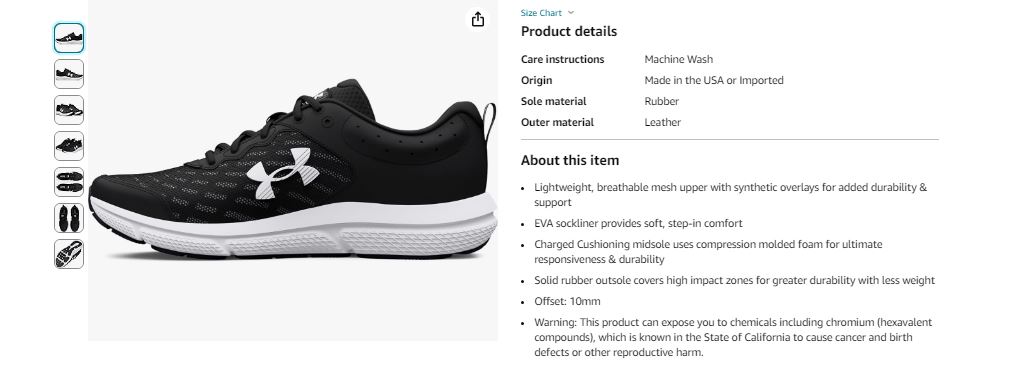
The next thing the customer sees after the photoshoot is the description. When selling shoes, you’ll need to balance the technical specs with the emotional appeal for the best result. Depending on the type of shoes you’re selling, they can be an emotional impulse buy or a necessity for comfortable everyday use.
Instead of only mentioning the brand, model, size, rarity, or condition, spice it up by mentioning some quality-of-life features like comfort, water resistance, easy cleaning, style fit, or any other features that are relevant to your pair of shoes.
Having this balance will reduce the back-and-forth questions and may give that extra push to encourage the buyer to get it here and now. For example, take this great product description from Amazon:
Keyword optimization for product listings
You’ll most likely need customers to find your products on their own, unless you’re running ads 24/7. To alleviate the burden on your budget, you can integrate keywords in your titles and descriptions to optimize your product listing for SEO.
Make sure the specific model is mentioned, purpose, color, size, or some other relevant technical spec. To make it clearer, here’s an example. Instead of writing “Blue Nike Shoes Size 10,” use “Nike Air Max 90 Men’s Running Shoes Size 10 – Blue/White”. This will make your shoes much easier to find, and you’ll have way better chances of success than using generic names.
Note: Remember to research the prices of similar shoes on the platform so your pricing remains competitive
How to sell shoes online instantly
If you don’t have the time to build websites and just want to sell shoes online instantly, your best bet is to use marketplaces like Facebook Marketplace, eBay, or Amazon. You can upload your listing there immediately, and potential buyers will be able to see your listing.
Make sure you follow these best practices mentioned above, and you might be able to sell your shoes even faster. Take high-quality images, write converting descriptions, and optimize for SEO.
Marketing strategies for selling shoes online
Here are some effective marketing and sales strategies to consider if you want to sell shoes online and make profits:
- SEO: Search for relevant keywords to add them to your product title, description, and tags. It will help increase visibility on search engines like Google and marketplace platforms.
- Social media marketing: Leverage social media to create buzz and run targeted ads. Platforms like Instagram and TikTok are highly visual in nature, which makes them perfect for showcasing sneakers and other shoes.
- Cross-promotion: Combine your shoes with complementary items like shoe care products or offer bundled deals like a back-to-school collection to boost sales
- Social proof: Encourage customers to leave reviews on your listings and social media pages so new buyers can see that people already trust your brand.
Email and SMS marketing with Omnisend
The most important thing you need to focus on if you want to make money long-term is retention. People selling on marketplaces lose their customers every single time since there’s no way to keep them. Those who have their own stores, on the other hand, can integrate a marketing tool like Omnisend that allows you to convert one-time buyers into loyal repeat customers.
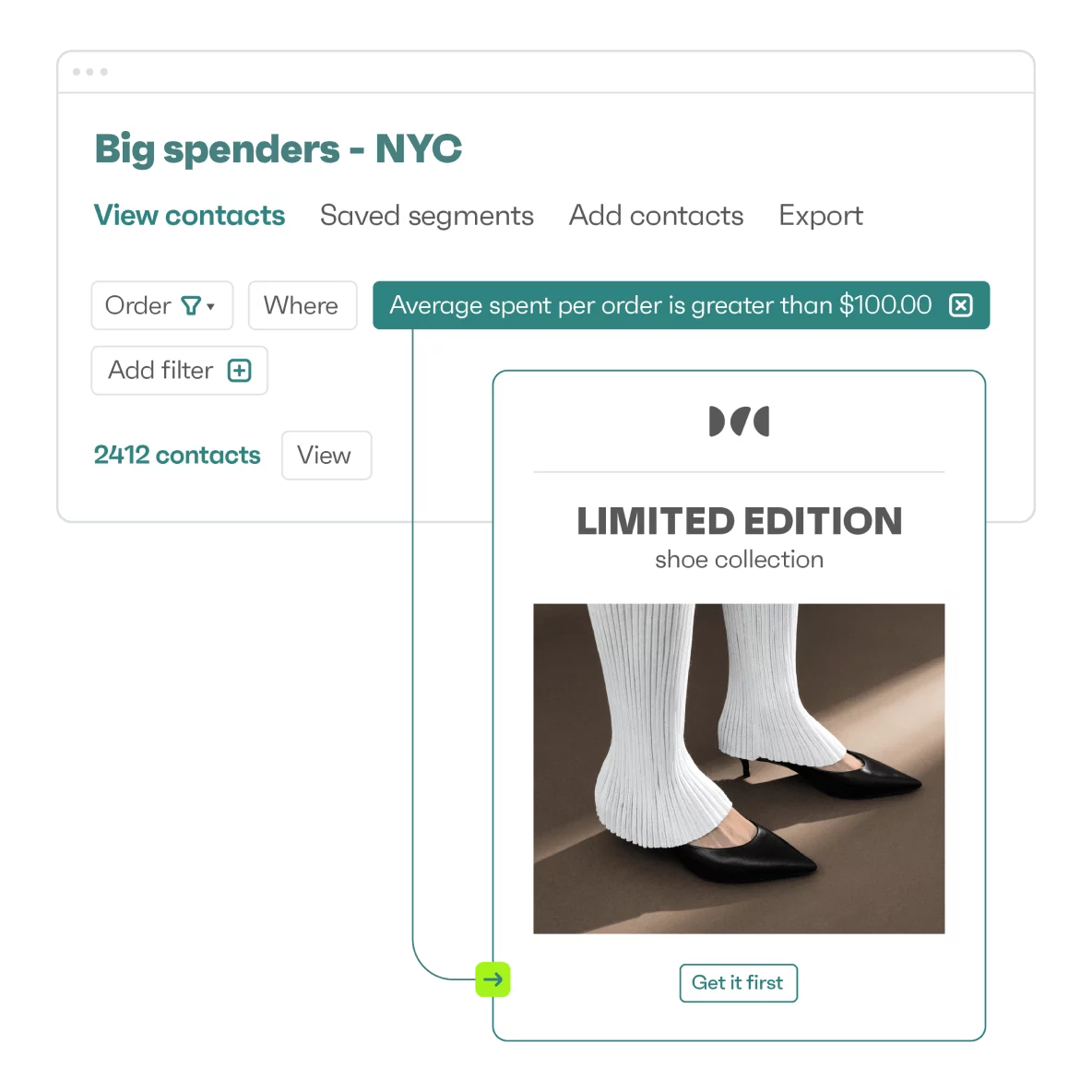
You can use signup forms and popups to collect contact information by offering a small discount on a first purchase. Then, you can use email segmentation to target buyers based on their purchase history, shoe size preference, or average order value.
To make it clearer, we’ll use a specific example. A Shopify-based shoe business can use Omnisend to set up an abandoned cart sequence that sends an email 1 hour after the customer adds a pair of shoes to their cart and then leaves without buying, followed by an SMS reminder 24 hours later if the email didn’t convert.
You can also automate welcome series for new subscribers, post-purchase follow-ups with shoe care tips, and re-engagement campaigns for seasonal drops. Furthermore, Omnisend’s global SMS capabilities allow you to text customers about flash sales, restock alerts, or limited drops.
Omnisend is intuitive and built specifically for ecommerce. It integrates directly with Shopify, WooCommerce, Wix, and BigCommerce in just a few clicks, and pulls product data directly from your store for personalized recommendations. In fact, Omnisend merchants earn an average of $79 for every $1 spent on the platform.
In the example below, the email is being sent to contacts that spend an average of $100 per order:
Want to start selling products online using tailored marketing strategies? Get started with Omnisend today
Quick sign up | No credit card required
Managing sales and fulfillment
Customers expect a seamless experience from the moment they add items to their cart until the products arrive at their doorstep. A well-organized sales and fulfillment process can help you meet these expectations. Below are some tips for managing sales and order fulfillment effectively:
Shipping and packaging
- Secure packaging: Use original shoe boxes when possible, stuff them with acid-free tissue paper to maintain their shape, and use double-boxing for high-value sneakers to prevent transit damage.
- Pricing transparency: Ensure all shipping options and costs are clear to optimize your ecommerce checkout process.
- Order tracking: Provide accurate shipping timelines and tracking information immediately after shipping
Customer service and returns
- Manage shoe sizing: Footwear sizing comes with a unique fulfillment challenge. Size exchanges are the most common return reason for shoes, so always include a detailed size chart in your listing to minimize sizing issues
- Proactive notifications: Be prepared to communicate shipping delays immediately to maintain buyer trust
- Personalized outreach: With Omnisend, you can automate a personalized order confirmation email and shipping updates, keeping customers informed with minimal manual effort
- Easy returns: Have a transparent and customer-friendly return policy
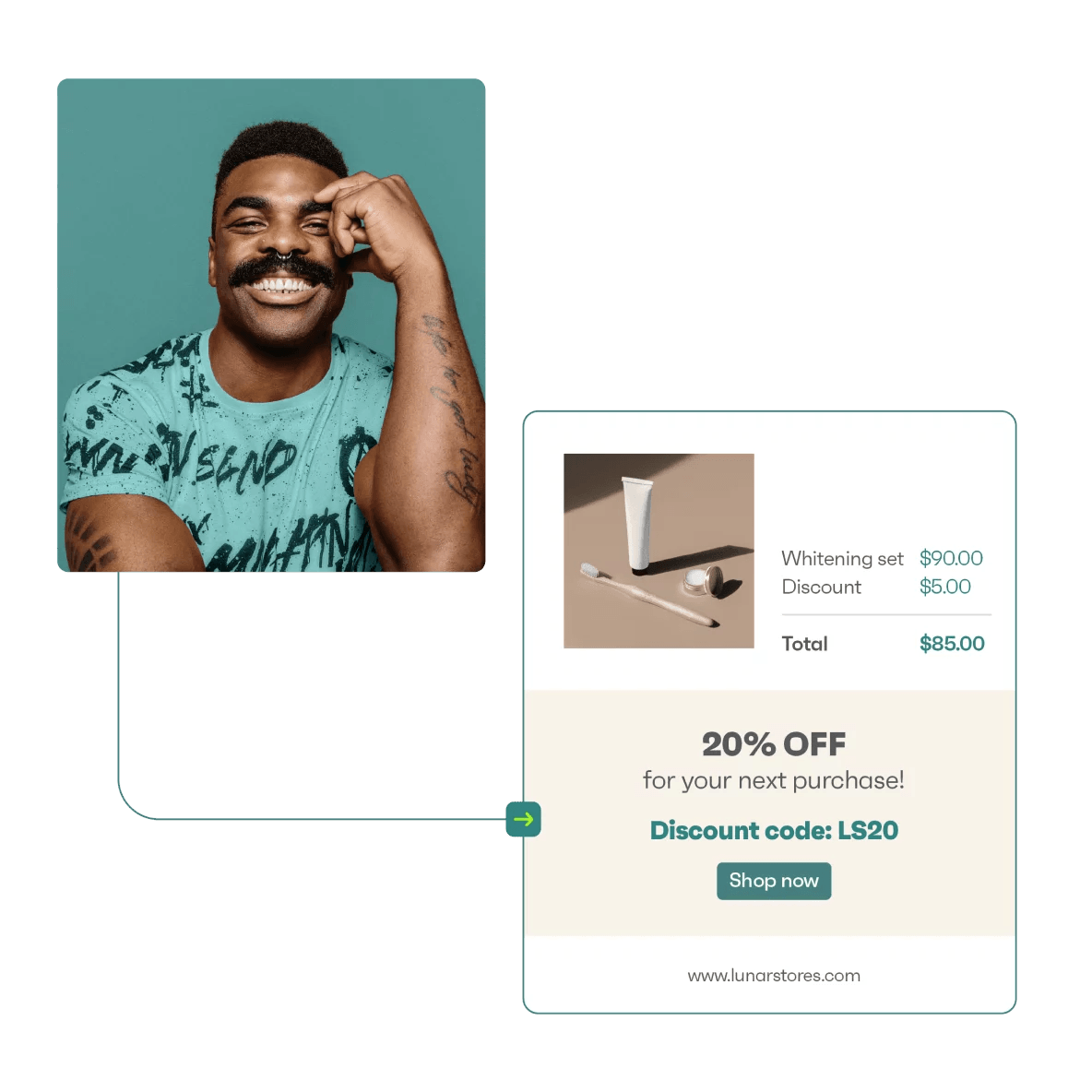
Unlike marketplace sellers, setting up post-purchase automation with Omnisend (like order confirmation, shipping updates, and delivery follow-ups requesting a review) closes the loop and drives repeat business.
Here’s what an order confirmation email built with Omnisend looks like:
Start selling your first pair today
Learning how to sell shoes online successfully comes down to the fundamentals. Selling footwear gets easier when you pick the best place to sell shoes online, follow the best practices, and create strong listings.
Start by picking one or two platforms from this guide that match your inventory. Take quality photos, write honest descriptions, and price competitively. List your first few pairs today and learn as you go.
Once you’ve made your first sale, you need to work on turning those first-time buyers into repeat customers. That’s where the real value lies. And you can do that using email and SMS marketing.
Unlock the power of email automation and elevate your marketing game with Omnisend
Quick sign up | No credit card required
FAQs
What is the best website to sell shoes?
The best place to sell shoes online depends on the type of shoes and the size of your inventory. Some popular stores include: StockX, GOAT, eBay, Amazon, Stadium Goods, Flight Club, Poshmark, Depop, Facebook, Marketplaces, Instagram, ThredUp, The RealReal, Grailed, Etsy, and Shopify.
How do I start selling shoes online?
To begin, review our complete 7-step guide to selling shoes online. At a glance, you should follow these steps:
— Research the market
— Source your shoes
— Select an ecommerce platform and sign up for a seller account
— List your products with competitive prices
— Arrange for shipping or local pickup
How can I sell shoes online and make money?
To maximize your margins, factor in all platform fees before setting your price and source low-cost inventory from wholesalers or clearance sales. Here are some ways to maximize ROI:
— Optimize your product listings
— Price your shoes competitively and consider offering discounts and cross-promotional deals
— Use social media to showcase your shoes and create engaging content
— Use cost-effective shipping options
Is it better to sell shoes on a marketplace or on my own website?
Beginners may prefer a marketplace for its ease of use, while experienced sellers may opt to create a website to have more control over branding and pricing. If you build your own store, pairing it with marketing automation (like Omnisend) lets you own the customer relationship and drive repeat sales through email and SMS.
Can I sell shoes online instantly for fast cash?
Yes, if you want to sell shoes online instantly, use platforms like Facebook Marketplace, eBay, or Amazon for immediate cash. Make sure you optimize your listings for search so people can find them more easily by using specific title names, detailed descriptions, and specific keywords relevant to the product.
What legal considerations should I know when selling shoes online?
To protect your business, familiarize yourself with consumer protection laws to ensure fair customer treatment. Avoid selling counterfeit items or using copyrighted logos without permission. Also, remember to keep meticulous records of all sales and expenses so you are aware of the taxes. Finally, use secure payment gateways and prioritize data security to protect customers’ financial information.
