






Verified & Reviewed
Last updated on December 30, 2025 Written By Meredith Flora

Last updated on December 30, 2025 Written By Meredith Flora

Subscribe for More
Macy’s Marketplace offers ecommerce brands a powerful opportunity to reach millions of shoppers through a trusted retail name. However, success on this platform requires mastering unique fulfillment challenges. You’ll need to meet strict shipping deadlines and packaging standards while maintaining profitability.
Unlike wholesale arrangements, Macy’s Marketplace sellers handle all fulfillment themselves, which includes storing inventory, processing orders, and shipping directly to customers. The consequences of poor shipping performance are serious: decreased visibility, financial penalties, or even platform removal.
For growing brands, effective Macy’s Marketplace shipping goes beyond rule-following. It requires building a scalable fulfillment strategy that consistently exceeds customer expectations. Whether you’re joining the marketplace or optimizing current operations, understanding Macy’s shipping requirements is crucial for turning this channel into a profitable growth engine.
How does Macy’s Marketplace shipping work?
Macy’s Marketplace offers direct-to-consumer brands access to millions of shoppers while keeping you in control of fulfillment. Unlike wholesale arrangements, you’re not selling inventory to Macy’s, but you’re listing products on their website while handling all storage, packing, and shipping yourself.
When customers order your products on Macys.com, those orders route directly to you. You’re responsible for processing, packing, and shipping within Macy’s specified timeframes while meeting their quality standards. You use your own warehouse facilities and shipping materials to deliver packages straight to customers.
Macy’s marketplace exposes your brand to customers you might otherwise never reach, and you gain the credibility of the Macy’s name while maintaining control over pricing and customer relationships.
The tradeoff? You must deliver the premium experience Macy’s customers expect.
Meeting Macy’s shipping requirements consistently is non-negotiable. Poor fulfillment doesn’t just disappoint customers, it damages your seller ratings, reduces your visibility in search results, and can jeopardize your place on the platform. Mastering these shipping standards forms the foundation of a successful Macy’s Marketplace business.
Macy’s Marketplace vs. standard Macy’s shipping
Customers on Macys.com don’t always realize they’re buying from either Macy’s directly or from marketplace sellers like you.
With standard Macy’s orders, the company manages everything: shipping rates, delivery times, and Macy’s branded packaging for a unified experience.
As a marketplace seller, you control your fulfillment completely. You set shipping rates (within guidelines), determine delivery speeds, and manage the entire process. Customers see your orders labeled “Sold & shipped by [Seller Name].” While you don’t need Macy’s branded packaging, your packages must look professional.
This independence from Macy’s marketplace means you handle all shipping communications directly. Though you aren’t required to match Macy’s promotions, customers often expect these perks. Balancing competitive shipping offers with profitability requires careful cost analysis across different order values and destinations.
Where does Macy’s ship from?
Macy’s ships from fulfillment centers across the US (including facilities in West Virginia, Tennessee, and California) and from nearly 500 retail stores, typically delivering within 3-5 days via standard ground shipping.
As a marketplace seller, you ship from your own facilities, whether that’s your warehouse, garage, or fulfillment partner.
This can be challenging for marketplace sellers matching Macy’s delivery speeds from a single location. Long-distance shipments force a choice between fast shipping, which is expensive, and slower, more affordable options.
However, it can be an opportunity for brands using multiple fulfillment centers. Strategic inventory placement can actually beat Macy’s delivery times in certain regions. If the majority of your orders go to California, having West Coast inventory could provide 1-2 day delivery while Macy’s could take 3-5 days.
With strategic fulfillment planning, sellers can distribute inventory across 2-4 locations to optimize delivery speeds without creating excessive complexity.
How to meet Macy’s Marketplace shipping standards
Success on Macy’s Marketplace depends on meeting strict performance metrics that Macy’s enforces rigorously.
Poor shipping performance has real consequences: lower search visibility, financial penalties, or even platform removal. Macy’s verifies your shipping capabilities before approval to ensure you can deliver on promises.
Macy’s prioritizes speed and reliability, so marketplace sellers must process orders within 24 hours and immediately upload tracking information. Their systems track everything from order acknowledgment to delivery times.

Packaging guidelines
Your packaging represents both your brand and Macy’s, so they have set specific requirements for every shipment.
Marketplace sellers must use sturdy, professional packaging materials. Corrugated boxes, poly mailers, and padded envelopes work for most items, but fragile items like glass require different packaging than clothing.
Packaging branding depends on your seller agreement. Some sellers can use branded materials while others must use neutral packaging. When unsure, prioritize protection over promotion.
Use appropriate interior padding based on product type: bubble wrap for fragile items, tissue paper for clothing, and anti-static materials for electronics. Oversized items may need reinforced corners or custom crating.
Macy’s emphasizes sustainability, so brands should use recyclable materials and right-sized boxes when possible.

Labeling requirements
Proper labeling ensures smooth delivery and prevents delays.
Shipping labels must be clearly printed (never handwritten), placed on the largest flat surface, and protected from moisture. Include scannable carrier barcodes, complete return addresses, and any special handling instructions.
Macy’s requires order numbers to be visible on both shipping labels and packing slips. Product labels help with inventory management and returns processing.
Avoid common mistakes such as placing labels on seams where they can tear, using low-quality printers that produce fuzzy barcodes, creating glare by taping over barcodes, and forgetting marketplace-specific identifiers.
Documentation and operational standards
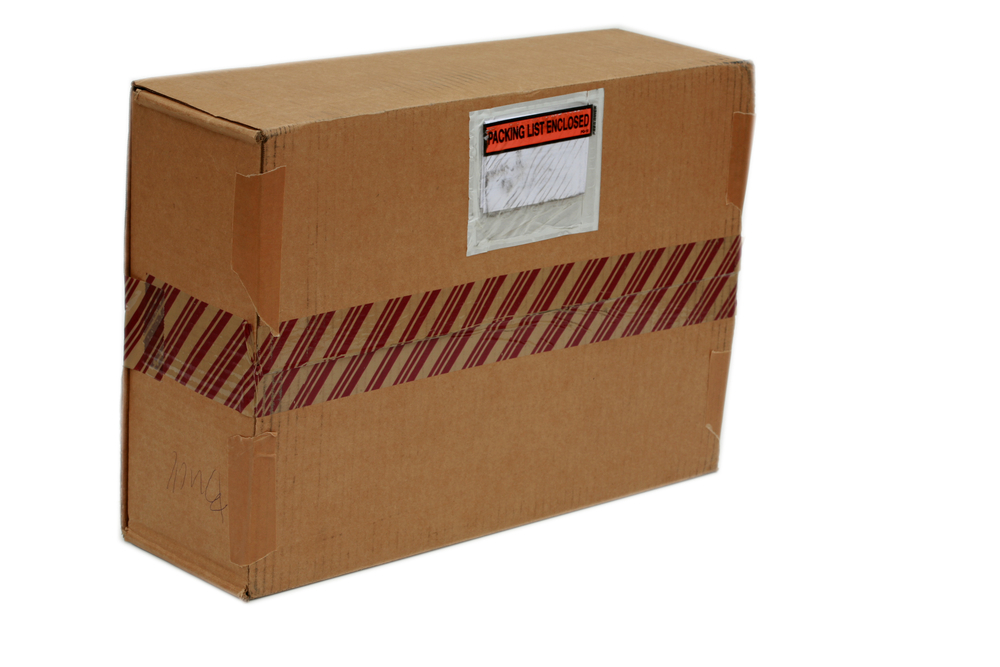
Include proper documentation with every shipment, starting with packing slips that list order contents, prices, and order numbers.
For international orders, accurate customs forms are essential, as commercial invoices and detailed product descriptions prevent border delays. Even minor errors can cause packages to be returned.
Maintain records of on-time shipments, tracking numbers, and customer communications for performance reviews or dispute resolution.
Calculate shipping deadlines precisely. If you promise 3-day delivery and process orders within 24 hours, your carrier must deliver within 2 days. During peak seasons, adjust handling times or shipping methods to maintain commitments.
Batch processing can improve efficiency if it aligns with Macy’s timing requirements. For expedited shipping, you may need continuous fulfillment throughout the day.
Communication protocols and order tracking
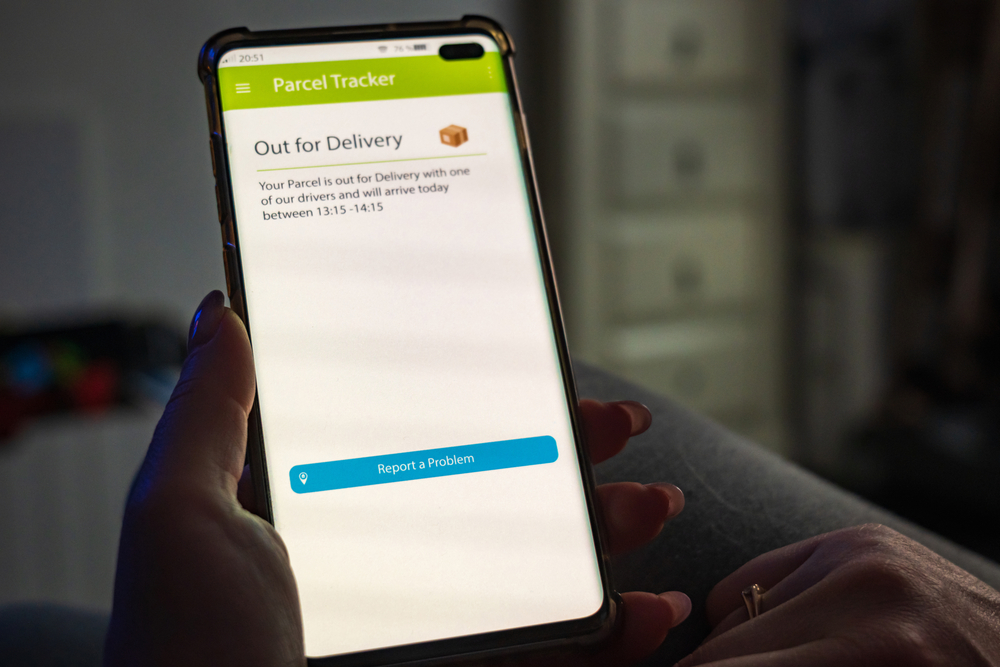
Provide real-time order status updates at every stage, received, acknowledged, shipped, and delivered, to keep customers informed. Shipping confirmations must include tracking numbers and estimated delivery dates.
Valid tracking numbers are mandatory for every shipment. Upload this information to Macy’s portal immediately after shipping to maintain performance scores.
For shipping delays, communicate proactively. Alert customers before they notice problems, provide updated delivery estimates, and offer solutions when possible. Macy’s favors sellers who handle issues professionally.
Build systematic processes that ensure consistency across all orders. Whether shipping 10 or 1,000 packages, maintain the same standards for packaging, labeling, documentation, and communication. While many marketplace sellers struggle with operational complexity, those who master these requirements turn Macy’s Marketplace into a profitable sales channel.
Mastering Macy’s Marketplace fulfillment compliance
Meeting Macy’s fulfillment standards isn’t just about avoiding penalties; it directly impacts your visibility and sales on the platform. Macy’s algorithms reward reliable sellers with better search placement, featured opportunities, and access to promotional events that drive revenue.
Inventory accuracy requirements
Macy’s requires near-perfect inventory accuracy with updates every 15 minutes or in real-time. Overselling damages your ratings and can trigger listing suspensions if it happens repeatedly.
Effective inventory management means:
- Implementing systems that prevent overselling across all your sales channels
- Tracking stock levels, returns, and in-transit inventory systematically
- Responding immediately to discrepancies by updating listings and notifying customers
- Using forecasting to maintain optimal stock while minimizing carrying costs
- Building buffer stock for bestsellers and setting automated reorder points
Order processing timelines
You must acknowledge orders within 24 hours and ship within your promised timeframe (typically 1-2 business days). These are contractual requirements that affect your seller score.
For some brands, continuous processing can beat batch processing for meeting Macy’s deadlines. While batching can be efficient, it can create bottlenecks during busy periods. Continuous fulfillment, or processing orders as they arrive, provides flexibility and meets customer expectations for fast shipping.
Maintaining consistent processing times during peak seasons (like Black Friday) gives you a competitive edge in both customer satisfaction and platform visibility.
Quality control procedures
Customers expect the same quality whether buying from Macy’s or marketplace sellers. Every order must arrive perfect, with correct items and proper packaging.
Implement these quality checkpoints:
- Inspect incoming inventory for damage
- Verify correct items during picking
- Double-check order accuracy during packing
- Conduct final inspection of packaging and labels
- Document high-value items with photos
Analyze returns data to improve your processes. If customers frequently report damaged items, upgrade your packaging. View quality control as an investment that reduces returns, maintains your ratings, and builds customer loyalty.
How to handle returns and refunds on Macy’s Marketplace
Macy’s Marketplace returns differ from standard Macy’s returns. Since you fulfilled the order, you handle the return. Marketplace items typically can’t be returned to Macy’s stores.
Make your return process customer-friendly:
- Communicate clearly that items must be shipped back, not returned in-store
- Include return instructions with each shipment
- Process refunds within 2 business days of receiving returned items
- Consider providing prepaid return labels to reduce friction
- Respond immediately to reports of damaged or incorrect items
Document return reasons to identify patterns and improve operations. If customers consistently cite inaccurate descriptions, update your listings. If items arrive damaged, reassess your packaging.
Returns directly impact your seller metrics. By treating them as opportunities to demonstrate excellent service, you’ll maintain the performance standards that keep you visible on the platform.
6 ways a fulfillment partner helps you exceed Macy’s Marketplace requirements
The complexity of meeting Macy’s Marketplace’s strict standards often makes partnering with a fulfillment provider the smarter choice. A specialized fulfillment platform like ShipBob turns fulfillment challenges into competitive advantages through expertise and technology.
The right partner helps you exceed Macy’s requirements to boost visibility, improve margins, and focus on growing your brand. Here’s how:
1. Multi-channel inventory management
A sophisticated fulfillment provider synchronizes inventory across all your sales channels in real-time, preventing the overselling that damages your Macy’s reputation.
Advanced 3PLs intelligently allocate inventory based on each channel’s needs (i.e., reserving more for Macy’s during promotions) while maintaining adequate stock elsewhere.
This technology eliminates error-prone manual processes. Orders automatically flow into the fulfillment system, triggering immediate processing while updating inventory everywhere. Automated alerts prevent stockouts, while predictive analytics forecast reorder timing based on sales patterns, keeping you in stock without tying up capital.
2. Faster deliveries with strategic warehouse locations
Speed matters on Macy’s Marketplace, but nationwide 2-day delivery from a single warehouse requires costly air shipping.
Fulfillment providers solve this by distributing your inventory across strategic locations, enabling faster delivery via ground shipping. This reduces shipping zones from 5-6 down to 1-3, cutting both transit times and costs.
The difference is significant. For example, ground shipping from California to New York can take 5 or more days, but shipping from Pennsylvania can take just 1-2 days. The savings typically outweigh any added complexity.
Fulfillment providers like ShipBob can help you place inventory appropriately based on your order patterns. For example, if 40% of orders ship to the Northeast, maintaining inventory there ensures fast delivery without premium shipping costs and boosts your search rankings and conversion rates.
3. Lower shipping costs through optimization
Fulfillment providers can help you reduce shipping costs through:
- Volume discounts: Many fulfillment platforms can access carrier rates lower than published rates because of their shipping volume.
- Smart routing: Automated systems select the most cost-effective carrier and service level while meeting delivery promises. They optimize packaging to prevent dimensional weight charges and use zone skipping for long-distance savings.
- Carrier flexibility: Rather than relying on one carrier, fulfillment providers route through USPS, UPS, FedEx, or regional carriers based on what works best for each package, especially valuable during peak seasons.
These savings often enable competitive free shipping while protecting your margins.
4. Streamlined compliance and labeling
Perfect compliance with Macy’s requirements demands systematic processes. Even one mislabeled package can trigger performance warnings.
Expert fulfillment providers like ShipBob build Macy’s standards into their standard procedures. Every package follows the same validated process for labeling, documentation, and packaging. This consistency eliminates the variability that leads to compliance issues.
Automation reduces human error through barcode scanning and integrated label printing. When Macy’s updates requirements, fulfillment providers implement changes without disrupting your business.
Regular quality checks and compliance reporting provide additional protection, documenting your adherence to Macy’s standards.
5. Hassle-free returns management
Returns often bottleneck marketplace operations. 3PLs transform this challenge into a streamlined process that maintains your performance metrics.
Dedicated returns processing ensures returned items receive proper attention. Trained staff quickly assess products to determine if they can be restocked, need refurbishment, or should be disposed of.
Many fulfillment partners excel at meeting Macy’s quick refund requirements through automated receiving and integrated systems that initiate refunds based on your rules.
The process generates valuable data on return reasons and product conditions, helping identify quality issues or listing inaccuracies. Many 3PLs also offer value-added services like repackaging or quality checks before returning items to inventory.
6. Data-driven insights for continuous improvement
Fulfillment partners can transform data into actionable insights that drive ongoing optimization.
Real-time dashboards show your performance against Macy’s requirements. Order processing times, shipping performance, and return metrics appear in clear visualizations that highlight improvement opportunities.
Predictive analytics help you prepare for demand spikes and peak seasons, which prevent stockouts that damage marketplace performance.
Cost analytics reveal savings opportunities through detailed breakdowns of shipping expenses and packaging efficiency. These savings can fund faster shipping options or more competitive pricing.
The best partners benchmark your performance against industry standards, helping you set realistic improvement goals and adopt proven best practices.
How ShipBob optimizes Macy’s Marketplace shipping
ShipBob specializes in meeting major retail platforms’ requirements. With experience integrating with Amazon, Walmart, Temu, SHEIN, and other top marketplaces, we understand how to maintain compliance while scaling across channels.
Our Macy’s Marketplace integration helps brands succeed on this platform by combining our technology with our fulfillment network to transform complex Macy’s fulfillment into a streamlined growth operation.
Seamless Macy’s Marketplace integration
Our native Macy’s integration eliminates manual processes, so orders flow automatically from Macy’s into our system for processing without your intervention.
Inventory syncs every 30 minutes to ensure accurate Macy’s listings. New inventory updates automatically, and tracking information flows instantly to Macy’s, maintaining strong metrics and keeping customers informed.
The integration handles Macy’s requirements automatically and translates order details and shipping preferences into our fulfillment process to free your team from manual tasks.
For multi-channel brands, ShipBob processes Macy’s orders alongside your website and other marketplace orders from a single inventory pool, preventing overselling while maximizing efficiency.
2-day shipping capabilities in the US
Our distributed fulfillment network spans the contiguous US, enabling affordable 2-day ground shipping nationwide. Your Macy’s customers get orders quickly without the premium costs of expedited air shipping.
ShipBob’s Inventory Placement Program (IPP) distributes your inventory across multiple fulfillment centers, routing orders to the facility closest to each customer automatically. For example, orders from customers in Los Angeles ship from California, and orders from customers in New York ship from the East Coast.
This approach especially shines during promotions and peak seasons. While single-warehouse operations struggle with capacity, ShipBob maintains consistent 2-day delivery even during high-volume periods, keeping your performance metrics strong.
You’ll save money while meeting fast delivery expectations, allowing you to offer competitive free shipping thresholds that match or beat Macy’s own offers, driving conversions while protecting margins.
Centralized inventory management across sales channels
Our platform provides real-time visibility into inventory across all channels and locations from a single dashboard. During Macy’s promotions, you can allocate more inventory to the marketplace while maintaining reserves for direct channels.
Our system handles these allocations automatically based on your rules, ensuring appropriate inventory for each channel without manual spreadsheet management.
Advanced analytics optimize inventory by analyzing sales velocity, seasonality, and stock levels to recommend reorder points, preventing both stockouts that hurt your Macy’s performance and excess inventory that ties up capital.
Our forecasting helps manage seasonal demand swings by positioning the right inventory in the right locations, helping you capture sales opportunities while minimizing storage costs during slower periods.
International fulfillment expertise
While Macy’s focuses on US customers, ShipBob’s global network enables international expansion. With facilities in Canada, the UK, Europe, and Australia, we help you serve customers worldwide while maintaining Macy’s required operational excellence.
Our cross-border solutions simplify international shipping. Our Delivered Duty Paid (DDP) option shows customers fully landed costs at checkout, eliminating surprise customs charges. All customs documentation is generated automatically, ensuring compliance.
This global infrastructure provides a proven growth path for international expansion, with the same inventory management and analytics capabilities extending seamlessly to international markets.
International returns are handled efficiently, with our global facilities processing returns locally to reduce shipping costs and processing times.
Technology-driven fulfillment optimization
Our proprietary technology optimizes every fulfillment step while maintaining Macy’s required accuracy and speed. Intelligent order routing automatically selects the best fulfillment location based on inventory, destination, and delivery requirements, minimizing costs and transit times.
Our dashboard provides complete visibility with real-time metrics on order status, inventory levels, and shipping performance across all channels. Detailed analytics help improve your Macy’s Marketplace performance through data-driven decisions.
Our system connects beyond sales channels to your entire tech stack, linking with inventory planning tools, accounting systems, and marketing platforms for seamless data flow.
As your Macy’s business grows, ShipBob scales effortlessly. Whether processing 1,000 orders or 100,000, our consistent workflows maintain performance, giving you confidence to pursue growth with fulfillment infrastructure that can handle your success.
Get started with ShipBob
To start shipping with ShipBob, connect with our team.
FAQs about Macy’s Marketplace shipping
Here are answers to common questions about shipping and fulfillment for Macy’s Marketplace sellers.
Can Macy’s Marketplace items be returned in-store?

Unlike items sold directly by Macy’s, marketplace items typically cannot be returned to physical Macy’s stores. Customers must ship marketplace items back to the individual seller according to that seller’s return policy and instructions.
As a marketplace seller, you must provide clear return instructions with each order, including return shipping labels or instructions for obtaining one. You’re responsible for processing returns and issuing refunds within Macy’s required timeframe, typically 5-7 business days after receiving the returned item.
How do I meet fast shipping obligations on Macy’s Marketplace?
Meeting Macy’s shipping speed requirements starts with processing orders within 24 hours of receipt, which requires readily available inventory, efficient picking processes, and scheduled daily carrier pickups.
For consistent fast shipping, distribute inventory across multiple fulfillment locations closer to customers, enabling 2-day delivery via ground shipping to most destinations. Integrate your inventory management system with Macy’s to maintain real-time stock levels and prevent accepting orders you can’t fulfill quickly.
What shipping carriers work best for Macy’s Marketplace orders?
UPS, FedEx, and USPS all work well for Macy’s Marketplace fulfillment. UPS and FedEx offer reliable service for time-sensitive shipments with excellent tracking visibility, while USPS provides cost-effective options for lighter items and competitive residential delivery rates.
For heavier items, consider regional carriers or LTL services for better rates on bulky shipments. Many successful sellers implement a multi-carrier strategy, selecting the optimal carrier based on destination, package size, and delivery speed requirements while ensuring all carriers provide tracking numbers that integrate with Macy’s system.
How does ShipBob help sellers meet Macy’s Marketplace shipping requirements?
ShipBob’s upcoming native Macy’s Marketplace integration enables orders to flow automatically to our fulfillment centers, where they’re processed according to Macy’s standards without manual intervention. Our distributed network enables 2-day ground shipping throughout the continental US, helping you exceed Macy’s delivery expectations.
We manage inventory levels across all sales channels in real-time to prevent overselling while handling all compliance details, from packaging and labeling to documentation and tracking updates. Our platform provides performance analytics to monitor and improve your Macy’s Marketplace seller metrics.
What are the most common shipping challenges for Macy’s Marketplace sellers?
The biggest challenges include maintaining consistent shipping speeds while managing costs (especially when fulfilling from a single location) and synchronizing inventory across multiple sales channels to prevent overselling that damages seller performance. Peak season volume spikes compound these issues as many sellers struggle to scale operations quickly enough.
Technology integration and compliance management overwhelm many sellers handling fulfillment in-house. Keeping up with labeling requirements, documentation standards, and performance reporting while managing daily operations is why successful Macy’s sellers often partner with fulfillment providers that have the infrastructure and expertise to handle these complexities at scale.
