





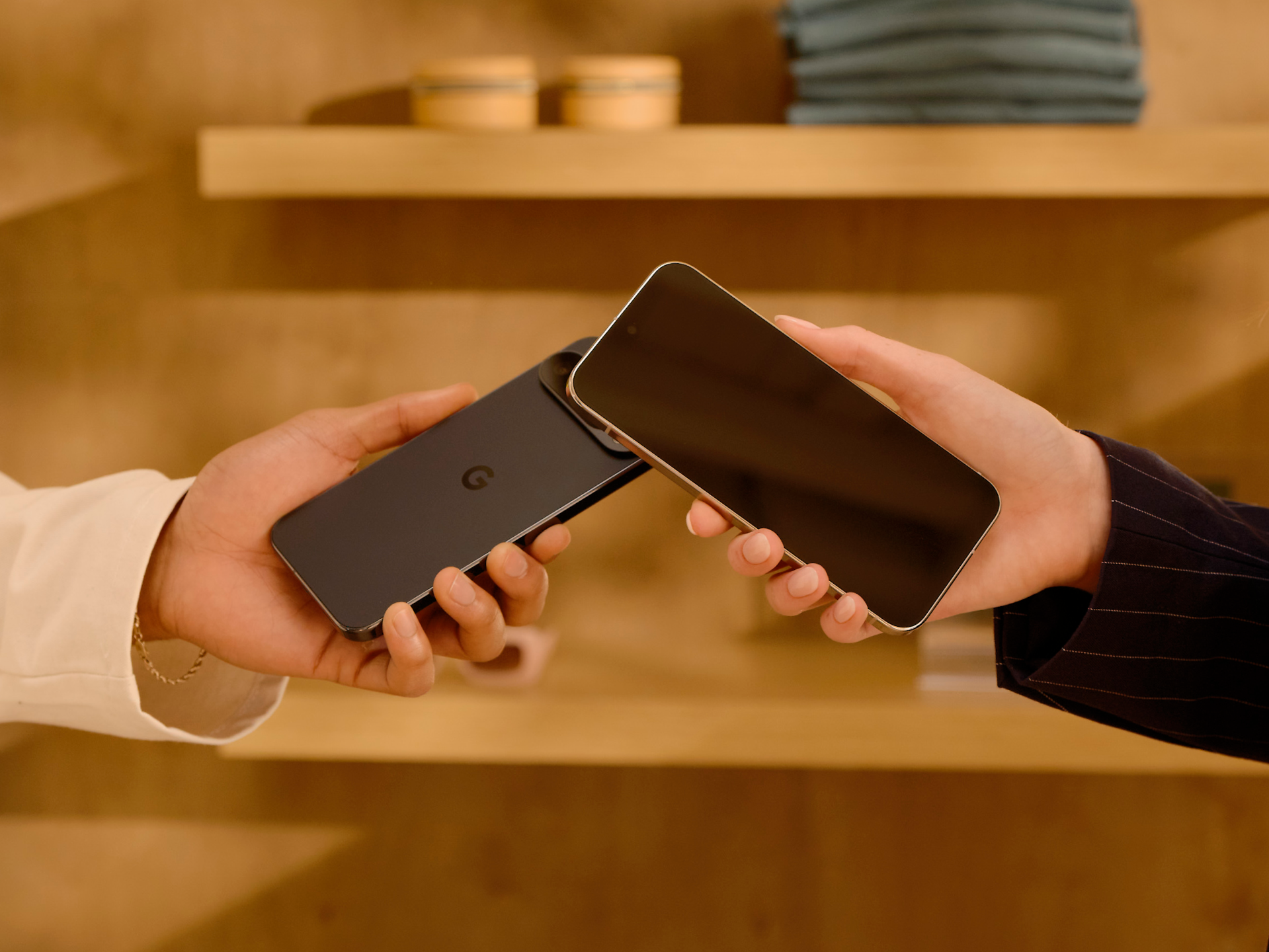
For stores with a single retail location, the most straightforward setup is managing devices directly. You can update it yourself, check on it throughout the day, and troubleshoot issues in person. But as your business grows across multiple locations, that approach starts to break down. Devices update at different times, security settings drift from store to store, and when something goes wrong at a location you can’t visit, you might not know about it until it’s already affecting sales.
Mobile device management (MDM) is the solution most multi-location retailers use to bring all of this under control. MDM software connects to your iPads or Android tablets and gives you a single dashboard to manage your entire fleet of POS devices, no matter where they’re located.
In this guide, we’ll explain what MDM does, how it works alongside Shopify POS, and how to decide whether it makes sense for your business.
What is mobile device management?
MDM is third-party software that gives you remote control over your mobile devices. It isn’t built into Shopify POS. Instead, it’s a separate platform from companies like Jamf, Microsoft (Intune), Iru, or Ivanti that you connect to your devices.
Think of MDM as a remote control for your entire device fleet. Once a device is enrolled, you can install apps, push settings, check its status, and manage updates, all without being in the same building. Whether you’re running five locations or five hundred, every device shows up in one place.
How Shopify POS updates work
New versions of Shopify POS typically ship every two weeks. Each release includes bug fixes, security patches, and often new features. You can see what’s in each version in the Retail Release Roundup.
With MDM platforms that support Apple’s declarative app management on iOS (currently Jamf and Iru, formerly Kandji), your MDM’s app configuration can also specify a target version for new devices during enrollment. This means a new iPad joining your fleet should receive the same tested version your other devices are running, rather than automatically getting the latest release from the App Store.
At roughly 26 releases per year, that adds up. Frequent releases mean you get bug fixes, security patches, and new features faster, but each update is also an opportunity for something in your specific environment (your hardware, your extensions, your workflows) to behave differently. Most updates are seamless, but the ones that aren’t can affect every register in your fleet at once if you don’t have a way to manage the rollout.
That’s the core reason multi-location retailers adopt MDM: not just for security or WiFi provisioning, but to control when new versions of POS reach their stores.
What you can do with MDM and Shopify POS
Push apps and settings to new devices
Opening a new location? With MDM, you can configure devices at your office and ship them ready to go. WiFi credentials, the Shopify POS app, security settings, and kiosk mode can all be pre-loaded before the device reaches the store. When staff unbox it, the device is already set up and ready for its first sale.
If your devices already have Shopify POS installed from the App Store, you don’t need to reinstall it. On supervised iOS devices, your MDM can take over management of the existing app without any user interaction, with no downtime, no data loss, and no re-login required.
MDM can also push WiFi credentials to every device automatically. Set up your WiFi profile once, and every device in your fleet connects without anyone needing to enter passwords manually.
Manage how POS updates reach your stores
Without MDM, updates either happen automatically when the App Store or Google Play pushes them, or they don’t happen at all until someone manually updates each device. With MDM, you can test a new version on a few devices first and then update the rest of your fleet once you’re confident everything works with your hardware, extensions, and workflows.
How much control you have over the timing depends on your device platform. Android gives you more granular options through Managed Google Play, including the ability to delay individual app updates for up to 90 days. On iOS (17.2 and later), Apple’s declarative app management gives you precise control: you can lock devices to a specific app version (version pinning), block auto-update prompts entirely, and manage rollouts per device group. When a version is pinned, the device ignores all automatic update checks until you change the configuration. Both device-based and user-based licensing through Apple Business Manager support version pinning. Jamf and Iru support these capabilities today. Check with your MDM vendor to confirm app version pinning support if you use a different platform.
See the status of every device
MDM gives you a bird’s-eye view of your entire fleet from one dashboard. You can see each device’s battery level, available storage, operating system version, the version of Shopify POS it’s running, and when it last checked in.
If a device at a remote location is having problems, your team can check its status and trigger a sync or restart without sending someone to the store. That kind of visibility makes it much easier to spot issues early and keep every location running smoothly.
Keep your devices secure
If a device is ever lost or stolen, MDM lets you remotely erase all data on it to protect customer information. Beyond that, MDM gives you tools to maintain consistent security across your fleet:
- Require device passcodes with rules around length, complexity, and expiration
- Lock devices to run only Shopify POS (kiosk mode), so staff can’t install personal apps or browse the web
- Block unauthorized apps from being installed on managed devices
- Monitor which devices meet your security requirements and which ones need attention
NOTE: If your MDM enforces a device auto-lock policy (passcode required after a set period of inactivity) and you have a large product catalog (5,000+ products), the auto-lock can interrupt the initial product catalog sync that runs when a device is first set up. Shopify POS keeps the screen active during sync, but MDM auto-lock policies operate at the system level and take precedence. If this applies to you, consider setting a longer auto-lock timeout during initial device provisioning.

What MDM can’t do yet
MDM can install and update apps, but it can’t configure what happens inside them. Some parts of the Shopify POS setup still need to happen manually:
- Staff must log in to POS on each device. MDM can install the app, but someone needs to open it, enter the store URL, and sign in.
- Staff must select their store location. After logging in, they choose which location the device belongs to.
- Peripherals connect manually. Card readers, receipt printers, and barcode scanners require hands-on pairing on each device. If you use the Shopify POS Hub, peripherals connect over a single USB cable, with simpler setup and automatic reconnection.
These are current Shopify POS limitations, not MDM limitations. For now, the manual steps above are still required.
Do you need MDM?
Not every retail business needs MDM. Here’s a simple way to think about it.
MDM makes sense when:
- You have devices in locations you can’t visit in person
- You want to test POS updates on a few devices before rolling them out everywhere
- You need consistent security settings across all your devices
- You want to see device health without being on-site
You can probably skip MDM if:
- You can physically access all your devices regularly
- You have time to update and manage each device individually
Apple Configurator is free but requires physical access to devices over USB. Apple Business Essentials is Apple’s own remote MDM subscription available in the U.S. Third-party tools like Jamf, Intune, Iru, and Ivanti are paid subscriptions that typically take two to four weeks of IT effort to set up.
Keeping your POS app current
MDM gives you the ability to manage when updates reach your devices, but that’s a window for testing, not a reason to stay on old versions indefinitely.
IMPORTANT: Shopify POS doesn’t support rolling back to a previous version. Apple’s App Store and Google Play don’t allow app downgrades, even with MDM. Phased testing is the safety net: verify each version on a small group before updating your full fleet.
Running outdated versions comes with real risks. The API versioning policy supports stable versions for a limited time, so third-party extensions may stop working if your app falls too far behind. Older versions also miss out on security patches, and you’ll start seeing in-app prompts to update if your version gets too old. The best approach is to test and deploy each new release as it ships. Follow the Retail Release Roundup to know when new versions are available, and aim to have your fleet tested and updated within one to two weeks of each release.
Apple is transitioning device management to a newer framework called declarative device management (DDM). Legacy MDM update commands are being deprecated in iOS 26 (expected September 2026) and will be fully removed in 2027. If your MDM currently manages POS updates using older methods, work with your vendor to migrate to DDM-based update management. Jamf and Iru already support DDM for app management. Check with your MDM vendor to confirm their current DDM capabilities if you use a different platform.
Quick-start checklist
Ready to get started with MDM? Here’s what you’ll need.
For iOS devices (iPads):
- Apple Business Manager account (free, requires a D-U-N-S number)
- Shopify POS added through Apple Business Manager’s Apps and Books
- MDM subscription (Jamf, Iru, Intune, or Ivanti) or Apple Configurator for USB-based management
For Android devices:
- Managed Google Play connected to your MDM
- Shopify POS added as a Managed Google Play app
For both:
- IT admin or technical staff for setup and ongoing management
- Two to four weeks for initial configuration
- A test device group (one to three devices) for validating new releases
For a detailed vendor comparison and setup guidance, visit the MDM overview in the Shopify Help Center.
MDM and Shopify POS FAQ
Which MDM should I use with Shopify POS?
All four major vendors — Jamf, Iru (formerly Kandji), Microsoft Intune, and Ivanti — support both iOS and Android devices. Jamf and Iru also support Apple’s declarative app management for precise iOS app version pinning. If you already have a Microsoft 365 E3+ subscription, Intune is included at no extra cost.
Does Shopify recommend a specific MDM vendor?
There’s no officially recommended vendor. Any MDM that supports Apple Business Manager (for iOS) or Managed Google Play (for Android) can work with Shopify POS.
Is Apple Configurator an MDM?
Not exactly. Apple Configurator is a free tool from Apple that manages iOS devices over USB. It can install apps, apply settings, and configure security profiles, but it requires physical access to each device. For remote management across multiple locations, you’ll need a full MDM platform.
Can MDM automatically log in to Shopify POS?
Not today. MDM can install the POS app, but staff must open it and log in manually on each device, including entering the store URL and selecting the store location.
Do I need MDM for a single store?
Probably not. MDM is most valuable when you have devices across multiple locations that you can’t visit in person. For a single location, managing devices by hand is usually straightforward.
What should I check before removing Shopify POS from a device?
Before removing Shopify POS from any device, verify that all data has synced. In the POS app, tap the menu and go to Data synchronization. Verify all categories show a recent sync time, and tap Refresh all to trigger a manual sync.
Then check your Shopify admin to verify recent orders, inventory changes, and customer records are up to date. If the device was recently offline, make sure all offline transactions have synced before uninstalling. Unsynced transactions are stored locally and will be lost if the app is removed.
How do I control when new versions of Shopify POS reach my stores?
With MDM, you can test new POS versions on a few devices before updating your full fleet. On Android, Managed Google Play lets you delay app updates for up to 90 days per device group. On iOS 17.2 and later, declarative app management lets you pin devices to a specific version through your MDM using Apple’s declarative app management.
Whichever platform you use, the approach is the same: set your test devices to receive updates first, verify your hardware and workflows, then roll out to everyone else.
Next steps
- Follow the Retail Release Roundup to stay current on what’s new in each Shopify POS release
- Review Shopify POS hardware for supported devices and peripherals
