

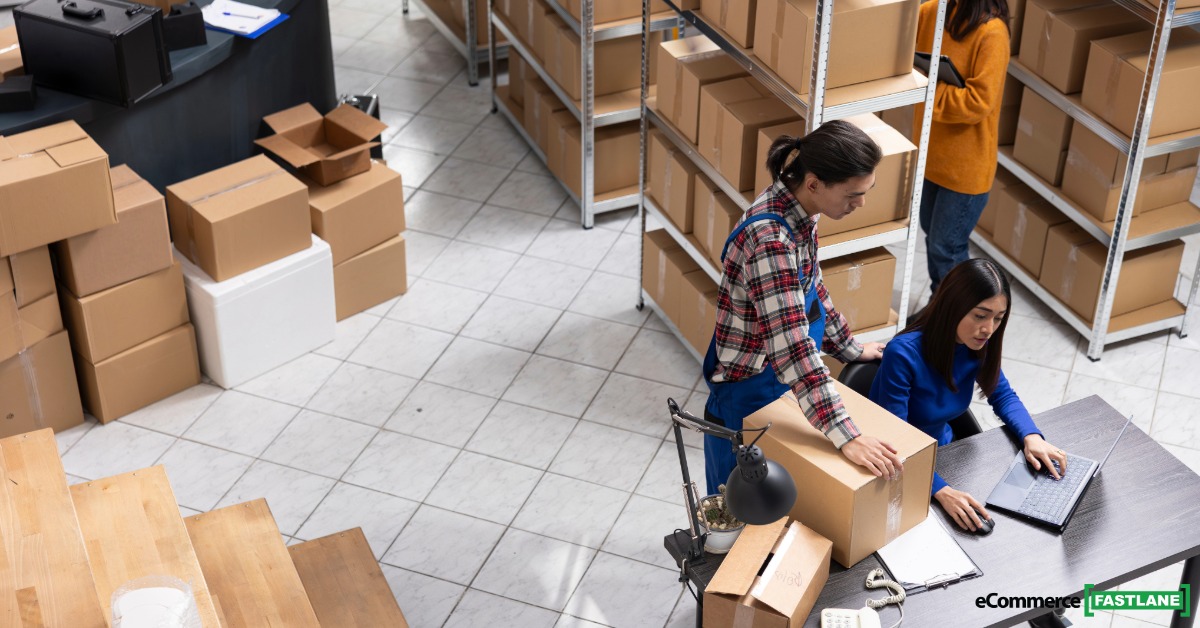
Peak seasons like Black Friday and the holidays can make or break your eCommerce business.
The rush of orders, tight deadlines, and the pressure to keep everything running smoothly can quickly overwhelm even the most prepared teams.
That’s where mobile kitchens and temporary cold storage come in. They’re not just for events anymore.
Smart eCommerce operators are using them to crush fulfillment challenges when it matters most. The question is, do you want to be one of the smart ones?
Peak season isn’t just busier. It’s a completely different challenge.
Order volume can triple overnight. Your infrastructure that handled 500 daily orders now needs to process 1,500. Customers still expect same-day or next-day delivery, even during your busiest days.
The pressure comes from multiple directions. During peak times, eCommerce businesses often face several hurdles that can affect fulfillment:
These factors all contribute to the challenge of fulfilling orders quickly and efficiently. Smart operators use Response Logistics’ turnkey solutions to manage these pressures without adding permanent overhead.
Mobile kitchens are ready-to-go, fully equipped spaces for high-demand periods. They let you keep operations smooth without building new infrastructure.
With mobile kitchens on-site, you maintain production schedules regardless of how intense the demand gets.
Temperature control isn’t negotiable. Your products need proper storage, or they’re worthless. Dealing with perishables? Mobile cold storage simplifies your busiest peak seasons. Here’s why:
With mobile refrigeration units, you can store large quantities of products while maintaining quality and safety, even at peak inventory levels.
Integrating mobile kitchens and cold storage into your logistics processes can boost efficiency. Here’s how to make the most of these solutions:
When you get this right, mobile infrastructure will shift from being an emergency backup to a core part of your competitive strategy.
You don’t always have to remember peak season as the most chaotic time of the year. Grab mobile kitchens and cold storage to boost capacity during spikes, without the need for permanent spots that sit empty most of the year. Early planning and smart integration keep operations smooth when things get busy.
The businesses that win peak season aren’t the biggest—they’re the most adaptable. While competitors struggle with fixed infrastructure, you’re scaling up and down as needed. Use turnkey solutions to minimize risks, streamline operations, and keep customers satisfied when it matters most. Start planning now.
Mobile kitchens and cold storage allow businesses to handle massive spikes in orders without the cost of a permanent building. These units provide extra room for packing, prepping, and storing goods exactly where you need them most. Using these tools helps you keep customers happy by ensuring fast shipping even during the busiest weeks of the year.
Standard warehouses often run out of temperature-controlled space when inventory levels triple overnight. Temporary refrigeration units prevent specialized products from spoiling while they wait for shipping or processing. This setup protects your investment and ensures that every customer receives a high-quality, safe product.
These units act as dedicated workstations that keep high-demand tasks separate from your normal daily operations. By moving meal prep or product packaging into a mobile site, you eliminate bottlenecks in your main facility. This separation allows your team to focus on specific tasks, which speeds up the entire process from order to delivery.
Yes, many smart operators use mobile kitchens as flexible, climate-controlled spaces for high-value goods that require a clean environment. These units are perfect for fragile items or electronics that need protection from dust and extreme heat while being sorted. They offer a sanitary and organized space for any product that needs more care than a typical warehouse provides.
While there is a rental cost, it is much cheaper than leasing a second permanent warehouse or losing sales because you cannot ship orders. You only pay for the equipment when you actually need it, which keeps your overhead low during slower months. This strategy allows you to scale your business up or down based on real-time customer demand.
Many people believe that mobile units are difficult to set up or won’t meet professional standards. In reality, these are turnkey solutions that arrive fully equipped and ready to connect to your existing power and water. They meet the same health and safety codes as permanent buildings, making them a professional choice for serious businesses.
You should begin scouting and booking your mobile units at least three to four months before your expected sales spike. High demand for these units usually mirrors the shopping season, so waiting too long could mean your competitors grab the available equipment first. Early planning also gives you time to organize your staff and test your new workflow before the rush begins.
Most units require a standard electrical connection or a portable generator to keep the equipment running smoothly. Some kitchen setups may also need a freshwater source and a way to handle wastewater if you are doing food prep. It is best to consult with your provider early to ensure your site is ready for the technical needs of the equipment.
If a shipment arrives late or a main facility has an issue, mobile units provide an instant backup plan to keep work moving. You can use them as overflow space to hold extra inventory or as a temporary hub if your primary site is under repair. Having this “safety valve” keeps your business running even when things don’t go according to plan.
Yes, because the most important thing to a customer is receiving their order on time and in perfect condition. When you use professional tools to manage your peak volume, you avoid the shipping delays and quality issues that frustrate buyers. Consistent performance during the holidays builds trust and keeps customers coming back to your store all year long.





