





Nike Target Audience: How to Drive Influencer ROI (2026)
20th
January, 2026
Imagine partnering with a famous influencer for your new product, only to see lukewarm sales. What went wrong? In many cases, the issue isn’t the influencer’s popularity – it’s the audience. The brands that win (think Nike) know success comes from aligning with the right followers, not just the most followers. Nike’s approach to influencer marketing proves that when you target the correct audience, you maximize engagement and conversions.
In this guide, we’ll break down how Nike defines and reaches its ideal influencer audience and what e-commerce brands and Amazon sellers can learn from it. You’ll discover how to pinpoint your own target audience, leverage micro-influencers and content creators for authentic reach, avoid common pitfalls, and use audience-focused tactics (including UGC – user-generated content) to drive real ROI. Let’s dive in and learn how to get your message in front of the people who actually matter for your brand.
Audience First – Not Follower Count – Drives Results
It’s tempting to judge influencers by sheer follower count. However, a million followers mean little if those people aren’t your target customers. The key question isn’t “Which influencer is most famous?” but “Which audience do I need to reach?” A fitness gear brand, for example, will see far better results partnering with a running coach who has 20,000 runner followers than a general fitness celebrity with 2 million random fans.
Why? Because relevance trumps size. Micro-influencers often have smaller followings but much higher engagement rates in their niche. In fact, one study found micro-influencers on Instagram average about a 6% engagement rate, versus under 2% for mega-influencers. Their audiences pay closer attention and trust their recommendations. For a brand, that means a shout-out from a micro-influencer can drive more meaningful actions (clicks, sign-ups, purchases) than a broad mention by someone with an unrelated crowd.
Bottom line: an influencer’s value lies in who they influence. Always start by defining the audience you want to reach (e.g. college sneakerheads in the U.S., or health-conscious moms on the West Coast). This audience-first mindset will guide you to creators – big or small – whose followers match your customer profile. When the creator’s followers align with your buyer persona, even a modest campaign can outperform a flashy big-name partnership in ROI.
Defining an Influencer’s Audience: 3 Key Layers
To ensure an influencer is a good fit, look beyond vanity metrics and dig into their audience characteristics. Focus on three layers of audience insight:
-
- Demographics: What basics describe the followers? Consider age range, gender, location, and language. For instance, if you sell skincare for women 35+, an influencer whose following is mostly teen girls or men will be a poor fit. Nail down the core demographics of your ideal buyers and seek influencers with similar follower profiles. These details help you avoid spending budget reaching people who would never buy from you.
- Interests & Psychographics: Who are these followers on a personal level? What are their hobbies, values, or pain points? Aligning on interests is crucial. Nike doesn’t just target “athlete fans” in general; they hone in on specific passions – runners who geek out on marathon training, or young basketball players who idolize WNBA stars. If your product is eco-friendly, you’d look for content creators whose audience cares about sustainability. When you tap into the “why” that motivates an audience (e.g. fitness achievement, eco-conscious living, parenting hacks), your message will feel relevant and resonate more deeply.
- Behavior & Engagement: How does the audience behave online? Do they actively like, comment, share, and create content, or just passively scroll? An engaged community is gold. Followers who ask the influencer questions, participate in challenges, or post their own content (like unboxing videos or reviews) are showing real interest. High engagement is a sign that the influencer has built trust with the audience. On the other hand, an account with millions of followers but few comments or all generic “nice pic!” comments is a red flag. Always prioritize audience quality and engagement over sheer quantity.
- Demographics: What basics describe the followers? Consider age range, gender, location, and language. For instance, if you sell skincare for women 35+, an influencer whose following is mostly teen girls or men will be a poor fit. Nail down the core demographics of your ideal buyers and seek influencers with similar follower profiles. These details help you avoid spending budget reaching people who would never buy from you.
If you analyze these layers for every potential influencer, you’ll start to see who truly offers audience alignment. The better you understand an influencer’s followers, the easier it is to choose a partner who can deliver your message to people who will care, not just people who will scroll by.
Unlock the Power of Micro Influencers and Elevate your Brand Today!
Nike’s Targeted Approach: Influencer Audience in Action
Nike provides a masterclass in picking influencers based on audience fit. Rather than chasing just the biggest celebrity names, Nike collaborates with a spectrum of creators – from world-famous athletes to local micro-influencers – each chosen for their unique follower base. Here are a few examples of how Nike targets the right influencer audience for each campaign:
-
- Elite Runners Community: When promoting a high-performance running shoe, Nike teamed up with record-breaking runner Faith Kipyegon. Kipyegon’s followers aren’t casual gym-goers; they’re serious runners and track enthusiasts who obsess over mile times and marathon training. By using an elite athlete loved by dedicated runners, Nike zeroed in on an audience that lives and breathes running – exactly the people most likely to buy pro-grade running shoes. The campaign’s message about pushing limits connected because the followers personally value endurance and achievement.
- Women’s Basketball Fans: To launch the Nike Sabrina 1 basketball shoe (the first signature WNBA sneaker in over a decade), Nike partnered with WNBA star Sabrina Ionescu. This wasn’t just picking a popular athlete; it was a strategic match. Ionescu’s social followers include countless young female basketball players and fans who see themselves in her. By choosing an influencer whose audience is full of aspiring women hoopers, Nike ensured the shoe promotion reached the girls and women most excited to wear a WNBA player’s shoe. The partnership felt authentic and inspiring to that target community, rather than just another celebrity endorsement.
- Community Fitness & Wellness: For broader fitness outreach, Nike often works with local trainers and wellness coaches who have strong community followings. A great example is Cleopatra Lee, a Harlem-based fitness coach and micro-influencer. Lee isn’t a household name, but her audience is a tightly knit community of everyday fitness enthusiasts who trust her wellness tips. Nike featured her in campaigns like “See The Road,” knowing her followers are exactly the kind of people Nike wants to engage – regular folks striving to be healthier. Because Lee’s relationship with her followers is personal and authentic, any Nike message she shares comes off as a genuine recommendation within a community, not an ad blast from a distant celeb.
- Urban Youth & Street Culture: Nike even taps into niche sports subcultures, like BMX and streetwear. For instance, they’ve collaborated with BMX rider Nigel Sylvester, who started as a nano-influencer in Queens and grew into a star known for urban cycling content. Sylvester’s followers are urban youth who love street sports and sneaker culture. By partnering with him on projects (including a signature shoe), Nike reaches a young, trendsetting demographic in cities – an audience that might not respond to mainstream sports marketing but connects deeply with Sylvester’s style and story.
- Elite Runners Community: When promoting a high-performance running shoe, Nike teamed up with record-breaking runner Faith Kipyegon. Kipyegon’s followers aren’t casual gym-goers; they’re serious runners and track enthusiasts who obsess over mile times and marathon training. By using an elite athlete loved by dedicated runners, Nike zeroed in on an audience that lives and breathes running – exactly the people most likely to buy pro-grade running shoes. The campaign’s message about pushing limits connected because the followers personally value endurance and achievement.
What do all these examples have in common? In each case, Nike identified a specific audience segment crucial for the product or message, and then chose an influencer whose audience perfectly matched that segment. Runners for running gear, female ballers for women’s shoes, local fitness communities for wellness campaigns, urban cyclists for street apparel – it’s all about fit. The result: Nike’s campaigns land with maximum impact because they’re speaking directly to people who care.
Moreover, Nike amplifies this strategy by encouraging user-generated content (UGC) from everyday fans. The brand often creates campaign hashtags (like #JustDoIt or sport-specific tags) and invites consumers to participate. For example, Nike’s Mercurial soccer boot campaign prompted users to share their own training moments with #mercurial. By doing so, Nike turned customers into content creators and brand ambassadors. This UGC approach means Nike isn’t only relying on paid influencers – they’re also rallying their real customers (who are effectively nano-influencers) to spread the word in an authentic way. The takeaway for smaller brands: you can similarly spark UGC contests or hashtags to get your buyers posting about your product, creating a ripple effect of genuine endorsements.
Define Your Ideal Customer Profile (ICP) Before Influencer Hunting
Before you start contacting influencers, step back and clearly define your Ideal Customer Profile (ICP) – essentially, a detailed description of the exact audience you want to target. This is a foundational step: you need to know who you’re trying to reach (your end customers) in order to choose an influencer who reaches them.
Start by asking a few pointed questions about your ideal customer:
-
- Who are they? Outline basic traits like age, gender, location, language, occupation, and income level if relevant. Are they college students in big cities? Suburban moms? Tech-savvy Gen Z teenagers? For example, a DTC fitness apparel brand might say, “Women 25-40, living in urban areas, with disposable income, who are into running or yoga.” Be as specific as possible.
- What do they care about? Identify their interests, values, and challenges. Do they value sustainability and eco-friendly products? Are they budget-conscious deal hunters? Perhaps they’re looking for expert advice or community recommendations (common in niches like skincare or nutrition). Understanding these motivations helps you craft messages that click. (Think of Nike focusing on aspirational storytelling because their audience cares about inspiration and achievement, not just product specs.)
- How do they make purchasing decisions? Consider their buying behavior. Do they scroll TikTok for product ideas? Read Amazon reviews? Rely on recommendations from friends or influencers? If your target audience tends to research products on Instagram and trust influencer demos, that’s a sign to prioritize influencer marketing on that platform. If they’re more likely to respond to peer reviews, focusing on UGC and customer testimonials might work well.
- Who are they? Outline basic traits like age, gender, location, language, occupation, and income level if relevant. Are they college students in big cities? Suburban moms? Tech-savvy Gen Z teenagers? For example, a DTC fitness apparel brand might say, “Women 25-40, living in urban areas, with disposable income, who are into running or yoga.” Be as specific as possible.
Writing down your ICP acts like an “audience blueprint” for your influencer campaign. The more specific you are about your ideal customer, the easier it becomes to filter and find influencers who speak to that group. For instance, beauty brand Glossier famously didn’t target all “beauty lovers” at large; they honed in on skincare-obsessed young women who prefer a minimalist routine and peer recommendations. That clarity guided everything from product development to the micro-influencers they partnered with (they sent products to everyday beauty enthusiasts whose followers matched that niche). You can adopt the same approach: zero in on your niche audience and let that profile inform which creators could influence those people effectively.
Finding Influencers Who Reach Your Audience
With your ICP in hand, it’s time to vet potential influencers through that lens. Essentially, you want to answer: Does this influencer’s audience align with my target audience? Here’s how to evaluate and find the right fit:
-
- Analyze Their Follower Data: Don’t assume an influencer’s followers mirror the influencer themselves. Get actual data if possible – many influencers share media kits or insights, and platforms like Instagram, TikTok, and YouTube provide creators with audience demographics. Look at the breakdown: What percent of their followers are in the age range, gender, and geographic region you want? If you’re marketing a product in the US but 60% of an influencer’s followers are overseas, that’s a red flag. Similarly, an influencer might be a mom in her 30s, but if most of her followers are teenage girls, and you’re selling home décor to middle-aged homeowners, it’s not a match. Take the time to review audience insights (age, location, etc.) to ensure their follower profile lines up with your ICP.
- Gauge Engagement Quality: Follower count alone can mislead – you need to know how that audience interacts. Check the influencer’s recent posts for the number and quality of comments and likes relative to their follower count. Are people asking genuine questions, tagging friends, or leaving thoughtful comments? That’s a great sign the audience is paying attention. If engagement is minimal or looks spammy (e.g. tons of generic one-word comments or only emoji replies), the audience might not be very invested or could be padded with fake followers. Meaningful engagement is a sign the influencer’s audience is tuned in and trusts them. For e-commerce brands, an engaged audience means higher odds that a product mention will spark interest or conversations.
- Check for Authenticity (No Fake Followers): Unfortunately, influencer fraud is a reality – some accounts artificially inflate their follower numbers with bots or purchase fake followers to appear more popular. Collaborating with an influencer who has a hollow or fake audience is a waste of your marketing dollars. How to spot fakes? Look for sudden unexplained jumps in follower count, very low engagement ratios (e.g. 100k followers but only 200 likes per post), or comments that are nonsense and bot-like. According to industry data, roughly one in four influencers has bought fake followers, and about 9.5% of all Instagram accounts are bots. Those numbers are eye-opening and explain why brands must vet audiences carefully. Use tools like HypeAuditor, Social Blade, or Instagram’s own analytics to sniff out irregularities. These tools can flag if an influencer’s follower growth spiked overnight or if a large chunk of followers look suspiciously inactive. Brands are increasingly worried about influencer fraud – 67% of marketers are concerned about fake followers – so doing this due diligence is now standard. If you find red flags, move on to more authentic creators. Your goal is to pay for real eyeballs attached to real people. Tip: Some influencer platforms (including Stack Influence) help with this by pre-vetting creators for authenticity, so you work with a vetted network of real micro-influencers.
- Assess Content & Brand Fit: Data aside, consider the feel of the influencer’s content. Does their personality, style, and values align with your brand? This is important for credibility. For example, if you sell organic, family-friendly food, an influencer who frequently uses profanity or posts edgy humor might not be on-brand for you – even if their audience demographics check out. Followers can sense when a sponsorship is off-tone. The best partnerships feel like a natural extension of the influencer’s usual content. Scroll through their past posts and imagine your product or brand being featured. Would it blend in believably? Also, see if they’ve worked with similar brands (and how those posts performed). You want someone whose voice complements your brand voice. As a test, ask: Would my target customer enjoy this influencer’s content even if my product wasn’t involved? If yes, that’s a green light. If not, the audience might tune out your message because it feels forced or inauthentic. Remember, you’re not just borrowing the influencer’s reach – you’re borrowing their brand and relationship with their audience for a moment, so it needs to mesh with your own.
- Start Small and Measure: Once you find a promising influencer who ticks the boxes (right audience, good engagement, authentic, style fit), consider doing a small test campaign or a short-term collaboration first. This could be a single sponsored post or a product gift in exchange for a review. Monitor how their audience responds – Are you getting traffic, inquiries, or sales? Do you see new followers on your brand’s account from the shout-out? Use unique promo codes or tracking links if possible to gauge results. Starting small lets you validate the audience alignment before committing to a bigger budget or a long-term ambassadorship. If the test goes well, you can always scale up. If not, you’ve learned and can refine your criteria for the next influencer.
- Analyze Their Follower Data: Don’t assume an influencer’s followers mirror the influencer themselves. Get actual data if possible – many influencers share media kits or insights, and platforms like Instagram, TikTok, and YouTube provide creators with audience demographics. Look at the breakdown: What percent of their followers are in the age range, gender, and geographic region you want? If you’re marketing a product in the US but 60% of an influencer’s followers are overseas, that’s a red flag. Similarly, an influencer might be a mom in her 30s, but if most of her followers are teenage girls, and you’re selling home décor to middle-aged homeowners, it’s not a match. Take the time to review audience insights (age, location, etc.) to ensure their follower profile lines up with your ICP.
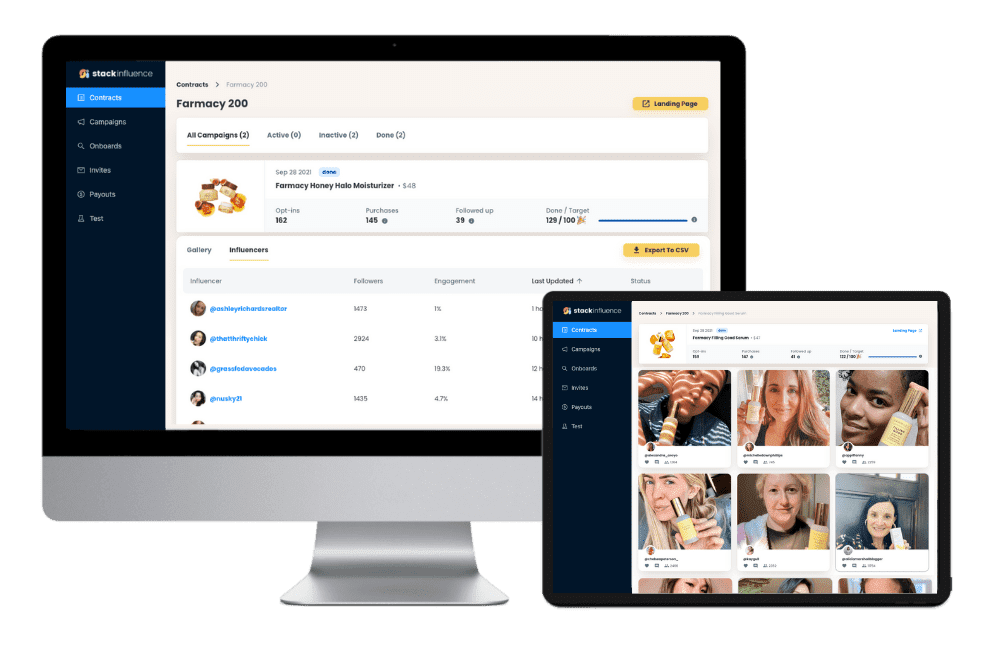
Finally, don’t be afraid to leverage technology and expert help. There are now a variety of influencer marketing platforms and tools that can streamline this entire vetting process. For example, Stack Influence (a micro-influencer platform) uses AI to hyper-target creators based on your desired audience criteria, and it manages everything from outreach to tracking content. Using such a platform can help e-commerce brands and Amazon sellers connect with a large pool of vetted micro-influencers in their niche, without the manual legwork. The platform model often ensures you only pay for performance (e.g. when an influencer actually posts content), which keeps campaigns cost-effective. By tapping into these tools, even a small DTC brand can run an audience-focused influencer campaign efficiently – essentially getting a mini “Nike-level” strategy on a startup budget.
Avoid These 5 Influencer Audience Mistakes
Even seasoned marketers can slip up when it comes to defining and targeting the right audience. Avoid these common mistakes that could derail your influencer marketing efforts:
-
- Chasing Follower Count Over Fit: Bigger isn’t always better. Choosing an influencer solely because they have huge reach – without verifying who those followers are – is a recipe for disappointment. A million random eyeballs won’t help if none belong to potential customers. Fix: Always prioritize audience relevance. Use the steps above to confirm an influencer’s follower profile matches your ICP before you invest. It’s far more effective to work with a niche influencer who actually reaches your buyer demographic than a celebrity who doesn’t.
- Ignoring Audience Quality Factors: Maybe you did check basics like age and gender, but did you consider where followers live or what they care about? One big mistake is overlooking key quality factors like geography and interests. For example, an influencer’s audience might look great on age/gender, but if 80% live outside your shipping countries, that collaboration won’t drive sales. Or an influencer might have a following that appears demographically ideal, but their fans are interested in completely different topics than your product. Fix: Dive deeper into audience insights. Ensure alignment not just in demographics, but also in location and topical interests related to your niche. If you’re a U.S. Amazon seller, you likely need U.S.-based followers. If you sell vegan snacks, an influencer whose audience loves fitness but not food might not convert well. Double-check those details.
- Overlooking Fake Followers and Bots: As mentioned, fake followers can seriously skew an influencer’s metrics. A common mistake is taking follower counts at face value without probing authenticity. Some brands have poured budget into influencers with impressive numbers, only to realize later that a chunk of those “fans” were bots or inactive accounts – meaning their posts were shouting into a void. Fix: Vet for authenticity every time. Look at engagement rates (a very low rate could indicate fake followers). Use tools or ask the influencer for an audit of their audience quality. Many influencers will be transparent if you ask about how they’ve grown their following. Remember that about 25% of influencers have engaged in buying followers, so this is a real issue to guard against. Collaborating only with influencers who have genuine, active followings ensures your sponsored content reaches real people who might buy. It’s worth the extra effort up front to avoid wasting money.
- Forgetting Content Alignment: You find an influencer who has the right audience on paper – great! But don’t forget to look at how they communicate. If the tone, visuals, or values of their content clash with your brand, the campaign can fall flat. For instance, a family-friendly brand partnering with a comedian known for edgy, adult humor will send mixed signals to the audience. The influencer’s followers might even find a suddenly “tame” sponsored post weird and tune it out. Fix: Review the influencer’s past content and pretend you’re the audience seeing your product there. Does it feel natural? Does the messaging style fit? If your brand is all about sleek, minimal aesthetics and the influencer’s feed is chaotic and meme-heavy, that might not click. Choose partners whose content style and brand ethos complement yours. That way, when they introduce your product, it feels like a trusted friend’s recommendation, not a jarring ad.
- Mismatching on Key Demographics (Gender, etc.): Sometimes brands knowingly go with an influencer whose audience doesn’t perfectly match their target, thinking “Some overlap is fine.” A frequent example is targeting the wrong gender because it’s easier to find influencers of that gender. For instance, a men’s product might get promoted by a female influencer who has mostly female followers – the rationale being “women might buy for their husbands” or “she does have some male followers.” In reality, this is often a mistake. Data shows the influencer space is heavily female (around 84% of influencers are women, only ~16% men). That means brands targeting men might need to work a bit harder to find the right male influencers or female influencers who truly have a male audience. If you settle for an easier find (a popular female creator) without an audience match, you’ll likely see poor results – men generally don’t follow women influencers for men’s product recommendations, and vice versa. Fix: Stick to your ICP like gospel. If your product is for men 18-34, make sure the influencers you use primarily reach men 18-34. Request audience gender breakdowns from influencers or use third-party verification. Don’t be swayed by convenience or overall popularity. The extra effort to find an influencer with the correct audience (even if they’re less famous) will pay off in a more responsive campaign.
- Chasing Follower Count Over Fit: Bigger isn’t always better. Choosing an influencer solely because they have huge reach – without verifying who those followers are – is a recipe for disappointment. A million random eyeballs won’t help if none belong to potential customers. Fix: Always prioritize audience relevance. Use the steps above to confirm an influencer’s follower profile matches your ICP before you invest. It’s far more effective to work with a niche influencer who actually reaches your buyer demographic than a celebrity who doesn’t.
By steering clear of these mistakes, you set your influencer campaigns up for success. Every dollar you spend on influencer content should be intentionally aimed at a defined group of consumers. Avoiding these pitfalls ensures you’re not throwing money at viewers who won’t convert or associating with creators who undermine your message. Instead, you’ll be investing in partnerships that move the needle – driving traffic, sales, and real growth among the customers that count.
Quick Audience Alignment Checklist
Before you finalize any influencer partnership, run through this quick checklist to make sure you’ve covered your bases:
-
- Are we prioritizing engagement over reach? – High follower counts look impressive, but are these followers active and interested? A smaller engaged audience is far more valuable than a massive idle one. Ensure the influencers you pick have followers who interact consistently (likes, comments, shares). Engagement is the clearest sign of trust and attention.
- Does the influencer’s audience match our ideal customer? – Double-check demographics like age, gender, location, and interests. If you have multiple buyer personas, verify that the influencer hits the one you’re targeting for this campaign. The followers should look like your customers on paper.
- Who are the engaged followers? – Peek at who’s liking and commenting. Are those users the type of people you want as customers? For example, if you target young professionals, but all the engaged commenters on an influencer’s posts seem to be much younger students, that might be a mismatch. Engagement quality > follower quantity.
- Have we vetted for fake followers or spam? – Scroll through follower lists or use auditing tools. Do things look organic (steady follower growth, real profiles commenting) or are there red flags (suspicious accounts, big overnight jumps in followers)? Ensure the influencer’s community is legit and healthy.
- Is the content style and messaging on-brand for us? – Imagine the influencer delivering your campaign message. Will it sound authentic given their usual content? If the vibe or values are off, reconsider. The partnership should feel “right” to the audience, as if your brand naturally fits into their world.
- Are we prioritizing engagement over reach? – High follower counts look impressive, but are these followers active and interested? A smaller engaged audience is far more valuable than a massive idle one. Ensure the influencers you pick have followers who interact consistently (likes, comments, shares). Engagement is the clearest sign of trust and attention.
If you can confidently answer all the above positively, then congratulations – you’ve likely found an influencer who is a strong audience match! That puts you in a great position to run a campaign that doesn’t just generate likes, but drives clicks, sign-ups, and sales.
Unlock the Power of Micro Influencers and Elevate your Brand Today!
Conclusion: Audience Alignment Is Your Influencer ROI Blueprint
In the end, the success of an influencer campaign boils down to this: Did your message reach the people who are likely to buy? When campaigns flop, it’s rarely because the influencer lacked talent or the content wasn’t pretty. More often, it’s because the brand’s message never truly reached its target audience. Don’t let your efforts fall into that trap.
Nike’s example shows that being deliberate about audience alignment can turn influencer marketing into a powerful growth engine. You don’t need Nike’s budget to apply the same principle. Focus on finding partners whose followers mirror your customer base, whose engagement is genuine, and whose voice complements your brand. When you have that alignment, even a modest campaign can drive real ROI – whether it’s more traffic to your Amazon product page, an uptick in ecommerce sales, or a flood of user-generated content that amplifies your brand’s credibility.
For e-commerce brands and Amazon sellers, this is especially vital. Every marketing dollar counts, and an audience-first influencer strategy ensures those dollars are spent efficiently. It’s better to reach 5,000 of the right people and convert a healthy percentage, than 500,000 of the wrong crowd and convert almost none. By doing the homework on your ideal audience and choosing influencers accordingly, you set yourself up to achieve tangible results like higher conversion rates and repeat customers who found you through a trusted voice.
So before your next influencer campaign, take a page from Nike’s playbook: define exactly who you want to talk to, and let that guide every decision. With the right audience targeting, your influencer content will not only get likes – it will spark conversations, win hearts, and drive sales. Now go forth and start connecting with those creators who speak to your future customers. Your next influencer partnership could become the moment your brand’s story truly clicks with the world. Just remember – it’s all about who’s listening. Focus on that, and the ROI will follow.

By William Gasner
CMO at Stack Influence
William Gasner is the CMO of Stack Influence, he’s a 6X founder, a 7-Figure eCommerce seller, and has been featured in leading publications like Forbes, Business Insider, and Wired for his thoughts on the influencer marketing and eCommerce industries.
Want new articles before they get published? Subscribe to our Awesome Newsletter.
stack up your influence
turning creativity into currency
our headquarters
111 NE 1st St, Miami, FL 33132
our contact info
[email protected]
stack up your influence
turning creativity into currency
our headquarters
111 NE 1st St, 8th Floor
Miami, FL 33132
our contact info



© 2025 Stack Influence Inc
© 2025 Stack Influence Inc
The post Nike Target Audience: How to Drive Influencer ROI (2026) appeared first on Stack Influence.
