





Key Takeaways
- Redirect your saved payroll costs into aggressive advertising and more inventory to grow your business faster than your competitors.
- Follow a fast-track onboarding process to have a fully trained Amazon specialist integrated into your workflow within two weeks.
- Build an elastic workforce that expands and shrinks with your seasonal needs to keep your local team from burning out during busy periods.
- Hire offshore experts who have managed dozens of accounts to gain high-level insights that a local employee with limited experience might lack.
The e-commerce landscape moves fast. Peak seasons hit harder, customer expectations climb higher, and operational costs keep rising. If you run an e-commerce business, you feel the pressure. You need expert help to grow. But traditional hiring takes time. Local salary expectations can cut into your profits before you see results.
Here’s what we’ve noticed while working with e-commerce leaders. Smart brands are Hiring Offshore Amazon Specialists through offshore recruitment. They do this not just to save money, but to gain a strategic edge. This approach gives them expertise, flexibility, and speed when they need it most.
The Shift CEOs Miss: From Cost Savings to Strategic Optionality
The main benefit of hiring offshore Amazon specialists is not just saving money. It’s also the flexibility you get in uncertain markets.
You’re betting on sustained growth, stable market conditions, and predictable demand. But e-commerce doesn’t work that way anymore. Algorithm changes, supply chain disruptions, and shifting consumer behavior can alter your needs in weeks, not quarters.
When you hire an offshore Amazon specialist, you’re buying strategic flexibility. The ability to change team sizes in 30 days is more valuable than cutting costs. This is true, especially when market conditions change quickly.
What Sets High-Performing Offshore Amazon Specialists Apart
These professionals have managed multiple brands simultaneously across different categories and markets, bringing battle-tested strategies from day one.
Here’s what genuinely distinguishes them:
- Deep Platform Expertise: These specialists live and breathe Amazon’s ecosystem. They optimize product listings and manage PPC campaigns. They also navigate Amazon’s changing algorithm. They have hands-on skills with tools like Helium 10, Jungle Scout, and Amazon Seller Central. They have faced unique challenges and platform issues that local candidates have not seen. This is because they have managed 5-10 accounts, while your local hire has only managed one or two.
- Cross-Market Intelligence: Many remote Amazon specialists have worked with international brands across EMEA, APAC, and North American markets. This means they understand diverse consumer behaviors, seasonal trends, and cultural nuances that can inform your expansion strategy. Developing cultural awareness has become essential for businesses operating in global markets, and these professionals live it daily.
- Rapid Deployment: Need to capitalize on Q1 momentum? Launching a new product line? When you work with an experienced professional managed offshore service, onboarding should happen in 7-14 days. No lengthy recruitment cycles. No waiting months to fill critical roles while opportunities slip away. Brands can lose entire seasonal windows because they couldn’t staff up fast enough.
The Real ROI: Beyond Payroll Savings
Hiring locally in the U.S. for specialized Amazon roles typically costs $60,000-$90,000+ annually, plus benefits, equipment, and overhead. A remote Amazon expert from the Philippines, Latin America, or South Africa can provide similar or better skills. They do this for much less money.
But the real value isn’t what you save on payroll. It’s what you do with those savings.
Successful e-commerce brands use offshore talent. They invest in growing their inventory. They also ran more aggressive PPC campaigns and developed new products. That’s capital that would have disappeared into local hiring costs. Instead, it became fuel for revenue-generating initiatives.
Beyond direct salary savings, partnering with an experienced global offshore hiring service, eliminate operational friction:
- Recruitment cycles that consume weeks of leadership time
- Payroll complexity and international compliance challenges
- IT setup and equipment procurement delays
- Ongoing performance management and training requirements
The result is a fully equipped and productive team member in less than two weeks. This comes with easy administration and no extra work for your HR team.
Why Scalability Matters More Than Ever
E-commerce is inherently cyclical. You need more capacity during peak seasons and product launches, but you can’t afford underutilized resources during slower periods. In 2026, email, education, and authenticity emerging as key differentiators. Having the right team to carry out these strategies is very important.
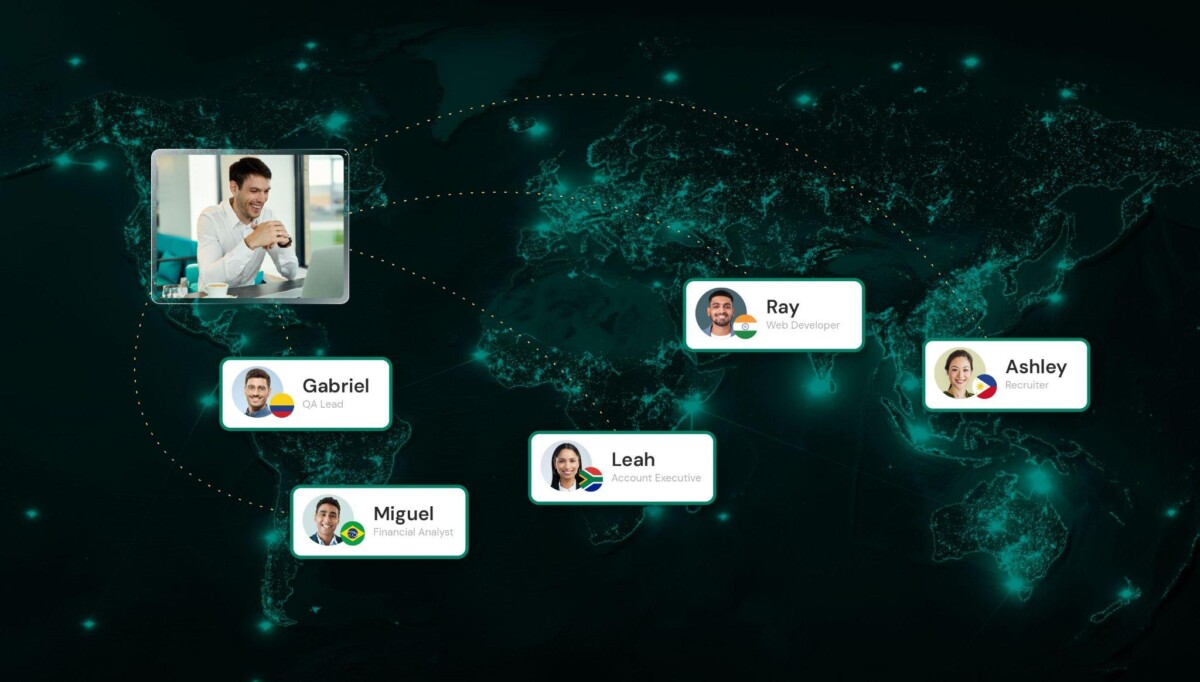
Hiring offshore Amazon specialists from The Philippines, Latin America or South Africa, offers flexibility traditional employment simply can’t match:
- Test before you commit: Launch international marketplace expansion or brand registry management initiatives with specialized talent before building permanent internal teams.
- Scale with confidence: Add capacity for promotional events without long-term commitments that become liabilities in slower quarters.
- Pivot without friction: Shift strategies when market conditions change, without severance complications or lengthy offboarding processes.
This isn’t about replacing your core team. It’s about building an elastic workforce that expands and contracts with your business in real-time, the way modern e-commerce demands.
Addressing the Real Concerns of Offshore Hiring: Communication, Culture, and Quality
The most common concern we hear: “Will time zones create bottlenecks? What about communication quality?”
These challenges are manageable, and the benefits far outweigh them when you have proper infrastructure in place.
- Time Zone Coordination: Offshore e-commerce specialists typically work flexible hours with significant overlap with U.S. business hours. With collaboration tools like Slack, Zoom, and Asana, teams stay connected and aligned regardless of location. The evolution of digital communication from early online interaction to modern video chat culture has made remote collaboration seamless. Many distributed teams operate more efficiently than co-located ones.
- Cultural Integration: Skilled offshore recruitment providers check talent for more than just technical Amazon skills. They also look for clear communication, cultural adaptability, and fit with Western business practices. These specialists are accustomed to working with U.S. brands and understand expectations from day one. This comes from rigorous screening processes that filter for professionals who integrate smoothly into existing company cultures.
- Performance Standards: Look for offshore solutions that provide regular performance checks. They should also offer training support and replacement guarantees if a specialist does not work out. The best providers own that risk because they’ve built systems to prevent underperformance.
The Competitive Reality
What separates successful e-commerce leaders from those falling behind isn’t access to capital or market insights. Its operational efficiency and the willingness to challenge traditional hiring assumptions.
By working with global remote offshore talent, leading e-commerce brands make strategic decisions to:
- Free up capital for growth: Operate more efficiently without sacrificing quality, redirecting savings into higher-leverage investments.
- Access rare expertise: Access to specialist skills that are scarce or overpriced in local markets.
- Maintain lean operations: Scale intelligently as demand fluctuates, avoiding bloated teams during uncertain periods.
- Reinvest in revenue drivers: Deploy savings into better inventory depth, more aggressive advertising, and expanded product lines.
The equation is straightforward: operational overhead you eliminate becomes fuel for initiatives that actually move revenue.
The Path Forward
The future of e-commerce belongs to brands that move decisively, adapt quickly, and leverage global talent strategically. Offshore talent can help you improve your Amazon e-commerce operations. They offer expertise and flexibility. This can also save you money. With these advantages, you can compete better in new markets.
The most successful e-commerce leaders understand that recruitment, compliance, IT setup, and ongoing management shouldn’t consume leadership bandwidth. When these operational elements run seamlessly, you can focus on what actually matters: growing your business and serving your customers.
The question isn’t whether offshore talent will reshape e-commerce operations. It’s whether you’ll lead this shift or follow it.
For more insights on building scalable e-commerce teams with offshore Amazon specialist talent, visit Somewhere.
Frequently Asked Questions
Why is hiring an offshore Amazon specialist considered a strategic move rather than just a budget cut?
While saving money is a benefit, the real strategy lies in “strategic optionality,” which allows your business to adapt its team size within 30 days. This flexibility is vital in the volatile e-commerce market where algorithm changes or supply chain issues can shift your needs overnight. By staying lean, you keep your capital liquid and ready to respond to new opportunities or market downturns.
What technical skills should I expect from a high performing remote Amazon expert?
A qualified specialist should have deep, hands-on experience with the Amazon Seller Central dashboard and essential research tools like Helium 10 or Jungle Scout. They should be able to manage PPC advertising campaigns, perform keyword research for SEO, and troubleshoot account health issues. Their value often comes from having managed multiple accounts across different categories, giving them a broader technical perspective than a local hire.
How do offshore teams handle the time zone differences with U.S. based businesses?
Most professional offshore specialists work flexible hours specifically designed to have a significant overlap with North American business days. Using modern collaboration tools like Slack or Asana allows for real-time communication during these shared hours and organized project tracking for the rest of the day. This “follow the sun” model can actually speed up your operations, as tasks assigned at the end of your day are often finished by the time you wake up.
Is it a myth that offshore hiring results in lower quality work?
The idea that offshore talent is less skilled is a common misconception; in many cases, offshore specialists have more experience because they manage five to ten accounts simultaneously. These professionals are often more “battle-tested” against Amazon’s platform changes because they see a higher volume of data and unique challenges across various markets. When you work with a managed specialized service, they provide the training and quality checks necessary to ensure high performance.
How does hiring remotely help an e-commerce brand scale during peak seasons?
E-commerce is highly cyclical, meaning you need more support during Q4 or major product launches than you do in the slower summer months. Remote hiring allows you to build an “elastic workforce” that can expand to handle increased customer service and advertising management during busy times without the long-term liability of permanent local salaries. This stops you from being overstaffed during slow periods or understaffed when demand peaks.
What is the most effective way to reinvest the savings from offshore recruitment?
Smart brand owners take the $40,000 to $60,000 saved on a single role and redirect it directly into revenue-generating assets like inventory depth or aggressive PPC ad spend. This turns a standard business expense into “fuel” that drives market share and scales the company faster than a competitor with high overhead costs. Instead of money disappearing into local benefits and taxes, it stays in your business to drive growth.
How long does the onboarding process usually take for an offshore Amazon professional?
If you work through a managed recruitment service, you can typically have a fully equipped professional integrated into your team within seven to fourteen days. This is much faster than traditional local recruitment, which can take months to finalize interviews and background checks. This speed allows you to capitalize on sudden market trends before your competition can even post a job opening.
How can I ensure an offshore specialist fits my company’s culture and values?
Top offshore providers look for “cultural adaptability” and clear communication skills just as much as technical Amazon expertise. During the screening process, focus on how candidates handle feedback and their familiarity with Western business practices. Many of these specialists have years of experience working with U.S. brands and are already accustomed to the fast-paced, results-oriented culture of e-commerce.
Are there specific regions that are better for finding Amazon e-commerce talent?
The Philippines, Latin America, and South Africa have become major hubs for e-commerce talent due to their strong English proficiency and high level of digital literacy. These regions have developed specialized training ecosystems specifically for Amazon and digital marketing, making them reliable sources for high-level experts. Each region offers unique benefits, such as Latin America’s perfect time zone alignment or the Philippines’ long history of specialized outsourcing.
What should my first step be after reading an overview of offshore hiring?
You should start by identifying the specific Amazon tasks that are currently consuming too much of your leadership bandwidth, such as manual PPC adjustments or inventory monitoring. Once you have a clear list of responsibilities, you can consult with an offshore partner to match those needs with a specialist who has proven experience in those exact areas. This allows you to delegate routine but critical tasks and focus your own energy on high-level business strategy.
