





Rising customer acquisition costs are the quiet killer of Shopify brands right now. You’re likely spending more than ever on Meta and Google ads just to get people to your site, only to watch 98% of them leave without buying anything.
This “leaky bucket” problem is where most founders lose their profit margins. Whether you’re a solo founder trying to find your first win or an eight figure brand manager looking for a 2% lift in conversion, you’ve probably realized that generic popups don’t work anymore.
I’m Steve Hutt, founder of eCommerceFastlane. After working with hundreds of Shopify brands, I’ve seen how the right tools accelerate growth, and how the wrong ones create expensive friction. We don’t chase shiny new apps. Our reviews focus on what delivers ROI at different scales. Today, we’re doing a strategic review of OptiMonk, a platform that claims to fix your conversion issues through behavioral targeting and AI-powered personalization, not just annoying popups.
After testing OptiMonk with Shopify stores, the pattern is clear: brands that use behavioral targeting see a much higher ROI than those using static triggers. Typically, a correctly configured OptiMonk campaign pays for itself within the first 48 hours by capturing shoppers who were about to leave their carts.
Is OptiMonk Right for Your Business Stage?
I’ve learned that you shouldn’t buy tech for where you want to be tomorrow; buy it for the problems you have today. However, you also don’t want to migrate tools every six months. OptiMonk hits a sweet spot because it adapts based on your scale.
Emerging Operators
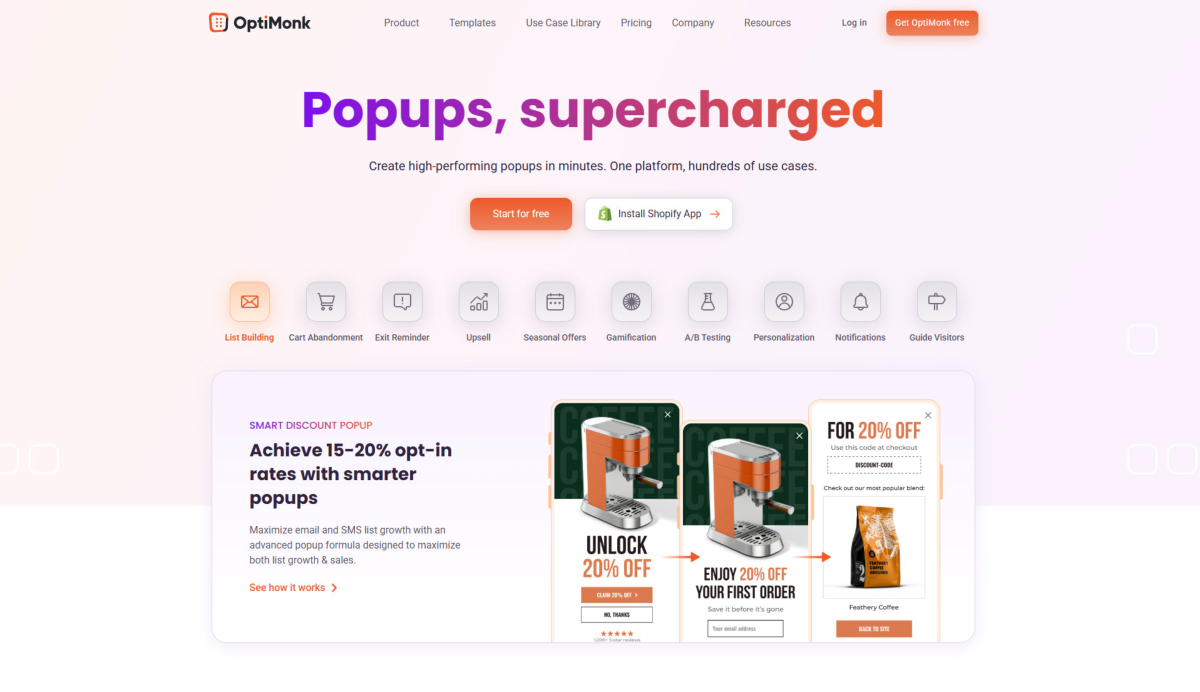
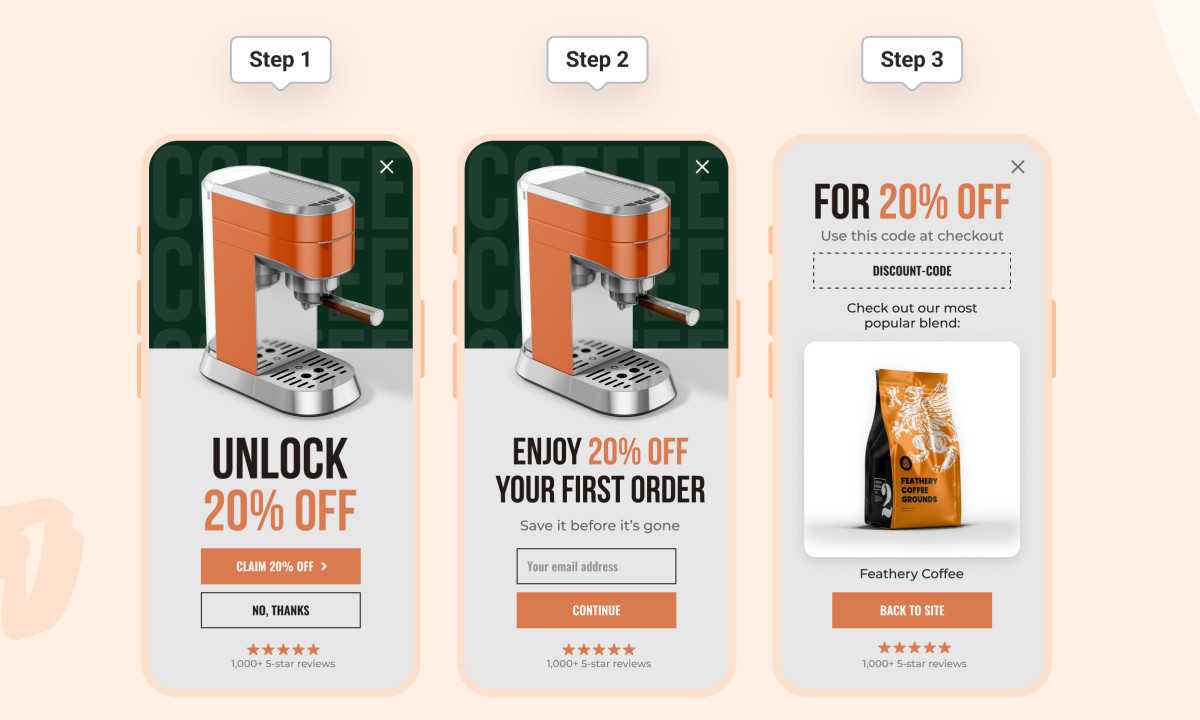
If you’re just starting, you likely have more time than money. You need a free account that doesn’t look cheap. Many free popup apps look unprofessional and can actually hurt your brand’s trust. OptiMonk’s free tier gives you access to high-quality templates that look like they were designed by a pro agency. You can set up a basic “New Visitor” discount or a simple newsletter signup in ten minutes. It’s perfect for the solo founder who needs to start building a list without a monthly bill.
Growth-Stage Brands
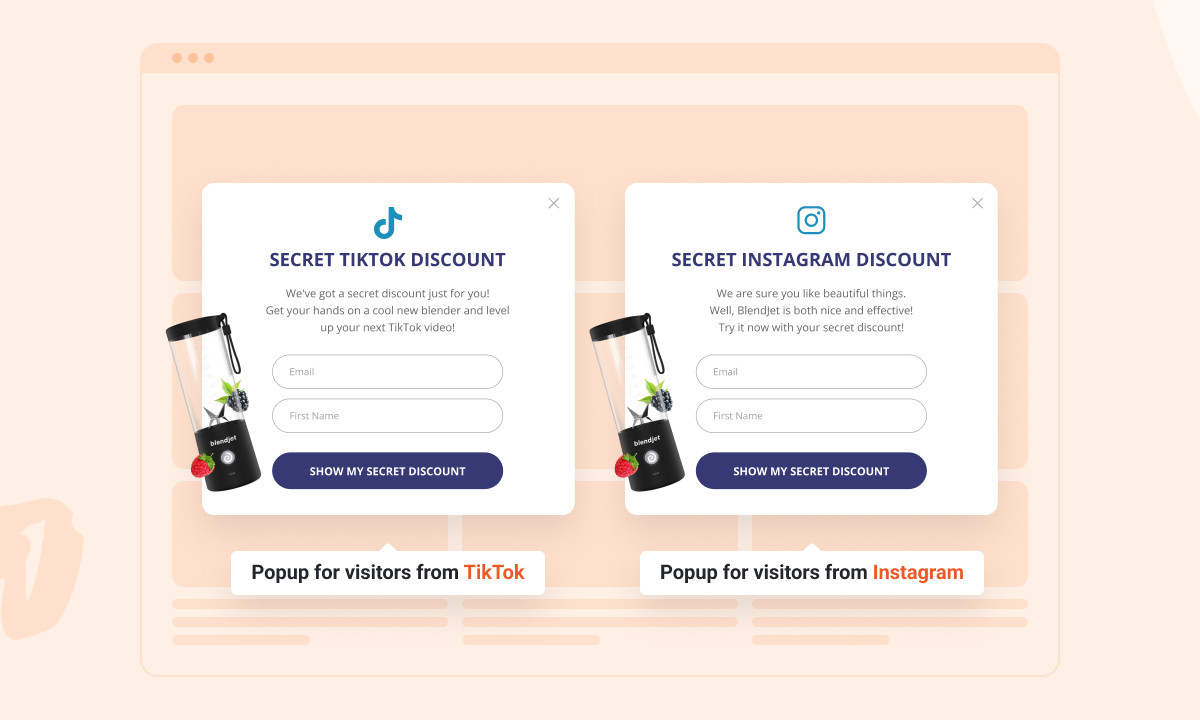
Once you’re doing $50K plus a month, you’re likely paying for traffic. At this stage, generic messages are costing you money. You need to segment. OptiMonk thrives here by letting you show different messages to someone who came from a TikTok ad versus someone who came from an organic search. You can also start using gamification, like “Spin to Win” wheels, which often increase engagement by 15% or more compared to static forms.
Established Scaling Brands
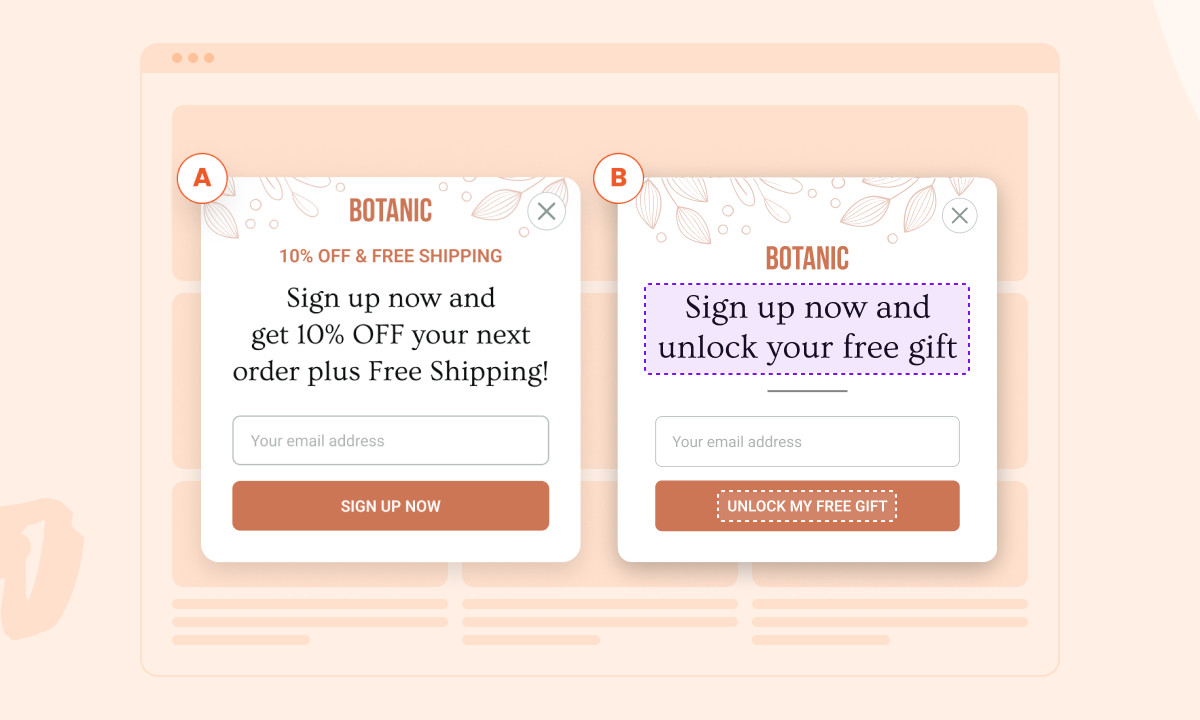
For the eight figure brands, it’s about marginal gains and data. You have the traffic, so now you need to test. OptiMonk’s A/B testing isn’t just about changing button colors; it’s about testing different offers. You might test a 10% discount against a “Free Gift” offer to see which one actually drives more revenue, not just more emails. This stage is where their AI personalization and “User Experience Protector” become non-negotiable to prevent popup fatigue for your best customers.
Core Capabilities: Personalization and Cart Recovery
The real power of OptiMonk isn’t just in making things pop up. It’s in the logic behind when they appear. If you show a “10% off” coupon to someone who was already going to buy, you just lit your margin on fire. If you show it to someone with $150 in their cart who is moving their mouse toward the “X” button, you just saved a sale.
Smart Product Recommendations
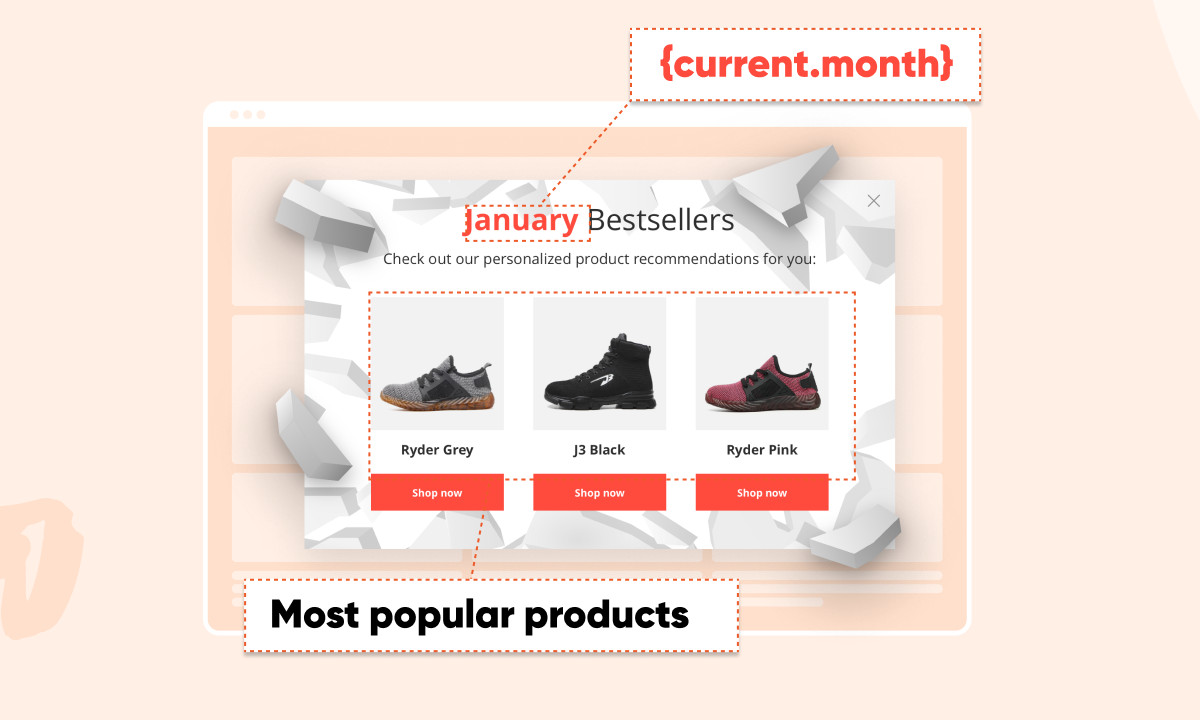
One of the most effective ways to boost your Average Order Value (AOV) is by showing people what they actually want. Instead of a random “You might also like” bar, OptiMonk uses behavior data to suggest complementary items. If someone is looking at a pair of jeans, show them the belt or the shirt that others frequently buy with it. This creates a curated shopping experience that feels helpful rather than pushy.
Cart-based Targeting
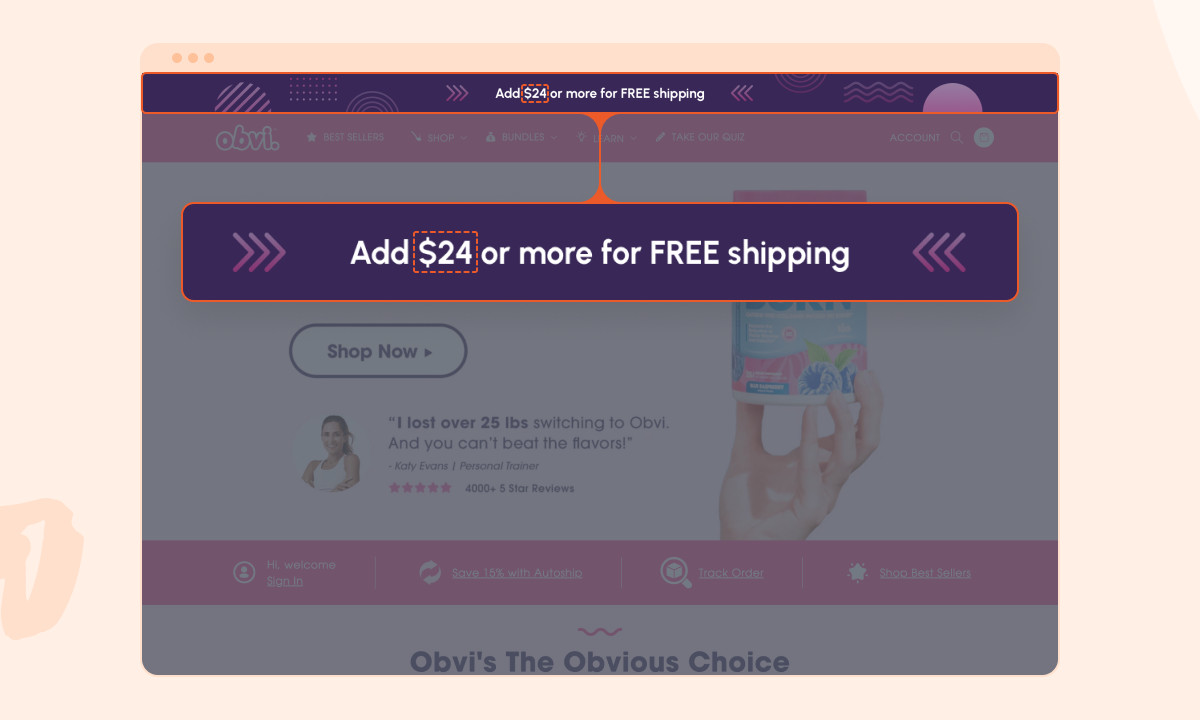
This is the “special sauce” for cart recovery. You can set triggers based on exactly what is in the cart. Let’s say you offer free shipping at $75. If a customer has $60 in their cart and tries to leave, OptiMonk can trigger a sticky bar or a popup that says, “You’re only $15 away from free shipping! Add [this item] to save.” It turns a potential bounce into an upsized order.
Gamification (Lucky Wheels)
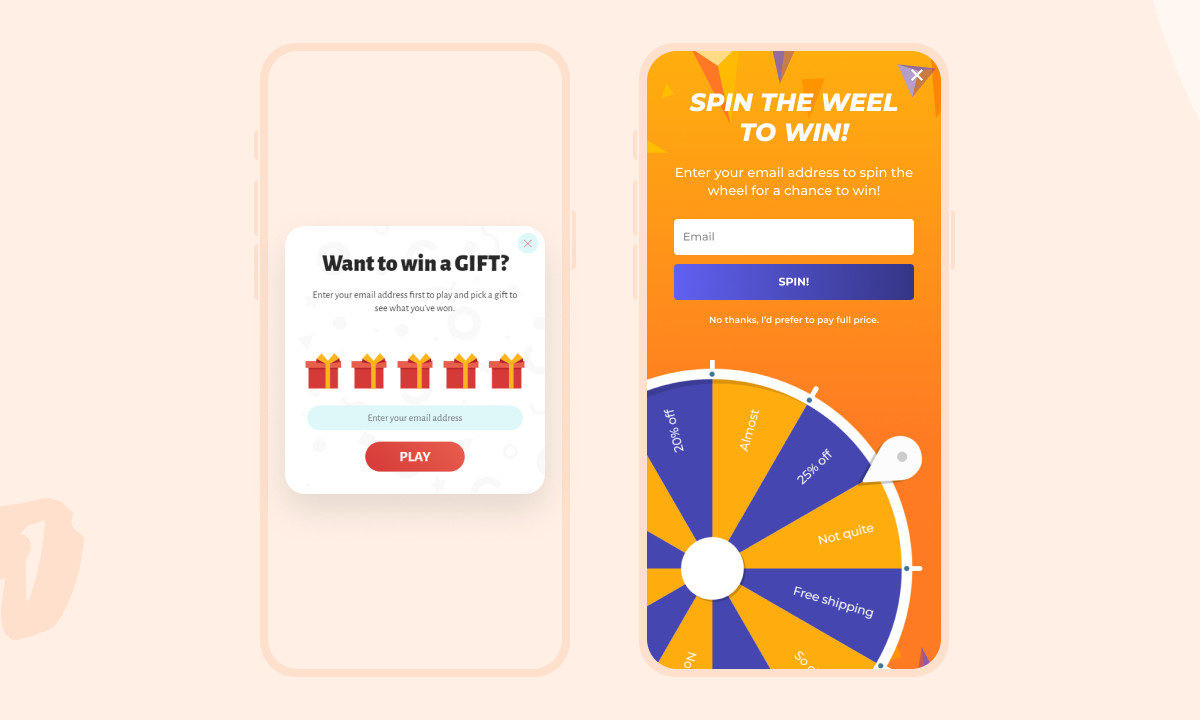
While some find them cliché, the data doesn’t lie. Gamified popups like “Pick a Present” or “Lucky Wheels” convert at a much higher rate for new visitors. It turns the transactional nature of “Give me your email for a coupon” into a small win for the customer. I’ve seen brands achieve 10-15% opt-in rates using these methods, which is far above the industry average.
User Experience Protector
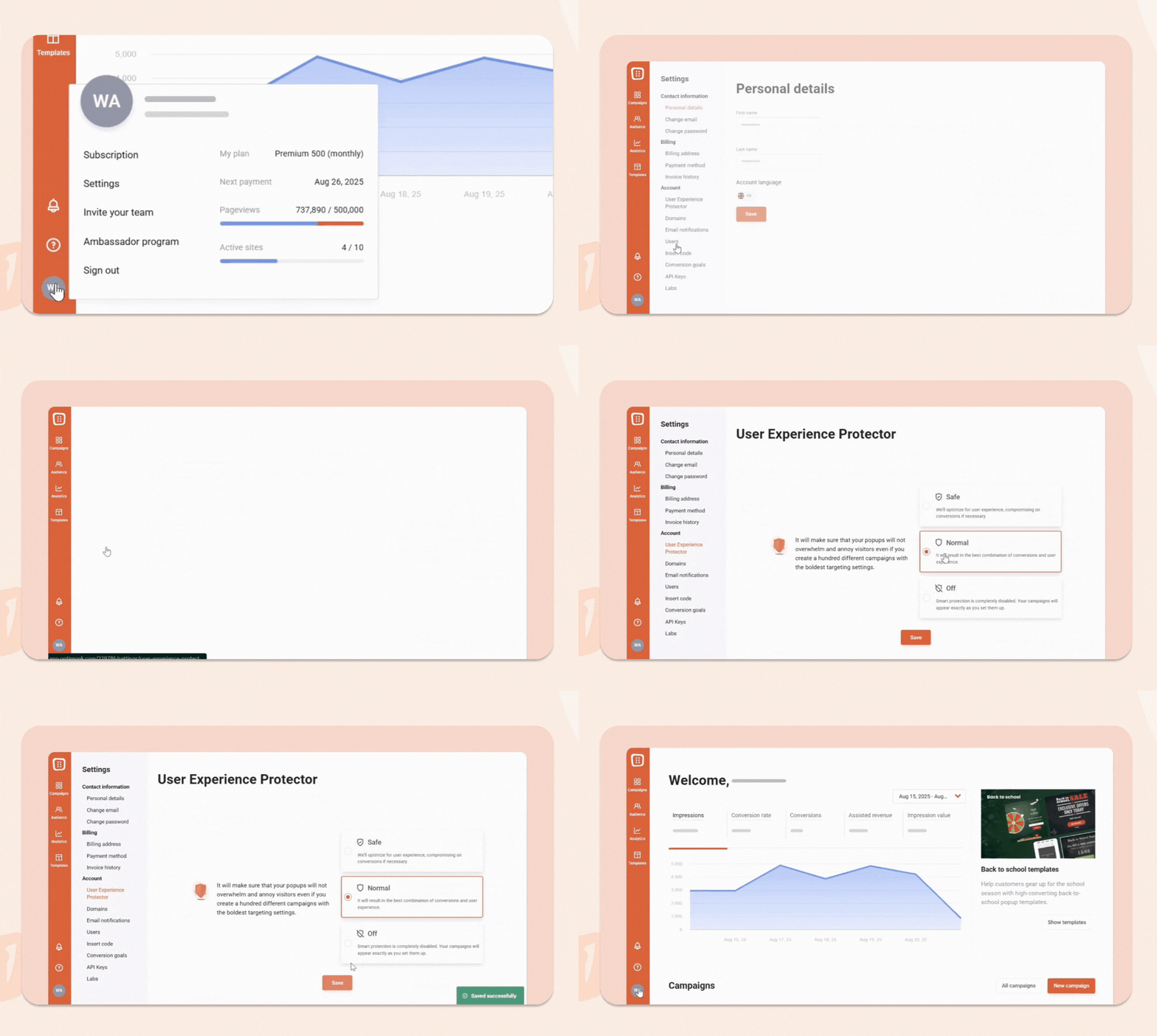
Nothing kills a brand faster than annoying the customer. If someone sees three popups in thirty seconds, they’re gone. OptiMonk’s UX Protector ensures you have smart limits. You can prioritize your most important campaign (like an exit-intent cart saver) and make sure it suppresses less important announcements.
Brands using OptiMonk’s personalization features typically see engagement improve by 25-35%. By delivering messages customers haven’t noticed before, or tailoring the offer to the specific stage of the journey, you reduce the friction that usually causes shopping cart abandonment. It’s about building a conversation, not just a storefront.
OptiMonk AI: Set-and-Forget 1-to-1 Personalization

The biggest evolution in OptiMonk’s platform is OptiMonk AI, the world’s first fully automated AI-powered popup solution that moves beyond traditional segmentation. Instead of manually creating dozens of campaign variations for different audience segments, OptiMonk AI generates personalized images, headlines, and targeting rules for each individual visitor in real-time.
Traditional behavioral targeting requires you to build the logic: “If cart value > $75, show Message A. If traffic source = TikTok, show Message B.” OptiMonk AI eliminates that manual configuration by automatically determining the perfect message, offer, and creative for each shopper based on their unique session data. The system can transform a single product photo into contextually relevant visuals—adding seasonal elements for holiday campaigns or creating urgency-driven imagery for flash sales without touching a design tool.
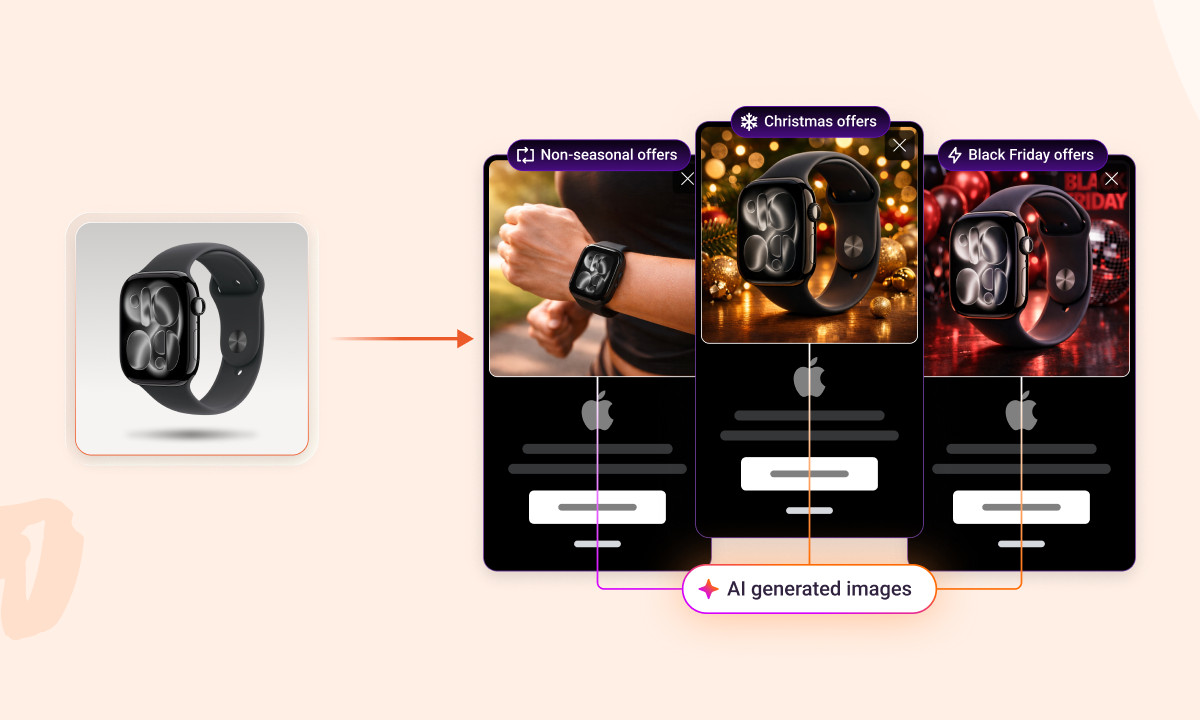
The result is a claimed 300% increase in popup conversion rates compared to generic popups, while simultaneously reducing the “popup fatigue” that damages brand trust. For scaling brands already comfortable with OptiMonk’s core features, AI represents the next frontier: letting machine learning handle the optimization work that previously required constant A/B testing and campaign refinement.
Best for: Established brands on Premium/Master tiers who have enough traffic data for the AI to learn from and want to eliminate manual campaign management.
Setup reality: While OptiMonk markets this as “set-and-forget,” the AI still needs quality baseline data to work with. Brands with complex product catalogs or highly seasonal offerings should expect a learning period before seeing the full 300% lift.
Operational Assessment: Shopify Integration and Pricing
Technical setup is usually where the wheels fall off for ecommerce apps. If it takes three weeks to launch, it’s a failure. OptiMonk is designed for the modern operator who needs to move fast. The Shopify integration is one of the deepest I’ve seen. It syncs orders, products, and customer tags in real-time. You can literally have your first campaign live in about five minutes without touching a single line of code.
The Pricing Tiers Table
Tech Stack Consolidation Math
One mistake I see brands make is paying for five separate apps that do what one good platform could handle. Let’s look at a typical “siloed” stack for a growth-stage brand vs. using OptiMonk:
- Siloed Stack: Basic Popup App ($29) + Upsell App ($35) + Gamification App ($20) + Sticky Bar App ($15) = $99/month.
- OptiMonk Growth: All features in one dashboard with unified data = $99/month.
The price might look the same, but the siloed stack has four different scripts slowing down your site and four different places where customer data is trapped. OptiMonks unified approach means your “Upsell” knows what your “Exit Intent” just did. That visibility is where the real revenue lift happens.
OptiMonk’s Shopify integration syncs dozens of data points in real-time, including cart value and product tags. In testing across stores, the integration maintained nearly perfect sync accuracy. This reliability is vital during high-traffic events like Black Friday where a lag in data could mean showing an out-of-stock item as a recommendation.
Final Verdict: Pros, Cons, and the Big Picture
Every tool has its trade-offs. OptiMonk is incredibly powerful, but that power comes with a learning curve if you want to use the high-end AI features. Its greatest strength is its intuitive UX/UI. Most “all-in-one” tools feel clunky, but OptiMonk feels like it was built by people who actually run ecommerce stores.
Pros:
- Massive Template Library: Over 300 responsive, professional designs that don’t look like generic “internet marketing” popups.
- No-Code Visual Editor: You can drag and drop objects and customize styles perfectly to your brand in minutes.
- Revenue focused Analytics: It moves beyond “vanity metrics” like clicks and shows you exactly how much money each campaign generated.
Cons:
- AI Complexity: Setting up a truly personalized AI journey for thousands of products takes more time than a simple list builder.
- Pricing Transitions: Moving from the growth tiers to the master tiers can be a jump for brands with high traffic but lower margins.
- AI features require Premium/Master tier pricing, putting full automation out of reach for emerging operators.
Decision Matrix: OptiMonk vs. Others
OptiMonk is more than an app; it is a conversion framework. It stops you from shouting at every visitor and starts helping you talk to them based on their actions. Whether you use it for list building, cart saving, or product discovery, the goal is the same: providing value to the customer so they provide value to your bottom line.
For beginners: Start with the free plan. Connect your Shopify store and set up one “Exit-Intent” cart reminder for shoppers with over $50 in their cart. This single move usually generates more than enough revenue to justify the step up to a paid tier later.
For scaling brands: Audit your current apps. If you’re paying for three different tools to handle bars, popups, and upsells, consolidate them into OptiMonk. Spend an afternoon setting up A/B tests for your top-performing offers. The 5-10% lift you find through testing is pure profit.
After evaluating OptiMonk across dozens of businesses, the pattern is consistent: brands that prioritize unified customer data over best-in-class individual tools see significantly better marketing performance. When your website segments and guides visitors correctly, you prevent the 20-30% revenue loss that typically disappears into the “abandoned cart” abyss. Stop guessing what your customers want and let their behavior tell you.
Implementing personalization is no longer a luxury for Shopify brands. With rising ad costs, you cannot afford to treat every visitor the same. OptiMonk stands out because it takes complex behavioral data and turns it into simple, high-converting onsite experiences. Whether you are just starting out or managing an eight-figure brand, the platform scales with your needs without requiring a team of developers.
To see real results, start by fixing the most common leak in your funnel: the abandoned cart. Move away from generic exit-intent popups that offer blanket discounts. Instead, use OptiMonk to trigger specific messages based on cart value. If a shopper is just below your free shipping threshold, show them a sticky bar with a product recommendation that bridges the gap. This approach protects your margins while increasing your Average Order Value.
For growth-stage brands, the next step is segmenting your traffic by source. A customer arriving from a TikTok ad expects a different tone than someone clicking through from a warm email. Personalizing the landing experience based on these referrals can significantly lower your bounce rates. Use the built-in A/B testing to refine your offers. Small wins, like finding out a “Free Gift” converts better than “10% Off,” compound into massive revenue gains over time.
Summary
OptiMonk is a strategic asset for any Shopify founder who wants to build a more intelligent storefront. It bridges the gap between basic automation and enterprise-level personalization. My biggest takeaway after reviewing the platform is how effectively it consolidates your tech stack. By moving your popups, bars, and upsells into one unified system, you gain a clearer picture of the customer journey and improve site performance.
If you are ready to stop losing traffic to “popup fatigue,” your first action should be to audit your current onsite messages. Sign up for a free OptiMonk account and set up one behavior-based trigger. Focus on your most visited collection page and offer a tailored recommendation. This small test will prove the value of personalization within days. For a deeper dive into increasing your conversion rates, check out our recent podcast episodes on behavioral marketing to stay ahead of the curve.
Frequently Asked Questions
What makes OptiMonk different from standard Shopify popup apps?
Most popup apps only use basic timing or page-level triggers to show offers. OptiMonk uses deep behavioral data and real-time Shopify integration to show messages based on what is actually in a customer’s cart. This move from generic popups to true website personalization helps you convert more visitors without hurting your brand’s reputation.
Is the OptiMonk free plan actually useful for new stores?
Yes, the free plan is one of the most generous in the ecommerce industry. It gives emerging operators access to over 300 professional templates and core features without any upfront cost. It is a great way to build your first email and SMS lists while your traffic is still under 10,000 pageviews per month.
How does OptiMonk help reduce my abandoned cart rate?
OptiMonk uses exit-intent technology to detect exactly when a shopper is about to leave your site. By showing a targeted “cart saver” message to shoppers with high-value items, you can offer a specific incentive to finish the purchase. This strategy often recovers sales that would otherwise be lost to the “abandoned cart abyss.”
Will using another app like OptiMonk slow down my Shopify site?
Site speed is a common concern, but OptiMonk is built with a lightweight script designed for high performance. Because it can replace multiple single-function apps like sticky bars and upsell tools, it often improves site speed. Consolidating your tools into one dashboard reduces the number of competing scripts loading on your storefront.
Can I use OptiMonk to grow my SMS list as well as my email list?
OptiMonk is highly effective for dual-channel growth. You can create two-step forms that ask for an email address first and then a phone number for SMS marketing. This allow you to build two powerful marketing assets at the same time while keeping the signup process simple for the user.
Does OptiMonk require a developer to set up complex personalization?
You do not need to know how to code to get the most out of this platform. It features a drag-and-drop visual editor and pre-built logic for common ecommerce scenarios. Even advanced features like “free shipping bars” and product recommendations can be launched using the intuitive no-code interface.
What is the biggest mistake brands make with onsite messaging?
The most common error is showing the same discount popup to every single visitor. This “one-size-fits-all” approach annoys loyal customers and wastes profit margins on people who were already going to buy. Using behavioral targeting ensures you only show offers to the people who actually need an extra nudge to convert.
How does the User Experience Protector feature work?
The UX Protector is a smart limit that prevents you from showing too many messages to a single shopper. You can set rules to prioritize your most important campaigns and hide secondary ones during the same session. This ensures your website remains helpful and professional rather than cluttered or annoying.
Can I test different offers to see which one makes more money?
OptiMonk includes built-in A/B testing that focuses on revenue rather than just click rates. You can test a “10% off” discount against a “Free Shipping” offer to see which one drives a higher Average Order Value. This data-driven approach takes the guesswork out of your marketing strategy.
What should be my first step after installing OptiMonk?
Your first action should be setting up an exit-intent trigger on your checkout or cart page. Focus on shoppers who have a specific dollar amount in their cart and offer a small, timely incentive to stay. This simple test usually provides enough immediate revenue to prove the platform’s ROI within the first few days.
