





Quick Decision Framework
- Who this is for: DTC founders, Shopify operators, and ecommerce marketers who want to increase repeat purchase rates and customer lifetime value without increasing ad spend
- Skip if: You are not yet shipping physical products or you have no control over your fulfillment and packaging process
- Key benefit: Understand how to use packaging inserts, custom stickers, and handwritten-style cards to create memorable brand moments that drive retention, loyalty, and word-of-mouth — at a cost of under $1.50 per order
- What you’ll need: A basic understanding of your current cost per order, your repeat purchase rate, and your post-purchase email flow so you can identify where physical touchpoints can fill the gap
- Time to apply: This article takes 10 minutes to read and gives you a practical framework you can begin testing within a week using a small batch of inserts and stickers
Here’s something many eCommerce brands overlook: many customers quickly forget brands after purchase, especially when the experience is purely transactional and lacks any memorable touchpoints.
What You Will Learn
- Why physical touchpoints can strengthen brand recall and repeat purchases
- Specific packaging and insert strategies that DTC brands are using to move the needle on LTV
- How to layer physical branding into your existing email, SMS, and paid media workflows
- Real cost breakdowns so you can figure out if this makes sense for your margins
They bought from a Facebook ad or a Google search, the package showed up in a brown box, and that was it. No memory. No connection. Just another transaction in a sea of transactions. And you may have spent a significant budget acquiring that customer.
Many brands building lasting customer relationships aren’t relying on digital channels alone. They’re doing it with stuff you can touch. Physical brand touchpoints like packaging, inserts, stickers, and handwritten notes. The kind of real-world details that stick in someone’s memory way longer than a push notification ever will.
The Digital-Only Blind Spot Most eCommerce Brands Have
If you’re running a Shopify or Amazon store, your marketing stack probably looks something like this: paid social for acquisition, email and SMS for retention, and maybe some influencer stuff on the side. All digital. All competing for attention on a screen your customer checks constantly throughout the day.
That’s fine. Those channels work. But there’s a gap nobody talks about, which is the moment between “order confirmed” and “I should buy from them again.” That middle part is where most brands go completely silent. The package arrives, the customer opens it, and… nothing. A packing slip. Some bubble wrap. Maybe a generic “thank you for your order” card that clearly came from the 3PL.
A well-designed unboxing experience changes that whole equation. It’s one of the few moments where you have your customer’s focused attention. No competing ads. No notification banners. Just them and your brand, in their hands.
What Actually Counts as a Physical Touchpoint
Let’s get specific, because “physical touchpoints” can sound vague. We’re talking about anything your customer can physically interact with that carries your brand. The obvious ones are custom mailer boxes, branded tissue paper, and printed packing tape. These elements are commonly used by established DTC brands to create a more cohesive brand experience.
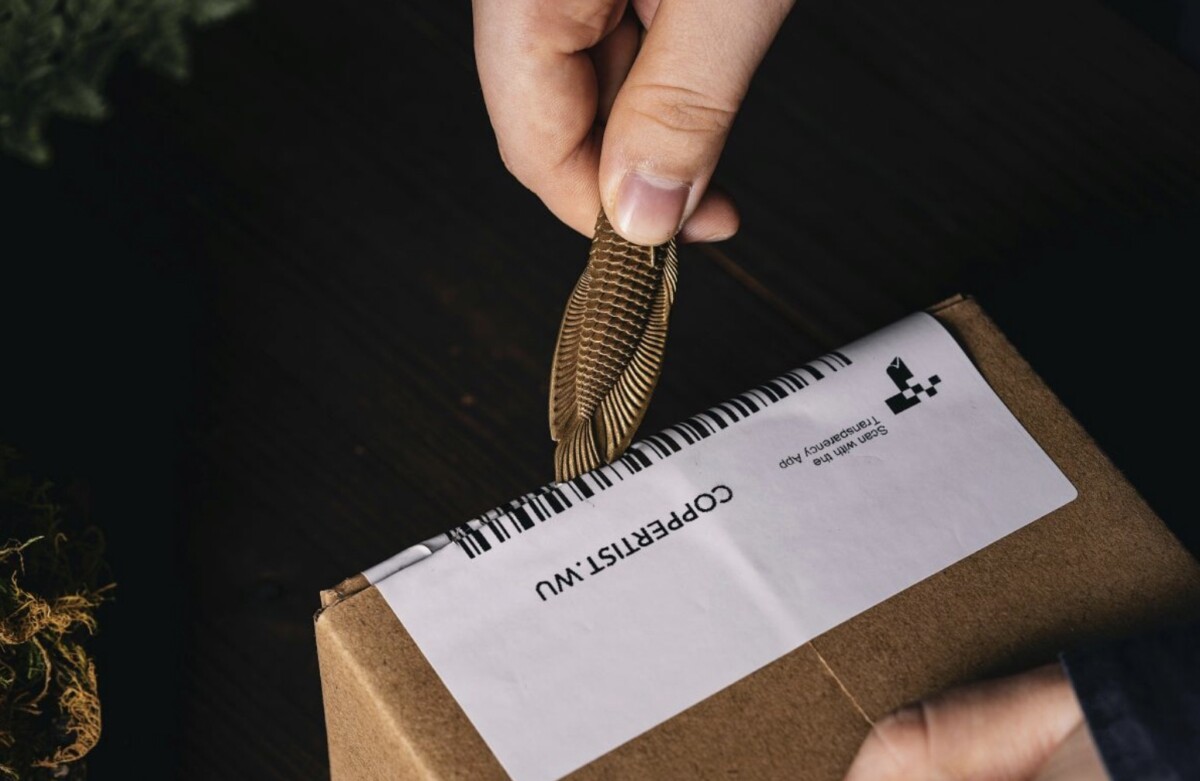
But the higher-impact moves are the smaller, cheaper items that feel personal. Package inserts with a QR code linking to a how-to video or a loyalty signup. A handwritten-style thank-you card. Custom die-cut stickers that customers actually want to put on their laptop or water bottle. That last one matters more than most people realize. A sticker from your brand sitting on someone’s desk or laptop can provide ongoing brand visibility beyond the original purchase.
And then there’s the stuff that feels like a surprise: a small sample of a new product, a discount card for a complementary brand you’ve partnered with, or even just a note that says something real about your company. Some brands report significantly higher repeat purchase rates when investing in thoughtful packaging and brand storytelling.
Why Physical Touchpoints Strengthen Brand Recall
Your brain remembers that handwritten birthday card from your aunt. But it forgets which brand emailed you yesterday. Touchpoints use our senses. They help us remember brands better. They also create stronger feelings than online. Your customer’s brain processes something they can hold and touch differently than pixels on a screen.
Qualtrics found that brand experience helps customers remember. It also makes them more likely to buy again. Touchpoints engage more senses. They leave a bigger impact than digital ones.
Think about it from a practical standpoint. Your welcome email has an open rate of maybe 50% if you’re lucky. Your package has a 100% open rate. Nearly every customer opens the box. And they’re not distracted by 47 other tabs when they do it.
The Data & Marketing Association found that direct mail gets more engagement. It does better than digital ads. Real brand interactions matter a lot.
The Operational Playbook: Layering Physical Touchpoints Into Your Marketing Stack
So here’s where it gets practical. You’re not replacing your digital channels. You’re adding a physical layer that makes all of them work harder.
Tie inserts to your post-purchase email flow. If your Klaviyo sequence asks for a review on day 7, include a card in the box that says, “Loved it? Tell us on [platform] and get 15% off your next order.” The physical card reinforces the email. Two touches instead of one, and the card is sitting on their counter when the email lands in their inbox.
Use stickers as a retention play. This one’s underrated. Brands like Glossier and Liquid Death built part of their loyal following through stickers. Customers stick them on things. Other people see them. It can create ongoing brand visibility beyond the initial purchase. Brands looking to get started can check out options like Stickerbeat die-cut stickers, which offer custom shapes and finishes that hold up well on laptops, water bottles, and packaging. The key is making stickers people actually want to display. If your sticker looks cheap, it goes in the trash. If it looks cool, it becomes a tiny ambassador for your brand.
Make your insert a gateway to SMS or loyalty. A QR code on a card inside the box that leads to a loyalty program signup or an SMS opt-in. This is where physical and digital work together beautifully. The insert catches them at the moment of highest excitement (they just got their thing), and the QR code bridges them back into your digital ecosystem. Some brands have reported significantly higher SMS or loyalty opt-in rates from package inserts compared to website pop-ups, based on internal campaign data and case studies from SMS marketing platforms.
Rotate your inserts seasonally. Don’t use the same card forever. Swap the messaging every quarter. Feature a new product. Highlight a customer story. Make it feel current so repeat buyers notice the difference. If someone orders three times and gets the exact same insert each time, you’ve wasted two touchpoints.
What This Actually Costs (And Whether It’s Worth It)
Let’s talk numbers because nobody wants to add cost per order without knowing the return.
Custom stickers in bulk typically run $0.10 to $0.50 per unit depending on size, quantity, and finish. A printed insert card is roughly $0.05 to $0.15 each at volume. Branded tissue paper adds maybe $0.20 to $0.40 per order. Custom tape is pennies per box. All in, you’re looking at somewhere between $0.50 and $1.50 added to your cost per order for a solid physical branding package.
Now compare that to your CAC. If you’re spending a significant budget to acquire a customer and a $1 insert package bumps your repeat purchase rate even a few percentage points, the math works out fast. Research from Bain & Company has shown that increasing customer retention by 5% can increase profits by 25% to 95%, highlighting the financial impact of retention-focused strategies. This reinforces why brands increasingly focus on retention optimization, not just acquisition efficiency. Even on the conservative end, a dollar per order spent on physical touchpoints that drives any measurable retention bump is one of the cheapest plays in your marketing budget.
Mistakes That Kill the Impact
A few things to watch out for. Slapping your logo on everything doesn’t make it branded. It makes it look like you ran out of ideas. The best physical touchpoints feel intentional, not corporate.
Oversized packaging is another killer. If your customer ordered a pair of earrings and it arrives in a box the size of a shoebox stuffed with packing peanuts, that’s not a brand experience. That’s a waste. Right-size your packaging and spend the savings on the details that matter. Your customers notice this, and you don’t need a massive budget to get it right.
And please, if you’re including a discount code on an insert, make it exclusive. “10THANKYOU” isn’t special if it’s the same code running on your website banner. Give them something that feels like it was made for that moment.
Why Physical Touchpoints Matter Even More for Independent Brands
Independent e-commerce brands have a unique advantage: full control over their customer experience. Every package is an opportunity to reinforce brand identity, create emotional connection, and increase the likelihood of repeat purchase.
Unlike digital channels, physical touchpoints exist in the customer’s environment. A good insert, sticker, or branded package can keep your brand in mind long after delivery.
For DTC brands, packaging and inserts stand out. They are key for retention and aren’t affected by ad costs, algorithm changes, or inbox competition.
What To Do This Week
Pull five of your most recent shipped orders and look at what’s inside the box. If the answer is “product, packing slip, air pillows,” you’ve got low-hanging fruit. Start with one insert card and one branded sticker. Test it for 30 days and track whether your repeat purchase rate or review rate moves at all. Keep the investment small until you see data. Then scale what works.
Many successful brands enhance their digital retention by creating thoughtful physical experiences. They’re building brand experiences that exist outside of a screen. And the cost to do it is a lot lower than most people assume.
Frequently Asked Questions
How much do custom packaging inserts cost for a small Shopify store?
For a store doing a few hundred orders a month, printed insert cards typically cost $0.05 to $0.15 each in batches of 500-1,000. Custom stickers run a bit more, usually $0.10 to $0.50 depending on the size and finish. You can build a solid physical branding kit for under $1 per order.
Are there any rules around including inserts in eCommerce shipments?
It depends on the platform you’re selling through. Some marketplaces have rules about what you can include. They often limit review requests. They also restrict sending customers off the platform. For your DTC store, you usually control what you include. However, marketing and privacy rules may still apply based on your area. You can include brand information, care instructions, QR codes, loyalty program details, or whatever else fits your strategy. Just check the terms of any third-party marketplace before adding inserts to those orders.
How do I measure whether physical touchpoints are working?
Track unique QR code scans or coupon code redemptions from your inserts. Compare repeat purchase rates before and after you added physical branding elements. You can also monitor UGC volume and social mentions if you’re including share-worthy items like stickers or branded cards.
Can a 3PL handle custom inserts and packaging?
Most established 3PLs can handle kitting and custom insert programs. You’ll typically ship your inserts, stickers, and branded materials to their warehouse, and they’ll add them during the pack process. Some charge a small per-order kitting fee, usually $0.25 to $0.75, so factor that into your cost per order.
What’s the fastest way to test physical touchpoints without a big upfront investment?
Order a small batch of 250-500 insert cards and stickers. Include a unique coupon code or QR link on the insert so you can track engagement. Run it for one month and compare key metrics like repeat purchase rate, review submissions, and SMS/email opt-ins against your baseline. You’ll know pretty quickly if there’s a signal worth investing more into.
