





Key Takeaways
- Achieve a competitive edge by using integrated POS and eCommerce systems to capture more online orders and make data-driven decisions that increase your profit.
- Prioritize seamless data synchronization between your POS and eCommerce platforms to automate inventory updates and guarantee quick, error-free order processing.
- Improve customer loyalty by using the integrated system to offer personalized experiences, such as tailored discounts, that make patrons feel valued.
- Note that modern, cloud-based POS systems offer remote access to real-time sales and inventory data, giving you full control from any location.
Incorporating technology into restaurant operations is essential for staying competitive in today’s market. Integrating POS systems with eCommerce platforms can significantly enhance a restaurant’s online presence and sales. This article provides a comprehensive guide for restaurateurs looking to navigate this integration successfully.
The restaurant industry has undergone substantial changes, with digital transformation playing a pivotal role in shaping its future. As online ordering and delivery services gain popularity, restaurant owners must adapt to meet new consumer demands. Integrating your point-of-sale (POS) system with an eCommerce platform is a strategic move that can help modern restaurateurs streamline operations and expand their customer reach. Leveraging solutions like Rezkus restaurant pos, restaurateurs can bridge the gap between traditional dining experiences and the digital marketplace.
Understanding the functionalities of POS systems
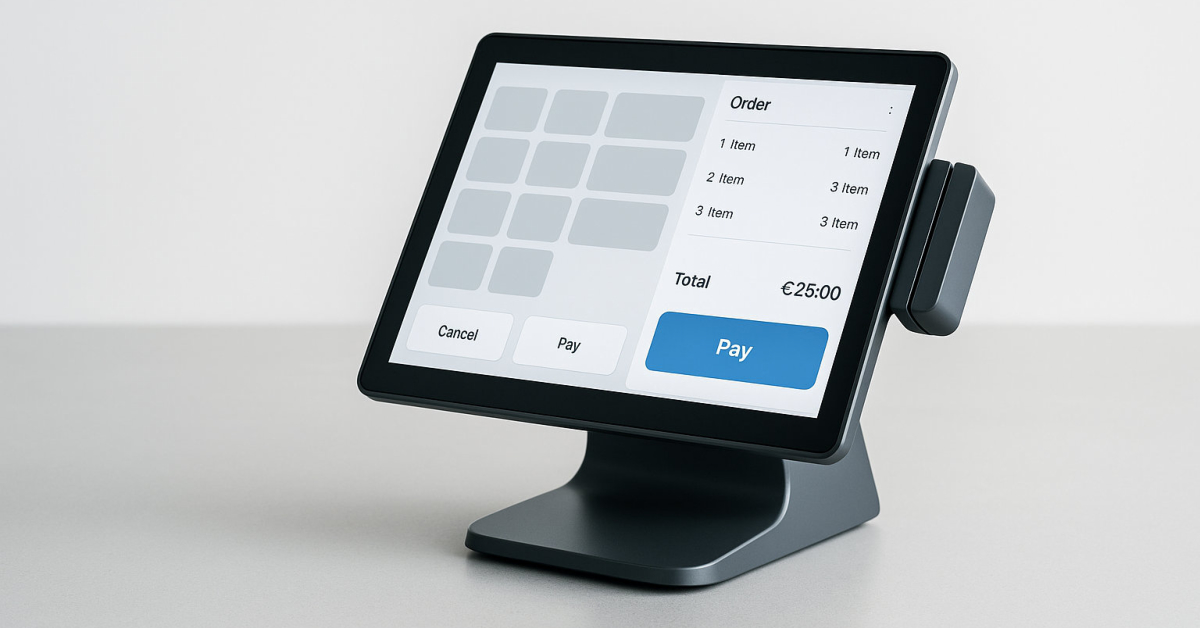
A point-of-sale (POS) system is more than just a cash register; it is the heart of restaurant operations. It processes transactions, manages inventory, tracks sales data, and supports customer management. Understanding these core functionalities helps in maximizing efficiency within your establishment. Cloud-based POS systems have revolutionized how restaurants manage their daily operations by providing real-time data access and seamless integration with other digital tools.
Cloud-based POS systems offer numerous benefits, including scalability, flexibility, and cost-effectiveness. They eliminate the need for extensive hardware installations and allow easy updates without disrupting business operations. With cloud technology, you can monitor sales trends and inventory levels from anywhere, ensuring you stay informed about your business performance at all times. This remote accessibility is particularly beneficial for multi-location restaurants that require centralized management capabilities.
By choosing a cloud-based solution, you also enhance data security through encrypted transactions and secure storage options. This level of protection builds customer trust and ensures compliance with industry regulations. As you consider integrating your POS system with an eCommerce platform, these benefits play a crucial role in facilitating smooth and secure online transactions.
Modern POS systems also incorporate advanced analytics capabilities that provide valuable insights into customer behavior patterns, peak business hours, and menu item performance. These analytics tools enable restaurant owners to make data-driven decisions about staffing levels, inventory management, and menu optimization. By analyzing transaction data, you can identify which dishes are most profitable, which combinations are frequently ordered together, and which promotions generate the highest return on investment. This level of detailed analysis was previously unavailable to restaurant operators but has become instrumental in driving business growth and operational efficiency.
Maximizing eCommerce potential for restaurants
The rise of digital technology has paved the way for restaurants to tap into the growing trend of online ordering and delivery services. This shift in consumer behavior presents an incredible opportunity to increase sales and reach new audiences who prefer the convenience of ordering from their devices. Embracing eCommerce platforms allows you to offer diverse services such as takeout, delivery, or even meal kits directly to your customers’ doorsteps.
Expanding your restaurant’s reach through eCommerce platforms involves creating an appealing digital storefront that showcases your menu offerings while providing an intuitive ordering experience. This not only attracts new customers but also enhances loyalty among existing patrons who appreciate seamless interactions. By leveraging eCommerce solutions effectively, you open up avenues for personalized marketing campaigns based on customer preferences and order history.
To make the most of these opportunities, ensure that your online presence aligns with your brand identity and offers consistent messaging across all channels. Integrating social media marketing strategies can further amplify your reach by engaging directly with your audience where they spend most of their time online.
Another crucial aspect of maximizing eCommerce potential is implementing a robust online menu management system. This system should allow for real-time updates to reflect availability, pricing changes, and special offers. Dynamic menu management ensures customers always see accurate information, reducing the likelihood of order cancellations or customer disappointment. Additionally, featuring high-quality food photography and detailed item descriptions can significantly impact online ordering decisions, as customers rely heavily on visual cues when making purchase decisions in the digital space.
Steps to integrate systems effectively
Integrating your POS system with an eCommerce platform begins with assessing your current setup’s capabilities. Understanding what features are available will help identify gaps that need addressing before proceeding further. Evaluate whether your existing system supports integration or if upgrades are necessary to facilitate seamless connectivity between different software components.
Choosing the right eCommerce platform involves considering factors such as ease of use, scalability options, and compatibility with both mobile devices and desktop browsers alike. Prioritize platforms offering robust support services so any technical issues can be resolved promptly without affecting customer experiences negatively.
Ensuring seamless data synchronization is vital when integrating these systems; it guarantees accurate order processing without delays caused by manual entry errors or discrepancies between databases. Automating routine tasks like updating inventory counts or generating sales reports frees up valuable time for staff members who can then focus on delivering exceptional service instead.
Testing is a critical phase of the integration process that should never be overlooked. Before launching the integrated system, conduct thorough testing across multiple scenarios including high-volume ordering periods, special modifications to orders, and various payment methods. This testing phase should also include stress testing to ensure the system can handle peak loads during busy periods such as holidays or special events. Creating a detailed testing protocol and maintaining a log of issues encountered helps identify potential problems before they impact actual customers, ensuring a smoother transition when the system goes live.
Improving customer experience through integration
Integration leads to improved customer service by enabling personalized interactions tailored specifically towards individual preferences based on previous orders or loyalty program participation levels tracked via integrated systems. Customers appreciate personalized experiences that make them feel valued by offering tailored promotions or discounts relevant only to them based on past purchases.
Mobile ordering capabilities enhance convenience by allowing customers to place orders from their smartphones at any time they choose without waiting in line at physical locations during peak hours—this flexibility increases satisfaction levels significantly among busy consumers seeking quick solutions when hunger strikes unexpectedly throughout their day-to-day activities.
Loyalty programs integrated within these systems incentivize repeat business by rewarding frequent diners accordingly; this fosters brand allegiance over time through ongoing engagement efforts designed around nurturing long-term relationships rather than one-off interactions alone—which ultimately boosts lifetime value per customer acquired initially through strategic marketing initiatives aimed at building rapport gradually over successive touchpoints encountered along each journey toward becoming loyal advocates themselves eventually down line as well!
Frequently Asked Questions
What is a POS system, and why is it important for restaurant growth?
A Point-of-Sale (POS) system is the main hub for a restaurant’s daily business. It does more than just handling payments; it manages inventory, tracks sales, and collects important customer data. Using a modern POS system is key to making operations more efficient and helping a restaurant sell more.
How do cloud-based POS systems benefit multi-location restaurants?
Cloud-based systems are a game-changer because they allow restaurant owners to manage sales and inventory from anywhere. For multi-location restaurants, this means you can gather and check real-time data from all stores in one central place. This remote access helps to keep all locations running smoothly and consistently.
What are the main benefits of linking a restaurant’s POS with its eCommerce platform?
Integrating these two systems allows for correct and fast handling of online orders. It means inventory counts update automatically, and there is no need for staff to manually enter online orders into the POS. This direct link increases sales, lowers mistakes, and offers a better, faster ordering experience for customers.
How does data synchronization guarantee accurate online order processing?
Seamless data synchronization is vital because it makes sure the POS and the eCommerce site always have the same information. If a menu item sells out online, the POS updates the inventory right away to prevent overselling or customer letdown. This real-time update is critical for avoiding delays and errors in order fulfillment.
How can a restaurant use its POS data to optimize its menu?
Modern POS systems offer deep analytics on sales trends and customer choices. By looking at this data, you can determine which dishes are the most profitable, which items are often ordered together, and which are not popular. This process helps restaurant owners make smart, data-driven decisions to adjust the menu and pricing for maximum benefit.
Is it true that moving to a cloud-based POS system requires a lot of expensive new hardware?
This is a common misconception. Cloud-based POS systems actually reduce the need for extensive hardware installation because the software lives online, not on a local server. You can often run the system on existing tablets or other simple devices, making it a more cost-effective and flexible solution.
What key factors should a restaurateur look for when choosing an eCommerce platform for integration?
The main things to consider are how easy the platform is to use, how well it can grow with your business (scalability), and how well it works with your existing POS. Look for platforms that offer strong customer support and are compatible with both mobile phones and desktop computers to ensure a seamless ordering flow.
Besides taking orders, how else does integration improve customer experience?
Integration allows for personalized marketing and better loyalty programs. When the systems talk, you can track a customer’s history to offer special discounts or promotions just for them. This level of personalization makes customers feel valued and encourages them to order from you again and again.
What is one of the most practical first steps a restaurant should take before beginning the system integration process?
Before any technical work, you should stress test your existing POS to see its limits and features. You need to know if the system can handle the expected high volume of online orders and if it already has features built for successful integration. This honest assessment helps identify any needed upgrades before you start.
Why is thorough testing so important right before launching the integrated POS and eCommerce system?
Testing is very important because it finds issues before they harm the customer experience. You must test under various scenarios, such as high-volume periods, different payment methods, and complicated order changes. This detailed testing protocol assures the system is reliable and ready for busy periods, which builds customer trust.
