




Key Takeaways
- Apply variable reward schedules to your customer programs to outperform competitors who rely on predictable, boring incentives.
- Build a structured progression system using milestones and badges to guide users through a clear path from beginner to expert.
- Design your platform features to respect human psychology by helping users feel a sense of personal growth rather than just making them scroll.
- Focus on the thrill of discovery because the brain reacts more strongly to the possibility of a reward than the reward itself.
Every time you swipe through your phone, something fires in your brain, and you don’t even feel it happening – but the platforms know exactly what they’re doing.
According to Mordor Intelligence, the gamification market surpassed the $15 billion milestone, and that kind of money tells you everything you need to know about how well this stuff works.
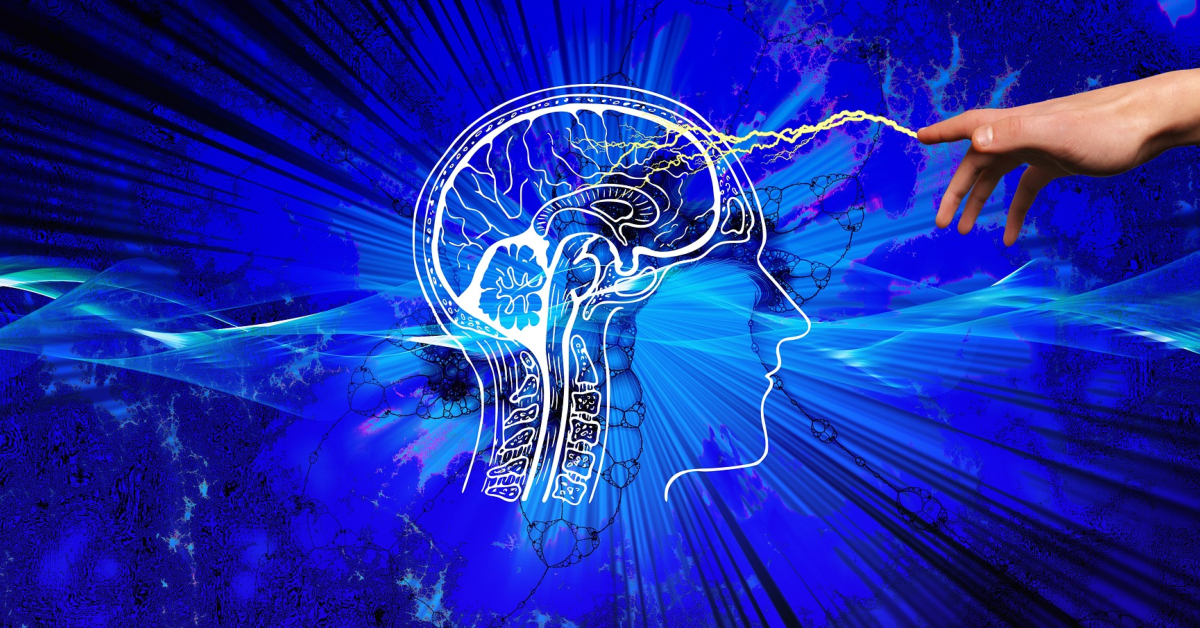
But the thing is that tech companies borrowed their playbook from behavioral psychology research that dates back to the 1940s. The core finding was straightforward: unpredictable rewards generate stronger responses than predictable ones. Your dopamine system works the same way – it doesn’t respond to rewards themselves, but to the possibility of maybe getting one.
Random Rewards Beat Guaranteed Ones
So, when you scroll through TikTok, you’re actually experiencing a sophisticated reward system in action. A 2024 study in the journal Topoi called social media platforms “attentional scaffolds” that work on similar engagement principles, and the research found that random rewards fire up dopamine circuits in ways that predictable ones simply can’t match. You scroll past ten posts before finding something good, and that element of discovery is precisely what keeps you scrolling.
The data proves it works at scale – gamification boosts customer engagement by up to 50% and increases app retention by 30-50%, while companies using such techniques report profits seven times higher than those that don’t. Yet, we’re not talking about some small gains here – this stuff fundamentally changes how businesses grab and hold your attention.
Variable reward schedules tap into a quirk in brain chemistry that researchers have documented extensively. Research published in Neuropsychopharmacology showed that near-wins trigger dopamine release through D2 receptors, which means “almost succeeding” feels a lot like actually succeeding. The same thing happens online when your post gets five likes instead of the hundred you wanted – your brain reads that as getting close, so you post again.
Where Gaming, iGaming, and Tech All Connect
Loyalty programs, progress systems, and rewards based on achievements share common ground across the gaming and iGaming industries – and tech companies have been paying close attention. A 2024 PwC iGaming study found that gamified casino loyalty programs bring 30-40% bigger engagement than regular ones, showing just how effective well-designed reward structures can be.
Competitive gaming runs on similar foundations, with the global esports market projecting nearly $3 billion in 2025 revenue and the betting market alongside it hitting $12.66 billion. But what really connects these fields is things such as variable reward timing, progress tracking, and leaderboards – they speak to that deep human need to level up, compete, and make progress.
Also, many platforms now look at casino reward systems as effective models worth studying – and players who look after privacy have discovered they can play online using crypto without linking their bank account, while choosing between thousands of games. Casino expert Wilna van Wyk has put together a list of the best Crypto Friendly Casino Sites for anyone seeking some safe options. These UK platforms support popular tokens such as Bitcoin and Ethereum, less popular altcoins, and even issue their own coins for real money play. Their reward structures demonstrate what tech companies learned works best: tiered progression, daily challenges, and varied bonuses that keep users coming back.
Streaks Tap into Your Fear of Loss
Duolingo didn’t dominate language learning by accident, since the app’s streak system got straight into loss aversion. So, once you’ve kept a 100-day streak alive, breaking it feels devastating, even though it means absolutely nothing in reality. Studies show people usually care more about keeping streaks than the actual activity behind them, and the habit reinforces itself without any outside push needed.
Fitness trackers and financial apps use the same approach to keep users engaged. The latest analysis found 89% of employees said gamification would make them more productive, which makes sense because people are after progress and recognition on a level that’s wired deep into how we work.
Personalization cranks these systems up even further by letting AI algorithms track individual user patterns and optimize exactly when and how rewards land. Every notification, badge, and bonus hits at the precise moment most likely to bring you back in, and this isn’t guessing – billions of data points refined this into personalized engagement.
Success Stories That Prove It Works
Some of the biggest brands out there have turned gamification into serious business results. Sephora’s Beauty Insider program now has more than 34 million members and has become a textbook example of how tiered rewards, exclusive perks, and community features can transform casual shoppers into loyal customers. So, their program combines points with experiential rewards, and it keeps people coming back because there’s always something new to unlock.
Starbucks took a very similar route with their rewards app, using all kinds of challenges such as Star Dash and some limited-time games to keep you engaged between purchases. Such programs have helped them skyrocket their customer retention rate way higher than the industry average – and not by accident. By turning coffee runs into a game of earning stars and hitting milestones, they’ve made loyalty feel less like a transaction and more like progress.
According to a new Euromonitor survey, 89% of customer interactions now happen online, and gamified loyalty programs that set rewards into apps and websites see the best results. The feeling around these programs runs extremely positive, with brands like Marriott Bonvoy launching interactive experiences such as “Travel Roulette” to keep you engaged between stays.
Attention Economy Keeps Growing
Tech started a race for your focus, and more than 70% of Fortune 500 companies now use some kind of gamification in their programs. Users who once felt satisfied with simple interfaces now expect progress bars, achievement badges, and personalized rewards as baseline features.
None of this shows any signs of slowing down. Mobile gamification platforms make up more than 55% of current adoption, and over 60% of users say real-time rewards significantly boost their motivation. But companies that pour money into all these systems recognized something simple, yet important: attention became a valuable resource in the online economy, and variable rewards remain one of the most effective ways to earn it.
Frequently Asked Questions
What is gamification and why do companies use it?
Gamification adds gaming elements like points, levels, and badges to non-game settings like shopping or learning apps. Companies use these tools because they trigger a dopamine release in the brain that makes users feel rewarded. This creates a powerful cycle where people return to the app or website more often to find that same sense of achievement.
How do variable rewards work in social media apps?
Variable rewards provide prizes at random times rather than on a set schedule, which is much more addictive for the human brain. You might scroll past several boring posts before seeing a funny video or a notification, and that “hit” of excitement keeps you searching. This unpredictable nature mimics the psychological pull found in slot machines and keeps your attention locked on the screen.
Why do digital streaks feel so important to maintain?
Streaks work by tapping into loss aversion, which is the human tendency to fear losing something more than we enjoy gaining it. Once you have a long streak in an app like Duolingo, the thought of losing that “score” feels like a personal failure. This psychological trick turns a simple daily task into a high-stakes habit that you do not want to break.
Is gamification the same thing as a loyalty program?
While they are related, gamification goes beyond traditional loyalty programs by adding interactive and competitive elements. A standard loyalty program might just give you a discount after ten purchases, but a gamified one uses progress bars and challenges to make the process feel like a game. This shift makes the customer feel like they are “leveling up” their status rather than just spending money.
Can gamification actually make employees more productive?
Yes, many studies show that gamified systems help employees feel more motivated by providing clear, instant feedback on their work. When workers see progress bars or earn digital badges for finishing tasks, it makes daily chores feel more satisfying and less like a grind. Research indicates that when these systems are used well, productivity and job satisfaction can rise significantly.
Are these psychological triggers harmful to users?
The impact of gamification depends on how it is used, but it can lead to excessive screen time or impulsive spending if not managed. While these tools help people learn languages or stay fit, they can also cause “app fatigue” or feelings of stress when a streak is lost. Understanding these triggers is the best way to enjoy the benefits of technology while staying in control of your habits.
What is the connection between iGaming and traditional tech apps?
Tech companies often study iGaming and casino reward structures because they are the masters of keeping players engaged. Both industries use tiered progression and daily bonuses to create a sense of constant growth and excitement. By looking at how modern crypto casinos reward players through challenges, tech brands can learn new ways to hold onto their own audiences.
How does personalization improve gamified systems?
Personalization uses AI to track your specific habits and deliver rewards at the exact moment you are most likely to respond. Instead of sending the same notification to everyone, the app might wait until you usually feel bored or active to send a “nudge.” This makes the experience feel tailor-made for you, which significantly boosts how much you interact with the platform.
What is a common myth about gamification?
A major misconception is that gamification is only for children or younger “gamers,” but data shows it works on almost everyone regardless of age. Adult consumers and professionals respond just as strongly to progress tracking and social competition as younger users do. Whether it is a luxury brand or a financial app, the desire for recognition and achievement is a universal human trait.
How can I apply gamification to my own business?
You can start by identifying one small action you want your customers to take and adding a visual progress indicator for it. Simple things like a “percent complete” bar on a profile or a small reward for a three-day visit can build early momentum. The key is to make the rewards feel earned and to provide immediate feedback so the user feels an instant sense of accomplishment.
