






What You’ll Learn
- Discover how using reinforced double-walled boxes and the H-taping method significantly reduces the high cost of international product returns.
- Master the step-by-step process of palletizing, shrink-wrapping, and weighing cargo to ensure structural integrity and avoid unexpected courier surcharges.
- Understand how utilizing waterproof flyer bags for non-breakable items saves your team time and reduces stress by lowering volumetric shipping rates.
- Identify why prioritizing sturdy functional packaging over aesthetic style prevents common transit damage caused by heavy machinery and shifting aircraft angles.
One of the biggest financial burdens for any business that ships internationally is the cost of returned goods damaged during transit.
This issue can be mitigated by using effective packing strategies to prepare your cargo for its journey.
When it comes to international shipping, your ultimate goals should always be saving money, avoiding costly customs delays, and ensuring your products arrive in tip-top condition. While there are key steps your business can take to prepare your shipments for successful transit, opting to ship internationally with PACK & SEND or other trusted and reliable courier companies will leave you with the peace of mind that your products are safely on their way.
Proper Preparation
Before sending off any shipment, it is crucial to ensure your products can withstand the pressures of international shipping. First, ensure your goods can be stacked. In many cases, your items will be shipped with a wide range of other items, and both must be protected regardless of how they are packed into shipping containers.
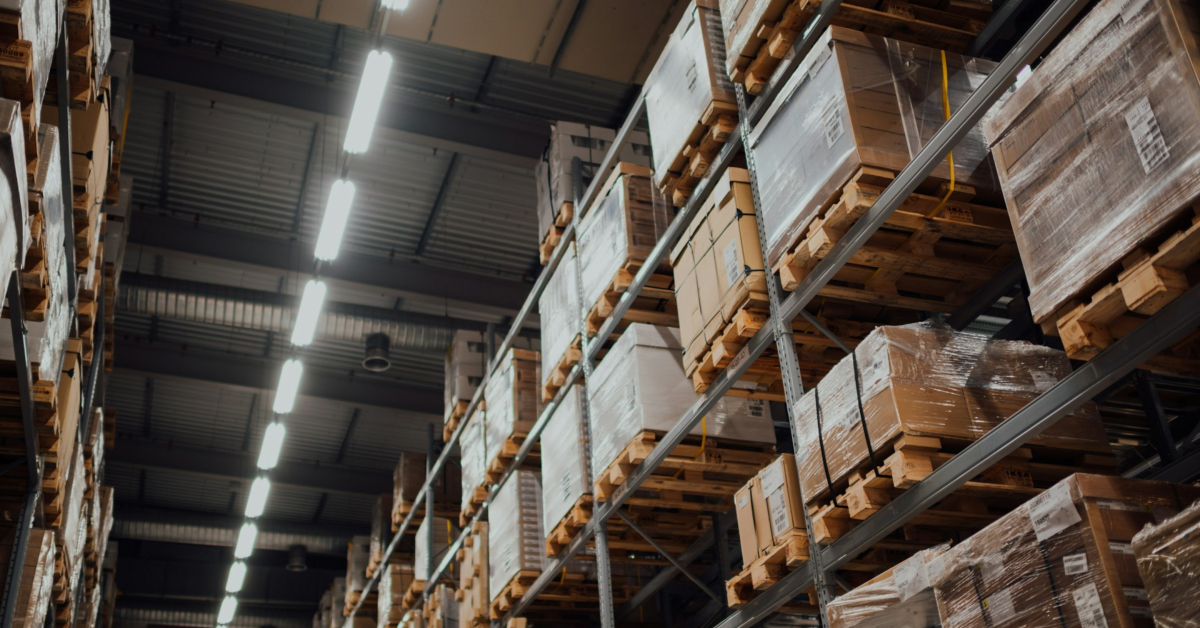
Your goods will likely be handled by machinery, such as forklifts, to continue on their journey. Ensure your products are packaged correctly and ready for safe handling at all times. Items travelling by plane will experience tilting, which is most pronounced during takeoff and landing, while shipments by sea must be packed to withstand ocean motion. Finally, if you intend to send your products by road, the packaging you select must sufficiently protect against the shocks and vibrations experienced during transportation and handling.
The Right Packaging
When sending parcels internationally, it is extremely important to never underestimate the value of proper packaging. Investing in reinforced or double-walled parcel boxes should be the new standard for your company. The additional protection it offers makes it a valuable investment and is a simple but highly effective way to minimize damage during transit.
The double layers of corrugated cardboard can protect a wide variety of goods and are available in a range of sizes and weight capacities, making them a strong option for any business looking to mitigate the risk of returns.
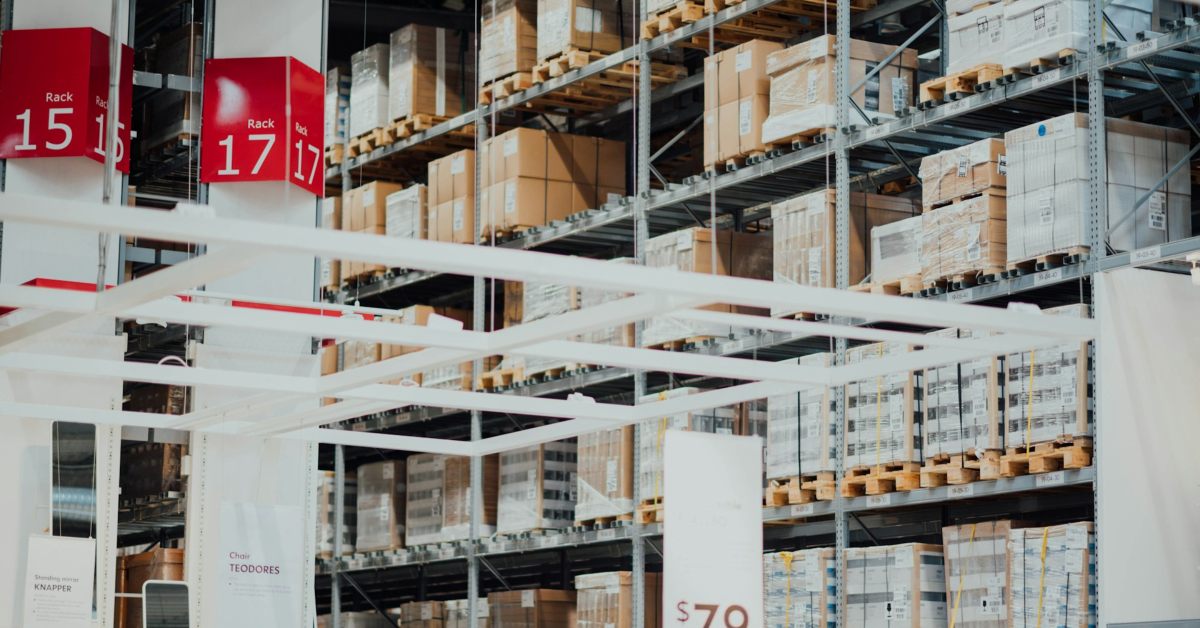
For larger goods, consider palletizing or crafting your goods. This step will help to improve the overall structural integrity and security of larger, heavier items, better preparing them for shipping. For these boxed and palletized goods, go one step further and shrink-wrap or strap your goods together. Not only will it remain a single, sturdy structure, but shrink wrap will also help protect it from rain and other environmental factors.
Alongside selecting the correct parcel boxes and packaging techniques, you also need to ensure you choose the right internal packaging and taping. Using options like packing peanuts and air cushions is an effective way to fill empty spaces in boxes, preventing items from shifting during transit. However, larger goods need much more substantial internal packaging to minimize unused space and prevent shifting.
Secure all box edges using the H-taping method, which ensures the seals and edges are tightly secured with high-quality packaging tape. Using cheap or low-quality tape can cause boxes to come loose, compromising their protection.
Weight Matters
It is vital to remember to weigh your items after packaging. Even if you know your products’ dimensions, packaging will inevitably add bulk that must be accounted for. Incorrect weights could result in unexpected and unwanted additional charges.
Additionally, for soft, non-breakable items such as clothing or soft toys, consider using waterproof flyer bags instead of bulky boxes. They will reduce your volumetric weight, which couriers use to calculate pricing for your shipments.
Function Over Style
There are many packaging solutions that look aesthetically appealing but don’t provide the necessary protection. Softer options, including rustic yet chic baskets and sacks, are increasingly popular across many industries. While your customer may appreciate the delivery style, it will mean little if the item is damaged or broken.
If you are considering softer or more ornate packaging options, it is crucial to ensure they protect your products from damage, tampering, and theft. If you have the capital, consider shipping products in sturdy packaging to an interim destination. From here, they can be packed into softer, stylish, yet protective solutions closer to their final destination. Visually-appealing packaging is a major component of a successful business, but it should never be more important than the safety and protection of your products.
Prioritize Paperwork
Your shipment could be packed like a pro but still be held at customs if your documentation is incomplete or incorrect. All international shipments must include an accurate, legible shipping label and a completed commercial invoice.
The shipping label provides the information customers need to know where your parcel is coming from and where it is going. Commercial invoices are mandatory legal documents used in international trade that declare the value, contents, and parties involved in shipments crossing international borders. Use a waterproof shipping sleeve or cover your printed labels with clear tape to protect them from water damage.
Frequently Asked Questions
Why is the H-taping method considered the gold standard for international shipping?
The H-taping method involves sealing all open seams and edges of a box to create a reinforced barrier against pressure. This specific technique prevents the flaps from wingspreading or tearing when the parcel is stacked under heavier items in a shipping container. Using high-quality tape with this method ensures the box remains structural even during rough handling by forklifts.
How does volumetric weight affect the total cost of my international shipments?
Couriers calculate shipping prices based on the amount of space a package occupies rather than just its physical weight on a scale. If you use a large box for a light item like a sweater, you will pay a premium for the “empty air” inside that box. Switching to waterproof flyer bags for soft goods is an immediate way to reduce this volume and lower your overall logistics expenses.
What is the biggest danger to goods traveling by sea versus air?
Shipments traveling by sea must be packed to survive “ocean motion,” which involves constant swaying and potential moisture from humidity or salt spray. Air travel presents different challenges, specifically the steep tilting angles during takeoff and landing that can cause loose items to slide and crush one another. For both methods, using shrink wrap and internal padding like air cushions is vital to keep products stationary.
Why shouldn’t I use decorative packaging like baskets for the main transit?
While rustic baskets or sacks look beautiful to the customer, they offer almost zero protection against the vibrations and shocks of road transportation. These soft materials can be easily punctured, crushed, or even tampered with during the many handoffs between international couriers. A better strategy is to ship goods in sturdy boxes to a local hub and then swap into stylish packaging for the final mile of delivery.
Is it a myth that double-walled boxes are an unnecessary expense for small items?
It is a common misconception that smaller items are safer, but they are often tossed into larger bins where they can be crushed by heavier freight. Double-walled corrugated cardboard provides two layers of protection that act as a shock absorber for your products. This small upfront investment in better materials is significantly cheaper than the cost of processing a single damaged return.
What specific documents are required to prevent customs delays?
Every international shipment must have an accurate shipping label and a detailed commercial invoice that declares the exact value and contents of the package. If these documents are missing or hard to read, customs officials may hold your cargo for weeks, leading to unhappy customers and extra storage fees. Protecting these papers in a waterproof sleeve ensures that barcodes remain scannable regardless of weather conditions.
How do I protect large or heavy machinery during long-distance transit?
Heavy or oversized goods should be palletized or placed in custom crates to provide a stable base for mechanical handling by forklifts. You should go one step further by using metal or plastic strapping to anchor the item to the pallet so it cannot shift during transit. This creates a single, sturdy unit that is much easier for transport workers to move safely without damaging the product.
What is the most effective way to fill empty space inside a shipping box?
Using lightweight internal packaging like packing peanuts or air cushions fills the “voids” and prevents your items from bouncing against the walls of the box. For heavier items, you need more substantial bracing, such as molded foam or heavy-duty cardboard inserts, to keep the item centered. Eliminating empty space is the best way to ensure your product arrives in the same condition it left your warehouse.
Why is it important to weigh a package after it has been fully packed?
Pre-calculated weights of just the product are often inaccurate because heavy-duty boxes, pallets, and internal padding add significant bulk. If your listed weight is incorrect, couriers may hit you with unexpected “correction fees” that eat into your profit margins. Always use a calibrated scale for the final, fully-sealed package to ensure your shipping quotes remain accurate and predictable.
What should I do if my items are still arriving damaged despite good packaging?
If damage persists, you should audit your internal packing process to see if items are shifting inside the box or if the tape is failing. You may also need to switch to a more reliable courier like PACK & SEND that specializes in handling fragile or complex international shipments. Sometimes the issue is not the box itself, but the lack of proper cushioning between two different components inside the same package.
