






Key Takeaways
- Improve your brand’s reputation and win customer loyalty by ensuring your packaging feels as premium as the product inside.
- Inspect your packaging at every step from the initial design layout to the final handoff to catch small errors before they scale.
- Respect your customer’s time and effort by creating a box that is easy to open without using excessive force or tools.
- Hand your packaged product to a stranger and watch them open it to quickly find hidden frustrations you might have missed.
You can build a great product and still lose customer trust if the packaging fails.
Crushed boxes, loose seals, and crooked labels get noticed immediately. Even when the product survives the journey, the experience leaves a lasting impression. Customers may not always complain, but they remember how it felt to open that box.
That first moment shapes how people see your brand, whether you intend it or not. Packaging that looks careless can raise doubts about what’s inside, while packaging that feels thoughtful sets expectations before the product is even touched.
That’s why spotting packaging problems early is crucial. Fixing issues before shipping protects your product, reduces returns, and strengthens consumer confidence. Most packaging failures are preventable if you know where to look and when to act.
What “Bad Packaging” Really Means
Bad packaging goes beyond dents and tears. It includes anything that affects safety, function, or perception. A box that opens too easily is a problem. So is one that requires scissors, brute force, and a moment of self-reflection to open. Labels that peel off, instructions that smear, or inserts that slide around freely all count as failures.
You also need to think about how packaging feels to the customer. Does it look rushed? Does it feel flimsy or overbuilt? Does it protect the product without making the customer feel like they’re defusing a small device? If packaging frustrates or disappoints, customers blame the brand, not the carrier.
There’s also the issue of mismatch. A premium product wrapped in thin, noisy plastic sends mixed signals. Overly bulky packaging for a simple item can feel wasteful and out of touch. When packaging doesn’t match the product’s value or purpose, customers notice the disconnect immediately.
When you define bad packaging clearly, you start spotting issues others may overlook.
Identify Warning Signs During the Design Stage
Many packaging failures begin with design assumptions that don’t hold up once ideas leave the screen. These warning signs often appear early, long before materials are selected or production begins.
- Overly precise structures: Designs that rely on tight folds, sharp corners, or exact alignment leave little room for natural variation during assembly or use.
- Minimal tolerance for movement: Closures or flaps that barely overlap may look sleek but offer no buffer when the package is handled repeatedly.
- Layouts that assume perfect execution: Edge-to-edge labels or crowded graphics can fail if placement shifts even slightly, creating visual flaws before shipping ever starts.
- Designs that ignore repeated interaction: Packaging meant to be opened more than once can weaken quickly if the structure wasn’t designed with reuse in mind.
When these warning signs show up in early packaging designs, they’re easier and cheaper to fix. Addressing them at this stage helps prevent problems that would otherwise surface later, when changes become more costly and disruptive.
Catch Problems During Material Selection
Materials do more than hold shape. They control strength, durability, and consistency across every unit. Even when the structure is sound, material behavior can introduce failure points. Thin board may buckle, while low-quality film may tear. Even materials that seem reliable can fail when they’re used outside their intended limits.
Many material issues come from overlooking how components interact once assembled. Coatings, finishes, and surface textures can affect how parts hold together over time, especially at seams and closures. These compatibility gaps may not show up in early samples but can lead to uneven performance as volumes increase.
When packaging fails, the problem isn’t always the box or wrap. Often, it’s bond failure. Weak seals break under heat, vibration, or long storage times. This is where packaging adhesives become critical. The right adhesive keeps flaps closed, labels intact, and layers aligned from the warehouse to the customer’s hands. When you work with trusted suppliers who understand load stress and surface compatibility, you reduce failures without changing your entire package design.
Material choices should reflect real packaging demands, not just cost targets or best-case assumptions.
Inspect Packaging During Production Runs
Production is where small issues become big ones very quickly. A slight misalignment, uneven adhesive application, or inconsistent fold can affect thousands of units before anyone notices.
This is where consistent quality control matters. Checks don’t need to be complicated to be effective. Look for loose seams, wrinkled labels, uneven folds, or seals that don’t fully close. Pull samples at different points during the run, not just at the start when everything is fresh.
It’s also worth listening to the people running the machines. Operators often notice issues early, like materials feeding poorly or seals behaving differently on humid days. These observations are valuable, but they only help if someone asks and acts on them.
Catching problems during production keeps defects from reaching customers and saves time spent dealing with returns and complaints later.
Close the Gap Between Production and Handoff
Before packages leave the facility, it’s important to review how finished units are staged and prepared for outbound pickup. Even well-made packaging can be compromised if boxes are overfilled on carts, stacked unevenly in staging areas, or rushed through loading. These issues aren’t design failures but handoff problems, the kind that happen when speed wins over patience.
A brief, consistent check at this stage helps ensure packaging integrity is preserved through the final internal touchpoint. Addressing handling practices here prevents avoidable damage before shipments ever enter the carrier’s system.
Test Packaging Under Real Shipping Conditions
Lab tests are helpful, but they don’t tell the full story. Real shipping involves vibration, stacking pressure, temperature changes, and handling that varies depending on distance and mode of transport. These variables expose weak points quickly.
This is even more critical for ecommerce packaging. Individual boxes go through more drops, conveyor transfers, and manual handling than palletized shipments. Every handoff increases the chance of failure.
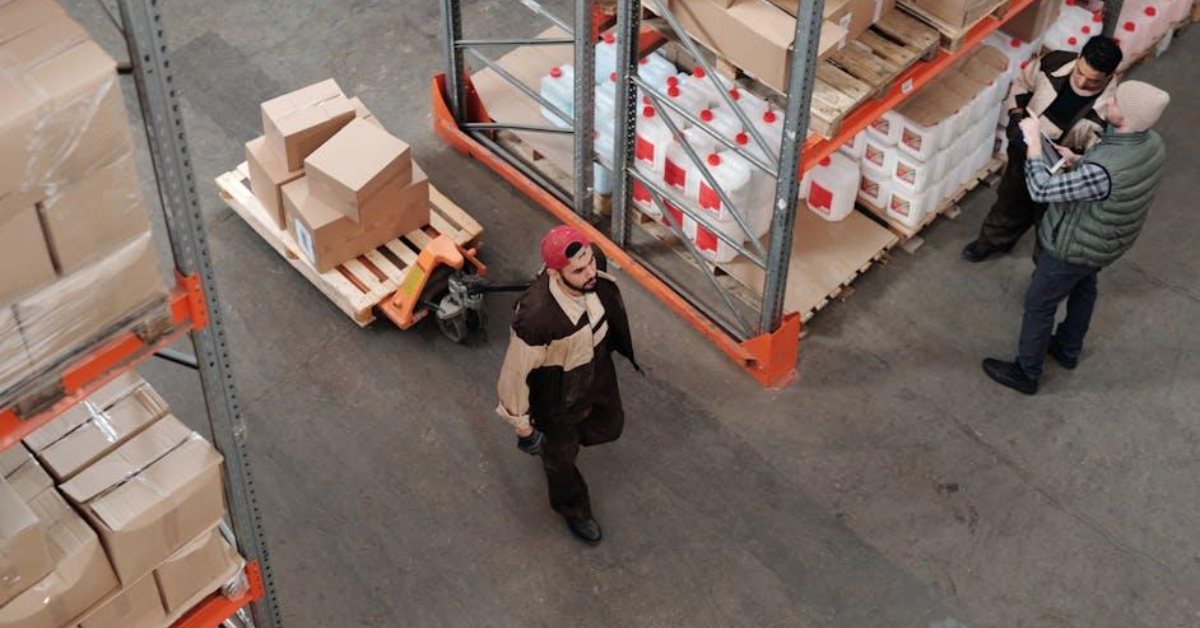
To test packaging realistically, it helps to recreate actual shipping conditions as closely as possible. That means stacking boxes the way carriers do, moving them through multiple handling cycles, and storing them briefly in both warm and cool environments. Afterward, open each package and inspect everything, not just the product itself.
Look for subtle issues like seals loosening slightly, internal components shifting, or printed surfaces scuffing. These early warning signs may not cause immediate damage, but they tend to show up repeatedly as volumes increase.
Pay Attention to the Unboxing Experience
Protection isn’t the only job packaging has. The moment a customer opens the box matters more than many brands expect. Confusing layouts, excessive tape, or unclear instructions can turn a good product into a frustrating experience.
If customers hesitate, struggle, or worry about damaging the product while opening it, something isn’t working. Packaging should guide the customer, not challenge them. Clear opening points, readable instructions, and logical layering all help reduce friction.
This doesn’t mean packaging needs to be elaborate. It needs to be thoughtful. A small pull tab, clearer labeling, or better placement of inserts can make a noticeable difference.
A simple test is to hand the package to someone unfamiliar with the product and watch them open it. If they pause, turn it upside down twice, or sigh, you’ve found something worth fixing.
Fix Packaging Issues Before They Scale
Not every packaging problem requires a full redesign. Once issues are identified, the next step is deciding how to fix them without creating new risks.
Start by ranking problems based on impact. Does the issue affect safety? Does it damage the product? Does it confuse the customer or slow fulfillment? High-risk issues should be addressed first, even if the fix takes more time.
Small changes often deliver big improvements. Strengthening a seal may eliminate multiple failure points at once. Adjusting label size or placement can improve readability without affecting production speed.
When packaging performs as intended, there’s less need to add extra fillers or protective layers to compensate. That reduction in excess materials supports sustainable packaging without sacrificing protection.
Build a Feedback Loop to Prevent Repeat Problems
Packaging improvement doesn’t stop after shipping. Returns, reviews, and support tickets all contain useful information, even when customers don’t mention packaging directly.
Patterns matter more than individual complaints. When feedback is tracked across the supply chain, recurring issues become easier to spot and address before they turn into larger failures.
It also helps to document what changed and why. When teams understand the reason behind adjustments, they’re less likely to undo them later or repeat earlier errors.
Over time, fewer failures lead to less waste, reduced reprints, and lower reshipments. Those improvements support more responsible packaging practices without requiring sudden or disruptive changes.
Frequently Asked Question
How do you tell the difference between a packaging issue and a shipping issue?
Look for patterns. If damage or defects appear consistently across different carriers or routes, the issue likely lies with the packaging itself. If problems spike with a specific carrier or handling step, shipping practices may be the cause. Identifying where failures repeat helps narrow the source quickly.
How often should packaging be reviewed or retested?
Packaging should be revisited whenever materials, suppliers, product weight, or distribution channels change. Even without major updates, periodic reviews help catch gradual issues that don’t show up right away, especially as volumes increase or handling conditions shift.
Is stronger packaging always better?
Not always. Overbuilt packaging can increase costs, frustrate customers, and create unnecessary waste. Effective packaging uses only what’s needed to protect the product and deliver a clear, easy experience without excess.
Can packaging improvements really reduce returns?
Yes. Packaging that protects products consistently and communicates clearly helps prevent damage, confusion, and customer dissatisfaction. Fewer returns mean lower costs, less waste, and a smoother experience for both customers and internal teams.
Final Thoughts
Packaging is the first physical promise you make to customers. When it fails, trust slips quietly but quickly. When it works, it fades into the background and lets the product do its job.
By spotting issues early and fixing them fast, you avoid bigger problems later. You save money, reduce waste, and strengthen brand loyalty.
Strong packaging ensures products reach customers in the condition you intended. That reliability is what keeps them coming back.
Author Bio: Melissa Mello is a content writer who covers operations and logistics topics with a focus on real-world application. She helps businesses understand where small decisions can create big impacts, especially across the supply chain and customer experience.
Frequently Asked Questions
Why does packaging design often fail when it moves from a screen to real life?
Digital designs often look perfect because they do not account for physical variables like paper thickness or machine folding errors. When a design relies on tiny margins or exact alignment, even a tiny shift during assembly can make the final product look crooked or unprofessional. Testing physical prototypes early helps you find these hidden structural flaws before you order thousands of units.
Is it a myth that using more tape and padding always makes a package safer?
Using excessive materials is actually a sign of poor design and can frustrate your customers. Over-packing can put internal pressure on the box seams, making them more likely to burst during temperature changes or rough handling. The most effective protection comes from a snug fit and the right adhesive, not from burying a product in layers of plastic and tape.
How can I tell if my packaging material is too thin for my product weight?
You should look for “buckling” or bowing in the middle of the box when it is stacked under other items. If the walls of your container start to bend, the weight of the items above is being supported by your product instead of the packaging exterior. Upgrading to a thicker board or a different flute size in your cardboard can prevent the crushing that ruins the customer experience.
What is the best way to test how my boxes will handle actual shipping?
You can perform a “real-world” test by shipping several versions of your package to friends or employees in different zip codes using various carriers. When the boxes arrive, do not just check if the product is broken; look for scuffed ink, peeling labels, or loose seals. This practical experiment shows you exactly how your materials hold up against the vibration and drops of a standard delivery route.
Why are packaging adhesives more important than the box material itself?
The strongest box in the world will still fail if the glue holding the flaps together gives way during a long journey. Adhesives must be compatible with the surface of your box, especially if you use glossy coatings or recycled materials that are harder to bond. A weak seal allows dust and moisture to enter, which can damage the product inside even if the box looks intact.
How do I identify a “handoff” problem versus a design failure?
If your boxes look perfect when they are finished but arrive at the warehouse with crushed corners, the issue likely happens during internal moving or loading. This usually means workers are stacking items too high on carts or shoving them into delivery trucks too quickly. Fixing this requires better staff training on handling practices rather than a total redesign of your packaging.
What simple change can I make to improve the unboxing experience?
Adding a small pull tab or a clearly marked “tear here” strip can instantly make your brand feel more thoughtful and premium. If a customer has to go find a knife or scissors just to open your box, you have created a moment of friction and potential danger. Making the opening process intuitive ensures the customer starts their journey with your product in a positive mood.
Does humid weather really affect how my packaging performs?
Moisture in the air can soften paper fibers, making cardboard boxes significantly weaker and more likely to collapse in a stack. If you store your materials in a warehouse without climate control, you may notice more damage during the summer months or in tropical regions. Using moisture-resistant coatings or choosing synthetic materials can help keep your packaging rigid in all environments.
Why should I listen to machine operators during a production run?
The people running the assembly lines are the first to notice if a material feels different or if a seal is not sticking properly on a certain day. They can identify patterns that a final inspection might miss, such as a machine getting too hot and warping the plastic wrap. Creating a feedback loop with your production team can save you from shipping thousands of defective units.
How does improving my packaging actually save my business money?
While better materials might cost more upfront, they significantly reduce the amount of money you lose on damaged returns and reshipping fees. Stronger packaging also allows you to use fewer internal fillers, which can lower the total weight of the box and reduce your shipping costs. Most importantly, a reliable delivery prevents the loss of repeat customers who might leave after one bad experience.
