





Quick Decision Framework
- Who this is for: Shopify merchants, DTC brand operators, and fashion ecommerce founders who want to understand how sustainable techwear and cyberpunk fashion are reshaping consumer expectations, product development, and online retail strategy.
- Skip if: You are looking for a sourcing directory or a technical materials guide. This article focuses on the strategic and commercial trends shaping this category, not supplier-level specifications.
- Key benefit: A clear picture of why sustainable techwear is outperforming fast fashion on both cultural relevance and long-term business fundamentals, and what that means for brands building in this space right now.
- What you’ll need: A general understanding of your current product positioning and customer demographics. No prior knowledge of techwear or cyberpunk aesthetics required.
- Time to complete: 12 minutes to read. Ongoing to apply, with immediate opportunities in product storytelling, materials sourcing, and community-driven marketing available within the first 30 days.
The brands winning in sustainable fashion are not the ones compromising between performance and responsibility. They are the ones who figured out those two things were never in conflict.
What You’ll Learn
- Why techwear’s durability-first design philosophy makes it structurally more sustainable than trend-driven fashion, and how that creates a long-term commercial advantage for brands building in this space.
- How cyberpunk aesthetics evolved from a niche subculture into a mainstream design language that is actively driving innovation in eco-conscious materials and manufacturing.
- Why ecommerce is the natural distribution channel for sustainable techwear, and how digital-native brands are using it to scale faster than traditional retail models ever allowed.
- How online communities are driving product development and brand loyalty in ways that no runway show or wholesale buyer relationship can replicate.
- What the next generation of smart textiles and circular production systems looks like, and which brands are already building toward it.
- Where the real obstacles to scaling sustainable techwear still exist, and what separates the brands solving them from the ones waiting for the market to catch up.
Fashion has a waste problem that no amount of recycled-cotton tote bags is going to solve. The industry produces tens of billions of garments annually, the majority of which are designed to be replaced within a season, worn a handful of times, and discarded into a supply chain that has almost no mechanism for recovering what it created. The environmental cost of that model is well documented. What is less discussed is the commercial cost: consumers, particularly those under 40, are increasingly unwilling to participate in it.
Sustainable techwear and cyberpunk fashion are not simply aesthetic responses to that problem. They represent a fundamentally different philosophy about what clothing is supposed to do and how long it is supposed to last. Techwear was built around performance from the beginning. Its materials are engineered for durability. Its design logic prioritizes function over novelty. Its customer base buys fewer pieces and expects each one to earn its place in a long-term wardrobe. That is not a sustainability marketing strategy. It is a product architecture that produces sustainable outcomes as a natural consequence of doing the job well.
For Shopify merchants and DTC operators paying attention, this convergence of aesthetic, values, and commerce represents one of the more durable positioning opportunities in fashion right now. Here is what is actually driving it.
Why Techwear’s Design Logic Is Inherently Sustainable
Techwear emerged from performance apparel: outdoor gear, military-influenced utility clothing, and urban functional design built for people who needed their clothes to work as hard as they did. The aesthetic that developed around it – modular garments, weather-resistant fabrics, tactical silhouettes, minimalist or cyberpunk design language – was a byproduct of engineering priorities, not a trend cycle. That origin matters because it means the sustainability credentials of techwear are structural, not cosmetic.
A garment designed to perform in extreme conditions for years is, by definition, not a fast fashion product. The materials are more expensive, the construction is more precise, and the expected lifespan is measured in years rather than seasons. That durability-first philosophy reduces environmental impact through a mechanism that sustainability marketing campaigns cannot manufacture: the product simply does not need to be replaced as often. Fewer replacement cycles mean less production volume, less textile waste, and less energy consumed across the full lifecycle of the garment.
This is the core commercial argument for techwear that goes beyond values signaling. A brand that sells one jacket a customer wears for five years is building a different kind of relationship than a brand that sells five jackets the same customer cycles through in the same period. The former creates the kind of deep product loyalty and word-of-mouth that paid acquisition cannot replicate. The latter is competing on price and trend velocity, which is a race most DTC brands cannot win against the scale of fast fashion incumbents.
Cyberpunk Fashion and the Aesthetics of Responsible Innovation
Cyberpunk as a cultural genre has always been preoccupied with the tension between technological advancement and its consequences. The irony of the current moment is that cyberpunk fashion, which once symbolized rebellion against dystopian systems, is now actively contributing to solutions for one of the most systemic problems those systems created.
Modern cyberpunk aesthetics – dark palettes, technical layering, futuristic silhouettes, hardware-influenced detailing – are increasingly being expressed through recycled materials, biodegradable fabrics, and energy-efficient manufacturing processes. Designers working in this space are not treating sustainability as a constraint on the aesthetic. They are treating it as an extension of the genre’s core identity: technology solving the problems that earlier technology created. That framing resonates deeply with the consumer base that gravitates toward cyberpunk fashion, which tends to be culturally literate, skeptical of greenwashing, and genuinely interested in the systems behind the products they buy.
This is a meaningful distinction for brands thinking about positioning. Sustainability messaging that feels tacked on to a product line as a marketing layer tends to generate skepticism from exactly the consumers most likely to care about it. Sustainability that is embedded in the design logic and material choices of the product, and communicated through the lens of innovation rather than sacrifice, lands very differently. Cyberpunk fashion gives brands a narrative framework for doing that authentically.
Ecommerce as the Accelerant for Sustainable Techwear Growth
Traditional retail was not built to support the kind of product storytelling that sustainable techwear requires. A garment with a complex materials story, a modular design system, and a five-year durability guarantee needs more than a hangtag and a shelf placement to communicate its value. It needs content, community, and a direct relationship with the customer who is going to care about those things. Ecommerce provides all three.
Digital-native brands in this space can produce smaller, demand-driven collections that reduce overproduction risk from the start. They can reach global niche audiences without the geographic constraints of physical retail. They can build educational content directly into the product page experience, explaining material sourcing, construction methods, and care instructions in ways that deepen customer confidence and reduce return rates. And they can use post-purchase communication through platforms like Klaviyo to build the kind of ongoing relationship that turns a first-time buyer into a long-term brand advocate.
The transparency that ecommerce enables is increasingly a commercial asset rather than just an ethical obligation. Consumers who can see exactly where a fabric was sourced, how a garment was manufactured, and what the brand’s end-of-life policy is for the product they are buying are making more informed decisions – and they are making those decisions in favor of brands that can answer those questions clearly. Brands that cannot are losing ground to those that can, regardless of price point.
Community-Driven Commerce and the Techwear Feedback Loop
One of the more underappreciated dynamics in the techwear and cyberpunk fashion space is the role that online communities play in shaping product development and brand direction. Unlike traditional luxury fashion, where trends are set by a small number of editors, buyers, and runway shows, techwear culture evolves through forums, Reddit threads, Discord servers, and the content created by independent reviewers who have spent years developing genuine expertise in materials and construction.
This community infrastructure creates a feedback loop that benefits brands willing to engage with it honestly. Products that perform well get detailed, credible reviews that carry significant weight with prospective buyers. Brands that source responsibly and communicate that sourcing transparently earn reputation capital that compounds over time. Brands that cut corners on materials or make sustainability claims they cannot support get called out with equal specificity. The community is, in effect, a continuous product and brand audit conducted by the most knowledgeable segment of the target market.
For Shopify merchants building in this space, the implication is straightforward: community engagement is not a marketing tactic, it is a product development resource. Listening to what the community values, what it criticizes, and what gaps it identifies in the current market is some of the most useful research available. Brands that treat community as an audience to broadcast at are missing the more valuable dynamic, which is the one where the community helps you build better products.
Brands Building the Future of Sustainable Techwear
The shift from niche subculture to scalable commercial category is being driven by a new generation of digital-first labels that have figured out how to combine performance design with responsible production values without treating either as a compromise on the other.
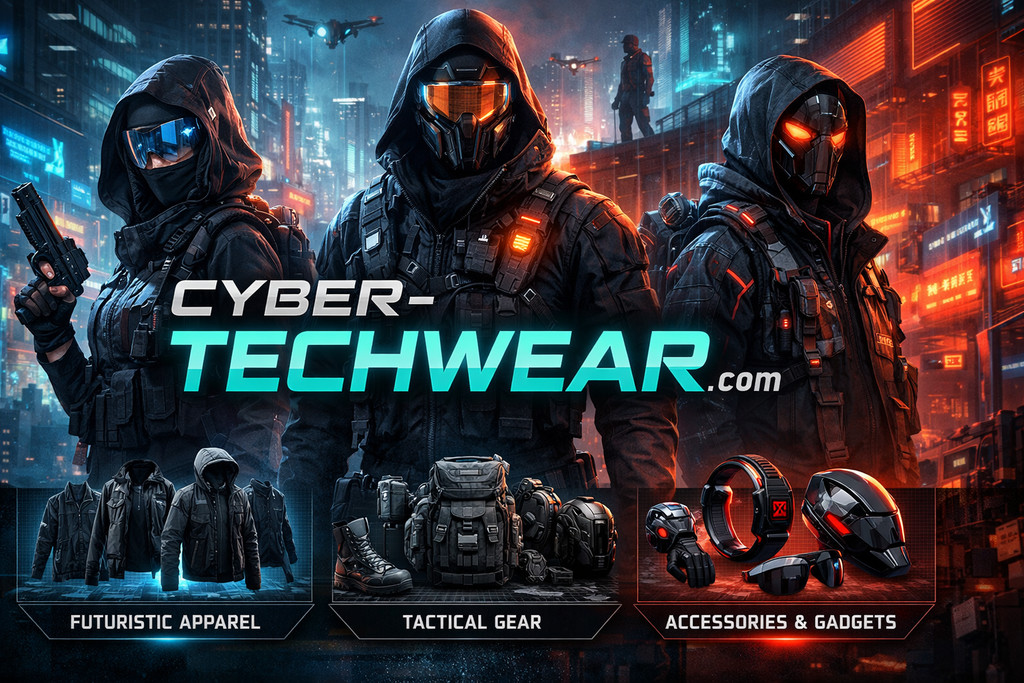
CyberTechwear™ is one of the online platforms at the forefront of this movement, focused on futuristic techwear and cyberpunk apparel built around high-performance materials and functional design. Collections in this space emphasize durability, versatility, and technical construction – qualities that reduce waste through longer product lifecycles rather than through sustainability messaging alone. High-tech fabrics and engineered garments deliver both comfort and longevity, demonstrating that environmental responsibility can emerge from better design rather than from reduced performance expectations.
What brands like these demonstrate commercially is that niche aesthetics can scale into global movements when the product is genuinely good and the storytelling is built around a real point of view. The customer who finds a techwear brand that speaks to their identity, performs to their standards, and aligns with their values does not shop around. That customer retention profile is the foundation of a sustainable business, in both senses of the word.
Materials Innovation Driving the Next Generation of Sustainable Fashion
The most consequential developments in sustainable techwear are happening at the materials level, and the pace of innovation is accelerating faster than most fashion industry observers expected even five years ago.
Recycled textiles made from post-consumer waste are now mainstream in performance apparel, with recycled polyester derived from plastic bottles appearing across price points from accessible to premium. Bio-engineered fabrics derived from plant sources or lab-grown materials are moving from experimental to commercial viability, with several brands already incorporating them into production collections. Circular production systems, including take-back programs and garment recycling initiatives, are extending product lifecycles beyond the point of first sale and creating new relationships between brands and customers around the concept of long-term stewardship rather than one-time transactions.
The alignment between these material innovations and the cyberpunk aesthetic is not coincidental. The genre has always imagined technology as the mechanism through which humanity solves the problems it created. Lab-grown textiles that replace petroleum-based synthetics, smart fabrics that adapt to conditions rather than being replaced by new purchases, and recycling systems that preserve material quality across multiple product generations are all expressions of exactly that vision. The science fiction is becoming the supply chain.
The Commercial Case Against Fast Fashion
Fast fashion’s business model depends on volume: high production runs, low per-unit margins, rapid trend cycles, and customers who replace their wardrobes frequently. That model works at scale for brands with the logistics infrastructure to support it. For the vast majority of Shopify merchants and DTC operators, competing on that basis is not a viable strategy. The brands that win in fashion ecommerce at the DTC level are almost always the ones that compete on meaning, quality, and community rather than on price and volume.
Sustainable techwear offers a clear alternative logic. Fewer SKUs with higher quality and longer lifespans. Higher average order values justified by genuine performance advantages. Customer relationships built around shared values rather than trend chasing. Lower return rates driven by products that meet or exceed expectations. And a marketing story that gets more compelling over time as sustainability moves from a niche preference to a mainstream expectation among the consumer demographics with the most purchasing power.
The transition from fast fashion to functional fashion is not primarily an environmental story, though the environmental case is real and significant. It is a business model story. The brands building around durability, technical performance, and responsible production are building around fundamentals that compound. The brands still competing on trend velocity and low prices are running on a treadmill that gets faster every year and rewards fewer participants.
What Comes Next: Smart Textiles and Circular Systems
The near-term future of sustainable techwear is already visible in the research labs and early-stage brands working at the intersection of materials science, wearable technology, and circular production design. Smart textiles capable of generating energy from movement, fabrics that adapt digitally to environmental conditions rather than being replaced by new purchases, and recycling infrastructure that preserves the technical properties of complex synthetic materials across multiple product generations are all moving from concept to commercial reality on timelines that are shorter than most people in the fashion industry expect.
For brands paying attention, the strategic implication is to build product and brand architecture now that is compatible with where the category is going. That means investing in materials relationships with suppliers working on next-generation textiles. It means designing products with end-of-life in mind from the beginning rather than retrofitting a recycling program onto a product line built without that consideration. And it means building the customer relationships and community infrastructure that will allow those future innovations to land with an audience that already trusts the brand and understands its values.
The cyberpunk vision of a technologically advanced future where innovation solves the problems that earlier innovation created is no longer science fiction. It is a product roadmap. The brands that treat it as such will be significantly better positioned than those that are still trying to figure out whether sustainability is a trend worth following.
Frequently Asked Questions
What is sustainable techwear and how is it different from regular performance apparel?
Sustainable techwear combines the functional design principles of performance apparel – weather resistance, modularity, durability, and technical construction – with materials and production methods that minimize environmental impact. The key difference from standard performance apparel is intentionality around the full product lifecycle. Sustainable techwear brands are making deliberate choices about recycled and bio-based materials, designing for repairability and longevity rather than planned obsolescence, and in many cases building take-back or recycling programs that extend the product’s useful life beyond the first owner. The sustainability credentials are embedded in the product architecture rather than added as a marketing layer, which is why they tend to hold up to scrutiny from the knowledgeable communities that follow this category closely.
Why is ecommerce better suited than traditional retail for selling sustainable techwear?
Sustainable techwear requires more storytelling than a physical retail environment typically supports. The value proposition of a garment made from recycled synthetics with a modular design and a five-year durability expectation cannot be communicated effectively through a hangtag and a shelf placement. Ecommerce gives brands the space to explain material sourcing, construction methods, care instructions, and end-of-life options in ways that build genuine customer confidence. It also allows demand-driven production that reduces overproduction waste, direct customer relationships that support post-purchase education and retention, and access to global niche audiences without the geographic constraints of physical distribution. For Shopify merchants specifically, the combination of content marketing, email flows through Klaviyo, and community-building tools makes ecommerce the natural home for this category.
How do cyberpunk aesthetics connect to sustainability in fashion?
Cyberpunk as a genre has always been preoccupied with the tension between technological advancement and its unintended consequences. The current expression of cyberpunk fashion – dark palettes, technical layering, hardware-influenced design details, futuristic silhouettes – is increasingly being realized through recycled materials, bio-engineered fabrics, and energy-efficient manufacturing. Designers in this space frame sustainability not as a constraint on the aesthetic but as an extension of its core logic: technology solving the problems that earlier technology created. That framing resonates authentically with the cyberpunk consumer base, which tends to be skeptical of surface-level sustainability claims and genuinely interested in the systems and materials behind the products they buy. It also gives brands a narrative framework for communicating sustainability that feels coherent with the product identity rather than bolted on.
What role do online communities play in the growth of sustainable techwear?
Online communities are arguably the most important distribution channel for credibility in the techwear space, more influential than paid advertising or traditional press coverage for the core audience. Forums, Reddit threads, Discord servers, and independent content creators with deep materials and construction expertise provide detailed, trustworthy product reviews that carry significant weight with prospective buyers. Brands that produce genuinely good products and source responsibly earn reputation capital in these communities that compounds over time. Brands that make sustainability claims they cannot support get called out with equal specificity. For Shopify merchants building in this space, the practical implication is to treat community engagement as a product development resource rather than a marketing channel. The most valuable intelligence about what the market wants and what it is missing comes from the people who have been living in this category for years.
What are the biggest obstacles to scaling sustainable techwear and how are leading brands addressing them?
The primary obstacles are production cost, materials availability, recycling infrastructure limitations, and consumer education. Technical eco-materials are more expensive than conventional synthetics, which creates pricing pressure for brands trying to reach customers outside the premium segment. Recycling infrastructure for complex technical textiles is still underdeveloped, making true end-of-life circularity difficult to achieve at scale. And many consumers outside the core techwear community still have limited understanding of why a $400 jacket represents better long-term value than four $100 jackets. The brands addressing these challenges most effectively are doing so through a combination of direct storytelling about total cost of ownership, investment in supplier relationships that give them early access to next-generation materials, and community-building that creates informed advocates who help educate the broader market. The infrastructure constraints are real but the direction of investment in materials science and recycling technology is clearly moving toward solutions.
