






Your business, your way – sell with Printify
Online-first tools, AI-driven workflows, sustainability, and flexible business models are opening up more accessible paths to entrepreneurship than ever before.
This guide breaks down the best businesses to start in 2026, from scalable online ventures to low-startup-cost business ideas. You’ll learn how to start a business in 2026, what skills each idea requires, and which models offer the strongest long-term potential.
Disclaimer
This post may contain affiliate links, which means we may earn a commission if you make a purchase through those links. This comes at no additional cost to you.
Top profitable business ideas for 2026
The following profitable business ideas for 2026 focus on scalability, low startup costs, and long-term demand.
1. Print on Demand
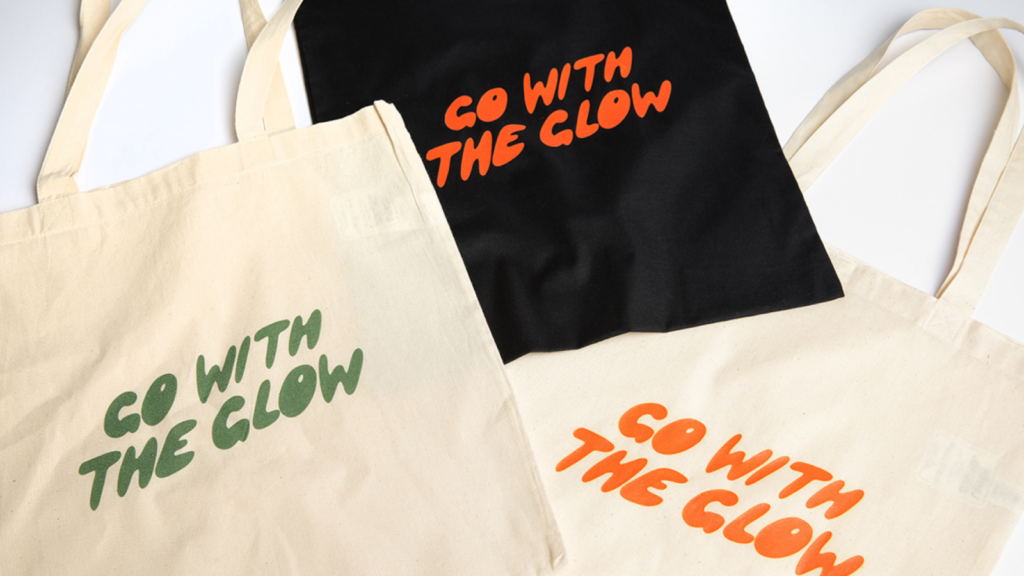
POD is the ultimate “no-buy” inventory model. By 2026, the industry outlook is projected to hit $43.07 billion, with a significant growth of 10.3% annually. It thrives because Gen Z and Alpha consumers prioritize self-expression over mass-produced items.
You only pay for a product after a customer buys it, meaning your “startup cost” is basically $0 plus your time. Because products are made only after an order is placed, this model keeps high operational efficiency and low upfront costs while allowing sellers to test ideas quickly. It also makes it easier to build a profitable business around niche interests and trending designs.
Here’s how to start a print-on-demand business Printify:
- Create a free Printify account and connect it to your online store.
- Choose products from the Printify Product Catalog that fit your niche, pricing strategy, and target market.
- Use the Product Creator to upload designs, adjust placement, and configure colors and sizes.
- Set retail prices based on production costs, shipping, and your desired profit margin.
- Publish products to your online store and order samples to check quality.
- Launch and promote your products through social media, ads, or content.
Tip
Once your store is live, set up a dedicated business bank account to separate personal finances and track revenue, taxes, and expenses from day one.
2. AI-based service provider

We are past the experimental phase of AI. As of early 2026, the AI market is valued at $757 billion. Companies aren’t looking for “AI enthusiasts” – they need specialists who can build custom GPT agents, automate customer support workflows, or manage AI content pipelines. This is a high-margin service business because you’re selling efficiency, not hours.
In practice, many AI service providers operate as a specialized consulting business, offering strategy, implementation, and ongoing optimization rather than one-off tasks.
How to get started:
Pick one narrow problem, like “AI-driven lead qualification for realtors.” Use a lean startup business plan to define your service scope, pricing model, and core automation workflows before pitching to small businesses overwhelmed by manual admin work.
3. A sustainable product store
2026 data shows that 58% of consumers are willing to pay a premium for eco-friendly products. As European and North American regulations tighten on plastic and waste, niche stores selling plastic-free or upcycled goods are seeing a massive demand increase.
How to get started:
Focus on products that are a more sustainable alternative to their originals, like glass and steel water bottles, clothing made from organic or recycled fibers, and reusable items like metal straws and cloth napkins. You can even combine this with POD to keep your upfront costs at zero.
4. Online course creation

The demand for digital learning continues to rise as professionals invest in acquiring new skills. In 2026, the global eLearning market is projected to reach approximately $365 billion, showing just how much people want to expand their knowledge.
Online courses are a great way to make passive income because once the curriculum is set, videos recorded, and everything’s published, you’ll keep earning from each new student without additional work.
How to get started:
First, validate your course idea by engaging with your target audience on social media platforms like LinkedIn or X. Once you’ve confirmed interest, build a simple business plan that outlines your content structure, tiered pricing, and a clear promotion strategy.
Online platforms such as Skillshare make it easier for first-time creators to find customers by providing an existing marketplace of students, though many creators eventually move to self-hosted platforms to keep a higher percentage of their earnings.
5. Dropshipping

Dropshipping is a business model where you source pre-made products from a supplier, set up an online store, and sell to customers. When you make a sale, your supplier ships the products directly to your customers. You never deal with inventory or shipping. It’s similar to Print on Demand, except you don’t have the option to customize any of the products.
The dropshipping market size is anticipated to reach $514.3 billion in 2026. It remains a popular eCommerce business model in 2026 because it significantly lowers upfront costs and almost entirely removes inventory risk.
When entrepreneurs pair this model with strong branding and vetted, reliable suppliers, dropshipping becomes a highly profitable business idea with a global reach.
How to get started:
If you’re exploring a dropshipping business, your first step is choosing a supplier that matches your brand’s quality and delivery expectations. While many beginners still source from massive marketplaces like AliExpress or Alibaba, more advanced sellers in 2026 are using specialized directories and automation platforms.
Tools like CJdropshipping, SaleHoo, or Spocket are essential for finding high-quality products, managing fulfillment, and ensuring faster shipping times to stay competitive.
6. Affiliate marketing
Affiliate marketers partner with companies to promote their products on their social profiles, blogs, and other media through a unique link. When people buy the product or service through the marketer’s link, the marketer receives a commission – usually a percentage of the sale, but sometimes a fixed amount.
Affiliate marketing is highly valued for supporting flexible schedules and offering a low-cost entry point into entrepreneurship. By 2026, the global affiliate marketing industry is projected to exceed $20 billion. It is consistently one of the easiest businesses to start for content creators who already attract traffic through established blogs, niche email lists, or active social media platforms.
How to get started:
Explore some of the best affiliate marketing programs for beginners and join programs that directly align with your audience’s interests. The Printify affiliate program, for example, lets creators earn a 5% recurring commission for 12 months by promoting Print on Demand to other aspiring entrepreneurs.
7. Online tutoring
Remote learning continues to see high demand across academic, professional, and hobby-based education. In 2026, the global online tutoring market is projected to reach $12.8 billion, growing at a rapid annual rate of 14.5%.
This growth is fueled by a massive shift toward “micro-learning” – short, targeted lessons that fit busy schedules – and a rising demand for specialized upskilling in fields like AI and coding.
Online tutoring requires minimal investment beyond your existing knowledge and can scale effectively through group sessions, recorded video lessons, or digital workbooks.
How to get started:
Define your subject expertise clearly, whether it is K-12 academics, professional certifications, or soft skills like leadership.
Outline your service offerings (one-on-one vs group) and attract new customers through social media platforms or specialized educational marketplaces.
8. 3D printing

The global market for 3D printers is growing steadily, with the industry size reaching approximately $28.39 billion in 2026. This expansion is supported by an intense demand for high customization, rapid prototyping for startups, and the localized manufacturing of hard-to-find replacement parts.
This makes 3D printing a strong option for entrepreneurs offering specialized services or custom-designed consumer products that can’t be found in traditional retail stores.
How to get started:
Start with reliable, high-speed equipment like a Bambu Lab printer, which has become a business standard for its speed and automation. Focus on a specific product type – such as custom gaming accessories, architectural models, or eco-friendly home decor – and build a business plan that outlines your material costs, tiered pricing, and production timelines.
Marketing your unique made-to-order process on visual platforms like TikTok or Pinterest is a proven way to build a loyal customer base.
9. Subscription box services
Subscription services are super popular, but not because people want more recurring charges. They succeed when the subscriptions genuinely save time, reduce decision fatigue, or deliver value that’s hard to replicate with one-off purchases.
Market data shows that the global subscription box market is expected to move toward an over $100 billion valuation by the early 2030s, even as consumers become more selective about what they subscribe to.
For small business owners, subscriptions can still be attractive because they bring in recurring revenue. However, these models work best when customers feel in control. Flexible plans, easy cancellation, and clear value are now essential for long-term retention and trust.
How to get started:
Focus on niches where repetition makes sense and the market isn’t already too saturated, such as consumables, replenishable goods, or educational kits that evolve over time.
Perform a detailed market analysis to confirm that your subscription idea offers meaningful value beyond buying products individually. Start with optional subscriptions or limited-duration plans to check demand, refine fulfillment, and test packaging. As time goes on, offer more tailored subscription options to ensure you meet customers’ needs in ways the competition can’t.
10. Remote customer support services

Do you have a knack for explaining things clearly to others and enjoy problem-solving? As more businesses operate online, demand for outsourced support continues to rise. This creates significant opportunities for independent remote service providers offering customer support through live chat and email. Companies are increasingly moving away from expensive physical call centers in favor of virtual contact centers that offer 24/7 global coverage.
How to get started:
Define your service scope clearly – will you focus on technical troubleshooting, general inquiries, or sales-led support? Set your pricing based on ticket volume or hourly retainers, and target small businesses or startups that need professional, scalable support solutions without the cost of full-time internal hires.
To stay competitive in 2026, many providers are using AI-powered tools to help manage basic queries, allowing them to focus on situations that need a more human touch.
11. Custom home decor business

People love decorating their homes and offices to set a specific vibe that represents their personality. Home decor is one of the most profitable businesses and is expected to grow to $682.53 billion in 2026, as people continue to prioritize creating comfortable atmospheres in the areas they spend the most time in.
The global home decor industry will continue growing, especially in online channels where consumers seek unique items like wall art, custom textiles, and smart lighting that reflect their personal style.
How to get started:
Unlike retail businesses, online-first home decor brands are not limited by local markets, shelf space, or seasonal foot traffic. Using Printify, sellers can create custom home decor products such as premium wall art, pillows, and blankets using print-on-demand fulfillment.
12. Event planning
Demand for in-person and hybrid events is booming as businesses and individuals prioritize authentic human connection over purely digital interactions.
In 2026, the global event management market is poised to be valued at over $1.5 trillion, with a major shift toward smaller, high-impact regional gatherings and micro-events.
Event planning works exceptionally well for entrepreneurs who excel at coordination, vendor management, and creating immersive, memorable experiences that justify travel and attendance costs in a post-digital world.
How to get started:
Start locally to build a portfolio and strong partnerships with caterers, venues, and tech providers. Develop a clear company description that outlines your specific services – such as corporate retreat planning, niche weddings, or hybrid trade shows – and emphasize your ability to deliver unbeatable, memorable experiences for attendees.
Using integrated event management software is now a standard requirement for tracking attendee engagement and managing real-time logistics.
13. VR and AR content creation

VR and AR technologies are expanding rapidly beyond gaming into education, retail, and entertainment. By 2026, the combined AR and VR market is projected to reach $118.79 billion, with the consumer segment accounting for over 50% of total market share.
Businesses are increasingly using these tools for immersive shopping, virtual concerts, and “digital twins” in manufacturing. These technologies support future-proof business ideas with strong growth potential, as hardware becomes more affordable and user-friendly for the average consumer.
How to get started:
Focus on one specific product type, such as creating AR filters for retail brands or VR training modules for healthcare.
Build a strong portfolio that demonstrates your ability to create immersive environments before scaling to larger corporate clients.
14. Digital product creation
Digital products, such as invitation templates, planners, journal prompts, CV templates, and knitting patterns, generate significant income with low startup costs and infinite growth possibilities. In 2026, specific types of digital products like SaaS are valued at $300 billion, while online gaming and video streaming have combined for hundreds of billions in revenue.
They’re ideal for entrepreneurs seeking passive income because once the product is created, you can sell it thousands of times without additional costs.
How to get started:
Outline your products in a lean startup format and test demand before building full products. You can start by creating high-demand assets like AI-prompt libraries or digital planners, then sell your digital products on platforms like Etsy or Shopify.
In 2026, the trend is shifting toward AI-enhanced digital products that provide personalized or gamified experiences for the buyer, making them stand out in a crowded marketplace.
Tip
Successful sellers also pay close attention to intellectual property, ensuring their creations and designs are original and legally safe to sell.
15. Pet product store
The pet industry is absolutely booming, with the global pet care market reaching $273.42 billion in 2025 and climbing toward even higher valuations in 2026. The average household spending is predicted to reach $1,445 per animal by 2026.
Pet owners, especially Gen Z and Millennials, love getting personalized items for their furry friends, making them the perfect target audience for this product niche.
How to get started: Printify has a wide range of custom pet products, including personalized beds, bandanas, and feeding mats, making it easy for sellers to launch a pet-focused online store without any inventory risk.
Explore broader pet business ideas – such as subscription boxes for organic treats or high-tech pet accessories – to expand your store as you grow.
Honorable mentions
These business ideas perform well in local and service-based markets and can be realistic options for entrepreneurs looking for steady demand and manageable startup costs.
- House cleaning and other cleaning services are consistently in high demand, especially among busy professionals. Many people start solo and later expand into commercial cleaning for offices and Airbnbs with long-term contracts. This business requires basic equipment, clear pricing, and consistent quality.
- Mobile car detailing is a practical option for anyone with a reliable vehicle and attention to detail. This business works well in suburban and urban areas and can scale through repeat clients and fleet partnerships.
- Organization-focused services are also growing. Working as a professional organizer appeals to clients looking to simplify their homes or workspaces and often pairs well with referrals from real estate agents preparing properties for sale.
- For animal-focused entrepreneurs, a pet sitting business offers flexible scheduling and a consistent client base, especially in urban areas. Trust and reliability matter most here. Focus on building relationships with clients and getting word-of-mouth referrals to grow.
- Fitness-based services, such as personal training, attract clients who want personalized support outside traditional gyms. This can be done in-home, outdoors, or online, depending on certification and local regulations.
How to choose the right business for you

The strongest businesses are built at the intersection of personal strengths and proven market demand. Before committing to a new business idea, take time to evaluate the following factors.
Your skills and interests
Your existing skills play a major role in how quickly you can launch and sustain a successful business. Businesses built around skills you already have tend to reach profitability faster and require less trial and error.
Start by listing what you are already good at. This can include creative skills, technical abilities, communication strengths, or industry knowledge. For example, someone with design experience may lean toward a graphic design business or Print on Demand, while someone with analytical skills may explore AI-based services or consulting.
Interests matter just as much. Running a business requires long-term commitment, and choosing something that aligns with your interests increases the likelihood that you will stay consistent through slower growth periods.
Startup costs and time commitment
Not every business requires a large upfront investment, but every business requires time. Understanding both is essential before you start a business. While the average American believes it costs $28,000 to start a business, the actual median startup cost for successful small businesses in 2026 is closer to $12,000.
Some of the best businesses to start in 2026 are designed around low startup costs. Online models such as Print on Demand, affiliate marketing, or digital products often require minimal investment compared to traditional business models. Others may require spending on tools, software, or equipment.
Equally important is time commitment. Ask yourself how many hours per week you can realistically dedicate. Review projected income statements early to understand how long it may take to reach profitability and whether your margins are sustainable.
An online side hustle in 2026 may work well if you are starting alongside a full-time job, while service-based businesses often require more active involvement.
Tip
Capital-intensive ideas may still require you to present them in a traditional business plan format, especially if you plan to seek outside funding or key partnerships.
Market demand
A good idea only becomes a profitable business if people are willing to pay for it. That’s why you need to validate demand through market research before building anything.
To do this effectively in 2026, use Google Trends to verify rising search volume for your niche. Second, analyze competitor gaps by reading reviews on Amazon or Trustpilot to see what customers feel is missing. Finally, use AI tools like Perplexity to summarize social media discussions around your niche.
Study what most businesses in your niche offer and identify gaps you could fill. Simple market analysis techniques, such as reviewing Reddit threads, social media discussions, and existing product listings, can reveal unmet needs.
Risk tolerance and scalability potential
Every business involves risk, but not every entrepreneur has the same comfort level with uncertainty. Some business ideas scale quickly but involve more volatility, while others grow more slowly and offer more stability. Approximately 20.4% of businesses fail in their first year, often due to cash flow issues.
Consider how much financial risk you are willing to take and how important growth is to you. A service-based business, such as professional organizing, may generate income faster, but it often depends heavily on your time. Product-based and digital businesses may take longer to grow but offer better long-term scalability and recurring revenue.
Tip
Tracking basics like income statements and simple balance sheets helps founders spot risk early and avoid common cash flow failures.
Frequently asked questions
Technology services, eCommerce, AI solutions, and personalized products are some of the most profitable industries.
Print on Demand, affiliate marketing, online tutoring, and social media management are low-cost small business ideas.
Look for common problems you could solve with a product or service, underserved audiences, and skills you already possess.
Yes. New business trends in 2026 favor digital-first and remote models with low startup costs.
Many small business ideas can launch with minimal startup costs, often under a few hundred dollars. Print on Demand and digital products are two great options.
Ready to thrive? Start your business journey in 2026
The best businesses to start in 2026 are flexible, digital-first, and built around real customer needs. Whether you want to own business assets that generate passive income or launch a profitable business with room to grow, there are plenty of opportunities.
With platforms like Printify lowering barriers to entry, starting a business online has never been more accessible. Choose a model that fits your goals, build a smart business plan, and take the first step toward entrepreneurship today!
Important
As your store grows, make sure core legal documents such as terms of service, privacy policies, and supplier agreements are in place.
Make it happen today!
The post The best businesses to start in 2026 appeared first on Printify.
