Key Takeaways
- Outperform competitors by cutting kitchen oil costs by up to 50 percent through modern filtration and heat transfer technology.
- Adopt the Save Fry Oil Podcast method of tracking weekly prime costs and oil chemistry to turn vague instincts into predictable profits.
- Reduce staff burnout and kitchen accidents by implementing efficient oil management routines that save labor and improve workplace safety.
- Discover how recharging oil with electrons can stretch its life by 150 percent while delivering crispier, healthier food to every guest.
How can a podcast that focuses on something as specific as kitchen oil management influence a whole industry?
It does this by turning one of the biggest “hidden” costs in a kitchen into a major source of profit and sustainability.
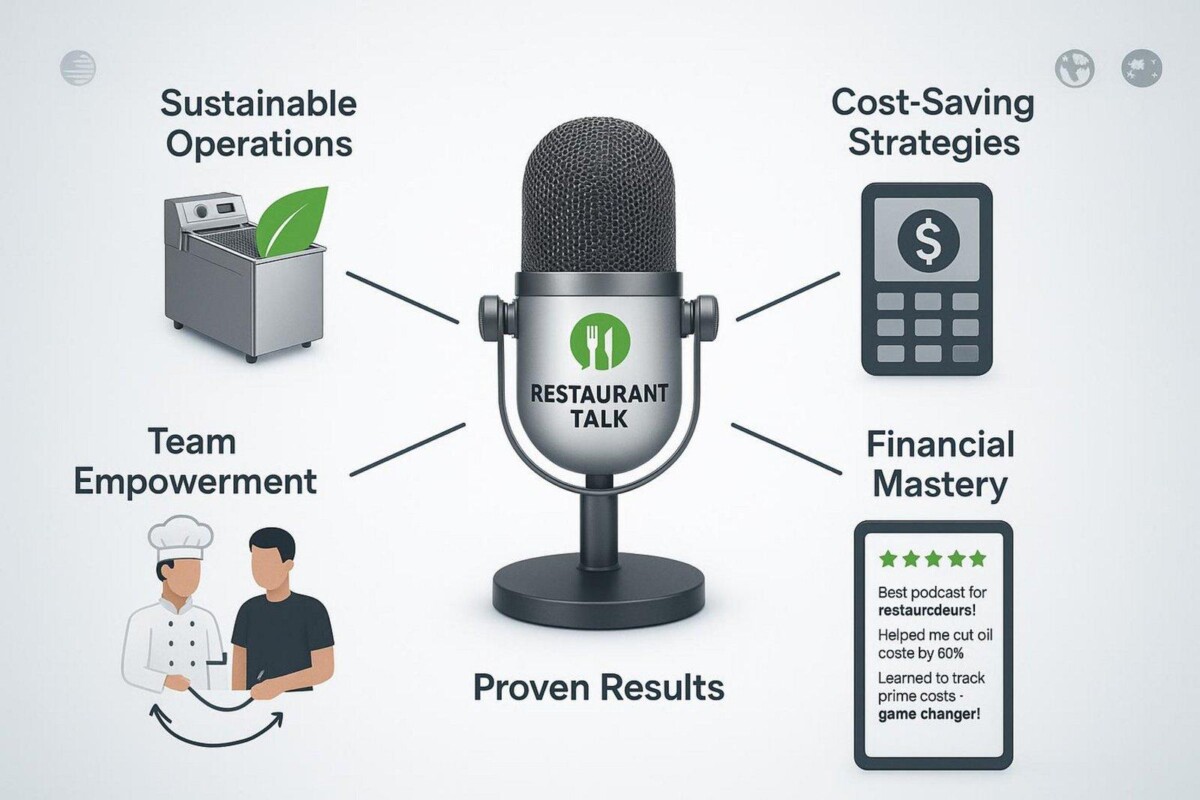
The Save Fry Oil Podcast-formerly called Restaurant Talk-acts as an important learning and planning tool that helps modern restaurants cut oil costs by up to 50%, improve food quality using clear science, and adopt greener methods that connect with today’s eco-aware guests.
By closing the gap between high-level corporate growth plans and the tough day-to-day work on the line, the show gives a practical model for running better operations that is changing how kitchens work in 2026.
In hospitality, where everything moves fast, profit margins are tiny, and burnout is common, finding time to learn can be hard. This is why many leaders now turn to Sustainable Kitchen Talk by Save Fry Oil as their main audio guide. Hosted by Duncan Hunter and joined by rotating global experts, the podcast gives more than tips; it offers a community where restaurant owners share hard-learned lessons, from launching a new concept to scaling a brand across different countries and markets.
What Is the Save Fry Oil Podcast?
At its base, the Save Fry Oil Podcast looks at where cooking passion meets practical business sense. While the name points to a focus on deep fryers, the show actually serves as a wide-ranging guide to running a modern restaurant. It brings in voices from all over the world, including hosts like Kieron Bailey in the UK, Chrissy Symeonakis in Australia, and Susan Tung in Canada, so listeners hear ideas that work across different regions and market conditions.
The show goes beyond technical gear and focuses on the people and stories behind the food. Whether it’s talking about the cultural importance of Hakka Chinese cuisine in Toronto or explaining how “Black Restaurant Week” grew from 20 to more than 1,500 businesses, the podcast treats the restaurant like a living system.
It balances the “heart and soul” of cooking with the clear systems needed to keep the doors open and the team engaged.
Core Themes and Topics Covered
The show regularly returns to the idea of efficiency. Listeners get detailed looks at commercial kitchen design, the psychology behind staff training, and the use of cost-saving tools like Frylow.
One of the strongest parts of the show is its habit of asking “uncomfortable questions”-about missed chances, biggest wins, and the hard measurement standards for success that many operators prefer to avoid.
Beyond physical equipment, the podcast looks at software and business strategy. For example, episodes with Ivan Brewer of Peiso discuss hospitality profitability software and call out the industry’s “broken” way of handling finances. The show also covers modern marketing needs, handling online reviews, and changes in delivery tech with guests like Chris Heffernan of dlivrd.
This full-circle view of the industry makes the Save Fry Oil Podcast a regular listen for anyone who wants to run a smarter, more sustainable kitchen.
How the Save Fry Oil Podcast Reaches the Restaurant Industry
Easy access is key to the show’s impact. By using platforms like Spotify and Apple Podcasts, the podcast reaches people during commutes, prep time, and admin work. This “just-in-time” style of learning lets busy chefs and owners receive high-level consulting advice without leaving their operations for a class or conference.
The show’s reach grows further thanks to its international host setup. Because a pub in Cardiff faces different issues than a cocktail bar in Kingston, NY, having hosts who know local labor rules, supply chain problems, and guest behavior builds trust. This global yet local style has helped the podcast build a loyal audience across the US, UK, Canada, Australia, Ireland, and New Zealand.
Target Audience: Restaurant Owners, Chefs, and Staff
The Save Fry Oil Podcast speaks to a wide range of hospitality workers. For people dreaming of opening a restaurant, it provides a reality check on the “cowboy cooking” mindset and stresses that a restaurant is a business first. For experienced pros, it brings insight into new tech, such as AI for menu planning or robots in customer service, helping them stay competitive as the market changes.
Line cooks and managers also benefit from the focus on kitchen culture and “Kaizen”-the idea of getting a bit better every day. By talking about team bonding, “family meals,” and steady training, the podcast supports better workplaces. As host Susan Tung often says, “Culture is what happens when you’re not there,” and the show gives leaders tools to build that culture from the ground up.
Distribution Platforms and Listenership Stats
With 14 episodes and growing, the podcast continues to build its audience. It is available across major streaming services, including Spotify, Apple Podcasts, Pocket Casts, and RadioPublic. The show draws especially active listeners; for example, one podcast newsletter had an impressive 50% open rate, showing that the audience is hungry for honest, data-focused guidance instead of empty vanity metrics.
The impact also shows up through sponsors and partners. By placing real cost-saving estimates and case studies directly in episodes, the show turns casual listening into real changes in how kitchens run. Many listeners, such as Malik in Nashville or Jasmine in Chicago, share that they started tracking prime costs and food waste every week after following advice from the podcast.
Educational Benefits for Modern Restaurants
The main learning benefit of the podcast is how it makes kitchen science easy to understand. Many chefs treat their fryers like a “black box”-you pour in oil, it gets dirty, you throw it away. The show changes this by explaining oxidation at the molecular level and how technology like Frylow can recharge oil with electrons, stretching its life by up to 150% or even 400% in some high-volume kitchens.
The teaching also covers the money side. The podcast explains how to calculate return on investment (ROI) for equipment and how to understand “the numbers no one teaches you.” This kind of financial awareness often separates a restaurant that closes after two years from one that becomes a fixture in its neighborhood for decades.
Promoting Kitchen Efficiency and Fry-Oil Optimization
A major lesson from the podcast is its focus on Frylow technology. This patented Japanese photo-catalytic ceramic device is a game-changer for efficient kitchens. By improving how heat moves through the oil, it lets kitchens cook at temperatures 15 to 25 degrees lower than usual. This cuts gas and power use and can speed up cooking times by up to 48%.
Improvement is not just about equipment; it’s also about routine. The podcast pushes regular filtration (at least twice a day) and correct care. It teaches staff that “thinner oil” (lower viscosity) transfers heat better, giving food a crisper texture with less grease. With this knowledge, kitchens can stop the wasteful habit of changing oil every other day and move closer to a 4-5-day cycle or longer.
Sharing Practical Case Studies and Success Stories
The podcast makes data real by sharing specific success stories. Listeners hear about a Canadian chain with multiple locations that saved more than $83,000 after switching to Frylow, or how an Applebee’s franchisee (Apple Core) saved 1,094 tubs of oil in a single month across 23 sites. These numbers turn into an average saving of $1,284 per site, per month.
Other examples-from Buffalo Wild Wings to the Gran Melia Hotel (which cut oil use by 62%)-give others a clear path to follow. These stories show that the technology works across many styles of cooking, from simple “meat-and-potatoes” towns to luxury hotels, so operators of all types can see themselves using the same approach.
Operational Impacts Highlighted in Podcast Episodes
From an operations point of view, the podcast explains how better oil management affects the whole kitchen. When oil changes happen less often, the risk of burns and slip-and-fall accidents from splashes and spills goes down. Labor costs drop as well, because staff spend less time draining and scrubbing fryers and more time on prep or serving guests.
The show also looks at “hidden” ripple effects in operations, such as how starting a business with too little funding leads to cutting corners on maintenance, which later causes bigger and more expensive problems. By pointing out these links, the podcast helps operators see the full health of their kitchens instead of focusing only on the day’s rush.
Measuring Reductions in Fry-Oil Consumption and Waste
The podcast gives a clear way to measure progress. Feeling like you’re saving money is not enough-you need numbers. Episodes explain how to use oil test strips and track Total Polar Materials (TPM) so oil is changed only when truly needed-ideally before it reaches 24% TPM. With this data-focused method, managers often see a 40-50% drop in oil use very quickly.
The cut in waste is also large. Longer oil life means fewer plastic jugs and lower disposal costs. In a typical US restaurant that spends about $2,000 per fryer per year on oil, these cuts can add up to thousands of dollars in yearly savings that go straight to profit.
Improving Food Quality and Consistency
Holding quality steady is a constant focus. The show explains how Frylow stops “flavor transfer,” so you can fry different items in the same oil without fish tasting like chicken. Because the tech can reduce oil absorption by up to 40%, food comes out lighter, crisper, and more attractive to guests who care about health.
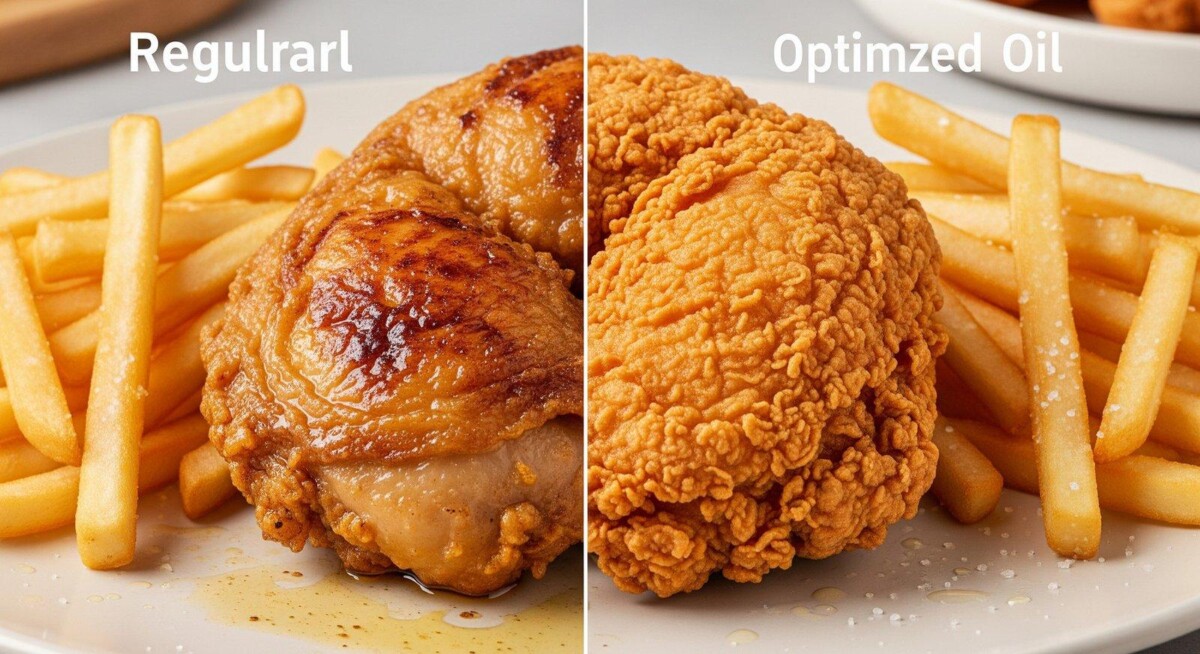
Consistency is the mark of a strong restaurant. By keeping oil in good condition longer, kitchens avoid the “dark oil” problem where food looks too brown on the outside but remains undercooked inside. This helps make sure the thousandth order of fries matches the first, which is key for growing repeat business.
Cost Savings and ROI for Restaurant Businesses
The ROI on the tools discussed in the podcast is often very fast. Most businesses earn back their Frylow cost within three to six months. For some, like the Applebee’s franchise mentioned earlier, it took only 3-4 months. After that, the ongoing savings feel like steady extra income.
Beyond direct oil costs, the podcast points out extra savings such as:
- Lower energy bills from cooking at lower temperatures.
- Smaller spending on cleaning products.
- Longer fryer life, adding years to equipment use.
- Less labor tied to frequent oil changes.
Sustainability and Environmental Advocacy
By 2026, sustainability is no longer a bonus; guests expect it. The Save Fry Oil Podcast promotes “Greener Restaurant Practices” that are budget-friendly. By focusing on the environmental impact of fry oil, the show helps restaurants meet their green goals while also increasing profits.
The podcast also talks about social sustainability. Episodes with the Feed the Soul Foundation discuss supporting minority-owned restaurants and the double effect of gentrification on long-standing neighborhood spots. This wide view of sustainability-covering environmental, financial, and social areas-helps the show stand out.
Reducing Carbon Footprint through Smarter Oil Management
The environmental numbers shared on the show are eye-opening. When restaurants cut oil use in half, they lower the energy used to produce, refine, and ship that oil. This leads to a big drop in carbon emissions. On top of that, Frylow allows cooking at lower temperatures, which reduces gas and power use in the kitchen.
Plastic waste goes down too. Fewer oil changes mean fewer plastic containers thrown away. For large chains, this can remove thousands of pounds of plastic from the waste stream every year. Smarter oil use is one of the simplest steps a restaurant can take to shrink its environmental footprint.
Supporting Greener Restaurant Practices
The podcast urges restaurants to examine their whole waste stream. It talks about recycling used oil into biodiesel through programs like Mopac and using tighter inventory systems to cut food waste by 4-10%. By spreading these ideas, the show helps restaurants match the values of Gen Z and Millennial guests, who often choose where to eat based on a brand’s eco record.
Greener methods also cover health concerns. Frying with Frylow has been shown to lower acrylamides-a cancer-linked compound that forms in starchy foods. By putting customer health and safety first, restaurants protect their guests and build a reputation for honesty and care.
Challenges and Limitations for Modern Restaurants
Even with clear benefits, the podcast openly talks about hurdles. One of the biggest is the mindset of “this is how we’ve always done it.” Many kitchens resist change, especially for long-held habits like “cowboy cooking” or relying only on instinct instead of data.
The show tackles these issues directly by offering staff documentation tools and training methods. It stresses that even the best “fool-proof” system fails if people don’t care. Because of this, the podcast spends a lot of time on empathy, leadership, and building pay structures that reward staff for following these new, efficient methods.
Overcoming Resistance to Change in Kitchen Practices
Pushback often comes from fear of the unknown. Chefs may worry that lower temperatures will make food soggy. The podcast responds with science and real test results, showing that Frylow actually improves crispiness. By involving staff in testing and letting them see the results firsthand, owners can turn doubters into supporters.
The show also highlights the value of delegation. As one guest shared, “Delegation is the scariest part, but it’s also the most fundamental.” By trusting teams to run these new systems, owners can “buy back their freedom” and spend more time growing the business instead of constantly fixing kitchen problems.
Common Misconceptions Addressed in the Podcast
One frequent myth is that “saving oil” means “using dirty oil.” The podcast explains that tools like Frylow condition the oil, keeping its chemistry closer to fresh oil for a longer time. Another myth is that these systems are hard to set up. In fact, Frylow takes under 10 minutes to install and needs no electricity or moving parts.
The show also challenges the idea that “fixing customer service” alone can save a failing restaurant. It points out that half of a restaurant’s success is decided before guests arrive-through prep work, cost ratios, and back-of-house efficiency. By clearing up these false beliefs, the podcast gives a more accurate view of what true success requires.
Frequently Asked Questions about the Save Fry Oil Podcast and Restaurant Impact
What restaurant types benefit most from the podcast’s advice?
High-volume fast-food brands often see the biggest raw dollar savings, but every restaurant type can benefit. Casual dining restaurants find that moving to a 5-7 day oil change cycle offers huge relief, and fine-dining spots apply lessons on “experiential dining” and “sustainable bivalves” to stay ahead of new trends. From food trucks to 16-location “eatertainment” brands like Puttshack, the basic ideas of efficiency and quality apply everywhere.
How do metrics from the podcast translate into daily kitchen improvements?
Metrics turn into Standard Operating Procedures (SOPs). For example, an episode on “honest metrics” might convince a manager to stop relying on vanity stats and start tracking weekly prime costs. This makes it easier to spot small problems-like giving too much food per portion or skipping oil filtration-before they grow into major money drains. It turns the daily rush of the kitchen into a process that can be documented, taught, and improved.
Does following the podcast’s recommendations increase profitability?
Yes. By cutting the largest recurring cost (fryer oil) by around 50% and reducing energy bills, the changes give a quick boost to profit. Along with that, better food quality and consistent results raise customer loyalty and online ratings, driving sales over time. This two-sided approach-cutting costs while lifting product value-builds stronger profit margins.
Key Takeaways for Restaurant Professionals
Biggest Insights from the Save Fry Oil Podcast
The main lesson is that restaurants win or lose through small details. Slight gains in oil thickness, a 6-degree drop in fryer temperature, or a short 15-minute training session on “Kaizen” can add up to huge yearly benefits. The podcast reminds listeners that “passion pays the soul, but numbers pay the bills,” and that top operators manage to honor both.
Another big insight is the strength of community. Hearing that a 20-year neighborhood favorite faces the same problems with gentrification or staffing as a brand-new startup helps normalize those struggles. It reminds people in the industry that they are not alone and that there is always a smarter way to work.
Action Steps for Modern Restaurant Success
To put the podcast’s lessons into action, restaurant professionals can:
- Audit Your Oil: Track how often you change your oil and add up the yearly cost. You may be shocked by how much money is hiding there.
- Invest in Efficiency: Research photo-catalytic tools like Frylow to extend oil life and reduce energy use.
- Standardize Training: Build SOPs for filtration and fryer care so results stay steady no matter who is on shift.
- Know Your Numbers: Start tracking prime costs and food waste each week. As Malik from Nashville found, the peace of mind from “knowing where you stand” is worth the extra work.
- Stay Curious: Keep listening to industry experts and be open to updating your systems while still protecting your cooking identity.
The Save Fry Oil Podcast has become a key “audio textbook” for today’s hospitality landscape. By focusing on science, money, and human stories together, it gives restaurant owners the tools to build businesses that are profitable, sustainable, and full of heart. As the industry continues to change over the rest of the decade, those who follow these data-based, people-focused methods will help shape the next wave of dining. A more efficient kitchen can start with a single episode, and the benefits can last as long as the restaurant itself.