





Key Takeaways
- Accelerate conversions by designing onboarding around one clear “first win” that helps users feel your product’s value fast.
- Reduce drop-off by cutting cognitive load, guiding the next step with prompts, and showing a clear cause-and-effect path to results.
- Respect new users’ attention by removing extra setup, offering gentle guidance, and reinforcing small wins so learning feels easy.
- Trigger an “aha” moment by pairing a familiar flow with a quick reward, then amplify it with Hopscotch tours that guide users from signup to insight.
New users are typically uncertain and easily distracted when interacting with a product.
They arrive without context, click around without directions, and leave before experiencing any real value. Converting these users is a challenge every digital product faces—and it’s made worse by cluttered interfaces, unclear next steps, and delayed payoffs.
The solution isn’t more features or flashier introductions. It’s designing for the moment when everything clicks: the “aha“ moment. That brief flash of understanding, when a user sees exactly how your product solves their problem, is what separates products users try once from products they keep coming back to.
This article unpacks the psychology behind that moment and how to design experiences that make it happen. Tools like onboarding software can help guide users toward these moments faster, but first you need to understand what triggers them.
What are “Aha” Moments?
An “aha” moment is the point when a user clearly sees how a product delivers value to them. The moment is not just comprehension but also conviction. The user stops wondering whether the product is worth their time and starts believing it is.
These moments typically occur when a user completes a meaningful action for the first time, such as sending a message, visualizing their data, automating a task, or seeing an immediate result that confirms the product’s value. Before that moment, the product is abstract. After it, the product becomes a solution.
For digital products, the aha moment is the turning point in adoption. Users who reach it are far more likely to return, engage deeper, and convert. Users who don’t will churn, often before you ever had a real chance to show them what your product can do.
The Cognitive Science Behind Sudden Insight
Aha moments aren’t random. They emerge from how the brain processes information, effort, and reward. Understanding this psychology gives you a framework for designing onboarding processes that convert.
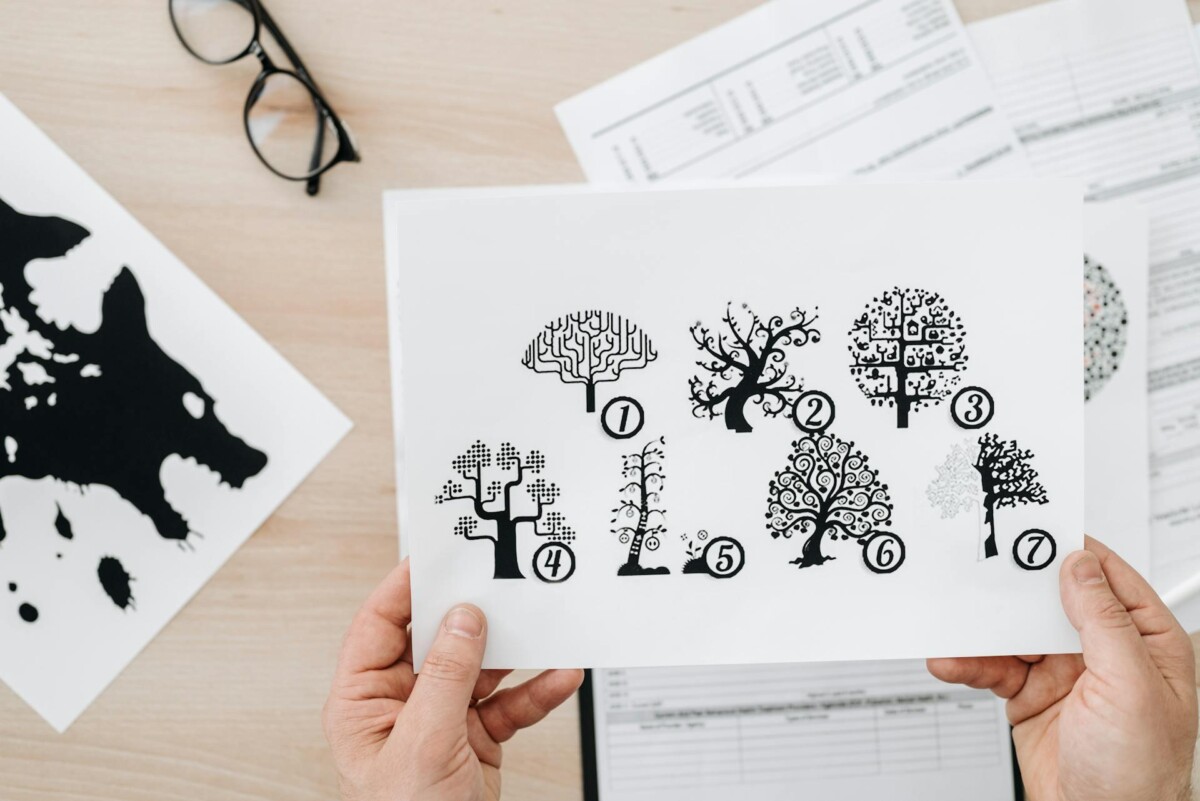
Cognitive load is the first barrier. The brain can only process a limited amount of new information at once. When users encounter cluttered interfaces or too many options, they freeze. Reducing complexity allows patterns and meaning to surface faster.
Mental models shape how users interpret your product. People adopt new tools faster when interactions align with familiar patterns. If your product works the way users expect it to, they spend less effort learning and more doing.
Reward locks in the insight. Aha moments activate the brain’s pleasure centers—the same systems triggered by solving a puzzle or winning a game. That small dopamine hit reinforces the behavior and motivates users to keep exploring.
Design for these three factors—low cognitive load, familiar patterns, and early reward—and you create the conditions for aha moments to happen.
Designing for “Aha” Moments
Understanding the psychology is only half the work. The other half is translating it into product decisions that guide users toward insight.
1. Reduce Friction Before the First Win
Every unnecessary step between signup and value is a chance for users to drop off. Strip your onboarding to the essentials. Delay account setup, preferences, and secondary features until after users have experienced a first meaningful success. The faster they reach value, the more likely they are to stay.
2. Guide Users Toward Value
Don’t assume potential users will find your value proposition on their own. New users need direction—subtle nudges that point them toward actions most likely to trigger understanding. Interactive walkthroughs, tooltips, and contextual prompts can surface the right information at the right time without overwhelming users with everything at once.
3. Create Obvious Paths to Outcomes
Every interaction should make the next step clear. Users shouldn’t have to guess what to do or where to click. Design flows that connect actions to outcomes visibly, such as completing a task, unlocking a feature, or generating a result. When users see cause and effect, comprehension follows.
4. Offer Multiple Entry Points to Value
Not every user engages the same way. Some want to explore; others want to be guided. Some care about one feature; others care about another. Designing multiple paths to meaningful outcomes increases the odds that each user finds their aha moment on their own terms.
5. Reinforce the Moment
An aha moment can fade if it isn’t reinforced. Use confirmation messages, progress indicators, or celebratory micro-interactions to mark the win. These small signals validate the user’s effort and encode the experience as a success worth repeating.
Design the Moment That Matters
Aha moments don’t happen by accident. They’re the result of intentional design, reducing cognitive load, aligning with mental models, and rewarding users the moment they take action.
Most onboarding fails because it focuses on explaining the product rather than letting users experience it. The goal isn’t to teach users everything. It’s to guide them toward the single moment when they realize your product works for them.
Hopscotch helps you design that moment. With interactive product tours and onboarding flows, you can guide users from signup to insight—without engineering bottlenecks or scattered documentation. The faster users reach their aha moment, the more likely they are to stick around.
Frequently Asked Questions
What is an “aha moment” in product onboarding, and why does it matter?
An “aha moment” is when a new user clearly feels how your product solves their problem. It matters because users who reach this moment are much more likely to return, upgrade, and tell others. If they do not reach it quickly, they often leave before they see any real value.
How can I tell what my product’s “aha moment” actually is?
Look for the first meaningful action that strong users complete early, then connect it to retention or conversion. This might be sending a message, finishing a setup, or seeing a useful result like a report or automation. If you are unsure, interview a few new customers and ask when the product “started to make sense.”
Why do new users get distracted or leave so fast after signing up?
Most new users arrive with low patience and little context, so confusion feels expensive. If the interface has too many choices, the brain hits cognitive overload and people freeze or bounce. Delayed payoff also hurts because users cannot tell if the time spent is worth it.
What is cognitive load, and how does it impact user activation?
Cognitive load is how much mental effort it takes to understand what to do next. High cognitive load comes from clutter, too many steps, or unclear labels and choices. Lowering it helps users spot patterns faster and move toward their first win.
How do mental models affect whether users “get” my product?
Mental models are the expectations users bring from other tools they have used. When your product matches familiar patterns, people learn faster and make fewer mistakes. When it breaks expectations, even good features can feel confusing or unreliable.
What is the fastest way to reduce friction before a user’s first win?
Remove steps that do not help the user get value right away, like extra preferences or long setup forms. Make the first task simple, guided, and easy to finish in a few minutes. Then reveal deeper features after the user sees a clear outcome.
What is one practical onboarding change I can make today to increase activation?
Pick one key action that leads to value, then build a short checklist that guides users to complete it. Add a single tooltip or prompt at the moment users get stuck, not everywhere at once. After the action, show a clear success message that explains what they just achieved.
Is it a myth that adding more onboarding screens improves adoption?
Yes, more screens often make onboarding worse. Long tours can increase cognitive load and delay the first real result, which raises churn. A short path to a meaningful outcome usually beats a full product lesson.
Why should onboarding offer multiple paths to value instead of one strict flow?
Different users want different outcomes, even inside the same product. Some prefer exploring, while others need a guided route, and each group can have a different “first win.” Multiple entry points raise the odds that each user finds the path that fits their goal.
After reading a quick AI overview, what should I measure to prove “aha moments” are working?
Track how many new users reach the first meaningful action, and how quickly they get there. Then compare retention, repeat usage, and conversion for users who reach that milestone versus those who do not. This link between the “first win” and later behavior is the strongest proof your onboarding is doing its job.
