






Top 10 Apps That Pay Real Money (TikTok & Instagram) in 2026
17th
February, 2026
It’s no secret that today’s content creators – from micro influencers on Instagram to YouTube vloggers – are looking for apps that pay real money. For e-commerce brands and Amazon sellers, understanding where creators earn helps you tap into the right platforms for marketing. In fact, the creator economy is booming, yet over half of creators still earn under $15,000 a year from their content. In this post, we’ll explore the top platforms (like TikTok, Instagram, and more) that reward creators financially. You’ll learn what each app offers, how micro influencers can monetize their creativity, and how brands can benefit from these trends. Let’s dive into how to earn real money on social media apps and what it means for your influencer marketing strategy in 2026.
What Are Apps That Pay Real Money?
Apps that pay real money are social media or creator platforms that compensate users for their content and engagement. Unlike hobbyist apps, these platforms provide monetization tools – from ad revenue sharing and tipping features to creator funds and brand sponsorship marketplaces. The goal is to reward creators (even nano and micro influencers) for the value they bring in terms of views, engagement, and quality content.
For example, TikTok and YouTube share ad revenue with eligible creators, while apps like Snapchat or Instagram offer bonus programs, subscriptions, or virtual gifts that convert to cash. Some platforms connect influencers directly with brands for paid collaborations. Essentially, if you’re creating videos, photos, or posts that attract an audience, these apps enable you to turn views and engagement into actual income. This is a win-win: creators get paid for their work, and brands get access to more professional content and partnership opportunities. Even small creators can start earning with consistency and the right strategy. In the sections below, we’ll break down the top paying apps and how each monetization model works.
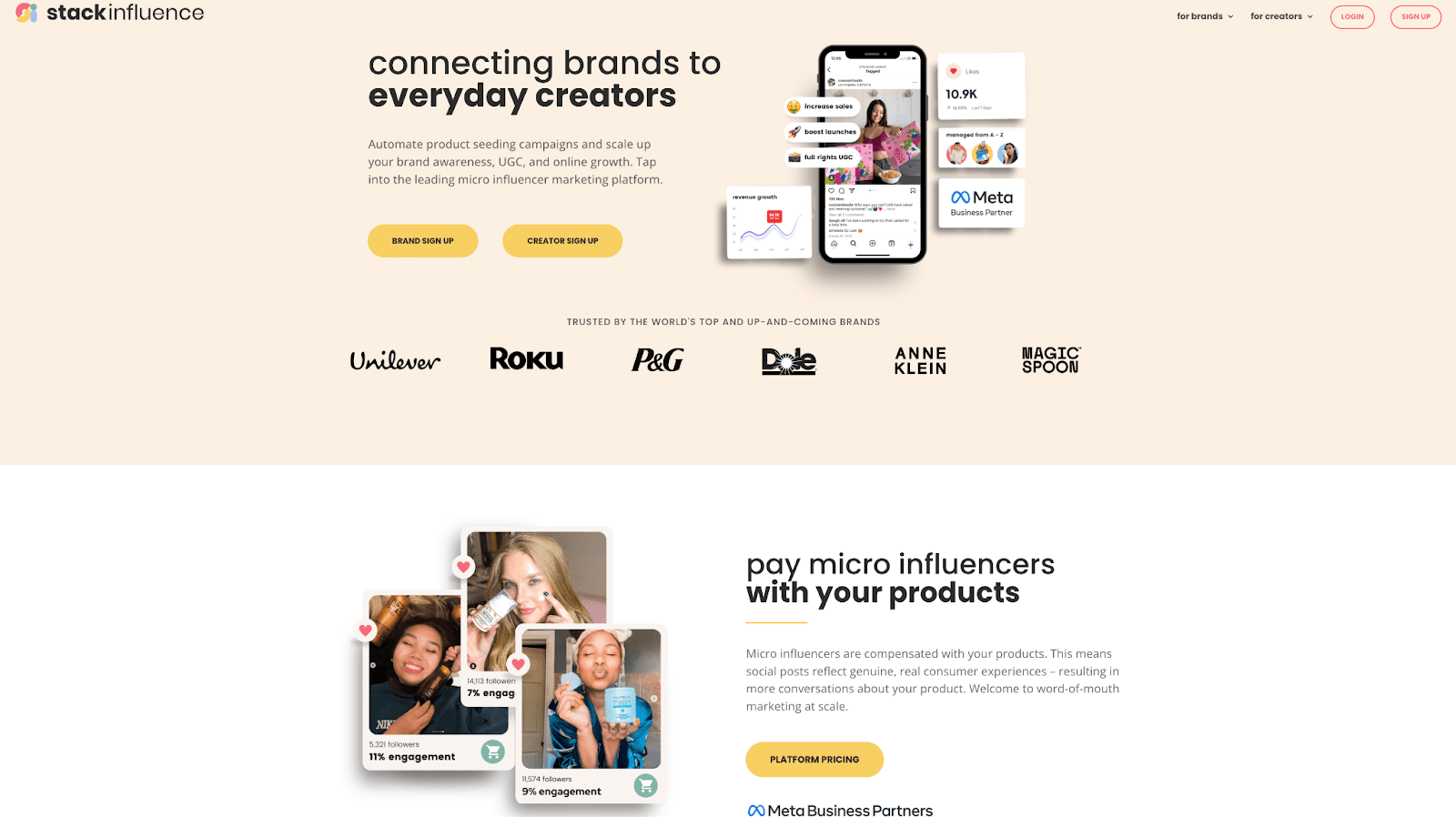
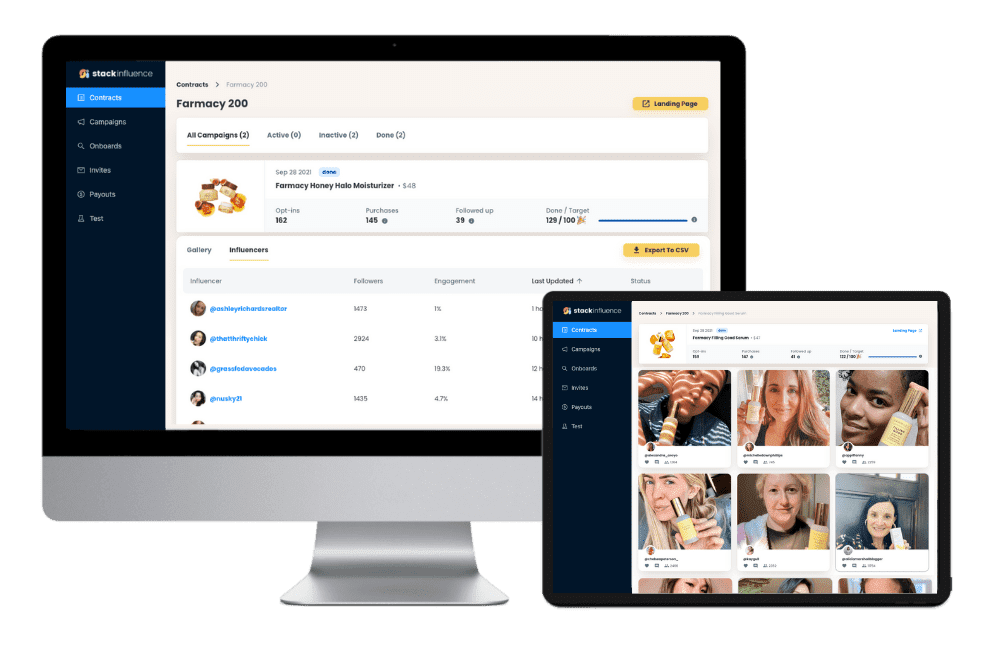
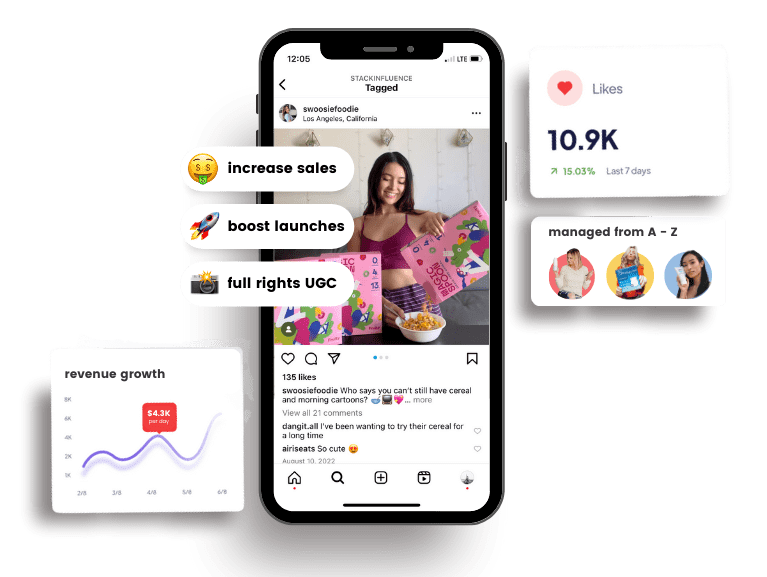
Stack Influence isn’t a traditional social network – it’s a micro-influencer marketing platform designed to connect creators with brands for paid campaigns. This platform is purpose-built for nano and micro influencers, emphasizing authentic user-generated content (UGC) and product collaborations. What sets Stack Influence apart is its focus on e-commerce and Amazon products: brands use it to scale campaigns with hundreds of micro creators, and in turn, those creators earn cash (and sometimes product perks) for promoting items they genuinely enjoy.
Key differentiators:
-
- Built for micro influencers: Unlike mainstream apps chasing mega-celebrities, Stack Influence prioritizes everyday creators with smaller followings but higher engagement. This is ideal for DTC brands and Amazon sellers looking for relatable advocates.
- Easy brand deals: The platform streamlines finding and securing paid collaborations. Influencers can apply to campaigns, create UGC content (like product reviews, unboxings, lifestyle pics), and get paid without the usual back-and-forth hassle.
- Automation & AI: Stack Influence uses automation to handle recruiting, communication, and even payment processing. Creators can focus on content while the platform tracks deliverables and ensures timely payouts.
- Built for micro influencers: Unlike mainstream apps chasing mega-celebrities, Stack Influence prioritizes everyday creators with smaller followings but higher engagement. This is ideal for DTC brands and Amazon sellers looking for relatable advocates.
For a creator, Stack Influence feels like a shortcut to monetize your content – you sign up, match with brand campaigns, and earn cash or rewards for your posts. For brands, it’s a way to generate lots of authentic content and social proof quickly. In short, Stack Influence turns micro influencer marketing into an efficient two-sided marketplace where quality content meets real compensation. (CTA: If you’re an e-commerce brand ready to scale up UGC, Stack Influence offers an easy starting point.)
2. TikTok
TikTok remains one of the hottest apps for creators to earn money with short-form video content. In 2024, TikTok revamped its monetization by launching the Creator Rewards Program (replacing the old Creator Fund). This program pays creators for popular videos, especially longer ones over 1 minute that drive strong engagement. To qualify, you need at least 10,000 followers and 100,000 video views in the last 30 days – a clear sign that TikTok rewards creators who’ve built a consistent audience. Once in, you’ll earn payouts based on metrics like watch time, originality, and engagement.
Other ways TikTok pays creators include LIVE Gifts, where fans send virtual gifts during livestreams that you can convert into cash. TikTok’s also experimenting with ad-revenue sharing on longer videos through its TikTok Pulse program (for top creators/advertisers). For micro influencers below the 10k follower mark, direct brand partnerships, sponsored TikToks, and affiliate marketing remain lucrative – many e-commerce brands scout TikTok for UGC creators to feature their products. The key is consistent, high-quality content: TikTok’s algorithm can catapult even niche creators into virality, leading to real income from views or brand deals. Brands, on the other hand, should note that a trending TikTok video about a product can drive a surge in sales, making TikTok creators valuable partners.
3. Instagram
Instagram isn’t just for pretty pictures – it’s a robust platform for creator monetization, especially after all the new features rolled out by Meta. As of 2026, creators can make money on Instagram through:
-
- Reels and Live bonuses: While the old Reels Play bonus program has ended, Instagram now lets fans send Gifts on Reels (virtual tips on short videos) and purchase Badges during Live streams to support their favorite creators. These small payments add up for engaging content.
- Paid Subscriptions: Many influencers offer exclusive Stories, Lives, or content to subscribers for a monthly fee (often $4.99 or similar). If you have a loyal niche audience, subscriptions create a steady income stream.
- Affiliate and Shops: Instagram Shopping tools enable creators to tag products in their posts or run an Instagram Shop. You earn commissions on any sales driven by your content (great for fashion, beauty, and tech influencers partnering with brands).
- Branded content and marketplace: Perhaps the biggest revenue source is still sponsored posts. Instagram’s Creator Marketplace helps connect brands with influencers for paid partnerships. Even micro influencers can get paid by brands in their niche (free products or fees) to create posts or Reels featuring a product.
- Reels and Live bonuses: While the old Reels Play bonus program has ended, Instagram now lets fans send Gifts on Reels (virtual tips on short videos) and purchase Badges during Live streams to support their favorite creators. These small payments add up for engaging content.
To access most Instagram monetization tools, you need a Creator or Business account and to comply with Instagram’s partner policies. There’s no set follower minimum for many features (aside from things like 10k for linking Stories in the past, which has changed now), so micro influencers can start earning if they have an engaged community. For brands, Instagram offers a goldmine of UGC and influencer content – it’s visual, highly engaging, and shopping-friendly. When an influencer shares your product in a Reel or Story, it can directly translate into traffic and sales. In sum, Instagram provides multiple pathways for creators to earn real money while doing what they love (photography, dance, DIY, etc.), and it remains one of the most important platforms for influencer marketing.
Unlock the Power of Micro Influencers and Elevate your Brand Today!
4. X (Formerly Twitter)
Twitter, now rebranded as X, has transformed into a creator-friendly platform by introducing monetization features that pay users for their content. In 2025, X rolled out Ads Revenue Sharing – allowing eligible creators to get a share of ad revenues from ads shown in replies to their tweets. The catch: you must be an X Premium subscriber (paid tier), have at least 500 followers, and generate a high volume of impressions (about 5 million in the last 3 months) to qualify. It’s a high bar, but some creators have reported significant payouts once in. In fact, early 2026 reports showed creator payouts on X doubling or tripling after X increased its rewards, making it “feel like a real income stream” for the first time.
Beyond ad revenue, X also enables creator subscriptions (formerly called Super Follows). Content creators can offer subscribers exclusive tweets, subscriber-only Spaces, or other perks – essentially a Patreon-like model built into Twitter. Many set subscription prices in the $2.99–$9.99 range to allow fans to support them monthly. Additionally, creators can receive Tips through integrated tipping (using payment services) for one-off contributions from followers who appreciate their work.
X is ideal for creators who excel at writing engaging posts, threads, or news commentary. Niche experts (finance, tech, sports, etc.) and meme accounts alike have found audiences willing to pay for insider content or just to show support. For brands, the implication is that Twitter’s influencers are now more incentivized to grow and engage their following. A witty micro influencer who consistently goes viral on X could be a great partner for brand shoutouts, especially now that the platform rewards genuine engagement (so quality content is paramount). Bottom line: X has evolved from just a microblogging site into a place where creators get paid for tweets, making it a noteworthy addition to any list of apps that pay real money.
5. Snapchat
Snapchat might not dominate headlines like TikTok or Instagram, but it’s quietly one of the apps that pay creators real money – if you meet the criteria. Snapchat’s creator monetization has two main tracks:
-
- Spotlight and Stories ad revenue: Snapchat introduced a Unified Monetization Program that shares ad revenue with creators for content on Spotlight (Snapchat’s short-form video feed, akin to TikTok) and Public Stories. Creators who post consistently and rack up views can get a cut of the ads shown. The requirements are pretty steep – reports suggest needing tens of thousands of followers and millions of views (Snapchat’s official line is an invite-only program for those with 50k+ followers and 10M+ views in 28 days, among other metrics). It’s tough, but once you’re in, a viral Spotlight can literally earn you passive income from the ads Snapchat inserts.
- Snap Star Collab: For more established creators (Snap Stars), Snapchat offers a Creator Collab feature – basically a marketplace where brands launch sponsored campaigns and invite Snap creators to participate. If you become a verified Snap Star, you can get paid partnerships directly through the app, managing the whole campaign (deliverables, posting, payment) inside Snapchat. It streamlines influencer marketing similarly to how TikTok and Instagram have marketplaces.
- Spotlight and Stories ad revenue: Snapchat introduced a Unified Monetization Program that shares ad revenue with creators for content on Spotlight (Snapchat’s short-form video feed, akin to TikTok) and Public Stories. Creators who post consistently and rack up views can get a cut of the ads shown. The requirements are pretty steep – reports suggest needing tens of thousands of followers and millions of views (Snapchat’s official line is an invite-only program for those with 50k+ followers and 10M+ views in 28 days, among other metrics). It’s tough, but once you’re in, a viral Spotlight can literally earn you passive income from the ads Snapchat inserts.
Snapchat’s Spotlight also had famously large payouts in its early days (remember the $1 million a day pool?), although that has leveled out now. Still, creative individuals making engaging AR Lens videos, comedy skits, or day-in-life vlogs can find Snapchat rewarding, especially since competition on Spotlight is less fierce than TikTok. For brands in niches like beauty, fashion, or Gen Z-focused products, partnering with Snapchat influencers or running Story takeovers can be a unique angle – Snapchat content often feels more personal and raw, which can translate to authentic UGC. If you enjoy making quick, fun videos and building a loyal following, Snapchat offers real ways to make money from your snaps through both ad sharing and brand deals.
6. YouTube
No list of money-making platforms would be complete without YouTube, the veteran in creator monetization. YouTube has a well-established Partner Program (YPP) that lets creators earn a share of the ad revenue on their videos. To join, you need to reach a threshold: 1,000 subscribers and either 4,000 hours of watch time in the past 12 months or 10 million Shorts views in 90 days. It’s an achievable goal for dedicated creators – and once you’re in, YouTube automatically shares advertising revenue on your videos. Creators typically earn roughly 55% of the ad revenue, which can translate into substantial income if your videos get lots of views over time.
Beyond ads, YouTube offers multiple revenue streams for creators:
-
- Channel Memberships: Fans pay a monthly fee for perks like exclusive live chats or badges, providing steady income.
- Super Chat & Stickers: During live streams, viewers purchase highlighted messages or fun stickers that give creators extra cash – popular with gamers and live event hosts.
- YouTube Shopping and Affiliate: Integration with merchandise shelves or affiliate product links allows influencers (especially tech reviewers, DIYers, etc.) to earn from product sales.
- BrandConnect: YouTube’s influence in the brand deal space is huge. Many creators earn the bulk of their money by doing sponsored content (like integrated product mentions or dedicated review videos). YouTube even has a BrandConnect program to help match creators with sponsors.
- Channel Memberships: Fans pay a monthly fee for perks like exclusive live chats or badges, providing steady income.
The beauty of YouTube is its longevity: a good video can keep earning ad revenue for years as long as it gets views. And unlike the fleeting nature of TikToks or Stories, YouTube content is more search-driven (thanks to Google). For e-commerce brands, a review by a YouTube micro influencer can lead to months or years of referral traffic. Many Amazon sellers send products to YouTubers for this reason – unboxing and review videos frequently rank in search results and drive sales. If you’re a creator, YouTube might require more upfront effort (scripting, filming, editing longer videos), but the payoff can be huge. From beauty gurus to gadget reviewers to family vloggers, YouTube continues to pay creators strong revenue and remains a cornerstone of the creator economy.
7. Pinterest
Pinterest has evolved from a simple image-sharing site into a potential income source for creators, especially those in visually driven niches like decor, fashion, DIY, and food. While Pinterest doesn’t have a direct “creator fund” anymore (its short-lived Creator Rewards program was discontinued in 2023), it offers other avenues for earning:
-
- Affiliate Links: Creators can attach affiliate links to the products they Pin. For example, a home decor micro influencer might Pin a stylish lamp with her Amazon Affiliate link; when someone clicks and buys, she earns a commission. Because Pins have long shelf lives (often resurfacing in searches months later), one viral Idea Pin or pinboard can generate passive affiliate income over time.
- Product Tagging & Shoppable Pins: Pinterest allows approved creators to create shoppable Idea Pins where you tag products directly. This is great for UGC-style content – you might make a “Fall Outfit Ideas” pin and tag each item with a product link. If people tap through and purchase, you earn.
- Sponsored Content: Many brands collaborate with Pinterest creators for sponsored pins or boards. For instance, an e-commerce brand might pay a Pinterest influencer to create a series of Pins featuring their new product line. These deals are often arranged off-platform (e.g., via influencer platforms or direct outreach), but the content lives on Pinterest and drives traffic to the brand’s site.
- Affiliate Links: Creators can attach affiliate links to the products they Pin. For example, a home decor micro influencer might Pin a stylish lamp with her Amazon Affiliate link; when someone clicks and buys, she earns a commission. Because Pins have long shelf lives (often resurfacing in searches months later), one viral Idea Pin or pinboard can generate passive affiliate income over time.
One big advantage of Pinterest: it’s highly searchable and evergreen. A helpful infographic or a beautiful recipe pin can keep attracting views (and generating earnings) long after it’s posted. Creators who blog or sell products also use Pinterest to drive traffic to their own monetized sites or Etsy shops. For e-commerce businesses, partnering with Pinterest content creators can be very fruitful – their pins showcasing your product can rank in Pinterest search and Google Image search, acting as persistent visual ads created as UGC. In 2026, Pinterest might not be writing creators a check each month like YouTube does, but it’s still a platform where great content indirectly equals real money through affiliate sales and brand partnerships.
8. Facebook
Facebook, as part of Meta, has integrated many of the same creator monetization features as Instagram (and some of its own). If your audience is active on Facebook Pages or Groups, you can definitely earn money from your Facebook content. Key monetization methods include:
-
- In-Stream Ads: If you create video content on Facebook (especially longer videos), you can enable in-stream ads (after meeting eligibility like 10k followers and certain view counts). Facebook will share ad revenue for ads shown during your videos. This works similarly to YouTube’s model, rewarding creators who keep viewers engaged till ad breaks.
- Fan Subscriptions: Facebook lets creators offer subscriptions on their Pages. Fans can subscribe for a monthly fee to get exclusive content or a supporter badge. It’s another way to build steady income from your top followers.
- Stars (Virtual Tips): During Facebook Live streams (or even on certain video posts), viewers can send Stars, which are essentially paid tips (1 Star = $0.01 to the creator). Popular live streamers – from gamers to crafters – often earn significant money when their fans send bursts of Stars to show appreciation.
- Branded Content & Collabs: Facebook has a Brand Collab Manager tool where influencers can connect with brands looking for sponsored content. Even without it, many micro influencers monetize by doing sponsored posts in Facebook groups or on their pages, especially in niches like parenting, fitness, or tech gadgets.
- In-Stream Ads: If you create video content on Facebook (especially longer videos), you can enable in-stream ads (after meeting eligibility like 10k followers and certain view counts). Facebook will share ad revenue for ads shown during your videos. This works similarly to YouTube’s model, rewarding creators who keep viewers engaged till ad breaks.
To succeed financially on Facebook, you typically need a strong follower community (Facebook emphasizes meaningful communities). For instance, a micro influencer running a niche DIY decor page could monetize tutorials via in-stream ads and simultaneously have a subscriber group for premium tips. Facebook’s demographic skews a bit older than TikTok or Insta, but that often means higher purchasing power – a great insight for Amazon sellers advertising products. If a creator’s video goes viral on Facebook, not only can it bring ad revenue, but it might drive tons of traffic to an e-commerce store or Amazon listing if linked. Overall, Facebook might not be the trendiest platform for Gen Z, but it provides a robust set of earning tools that turn social content into paychecks for those who leverage them.
9. Kick
For creators who love to live stream, Kick has burst onto the scene as one of the most lucrative platforms. Kick is a newer streaming platform (launched in 2023 as a Twitch competitor) that gained attention by offering an unheard-of 95/5 revenue split in favor of creators. This means streamers keep 95% of subscription revenue from their fans (compared to Twitch’s 50% cut for most streamers). If a viewer subscribes to your channel for $5, you take home $4.75 – an extremely generous deal. For creators trying to earn real money, that high share can make a big difference, turning a modest fanbase into solid income.
Kick also has tipping and donation features (often called “gifts” or similar), letting viewers contribute directly during a live stream. The platform initially became popular among gaming and casino streamers, but it’s expanding to include lifestyle streamers, podcasts, and more. It has looser content moderation than Twitch, which has drawn some controversy, but also freedom for creators to stream various content. The low payout threshold and fast withdrawals on Kick are additional perks – you don’t need to be a huge name to start cashing out earnings.
For micro influencers or budding creators, Kick is attractive because you’re financially rewarded more for the same audience size than on other platforms. E-commerce brands might not be advertising on Kick as much yet, but there is potential: for example, a tech gadget seller could sponsor a mid-tier Kick streamer to showcase a product during a gaming stream. Given Kick’s generous payouts, creators are highly motivated to grow their following there. If you can build a loyal live audience (even a few dozen regulars), Kick ensures you keep the majority of your subscription and tip income – making live streaming a viable side hustle or even career. It’s a platform to watch in 2026 for anyone looking to maximize their earnings from streaming content.
10. Substack
Not all creator platforms are about videos and photos – Substack proves that writing can pay off, too. Substack started as a newsletter platform and has blossomed into a full-fledged creator ecosystem where writers, journalists, and thought leaders earn money directly from their audience. On Substack, you can launch your own newsletter (and even podcast or community) and offer paid subscriptions to readers. Many content creators use Substack to share in-depth articles, analysis, or creative writing and charge a monthly or annual fee for full access. The platform handles the paywall and takes a roughly 10% cut, leaving 90% to the creator. Even with a small but dedicated readership, a writer can earn a meaningful income – for instance, 500 subscribers paying $5/month yields $2,250 per month to the writer (after Substack’s fee).
What makes Substack one of the apps that pay real money is its simplicity: you don’t need millions of views or a viral hit, you just need content that a core audience values. Some successful Substack writers are journalists who left media companies to go independent; others are niche experts (in finance, tech, parenting, etc.) who built a community willing to pay for their insights. Substack also introduced features like Notes (a short-form feed) and discussion threads, giving it a bit of a social media feel where your free followers can engage, and you can attract new subscribers. Creators can also receive tips and one-time payments if they enable that, adding another revenue stream beyond subs.
The appeal is a predictable income: since subscribers pay on a recurring basis, you’re not at the mercy of algorithms for ad pennies but rather building your own membership base. From a brand or e-commerce perspective, Substack creators can be valuable partners too. They often have high-trust relationships with their readers. A mention or review in a newsletter by a respected creator can drive traffic and sales (almost like a mini press release). Some brands sponsor newsletters or invite Substack writers to affiliate programs. If you’re a content creator who excels in writing or have deep knowledge on a topic, Substack offers a direct path to monetize your expertise in 2026 – proving that UGC isn’t only videos; written content has a paying audience as well.
Other Noteworthy Platforms: The digital landscape is always evolving. Newcomers like Threads (Meta’s text-based app) are experimenting with bonus programs for early adopters, and apps like Lemon8 (a TikTok sister app blending Instagram/Pinterest styles) are attracting lifestyle creators – though their built-in monetization is still emerging. Even Reddit launched a Contributor Program to reward informative posters with cash for awarded content. And globally, apps such as Kuaishou (Kwai) are rivaling TikTok by paying creators via gifts, funds, and e-commerce features in regions like Asia and Latin America. As a brand or creator, it’s wise to keep an eye on these rising platforms. But the ten apps we detailed above represent the most proven avenues for earning real money from your content going into 2026.
Unlock the Power of Micro Influencers and Elevate your Brand Today!
Conclusion to Apps That Pay Real Money
The creator economy offers more opportunities than ever for both creators and brands. We’ve covered how the top apps that pay real money – from TikTok’s video rewards to Instagram’s shopping tools and niche platforms like Substack – empower creators to turn posts into paychecks. For content creators, the takeaway is clear: diversify your income streams. Leverage a mix of ad revenue, fan support (gifts, subscriptions), and brand partnerships to maximize earnings. Remember, nearly half of creators earn the majority of their income from brand deals – so engaging with brands (on platforms like Stack Influence or via in-app marketplaces) can significantly boost your revenue.
For e-commerce brands and Amazon sellers, this is a wake-up call to engage with the influencer/UGC space. These apps are where your customers spend time, and creators on these platforms know how to speak to those audiences. By collaborating with micro influencers and UGC creators, you not only get authentic content, but you also tap into the trust and community these creators built. Whether it’s a TikTok influencer’s review that drives a product sell-out, or a series of Instagram UGC posts that build your brand’s credibility, investing in creator partnerships can yield massive ROI.
2026 is the year to get proactive: if you’re a creator, sign up on a new platform, start that newsletter, or try a live stream – multiple income sources will cushion you as algorithms change. And if you’re a brand, consider shifting some ad budget to influencer marketing or using platforms like Stack Influence to run micro-influencer campaigns at scale. The social media platforms are literally paying creators to succeed – which means more creative, high-quality content is out there for brands to leverage too. In the end, those who embrace these monetization trends will build stronger communities and drive more business. Don’t get left behind – whether you’re creating content or selling products, now is the time to turn those posts into profit. (CTA: Ready to amplify your brand with influencer collaborations? Connect with micro influencers who love your niche and start turning social content into sales.)

By William Gasner
CMO at Stack Influence
William Gasner is the CMO of Stack Influence, he’s a 6X founder, a 7-Figure eCommerce seller, and has been featured in leading publications like Forbes, Business Insider, and Wired for his thoughts on the influencer marketing and eCommerce industries.
Want new articles before they get published? Subscribe to our Awesome Newsletter.
stack up your influence
turning creativity into currency
our headquarters
111 NE 1st St, Miami, FL 33132
our contact info
[email protected]
stack up your influence
turning creativity into currency
our headquarters
111 NE 1st St, 8th Floor
Miami, FL 33132
our contact info



© 2026 Stack Influence Inc
© 2025 Stack Influence Inc
The post Top 10 Apps That Pay Real Money (TikTok & Instagram) in 2026 appeared first on Stack Influence.
