





Top E-commerce Companies 2026: Influencer & UGC Strategies
30th
January, 2026
E-commerce is booming in 2026, with over 2.5 million online stores in the U.S. alone competing for customers. Amid this fierce competition, a select group of top e-commerce companies leads the pack – from household names like Amazon and Walmart to innovative up-and-comers. These industry leaders not only dominate sales; they also set trends in how to reach consumers. Micro influencers, influencer marketing campaigns, and authentic user-generated content (UGC) have become secret weapons for many of these brands. In this article, we’ll explore the top e-commerce companies of 2026 and what sets them apart. You’ll learn how they built their success, including the creative ways they leverage content creators and UGC, and what e-commerce brands or Amazon sellers can take away from their playbooks. Let’s dive in and see how the best in the business are thriving in today’s digital marketplace.
What is an E-commerce Company?
E-commerce (short for electronic commerce) refers to businesses that buy and sell products or services online. An e-commerce company operates digital storefronts – whether on their own website or on marketplaces – to reach customers beyond the limits of physical location. These companies range from giant multi-category retailers (like Amazon or Walmart) to direct-to-consumer (DTC) brands that sell niche products via their own websites. In essence, if a significant portion of a company’s sales happens through online transactions, it’s an e-commerce company. This includes:
-
- Online marketplaces connecting many buyers and sellers (e.g. Amazon, eBay).
- Retail chains with robust online stores (e.g. Walmart, Target).
- Digital-native brands that primarily sell via their website or apps (e.g. fashion startups, subscription box services).
- Online marketplaces connecting many buyers and sellers (e.g. Amazon, eBay).
E-commerce companies have revolutionized shopping, offering convenience, variety, and often lower prices. They invest heavily in technology – from user-friendly mobile apps to recommendation algorithms – to make online shopping seamless. In 2026, e-commerce is mainstream: consumers can buy everything from groceries to furniture online, and competition is intense to deliver the best experience. The companies topping our list have excelled at logistics, customer service, and innovative marketing to become trusted online shopping destinations.
Unlock the Power of Micro Influencers and Elevate your Brand Today!
Top E-commerce Companies in 2026 (and What Makes Them Successful)
Staying ahead in e-commerce requires more than just a website – the leading companies continually innovate in areas like fulfillment, customer experience, and marketing. Below, we spotlight some of the top e-commerce companies in the USA as of 2026, and highlight key factors driving their success. (Note: This list is not exhaustive, but each example offers valuable insights for e-commerce brands.)
1. Stack Influence
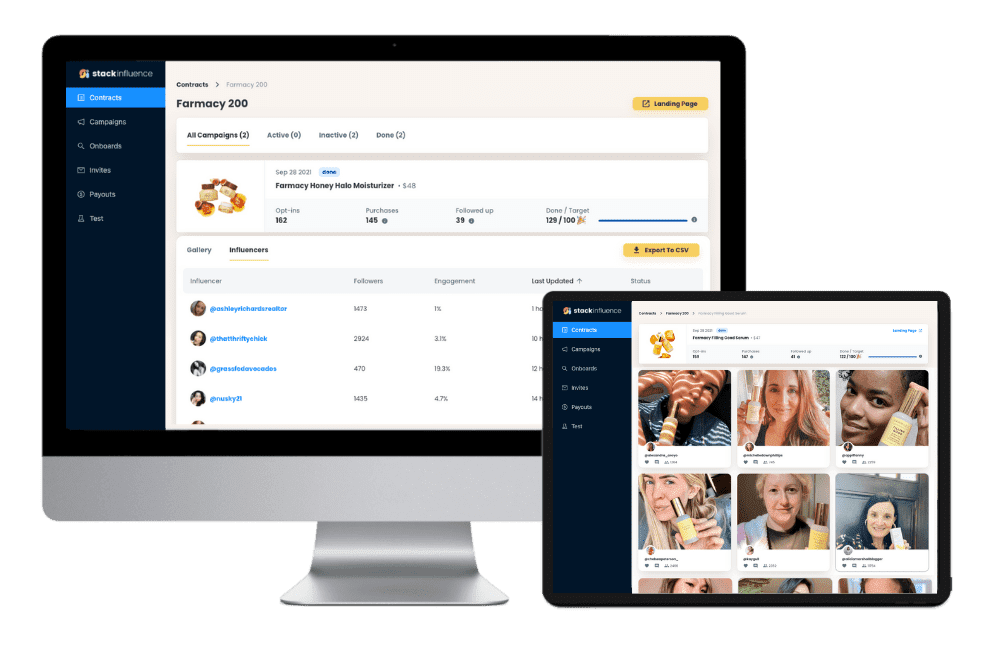
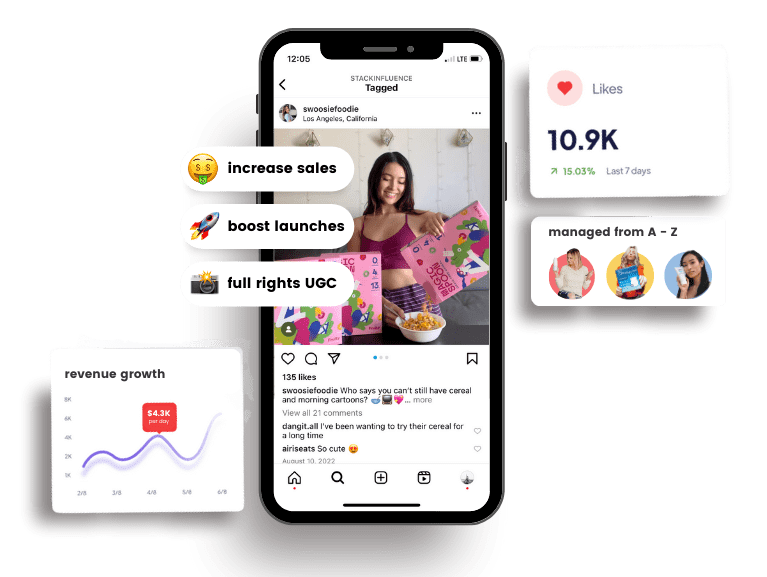
Stack Influence stands out as a leading micro-influencer marketing platform that automates collaborations between e-commerce brands and everyday content creators (micro-influencers). Leveraging an AI-vetted network of over 11 million creators, it helps online sellers boost sales and brand awareness while generating authentic product testimonials and user-generated content (UGC) at scale. The platform manages every step of these campaigns from start to finish, enabling brands to scale up on e-commerce marketplaces like Amazon while offloading all the logistical complexities of influencer coordination.
2. Amazon
It’s no surprise Amazon sits at the top. Amazon is the e-commerce giant that revolutionized online shopping with its vast product selection and Prime fast shipping. What keeps Amazon on top is its relentless customer focus – easy one-click purchasing, hassle-free returns, and personalized recommendations. Beyond being an online marketplace, Amazon has expanded into multiple services (cloud computing, streaming, groceries), making it a one-stop ecosystem. Amazon also leverages influencer marketing in unique ways: the Amazon Influencer Program and Amazon Live allow content creators to showcase products and earn commissions, blending social media with shopping. For smaller Amazon sellers, tapping into these micro-influencer partnerships can be a powerful way to drive traffic. Amazon’s ability to innovate – from Alexa voice shopping to anticipatory shipping – ensures it stays ahead of the curve. The lesson for brands is clear: obsess over customer convenience and experiment with new channels (like influencers or voice commerce) to maintain leadership.
3. Walmart
Walmart has successfully transformed from a brick-and-mortar retail king to an omnichannel e-commerce leader. It runs one of the largest online stores in the U.S., second only to Amazon in market share. Walmart’s edge comes from integrating its physical stores with digital – customers can order online and pick up in-store or get same-day delivery of groceries. The company’s commitment to low prices extends online, attracting budget-conscious shoppers. Walmart is also embracing modern marketing: it launched Walmart Creator, an influencer program enabling content creators to promote Walmart products and earn commissions. By harnessing influencers on TikTok and Instagram, Walmart extends its reach to younger audiences in authentic ways. The takeaway: a strong omnichannel strategy combined with influencer-driven social commerce can propel even traditional retailers into e-commerce’s top tier.
4. Apple
While known for its devices and innovation, Apple is also one of the top e-commerce companies by online sales. Apple’s official online store (and App Store for digital goods) generates massive revenue, thanks to the company’s cult-like brand loyalty. Apple excels by offering a seamless online buying experience – from customizing a new MacBook to scheduling swift delivery or pickup. Their e-commerce success is tied to their product ecosystem, but also to superb customer support (online chat, easy returns) and focus on privacy and trust which reassure buyers. Apple doesn’t rely heavily on influencers in the traditional sense, but it benefits from content creators’ enthusiasm – think of the countless YouTube reviews and unboxing videos whenever a new iPhone drops. This kind of organic UGC boosts Apple’s presence without direct payment. For other brands, Apple illustrates the power of building a passionate community of users who effectively become micro–brand ambassadors on social media. When customers genuinely love your product, user-generated content can become a powerful, free marketing engine.
5. eBay
eBay pioneered online marketplaces and remains a top player by focusing on something Amazon doesn’t: auctions and second-hand goods. eBay’s platform connects millions of buyers and independent sellers, offering everything from rare collectibles to everyday items. Key to eBay’s longevity is its community trust features – seller ratings, buyer protection, and robust dispute resolution. Shoppers enjoy the thrill of bidding as well as fixed-price “Buy It Now” options. eBay’s success is also fueled by niche communities (think sneakerheads or antique collectors) that engage on the platform. Marketing-wise, eBay encourages UGC in the form of reviews and guides, and sellers often use social media or micro-influencers in enthusiast circles to promote their eBay stores. For example, a vintage clothing seller might partner with a fashion micro-influencer who loves thrifted outfits. By fostering trust and catering to reseller entrepreneurs, eBay stays relevant as a top e-commerce site decades after its launch.
6. Target
Target has emerged as an e-commerce leader by cleverly blending its trendy brand image with digital convenience. The retailer’s website and app offer a smooth shopping experience, complete with local store inventory checks and drive-up pickup options. What really sets Target apart is how it leverages social media and influencers to create a “Target lifestyle” appeal. Target frequently collaborates with content creators for campaigns (for example, showcasing seasonal fashion or home décor collections on Instagram under the #TargetStyle hashtag). It also runs the Target Partners affiliate program (often called “Target Creators”), enabling influencers and everyday fans to earn commissions by recommending Target products. This army of micro-influencers posting Target finds has helped the brand stay culturally relevant and visible online. Additionally, Target’s own site features UGC like customer photos and reviews, which build trust. By turning shopping into a shareable experience and tapping into fan communities, Target solidifies its spot among the top e-commerce companies. The brand shows that building a community around your products can significantly amplify your reach.
7. Kroger
Kroger, one of America’s largest grocery chains, has quietly become a top e-commerce contender, especially in the online grocery segment. Through its website and mobile app, Kroger enables customers to order groceries for delivery or curbside pickup with ease. Its success in e-commerce comes from leveraging data and loyalty – Kroger uses its famous loyalty card data to personalize online specials and recommendations for each shopper. They also emphasize freshness and trust, allowing customers to leave notes for personal shoppers or easily request substitutions, mimicking the personal touch of in-store service. Kroger has also invested in sustainable practices (like zero-waste packaging for deliveries), appealing to eco-conscious consumers. Marketing for Kroger’s online services often involves local micro-influencers – for example, family bloggers or nutritionists showing how they meal-plan using Kroger’s delivery service. By focusing on customer experience and community values (health, family, sustainability), Kroger has successfully translated supermarket loyalty into the digital realm. The result: it stands out in a competitive grocery e-commerce space and offers lessons in how personalization and authenticity can drive online growth.
8. Etsy
Etsy represents a different slice of the e-commerce world: it’s the go-to marketplace for handmade, artisan, and vintage items. Etsy’s rise to the top has been fueled by its unique value proposition – you can find one-of-a-kind crafts and gifts that aren’t available on big retail sites. Etsy’s success factors include supporting small sellers (millions of creative entrepreneurs worldwide) and fostering a personal connection between buyers and makers. The platform provides tools for sellers to thrive, from marketing support to analytics, helping even micro businesses reach a wider audience. Etsy leans heavily on UGC and community; for example, shoppers often post photos of items in their homes or wearables on social media, effectively advertising the sellers’ shops. Many Etsy sellers collaborate with micro-influencers or content creators in their niche – think a DIY decor influencer featuring Etsy wall art in a room makeover video, or a popular mom blogger dressing her kids in Etsy boutique clothing. Such partnerships are natural and authentic, aligning with Etsy’s grassroots vibe. The key insight from Etsy is that community and authenticity drive trust in e-commerce. By enabling peer-to-peer interaction and showcasing real stories behind products, Etsy has secured its place among 2026’s top e-commerce companies despite being up against far larger retailers.
9. Shein
Shein is a relative newcomer that has taken the U.S. fast-fashion market by storm. Though founded in China, Shein’s massive popularity in the USA makes it one of the top e-commerce companies to watch. How did Shein explode onto the scene? A big factor is its aggressive social media strategy and influencer engagement. Shein adds thousands of new, ultra-trendy clothing items weekly at very low prices, and it spreads virally on platforms like TikTok and Instagram. The brand frequently sends free outfits to content creators and micro-influencers, who then haul Shein products in videos – generating huge buzz among Gen Z shoppers. This constant stream of UGC and influencer mentions creates a cycle of trend-driven demand. Additionally, Shein’s app and site use algorithms to quickly spot what’s selling and ramp up production (a rapid inventory turnover model). Customers are incentivized to leave reviews with photos (more UGC), and the sheer volume of shopper content further propels trust and discovery. The Shein case highlights the power of social commerce: nearly 35% of e-commerce sales are now generated via social media platforms like these in 2025, and Shein has capitalized on that trend fully. For other brands, the takeaway is to embrace platforms where your target audience spends time and encourage customers to share – it can catapult brand awareness even if you’re not a traditional retail giant.
10. Nike
Nike might be best known for its retail stores and athletic sponsorships, but it’s also one of the top e-commerce performers as it doubles down on direct-to-consumer online sales. Over the past few years, Nike has strategically pulled back from third-party retailers and encouraged shoppers to buy directly via Nike.com or the Nike app. This strategy paid off: Nike’s e-commerce growth has been strong, supported by their loyal customer base and robust digital infrastructure. Nike’s online success is anchored in its brand community. Through Nike Run Club and Training Club apps, they engage millions with fitness challenges and social features – indirectly driving apparel and shoe sales. Nike also leverages influencer marketing but in a broad sense: they collaborate with star athletes and creators (from LeBron James to popular fitness YouTubers) who embody the brand lifestyle. Additionally, everyday customers often share their Nike stories or outfit photos, which the brand sometimes features on its channels (blurring the line between influencer content and UGC). A notable trend is Nike’s use of micro-influencers in niche sports or local communities – for instance, partnering with a well-followed local running coach on Instagram to promote a new running shoe to that city’s audience. This hyper-targeted influencer approach feels more authentic and yields high engagement. In fact, 64% of marketers have worked with micro-influencers, and 47% say these smaller creators gave them the most success in influencer campaigns. Nike’s approach underlines that having a strong brand identity plus a savvy mix of macro and micro influencer partnerships can drive direct online sales. The key lesson: build a community and use influencers who truly connect with that community to keep your brand momentum strong.
How Influencers and UGC Fuel E-commerce Growth
One common thread among many top e-commerce companies is their embrace of social media, influencers, and UGC as core parts of their strategy. In 2026, online shopping is deeply social. Brands that humanize themselves through real people’s voices often have an edge. Here are a few ways influencers and UGC are propelling e-commerce success:
-
- Social Commerce Boom: Shoppable posts, live streams, and influencer features mean social platforms are now direct sales channels. It’s estimated that over one-third of all e-commerce sales are generated via social media as of 2025. Shoppers might discover a product from a TikTok creator’s video and purchase without ever leaving the app. Top brands invest in these trends by giving influencers early access to products or hosting live shopping events on Instagram/TikTok.
- Micro-Influencers = Macro Impact: Bigger isn’t always better in influencer marketing. Micro-influencers (those with tens of thousands of followers or less) often have higher engagement rates and niche credibility. Consumers trust recommendations from relatable figures. No wonder brands report great ROI with micro-influencer partnerships. For e-commerce startups or Amazon sellers with limited budget, collaborating with a network of micro-influencers can spread brand awareness cost-effectively. These creators produce authentic content – unboxing videos, honest reviews, how-to use products – that serve as persuasive social proof.
- User-Generated Content Builds Trust: UGC, like customer reviews, photos, and testimonials, is modern-day word-of-mouth. Shoppers highly value what other real users say about a product. In fact, 70% of Gen Z and 78% of millennials report that UGC influences their purchasing decisions. Top e-commerce companies highlight UGC on their sites (for example, a gallery of customers wearing the brand’s clothing) to increase trust and conversion. They also encourage sharing – maybe via contests or hashtags – to get more UGC. For a brand, featuring genuine customer voices not only boosts credibility but also creates a community vibe that keeps customers engaged.
- Influencers as Content Creators: Influencer marketing isn’t just about endorsements; it’s also a content strategy. The photos, videos, and stories influencers create can be repurposed by brands in ads, emails, or product pages (with permission). This infusion of influencer-generated creative often outperforms traditional studio ads because it feels more authentic and relatable. Many e-commerce companies now use influencer content in their official marketing, essentially blurring UGC with brand content. The approach saves time on production and aligns with what consumers enjoy seeing.
- Social Commerce Boom: Shoppable posts, live streams, and influencer features mean social platforms are now direct sales channels. It’s estimated that over one-third of all e-commerce sales are generated via social media as of 2025. Shoppers might discover a product from a TikTok creator’s video and purchase without ever leaving the app. Top brands invest in these trends by giving influencers early access to products or hosting live shopping events on Instagram/TikTok.
It’s clear that influencer marketing and UGC are no longer optional for e-commerce success – they’re becoming essential ingredients. Even giant companies like Amazon and Walmart have dedicated programs for creators, and countless direct-to-consumer brands exist today because they went viral on social media. The good news for smaller e-commerce businesses and Amazon marketplace sellers is that you can apply the same strategies on a smaller scale. Platforms like Stack Influence specialize in connecting e-commerce brands with micro-influencers, making it easier to run scalable campaigns that generate buzz and authentic content. In short, tapping into influencers and UGC lets your customers do the talking for you – and their voices often carry more weight than any ad you could buy.
Unlock the Power of Micro Influencers and Elevate your Brand Today!
Conclusion Top E-commerce Companies 2026
The top e-commerce companies in 2026 – from Amazon and Walmart to niche players like Etsy and Chewy – all demonstrate that success in online retail comes from more than just a great product catalog. It requires innovation in customer experience, savvy marketing, and community building. As we’ve seen, leading brands differentiate themselves through fast and convenient shopping, omnichannel services, and by embracing influencers and user content to humanize their marketing.
For e-commerce brand owners, Amazon sellers, and DTC founders, the takeaways are powerful. You don’t have to be the size of Amazon to apply these principles. Focus on your customers and make shopping easy. Encourage and share UGC to build trust. Collaborate with micro-influencers or content creators in your niche to extend your reach authentically. Every brand has a story – let your passionate customers and fans help tell it.
In a rapidly evolving digital market, staying on top means learning from the best. Use these insights from top e-commerce companies as inspiration to refine your own strategy. Whether it’s launching an influencer-driven campaign for your new product line or adding a personal touch to customer service, small improvements can drive meaningful growth. Ready to take your online store to the next level? Start implementing these tactics today – engage your community, experiment with influencer marketing, and deliver value at every step. By doing so, you’ll be positioning your brand to thrive alongside the e-commerce giants, and maybe even become one of the “top e-commerce companies” of tomorrow.

By William Gasner
CMO at Stack Influence
William Gasner is the CMO of Stack Influence, he’s a 6X founder, a 7-Figure eCommerce seller, and has been featured in leading publications like Forbes, Business Insider, and Wired for his thoughts on the influencer marketing and eCommerce industries.
Want new articles before they get published? Subscribe to our Awesome Newsletter.
stack up your influence
turning creativity into currency
our headquarters
111 NE 1st St, Miami, FL 33132
our contact info
[email protected]
stack up your influence
turning creativity into currency
our headquarters
111 NE 1st St, 8th Floor
Miami, FL 33132
our contact info



© 2025 Stack Influence Inc
© 2025 Stack Influence Inc
The post Top E-commerce Companies 2026: Influencer & UGC Strategies appeared first on Stack Influence.
