






Key Takeaways
- Gain an edge by using a tool like timetoreply to lower your average response time, leading to faster sales conversions and better service.
- Prioritize your needs by choosing from campaign-focused tools like Mailchimp or Campaign Monitor, or reply-status trackers like timetoreply or Mailtrack.
- Improve customer satisfaction and team accountability by measuring key metrics like reply speed and conversion rates, promoting a growth mindset.
- Realize that a simple Gmail or Outlook plugin can provide powerful real-time data on open and click rates, proving that insights are easily accessible.
When you send hundreds or thousands of emails each month, tracking your response times and other key metrics is important.
You might think your team is responsive, but do you know your actual average reply time? You might think your marketing emails work, but do you know which ones get people to buy?
Email analytics tools for Gmail and Outlook give you concrete answers to these questions. They keep track of things like open rates, click-through rates, response times, and patterns of engagement.
You can find problems with your customer service, make your sales outreach more effective, and improve the overall performance of your emails with these insights.
In this post, I’ll show you five of the best email analytics tools for Gmail and Outlook that will help you improve your communication performance, accountability, and efficiency.
Here are my top picks.
1. timetoreply
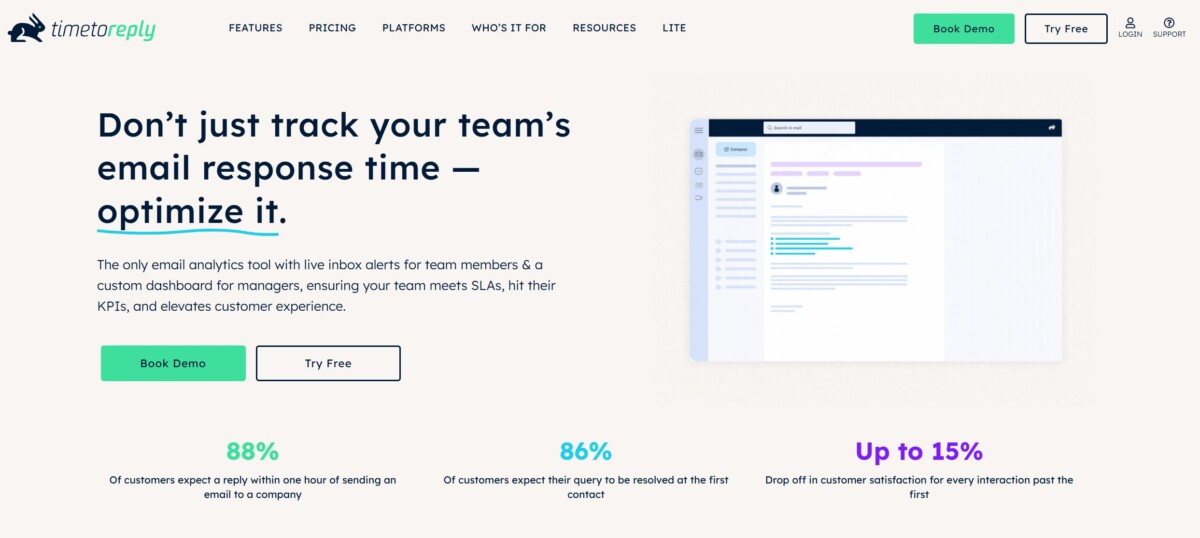
If you want to measure how quickly your team responds to leads or customers, timetoreply can help. It’s one of the most reliable email analytics tools for Gmail and Outlook, designed specifically to track reply times and inbox performance metrics.
With real-time dashboards and SLA tracking, timetoreply helps sales and support teams reduce response delays and deliver faster customer experiences. Its focus on real-time data encourages teams to adopt a growth mindset and make continuous performance improvements.
Key Features
- Real-time email response-time tracking
- SLA monitoring and missed email alerts
- Performance insights per user, team, or department
- Integration with Gmail, Outlook, and other email clients
- Custom reports for management and stakeholders
Pros
- Excellent visibility into reply performance
- Helps identify bottlenecks in communication workflows
- Ideal for support and sales teams focused on quick responses
Pricing
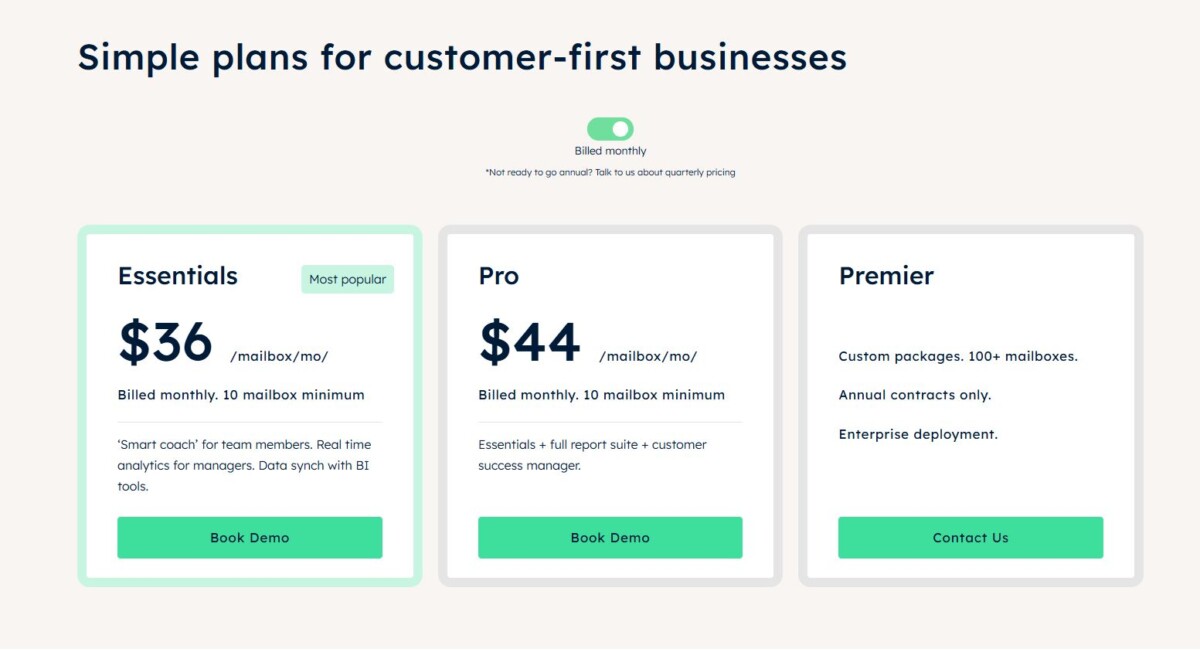
- Essentials: $36 per month
- Pro: $44 per month
- Premier: Custom pricing
2. HubSpot
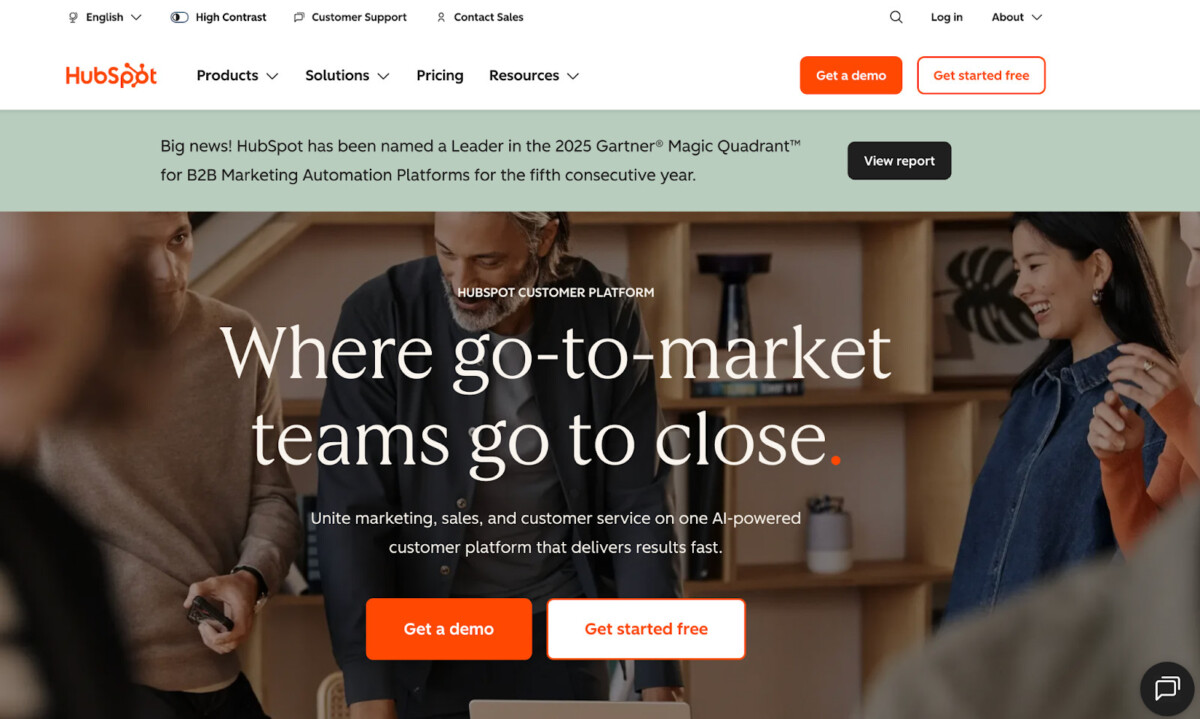
HubSpot is an all-in-one marketing, sales, and CRM platform with powerful email analytics built into its ecosystem. Among email analytics tools for Gmail and Outlook, HubSpot stands out for connecting performance metrics directly to your sales pipeline.
It provides insights into open rates, click-throughs, customer support, response behavior, and how each email contributes to revenue.
Key Features
- Detailed open, click, and engagement tracking
- Real-time notifications when recipients open emails
- Integration with Gmail and Outlook inboxes
- Email templates and A/B testing
- Pipeline and contact-level performance reports
Pros
- Seamless integration between analytics and CRM
- Useful automation for follow-ups and sequences
- Clear data visualization for campaigns and contacts
Cons:
- It can be overkill for small teams that only need analytics
- Advanced reporting requires higher-tier plans
Pricing
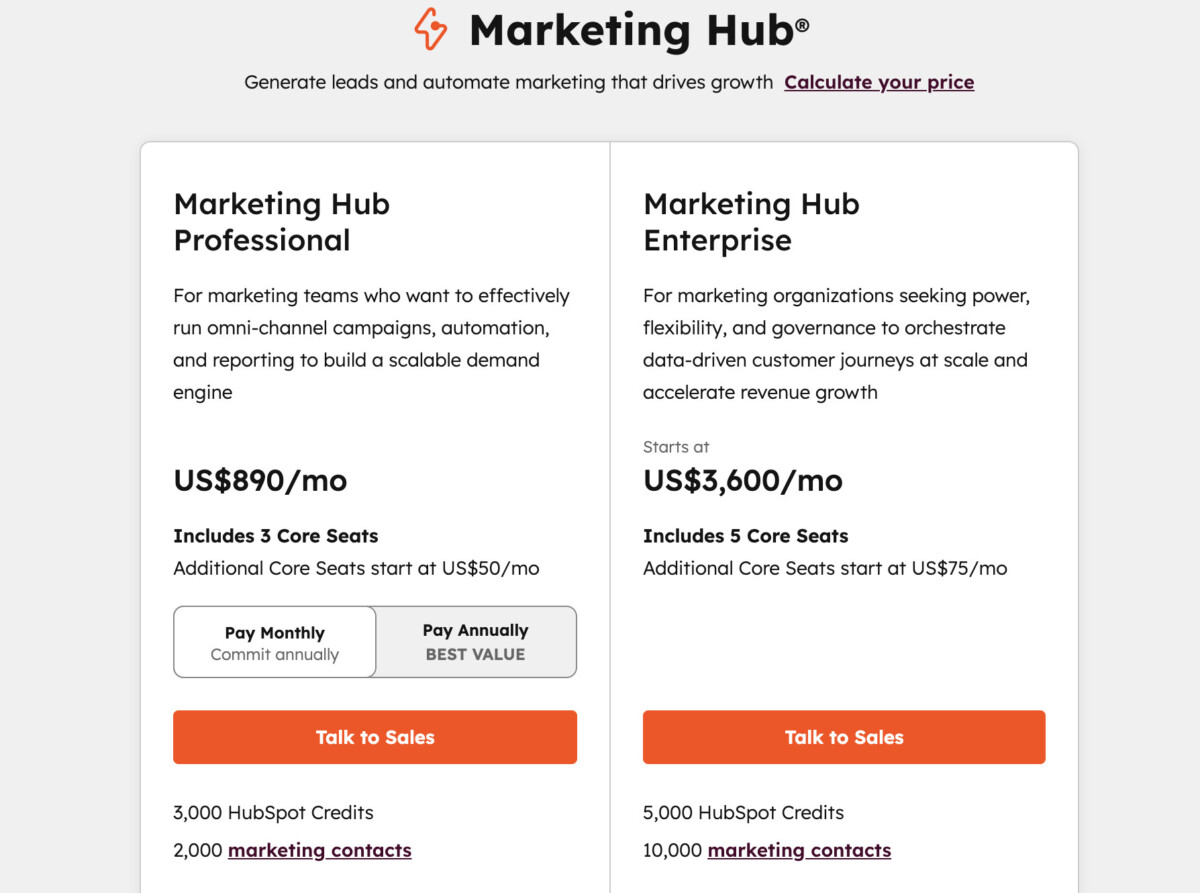
- Marketing Hub Professional: $890/month
- Marketing Hub Enterprise: $3600/month
3. Mailtrack
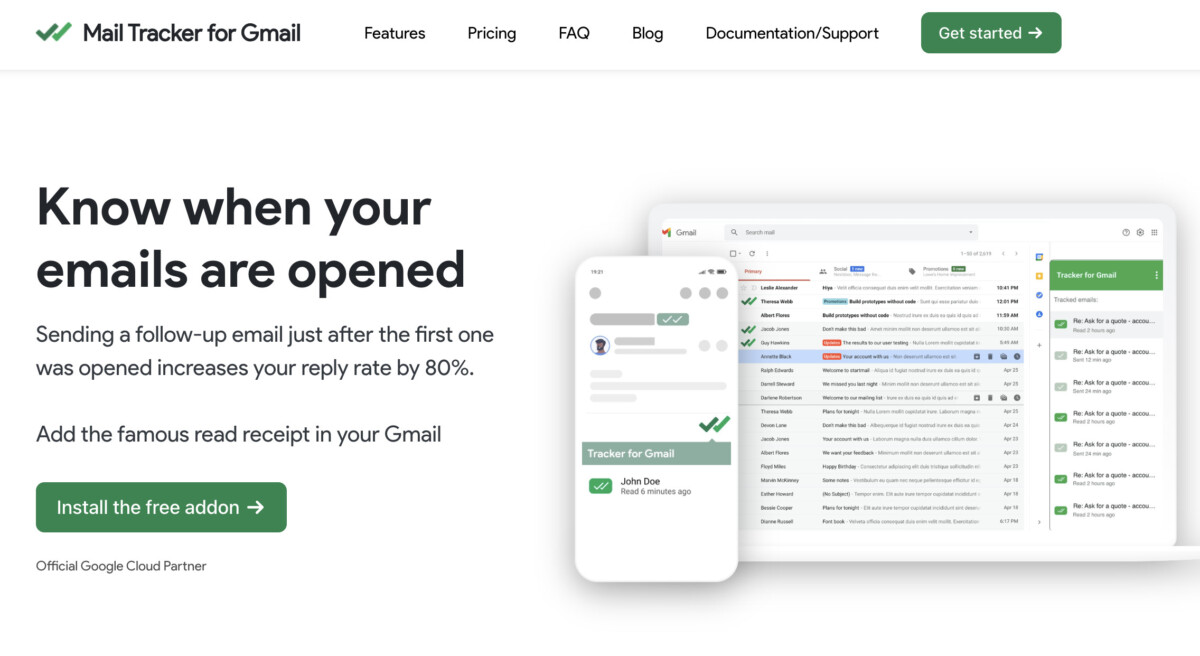
When it comes to simplicity, Mailtrack is a great choice. It’s a lightweight tracking tool for Gmail users that lets you know if your email was opened and how many times.
It’s not a full-blown analytics suite, and that’s its charm. For freelancers, small businesses, and anyone who wants straightforward insights, Mailtrack is one of the most accessible email analytics tools for Gmail and Outlook.
Key Features
- Unlimited real-time open tracking
- Link-click notifications
- Daily performance reports
- Integration with Gmail and Google Workspace
- Optional team reports for shared visibility
Pros
- Fast setup and intuitive interface
- Free plan available with basic tracking
- Reliable notifications and minimal setup required
Cons
- Limited analytics depth compared to larger platforms
- Works best only within Gmail (Outlook compatibility is limited)
Pricing:
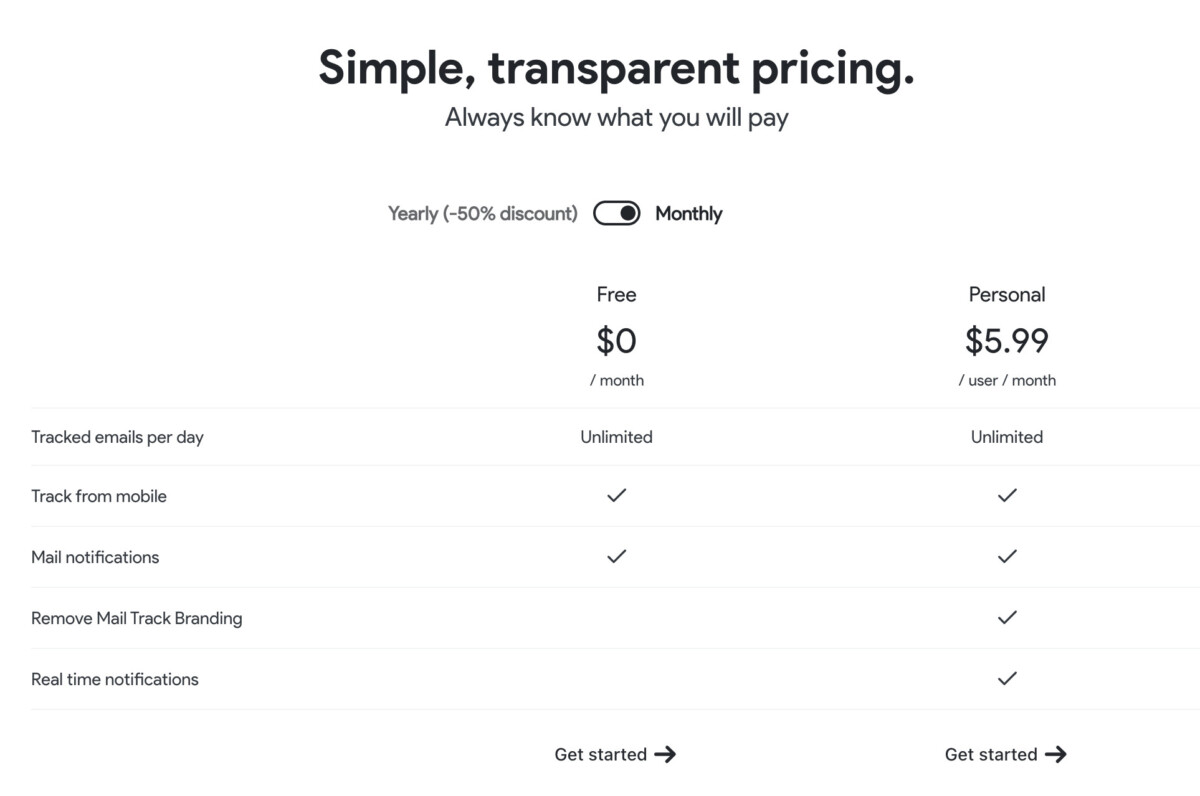
- Free forever plan with basic open tracking
- Personal: $5.99/month
4. Campaign Monitor
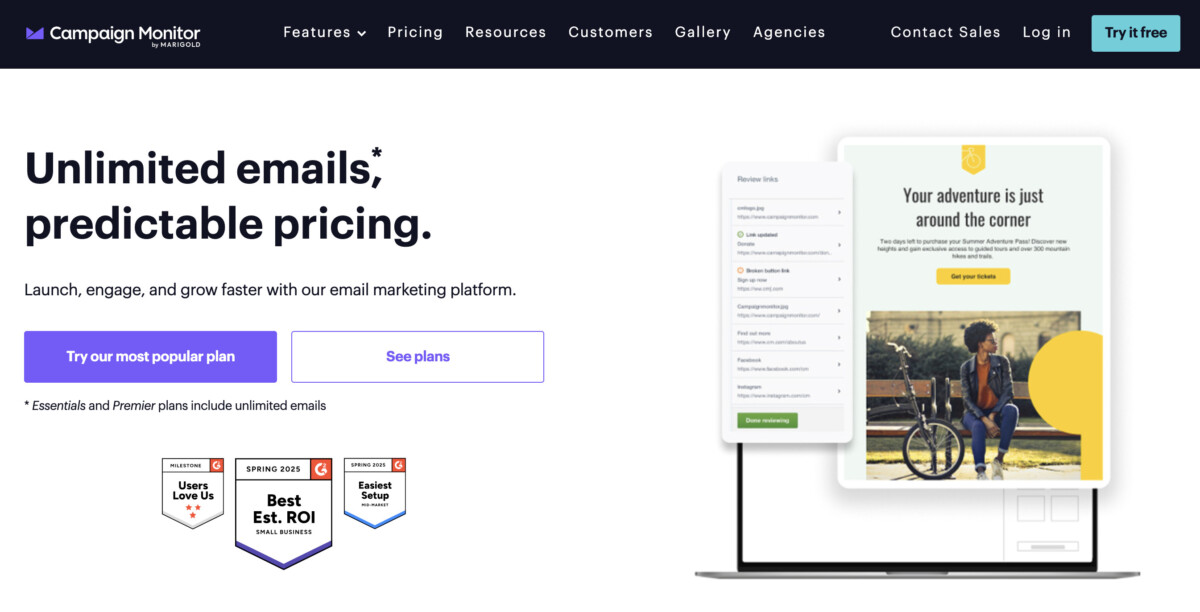
Campaign Monitor has built its reputation on powerful campaign analytics and design simplicity. It’s a great way to keep track of and measure marketing campaigns that you run through Gmail or Outlook.
It has advanced customer segmentation and automation tools that let you turn analytics into action by giving you detailed reports on opens, clicks, and conversions.
Key Features
- Real-time analytics dashboard with campaign comparisons
- Advanced segmentation based on engagement behavior
- Visual journey builder for automated follow-ups
- Integration with Gmail and Outlook through add-ons
- Customizable reporting and export options
Pros
- Beautiful, easy-to-read reports
- Strong automation and audience targeting tools
- Excellent deliverability and compliance reputation
Cons
- No built-in reply analytics (focuses more on campaigns
- More expensive than basic tracking tools
Pricing
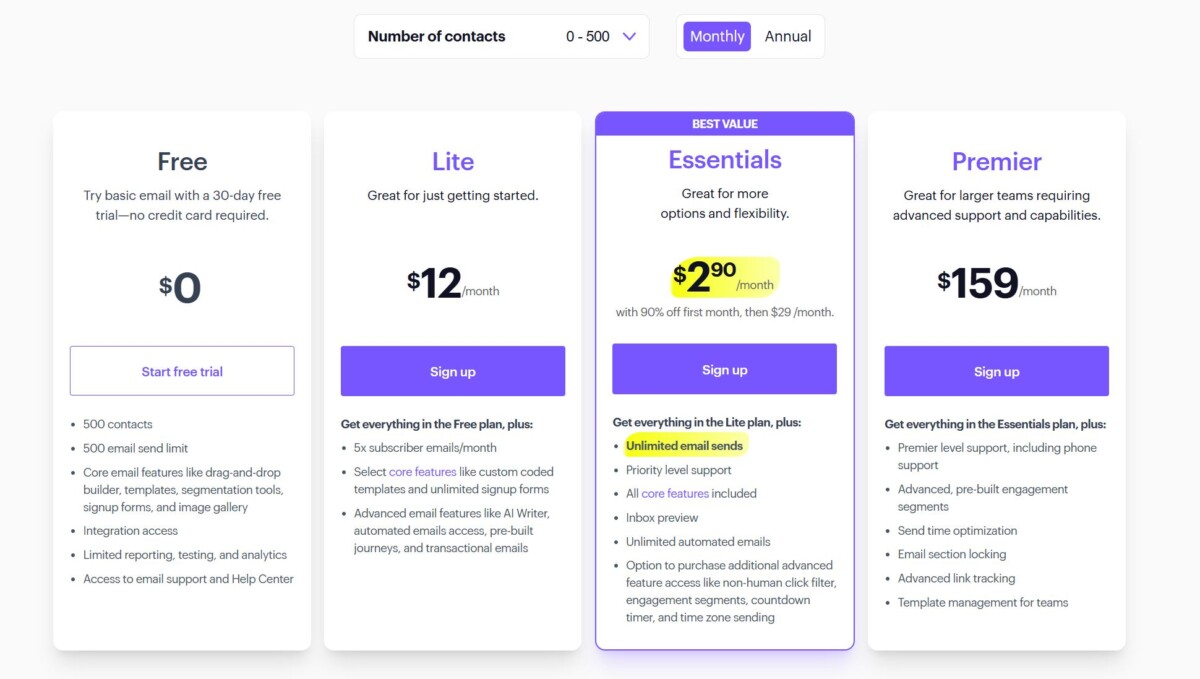
- Free
- Lite: $12/month
- Essentials: $2.90/month (For the first month and then $29/month)
- Premier: $159/month
5. Mailchimp
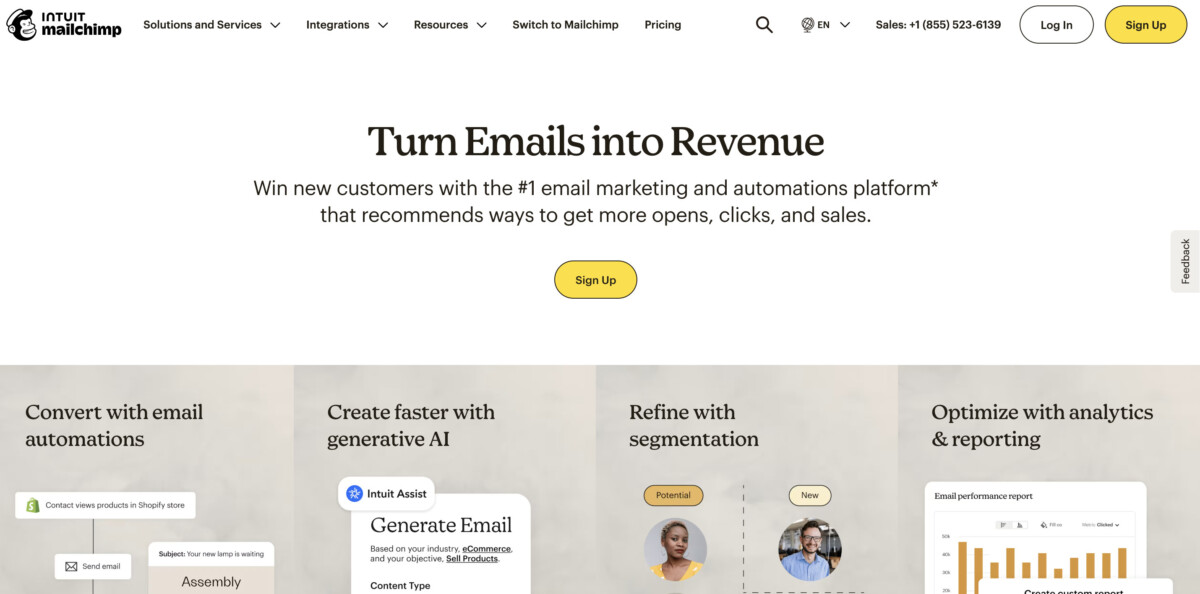
Mailchimp is one of the most recognized names among email analytics tools for Gmail and Outlook, thanks to its balance of marketing automation, email design, and reporting capabilities.
You can track open rates, click-throughs, and audience growth, and it also has automation workflows that grow with your business. Mailchimp’s strong customer segmentation options help you maintain a clean and relevant mailing list, so you spend time nurturing the right contacts rather than spamming inactive ones.
Key Features
- Real-time reporting on opens, clicks, and conversions
- A/B testing for subject lines and content
- Advanced segmentation by audience engagement
- Integration with Gmail, Outlook, and third-party apps
- Predictive analytics for campaign optimization
Pros
- Combines analytics with campaign creation tools
- Great for marketers wanting an all-in-one solution
- Offers built-in recommendations powered by AI
Cons
- Learning curve for beginners
- Some important features are only available with the most expensive plan
Pricing
- Free
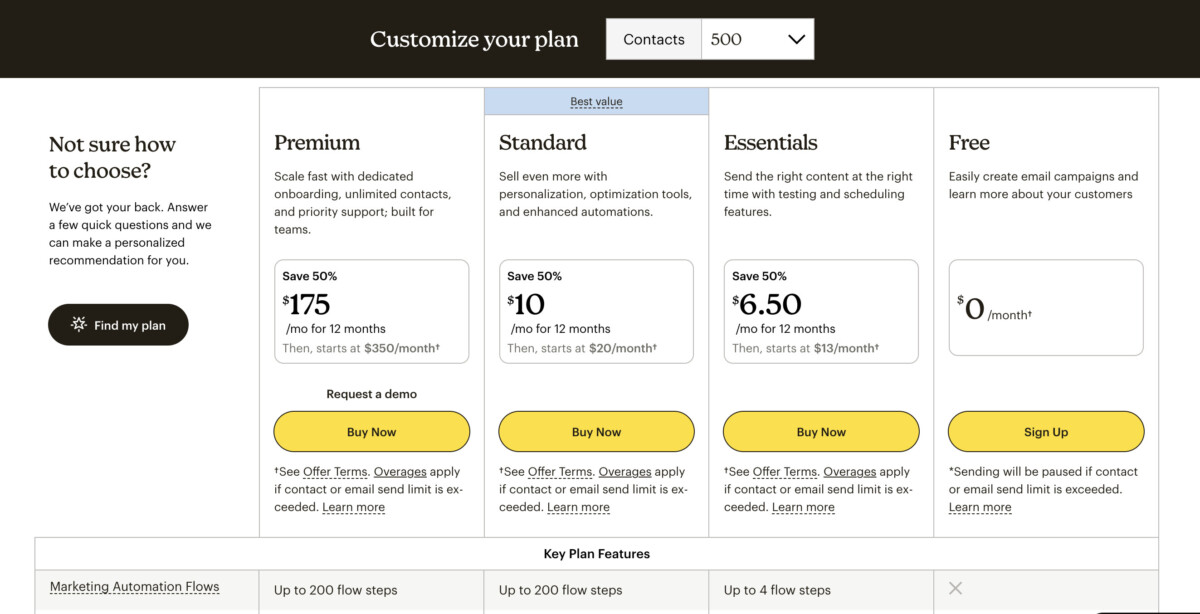
- Essentials: $6.50/month (For the first year and then $13 per month)
- Standard: $10/month (For the first year and then $20 per month)
- Premium: $175/month (For the first year and then $350 per month)
How to Choose the Right Email Analytics Tool
Before picking a tool, apply feature prioritization to make the right choice. Ask yourself:
- Do you need team-level metrics?
- Are you tracking campaign engagement?
- Or do you want full CRM-level insights?
Then, choose a tool based on your requirements and budget.
Conclusion
Choosing the right email analytics tools for Gmail and Outlook isn’t about buying the most advanced platform — it’s about aligning metrics with your business goals.
Whichever path you take, data is only as useful as the action it inspires. Track, learn, and refine, and you’ll see measurable improvements in customer experience, productivity, and revenue.
