




Did you know a great in-store experience can create “supercharged” customers who are more loyal and spend 60% more on average? That’s why the top retail trends aren’t just “nice to know”—they’re the blueprint for meeting (and beating) modern in-store expectations.
Key Takeaways
- Design for omnichannel behavior: keep inventory, pricing, and policies consistent so shoppers can move between online and in-store without friction.
- Remove checkout and fulfillment bottlenecks with a reliable POS system, fast payments, and options like BOPIS and curbside pickup.
- Personalize with purpose: equip staff with the context to help shoppers while using transparent, opt-in data practices customers can trust.
- Turn stores into brand experiences by showcasing your values and creating hands-on moments online shopping can’t replicate.
So, what does it take to not only meet but exceed in-store expectations for today’s shoppers? Let’s break down four consumer trends that retailers with physical stores need to know. Then, download The Essential In-Store Playbook for in-store customer experience filled with actionable tips and tactics to seize every opportunity to win over in-store shoppers.
1. Omnichannel shoppers are more informed
When researching what to buy, retail shoppers do their due diligence. One-third of consumers are spending more time making decisions, considering more brands, and comparing more stores or retailers. And much of this research is done fluidly across channels.
Omnichannel shopping has become the norm, with 75% of U.S. consumers saying they’re researching and purchasing both in store and online. This is especially true of younger generations, who are two to three times as likely to have shopped using emerging media, like social media or virtual try-on.
Where informed shoppers compare you (and how to win)
There are three areas where retailers have the best opportunity to stand out in this fragmented journey: price, convenience, and speed. Price is obviously important; 47% of respondents in a study chose “a great price” as the reason they made a purchase. But convenience and speed can be the difference when a customer is deciding between two similar products.
Research has shown that nearly 80% of shoppers will go to the store to buy when they have an item they need or want immediately, and 73% say physical stores are part of their primary method for purchasing goods. The closest retail location, convenient fulfillment options, and the ability to take a product home the same day can be crucial for securing a sale.
Compete on values, not just convenience
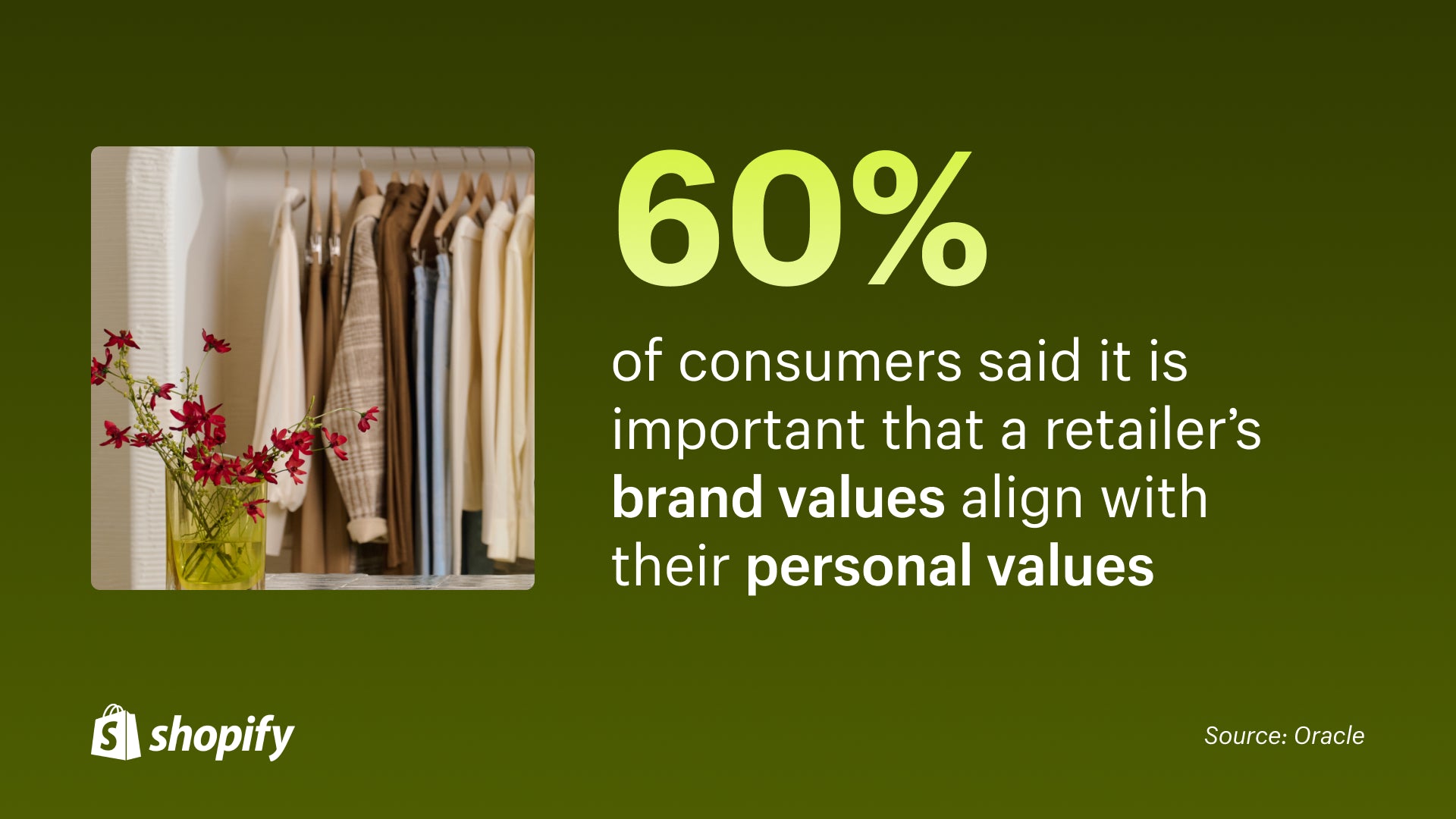
Brands can also stand out with quality and shared values. A study found that 60% of consumers said it is important that a retailer’s brand values align with their personal values.
Shoppers don’t care where they find out about or purchase a product as long as it fulfills their needs. Your brand’s online and physical stores are interchangeable to a shopper, because they’re using both to obtain what they want.
Next, let’s look at the operational expectations that often decide whether a shopper completes a purchase—or walks out.
2. Efficiency and convenience are essential
The more friction a customer encounters, like an item being out of stock or that can’t be shipped to their home, the more likely they’ll be disappointed and take their business elsewhere. Insider Intelligence (eMarketer) reports that product availability remains a leading reason consumers switch brands.
Make checkout feel effortless (and trustworthy)
Retailers can start by nailing the interactions that customers expect from a store: flexible checkout and shopping options. At checkout, your point of sale (POS) system needs to work every time. Customers want seamless, trustworthy payment processing that accepts all major card companies as well as digital wallets.
You can also explore payment options like “buy now, pay later,” which gives customers who are considering expensive purchases the ability to break payments into manageable installments—a trend that’s rising in popularity. And when items are being scanned at checkout, a customer-facing screen that clearly displays pricing, discounts applied, and receipt delivery options can build trust and transparency and prevent avoidable mistakes.
Offer pickup options shoppers already expect
Since 2020, the speed and convenience of in-store and curbside pickup have become a core part of how many shoppers prefer to get online orders. In the PYMNTS report on pickup vs. delivery, 32% of consumers reported using buy online, pick up in store (BOPIS) in 2022, up from 23% in 2021. And US click-and-collect sales were forecast to grow 10.1% to reach $109.36 billion in 2024.
Use the physical store as an extension of your online store, not a separate entity. A unified POS platform that connects in-store and online inventory is a good place to start. By matching the options and efficiency of online shopping with the experiential aspects of your physical store, you’ll be able to offer shoppers the best of both worlds—one of the most important top retail trends shaping store expectations.

Once the basics are frictionless, personalization becomes the differentiator shoppers remember.
3. Shoppers want personalized experiences
After decades of experience with online shopping, modern shoppers are accustomed to retailers knowing what they like. Seventy-three percent of shoppers expect brands to understand their unique needs and expectations (Salesforce, State of the Connected Customer, 2022). And today’s shoppers expect the same personalized experience when they head to the store.
Equip associates to deliver the “personal touch”
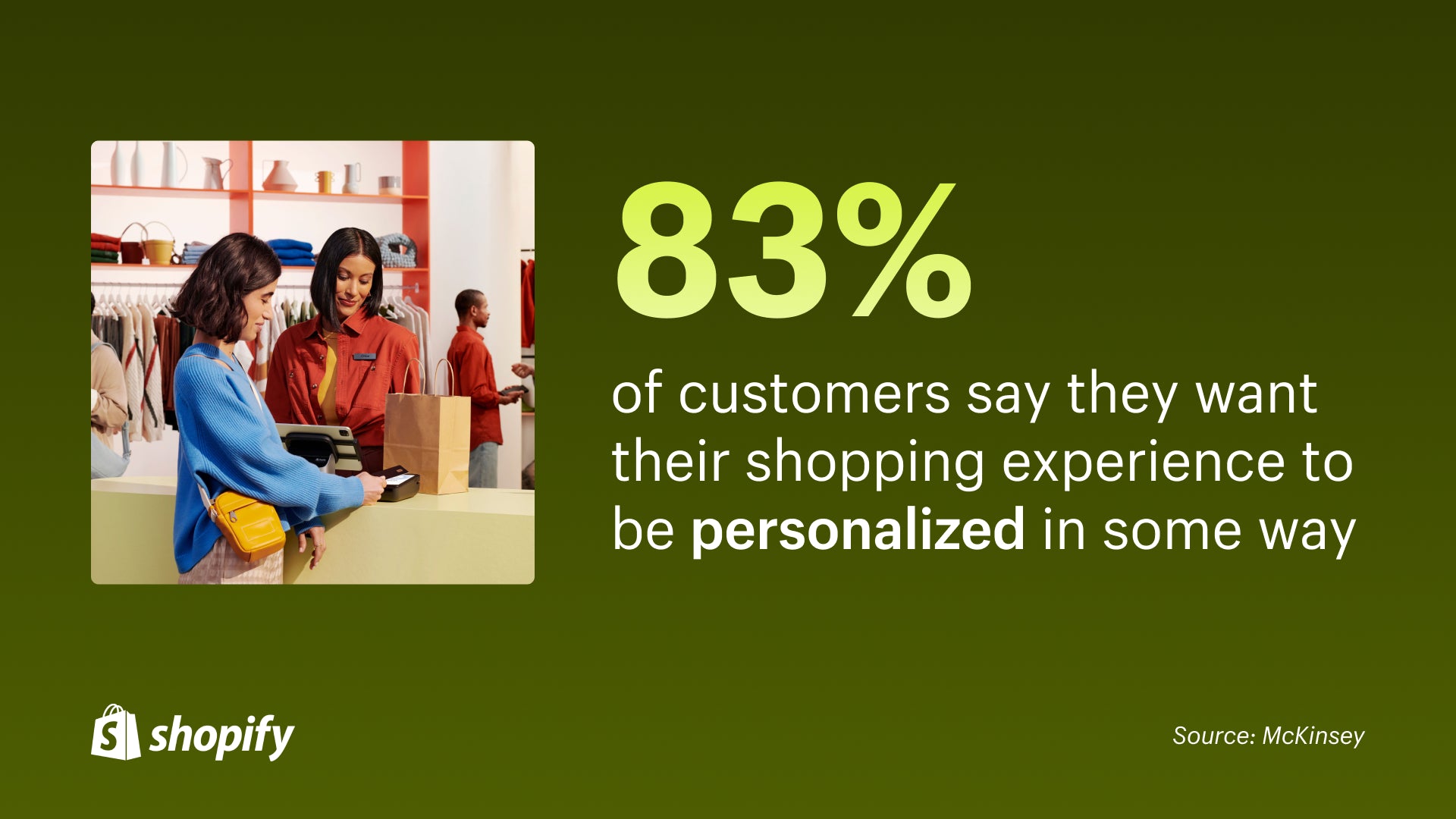
Shoppers want that personal touch—the ability to consult a knowledgeable sales associate who can quickly understand their needs. McKinsey reported in 2019 that 83% of customers say they want their shopping experience to be personalized in some way, and that effective personalization can lift store revenues by 20%–30% in some contexts (not a guarantee for every retailer).
Unify customer data across online and in-store (where permitted)
The challenge facing retailers with physical stores is when shoppers start their journey online and then continue to the store. Retailers that connect their customer data between online and physical stores are able to anticipate what a customer is looking for, make informed recommendations, and tailor the experience to the individual. A unified view of your customers’ data also ensures your membership and loyalty programs are synced between your online store and in-store POS system.
Collect first-party data without breaking trust
Brick-and-mortar stores are excellent channels for collecting valuable first-party data from customers. Face-to-face interactions with staff at checkout or on the sales floor provide opportunities to enroll customers in loyalty programs and marketing communications. This in turn gives retailers the insights they need to provide even more personalized and exceptional customer service, ultimately increasing customer lifetime value and allowing you to be more efficient with your digital ad spend.
But keep in mind that customers are wary about sharing their personal information due to data breaches and spam. The sign-up process needs to be hassle-free and frictionless and there must be a value exchange for the customer, such as access to discounts or special events. Most importantly, retailers need a system designed for security and privacy that your customers can trust.
Beyond service and convenience, shoppers also want a store visit to feel meaningful—something that reflects who they are and what they value.
4. Brand experiences drive connection and loyalty
Customers want to do business with retailers who share their passions and values. The in-store experience is where brands can showcase their unique identity and personality. In a 2021 global survey published in 2022, NRF reported that purpose-driven consumers (consumers who choose brands based on how well those brands align with their values) represented 44% of global consumers across major product categories. How brands demonstrate their values in real life, from sustainability initiatives to supporting philanthropic causes, can go a long way to building brand loyalty.
Create experiences ecommerce can’t replicate
Arguably the greatest advantage a physical store has over its online competitors is the experiential factor: to test products and enjoy some leisure time. A survey found that 82% of customers want to touch and feel a product before they decide to buy it, and 35% of shoppers say they choose to go to a store because it’s more fun than shopping online. A buzzy, immersive atmosphere simply can’t be recreated online—that’s a leg up that retailers can’t afford to overlook.
Make the most of your brick and mortar
The store is no longer just a physical place that sells things. It’s an omnichannel fulfillment center, a brand marketing channel, an experiential center, and a place to learn more about and connect with your customers.
Find ways to remove common pain points at checkout, offer flexible shopping options, and personalize customer store visits via a unified commerce platform. Then, think about how you can design your stores to let customers experience your brand (and products) in real life. A successful in-store experience can mean the difference between a one-off purchase and making a new customer for life.
Frequently Asked Questions
What are the top retail trends shaping in-store expectations right now?
The biggest top retail trends in-store include omnichannel shopping behavior, demand for speed and convenience (like BOPIS), higher expectations for personalization, and stronger interest in brand experiences tied to values. Use these trends to audit your store journey: discovery, availability, checkout, pickup/returns, and post-purchase loyalty.
What is an omnichannel in-store experience?
An omnichannel in-store experience connects your physical store and online store so customers can browse, buy, return, and get support across channels without repeating steps. In practice, that usually means shared inventory, unified customer profiles (where permitted), and consistent pricing, promotions, and fulfillment options.
How do you improve checkout speed in-store?
Improve checkout speed by reducing steps: use reliable POS hardware, enable tap-to-pay and digital wallets, keep barcode scanning fast, and make receipts easy (email/SMS/print). Staffing to peak hours and using line-busting (mobile checkout) can also reduce wait times.
What is click and collect (BOPIS)?
Click and collect, also called buy online, pick up in store (BOPIS), lets customers place an order online and pick it up at a nearby store. It can reduce shipping costs, speed up fulfillment, and give shoppers more control over when they receive their order.
How can retailers personalize in-store experiences responsibly?
Personalize responsibly by being transparent about what data you collect and why, offering clear opt-in choices, and using data to deliver obvious customer value (like relevant recommendations or loyalty benefits). Keep data secure, limit access, and avoid using sensitive data unless it’s necessary and explicitly permitted.
What POS features matter most for the in-store experience?
The most important POS features typically include fast, reliable payments; support for popular payment methods; real-time inventory that matches online availability; easy returns and exchanges; and customer profiles/loyalty tools that help staff deliver better service.
Turn these trends into an in-store advantage
When you act on the top retail trends—omnichannel consistency, faster fulfillment and checkout, responsible personalization, and memorable brand experiences—you make it easier for shoppers to buy, more likely they’ll return, and more likely they’ll recommend you.
Pick one improvement to implement this week: connect inventory across channels, streamline checkout with a unified POS, or refresh your loyalty sign-up so the value exchange is crystal clear. Then build from there with a store experience that brings your brand to life.
Ready to deliver a seamless in-store experience that matches how customers actually shop? Explore Shopify’s commerce tools and POS options, and start building a store experience that keeps customers coming back.
