





The modern performance marketing landscape is defined by one core principle: traffic alone does not generate profit — structure does. Media buyers who rely on a single ad format or traffic source typically face rapid burnout, rising costs, and unstable ROI. In contrast, those who build layered traffic systems using multiple formats achieve consistent scaling and long-term profitability.
High-performance ecosystems, such as, are designed specifically for this approach. By combining popunder, push ads, native ads, and smartlinks within one infrastructure, advertisers can control the entire funnel — from first impression to final conversion.
This article breaks down how each format fits into a unified strategy and how to combine them effectively.
1. The Core Problem: Fragmented Traffic = Lost Profit
Most campaigns fail not because of poor offers, but because of poor traffic architecture:
- Users see ads only once
- No retargeting or follow-up
- Traffic is not segmented
- Monetization is limited to a single funnel
Result:
- High acquisition cost
- Low lifetime value (LTV)
- Unstable performance
The solution is not better creatives — it’s multi-format orchestration.
2. Popunder as the Entry Point (Traffic Acquisition Layer)
Role in Strategy
Popunder should be treated as the top-of-funnel traffic generator.
Why It Works
- Massive reach at low cost
- Immediate traffic delivery
- No dependency on user intent
Strategic Use
Instead of trying to convert immediately, use popunder to:
- Drive users to a pre-landing page
- Collect push subscriptions
- Redirect into smartlink systems
Key Insight
Popunder is not about conversions — it’s about feeding the funnel.
3. Push Ads as the Retention Engine
Role in Strategy
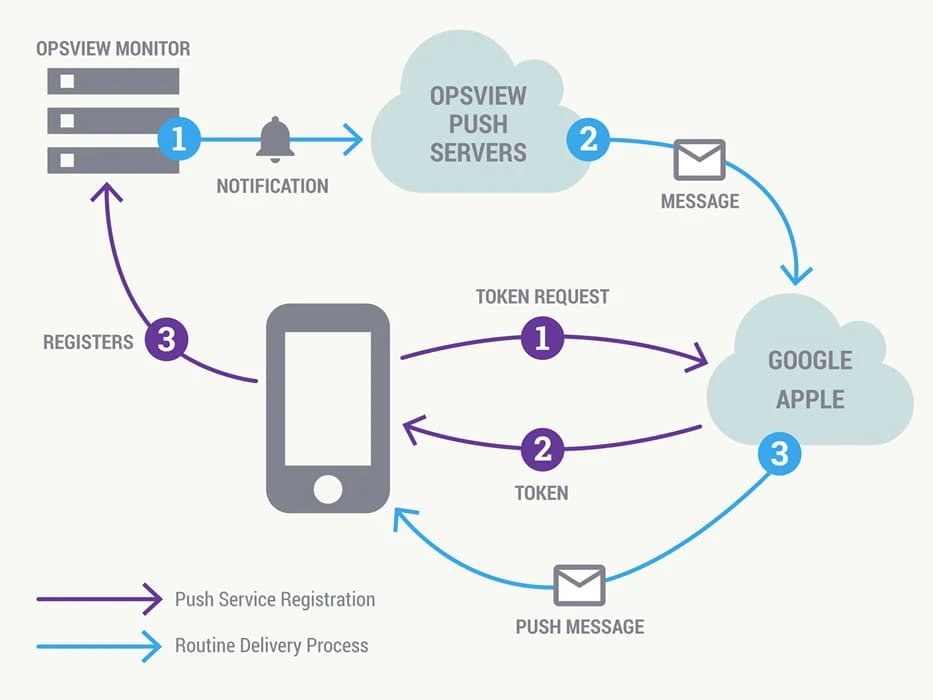
Push notifications act as a mid-funnel engagement layer.
Why It Works
- Users are already subscribed
- Multiple touchpoints over time
- High re-engagement potential
Strategic Use
After acquiring users via popunder or native:
- Build a push subscriber base
- Send sequential offers
- Test different verticals per segment
Key Insight
Push transforms one-time visitors into repeat traffic assets.
4. Native Ads as the Conversion Layer
Role in Strategy
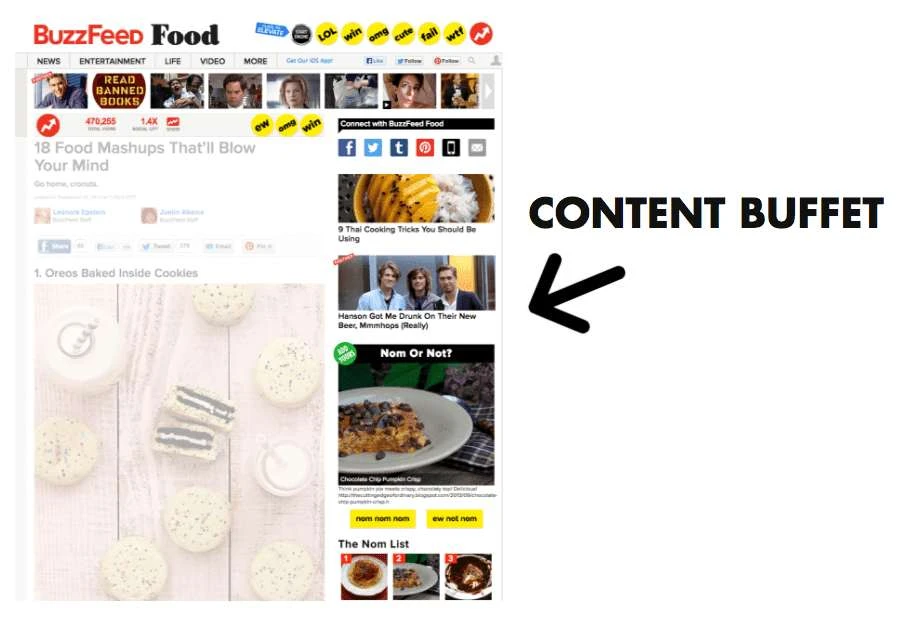
Native ads should be used where user intent matters most.
Why It Works
- Integrated into content
- Less intrusive
- Higher trust level
Strategic Use
Use native traffic for:
- High-quality landing pages
- Long-form advertorials
- Funnel-based conversions
This is where:
- Better copy = higher CR
- Better targeting = higher ROI
Key Insight
Native is not for scale — it’s for precision and profitability.
5. Smartlink as the Optimization Backbone
Role in Strategy
Smartlink functions as the monetization safety net.
Why It Works
- Automatically selects best-performing offers
- Adapts to GEO, device, and user behavior
- Requires no manual optimization
Strategic Use
Use smartlink to:
- Monetize leftover traffic
- Test new geos without risk
- Increase revenue from low-intent users
Key Insight
Smartlink ensures no traffic is wasted.
6. Building the Full Funnel
A high-performance system typically looks like this:
Step 1 — Traffic Acquisition
- Popunder brings in large volumes
- Native brings in targeted users
Step 2 — Data Capture
- Push subscription collection
- Pixel tracking and segmentation
Step 3 — Engagement
- Push campaigns re-engage users
- Multiple offers tested over time
Step 4 — Monetization
- Direct offers for high-intent users
- Smartlink for broad monetization
7. Format Comparison in Funnel Context
| Funnel Stage | Format | Primary Goal |
|---|---|---|
| Top (Awareness) | Popunder | Volume |
| Mid (Engagement) | Push Ads | Retention |
| Bottom (Conversion) | Native Ads | High-quality conversions |
| All Stages | Smartlink | Revenue optimization |
8. Why Single-Format Campaigns Fail
Scenario 1: Only Popunder
- Cheap traffic
- Low conversion
- No retention
Scenario 2: Only Native
- High-quality users
- Limited scale
- Expensive testing
Scenario 3: Only Push
- Requires existing audience
- No acquisition channel
Scenario 4: Only Smartlink
- No control over funnel
- Limited optimization potential
Conclusion
Each format alone is incomplete. Together — they form a system.
9. Execution Speed and Scaling
One of the biggest advantages of using a platform like is execution speed:
- Fast campaign launch
- Immediate access to traffic
- Multi-format support in one dashboard
This allows:
- Rapid A/B testing
- Quick scaling of winning campaigns
- Efficient budget allocation
In performance marketing, speed directly impacts profitability:
- Faster tests → faster insights
- Faster insights → faster scaling
10. Advanced Strategy: Traffic Recycling
Top media buyers don’t just buy traffic — they recycle it.
Example Flow:
- User comes from popunder
- Subscribes to push
- Receives multiple offers
- Non-converting users redirected via smartlink
Result:
- Increased LTV
- Reduced cost per acquisition
- Higher total ROI
11. Cost vs Value Dynamics
Each format has a different economic role:
- Popunder → lowest cost per visit
- Push → best cost per re-engagement
- Native → highest value per user
- Smartlink → best monetization efficiency
Understanding this balance is critical for:
- Budget allocation
- Campaign scaling
- Risk management
12. Common Mistakes
1. Expecting Immediate ROI from Popunder
Reality: requires funnel optimization
2. Ignoring Creative Fatigue in Push
Solution: constant refresh
3. Underinvesting in Native Copy
Result: low CTR and wasted budget
4. Avoiding Smartlink Due to “Loss of Control”
Reality: it increases total revenue over time
13. Strategic Takeaways
- Traffic without structure = loss
- Formats must complement each other
- Retention is as important as acquisition
- Automation increases scalability
Final Conclusion
Sustainable profit in performance marketing is built on systems, not tactics.
Popunder generates scale.
Push builds continuity.
Native converts intent into revenue.
Smartlink ensures full monetization.
Platforms like provide the infrastructure to combine all these elements into a single workflow, allowing advertisers to move beyond isolated campaigns and toward fully optimized traffic ecosystems.
The difference between average and top-performing campaigns is not the offer — it’s how traffic is structured, reused, and optimized across multiple formats.
