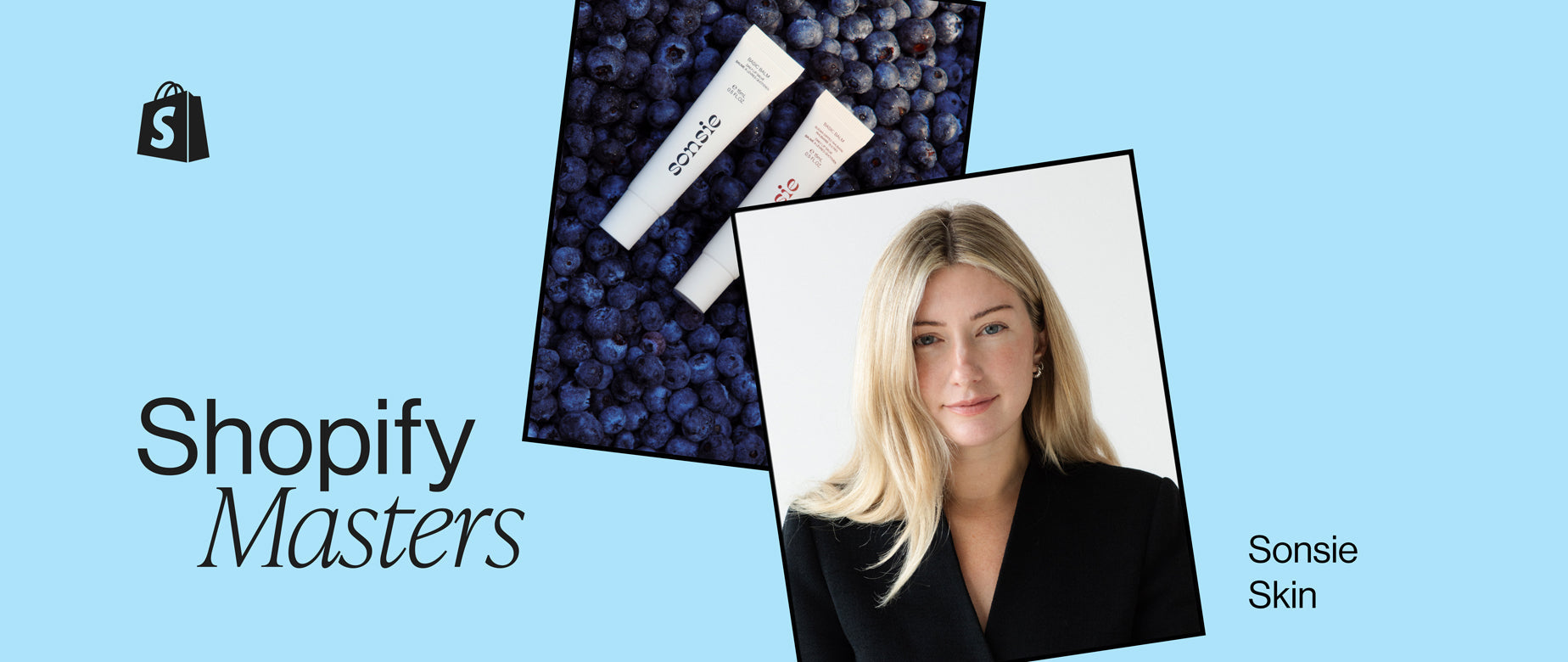
Author’s Bio:
Kailey Bradt is the CEO of Sonsie Skin, Pamela Anderson’s minimalist skin care brand. She has a chemical engineering background and founded hair care brand Susteau, before joining Sonsie. Known for her ability to challenge industry norms and her unwavering commitment to clean, sustainable beauty, Kailey has grown Sonsie’s vision for accessible, functional skin care while prioritizing innovative product development and original storytelling.
Most brands obsess over customer acquisition and retention metrics. But here’s what I’ve learned across two beauty brands: There’s a massive difference between someone who buys your product and someone who invests in your brand. The first might come back if they like what they bought. The second becomes part of your story, and tells that story for you.
At Sonsie Skin, 80% of our customers are 45 and older. They email us constantly, not with complaints, but just to share how they’re using our products. They want to be part of what we’re building. And honestly? That’s the unlock. You can’t build a sustainable brand on one-time purchases alone. You need people who see themselves in your brand’s identity.

Ahead, I’ll break down the approach we use to turn our customers into the best word-of-mouth marketers ever.


Turn one-time buyers into brand evangelists
1. Create a persona people want to embody
The garden girl wasn’t part of some grand strategy. We needed to announce our Shopify pop-up and thought: What if we brought the garden to life in New York City? What if there were multiple garden girls doing silly things around the city? So we did exactly that. We handed the models garden hoses, watering cans, baskets, and gardening shears. We didn’t give them much direction, we just released them into the streets. Three of them took the garden hose and started doing jump rope. We didn’t tell them to do that. They were co-creating the brand with us in real time.
What surprised me most was the response. People started commenting, “I want to be a garden girl,” and “How do I join the club?” They weren’t asking about product benefits or ingredients. They wanted to be part of this identity we’d created.
This is what separates a customer base from a community. When you’re just selling products, people evaluate you on features and price. When you create a world with its own identity, people ask how they can belong. The whole Rules of the Garden campaign brought the brand to life for the first time in a way that product launches alone never could.

2. Design for both online and offline experiences
What I didn’t understand with my first brand was digital engagement alone isn’t enough. You need to create spaces where your community can exist both online and in person. Online, we’re constantly engaging directly with customers. We get emails all day, not about problems, but about how people use our products. They want to share their experiences with us, so we’re thinking about how to make that more public-facing and bring these women together.
Offline though is where the magic really happens. When we did our pop-up with Shopify, I learned so much just from observing. People would pick up our lip balm and call it lip gloss—since our older demographic had only seen lip gloss in that packaging format. They’d swatch it and be shocked it wasn’t sticky. These are insights you simply cannot get from an email or a website form.
The older demographic especially values these in-person experiences. When you’re buying into a brand that has longevity, you want to experience it offline in the way you envisioned when you made that initial purchase. So we’re planning events, building clubs and cohorts, and creating spaces for different segments of our community to connect. For younger audiences, that garden girl persona and social engagement work beautifully. Our core demographic of women 45 and older want to come together through events where they can experience the brand in person. Same community-building goal, different approaches for different needs.
3. Give your community freedom to co-create
The jump rope moment taught me something crucial: The strongest communities add to your brand narrative, they don’t just consume it. We didn’t script the garden girl activation, we lined up the girls, handed them props, and released them into the wild. The fact that they improvised just made the whole thing more authentic and even more memorable.
This requires confidence in who you are as a brand, and a clear identity so that you can let go a little. When customers share how they use your products, when they interpret your brand through their own lens, that’s not dilution—that’s expansion.
I work closely with Pamela, and she texts me photos from her garden, sends feedback immediately, and shares what she loves. It’s this kind of genuine relationship that shows up in how people talk about the brand. Our team operates like a friends and family business; we’re a tight-knit group, and I think customers feel that energy. When you’re responding to every email personally, when you’re genuinely excited about customer stories, people sense that. They want to be part of something real, not just a marketing funnel.
4. Segment your approach by demographic needs
One of the biggest surprises with Sonsie has been our demographic. Most people assume clean beauty skews young, but we’re 80% women 45 and older. These women are coming from luxury brands where they’re used to heavily fragranced products at much higher price points. They’re moving toward clean beauty because they want transparency that legacy brands won’t provide.
When they ask questions about ingredients or sourcing, those big brands aren’t interested in responding. But we are. This honesty and transparency resonates with them in a way that all the Instagram-perfect content in the world couldn’t match.

Our community-building strategy has to honor all of these differences. The through-line is transparency and genuine engagement. Whether someone’s DMing us on Instagram or emailing with questions about our home compostable packaging, they’re getting real responses from real people who care. That consistency builds trust across every demographic.
5. Let community validation replace traditional marketing
True authentic community building actually does your marketing for you. When my friend recognized the garden girls on the street two minutes after they left my apartment, that told me everything. We’d built something people connected to immediately, and you can’t manufacture that kind of recognition. It comes from investing in brand identity and community over time, where you’re creating something people genuinely want to be part of. Customers email just to share how they’re using a product, ask how to join the garden girl club, or say they recognized the brand activation on the street. That’s how we know we’ve moved beyond transactional relationships.
I learned with my first brand that people won’t buy something based just on sustainability or values. At Sonsie, we’re proving you don’t have to compromise. Performance leads the way, but the community keeps people coming back.
If you’re interested in becoming a garden girl, hearing more about the product development behind the scenes, or what it’s like working with Pamela Anderson, tune in to my full Shopify Masters podcast.