





Key Takeaways
- Turn your videos into keyword-rich blog posts faster than competitors so you can win more search traffic without hiring a writer for every article.
- Follow Lynote.ai’s workflow by transcribing a video, shaping the transcript into a clear post, humanizing the draft, and then checking originality before publishing.
- Protect your team from the content hamster wheel by repurposing what you already recorded into helpful articles that still sound like your brand.
- Mine a simple video transcript for surprising long-tail questions and natural phrases your customers already use, then build your next post around them.
In the fast-paced ecosystem of e-commerce, content is the engine of growth.
Whether you are running a dropshipping empire on Shopify or a boutique DTC brand, the rule is simple: traffic equals revenue. But creating high-quality, SEO-friendly content consistently is a massive bottleneck. The “content hamster wheel” is real, and it burns out marketing teams every day. You likely have a treasure trove of content already—product videos, Instagram Lives, YouTube tutorials, or founder stories—but are you maximizing them? Lynote.ai offers a workflow that allows brands to repurpose video content into high-ranking written articles seamlessly.
The SEO Reality: Why Video Isn’t Enough
While video converts customers, text ranks on Google. Search engines are getting better at indexing video, but a well-structured, keyword-rich blog post is still the gold standard for organic search traffic. The problem is that writing these posts takes time or money.
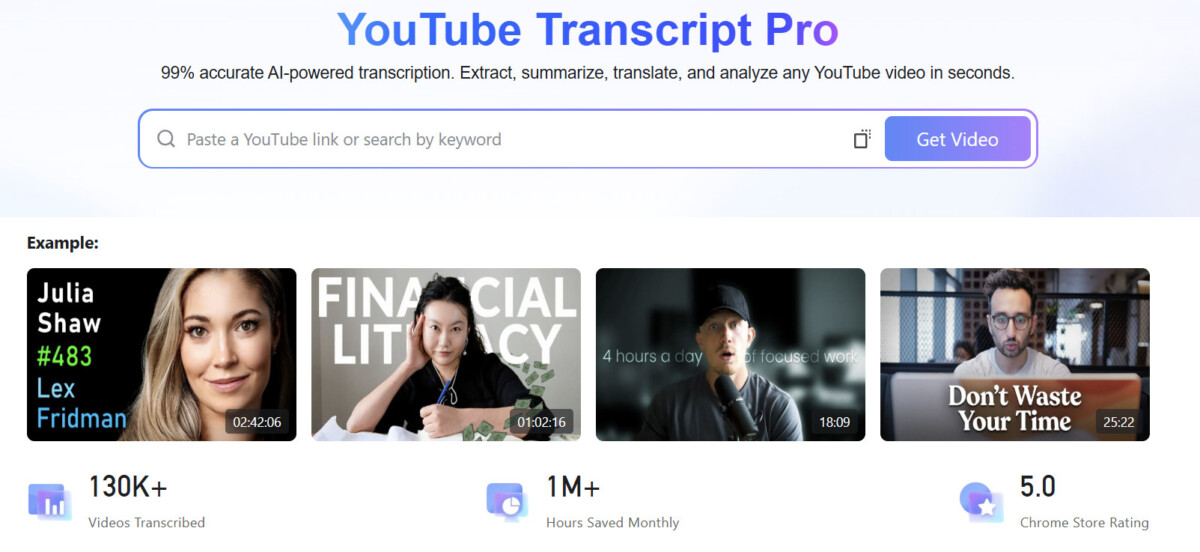
The strategy offered by Lynote starts with the transcription feature. You can take a 20-minute product review or a detailed “How-To” video and generate a precise text transcript in seconds. This isn’t just a garbled auto-caption file; it’s accurate, timestamped data. This raw text is a goldmine of long-tail keywords and natural language that Google loves. Instead of paying a copywriter $200 to start from scratch, you have the foundation of a blog post instantly available.
Navigating the “Helpful Content” Era
However, here is the trap many marketers fall into: they take that transcript, feed it into a basic AI writer, and paste the result onto their blog. Google’s recent “Helpful Content Updates” are specifically designed to penalize this kind of spammy, robotic text. If your blog sounds like it was written by a machine, your rankings will tank.
This is where the AI humanizer becomes the secret weapon for savvy marketers. This feature is crucial for maintaining a distinct brand voice. It is not enough for text to be grammatically correct; it needs to have personality, cadence, and emotional resonance.
After drafting your post based on the transcript, running it through the Humanizer refines the text to ensure it flows naturally. It removes the robotic, repetitive sentence structures often found in AI-assisted drafts. It ensures your product descriptions connect emotionally with customers, rather than sounding like a technical spec sheet. For a lifestyle brand, this difference in tone is the difference between a bounce and a sale.
The Verification Layer
Furthermore, as brands scale, they often hire freelance writers. How do you ensure you are paying for original work and not just ChatGPT output? Lynote’s detection tools allow you to verify the originality of the content you receive. It acts as a quality assurance layer for your content supply chain.
By combining transcription for speed, humanization for quality, and detection for security, e-commerce brands can 10x their content output. Lynote.ai provides the infrastructure to dominate search results without sacrificing the “human touch” that drives conversions and builds brand loyalty. In a crowded marketplace, efficiency is your competitive advantage.
Frequently Asked Questions
Why is written content still important if my product videos already perform well?
Videos can sell, but blog posts are often easier for Google to understand and rank for specific searches. A clear article lets you target keywords, answer questions, and earn clicks from people who are not ready to watch a full video. Using both together helps you reach buyers at more stages of the journey.
How does turning a video into a blog post help SEO?
A transcript gives you real customer language, including long-tail keywords and question phrases. When you organize that text into headings, short sections, and clear answers, search engines can match it to more searches. This also helps your content show up for featured snippets and “People also ask” style queries.
What makes a video transcript a good starting point for content?
A transcript captures your exact wording, examples, and product details without starting from a blank page. It often includes natural stories and objections that customers care about. That makes it easier to create helpful, specific content instead of generic filler.
What is the biggest risk of publishing AI-written blog posts from transcripts?
The main risk is posting text that reads flat, repetitive, or vague, which can hurt trust and rankings. Search engines look for helpful content that shows real experience and clear answers. If your post sounds like it was auto-made with no editing, readers may leave fast, which is another bad signal.
Is it a myth that “Google will always penalize AI content”?
Yes, that is a common myth. Google focuses more on quality and usefulness than on whether a human or tool helped write it. If the article is accurate, clear, and original in its value, it can still rank.
What does an AI “humanizer” do, and when should I use it?
A humanizer reshapes stiff, machine-like sentences so the writing sounds natural and matches your brand voice. Use it after you draft the post from a transcript, not before. It works best when you also add a few real details, like your testing results, customer questions, or tips you learned the hard way.
How can I keep my brand voice when repurposing video content?
Start by choosing videos where the speaker already sounds like your brand, like founder stories or product demos. Then keep key phrases you say on camera, and build the post around them with clean headings and short paragraphs. Finish by editing tone and adding a few brand-specific examples, not just general advice.
What is a practical workflow I can use today to repurpose a YouTube video into an article?
Pick one video that answers a clear question, then pull the transcript and highlight repeated topics, tips, and questions. Turn those highlights into an outline with simple headings, then rewrite each section into short, helpful paragraphs. Add a strong intro, a quick summary, and one clear call to action that fits the post.
How do AI detection tools help when I hire freelance writers?
Detection tools can flag sections that look heavily machine-generated so you can review them before you publish. They are not perfect proof, but they help you spot patterns like repeated phrasing, thin explanations, or missing specifics. Pair detection with a checklist that requires sources, real examples, and clear product claims.
After reading an AI overview, what should I do to make the content truly trustworthy?
Ask for specifics: what product was tested, what results were seen, and what limits or risks exist. Add unique details from your own store, like shipping times, sizing advice, common returns, or real customer questions. Then fact-check every claim, especially anything about performance, materials, health, or warranties.
