





What Is an Integrated Campaign? 2026 Guide for E-Commerce
2nd
February, 2026
In the ultra-competitive world of e-commerce, brands can’t afford disjointed marketing. Picture this: a customer sees your product in a micro influencer’s Instagram post, gets a follow-up email coupon, then finds matching messaging on your Amazon listing. This seamless multi-channel experience is no accident – it’s the result of an integrated campaign. In this 2026 guide, we’ll explore what is an integrated campaign, why it’s a game-changer for influencer marketing and online businesses, and how to execute one effectively. You’ll learn how Amazon sellers, DTC founders, and content creators can align social media, email, UGC and more into one cohesive strategy that drives ROI. Let’s dive into how a unified approach can amplify your brand’s reach, trust, and sales across all channels.
What Is an Integrated Campaign?
What is an integrated campaign? At its core, an integrated campaign (sometimes called an integrated marketing campaign) is a cohesive, multi-channel marketing strategy that presents a uniform message across multiple platforms. In other words, you blend channels like social media, email, content marketing, and ads into one coordinated effort so that no matter where your target audience encounters your brand – be it on Instagram, TikTok, YouTube, their inbox, or your website – they experience a consistent story and call-to-action. The goal is to reinforce the same core message through different touchpoints, ultimately guiding that audience toward becoming paying customers.
This unified approach eliminates the “silos” between marketing channels. Instead of a fragmented campaign on each platform, all channels work in tandem. Your brand voice, visuals, and value proposition remain consistent everywhere, creating a cumulative effect. It’s like putting together pieces of a puzzle – each channel’s content might be unique in format, but together they form one complete picture of your campaign. For example, a holiday campaign might use the same tagline and theme in a Facebook ad, an email subject line, and a series of influencer posts. By integrating channels, you ensure the audience gets a coherent message that sticks.
The 4 Cs of integration. Marketing experts often refer to the “4 Cs” as guiding principles for integrated campaigns. In short, your campaign should be: Coherent – all communications are logically connected under one central idea; Consistent – messages support each other and aren’t contradictory across channels; Continuous – the campaign maintains momentum over time; and Complementary – each channel plays a synergistic role so that the whole is greater than the sum of parts. If you check off these 4 Cs, you’re on track to deliver a unified experience. For instance, a coherent campaign might revolve around one story or slogan, consistently use the same brand tone and visuals, run continuously for a set period (so customers encounter it repeatedly), and use complementary tactics (say, a TikTok challenge that generates UGC, which you then feature in emails and ads). When done right, an integrated campaign feels like one conversation with your customer – just happening in multiple places at once.
Unlock the Power of Micro Influencers and Elevate your Brand Today!
Why Integrated Campaigns Matter for E-Commerce Brands in 2026
Integrated campaigns aren’t just marketing jargon; they deliver real benefits, especially for e-commerce brands and Amazon sellers who operate across numerous online channels. Here’s why a unified multi-channel strategy is essential:
-
- Wider Reach & Higher Engagement: Combining channels means you simply reach more people. A recent analysis found brands using three or more channels in a campaign achieved a 287% higher purchase rate compared to those using a single channel. In other words, hitting your audience from multiple angles (social, email, search, etc.) dramatically boosts conversion potential. Engagement also soars – cross-channel campaigns see 166% higher customer engagement rates on average than isolated single-channel efforts. By reinforcing your message on different platforms, you stay top-of-mind and encourage more interaction.
- Consistent Brand Message Builds Trust: Customers are more likely to trust and remember brands that show up coherently across their journey. Ensuring all your content sings the same tune (from Instagram captions to website copy) reinforces your brand’s identity and credibility. Consistency signals professionalism. If a shopper sees the same core message and style everywhere – whether on a TikTok video or your Amazon product description – it creates a feeling of familiarity. Over time, this consistency fosters loyalty and advocacy, as people come to recognize and trust your brand’s voice. In short, integrated campaigns turn your brand into a familiar friend rather than a random stranger, which is crucial for earning repeat customers in e-commerce.
- Better ROI & Efficiency: Integrated campaigns make your marketing spend work harder. By aligning all channels around what works, you avoid wasted effort and duplication. Marketers find that integrated strategies increase return on investment by helping identify the most effective channels and messaging, so you can double-down on what converts. You’ll also save money by repurposing assets – for example, a product video made for YouTube can be clipped for Instagram or embedded in an email, giving you more mileage from one content piece. In fact, focusing on integrated digital marketing is often more cost-effective, as you can reach a wider audience for less cost than, say, one big TV ad. For budget-conscious Amazon sellers and startups, an integrated approach ensures every dollar spent on marketing is amplifying a unified strategy, not scattered on disconnected efforts.
- Authenticity & UGC that Drive Conversions: Today’s consumers crave authenticity – and integrated campaigns can deliver it by incorporating user-generated content (UGC) and influencer contributions across channels. One major study found 79% of people say UGC (content from real users) highly impacts their purchasing decisions. Think about that: nearly 8 in 10 consumers are swayed more by seeing real customers or micro influencers talk about a product than by the brand’s own ads. By weaving UGC and influencer posts into your campaign (e.g. sharing a customer’s unboxing video on your official social feed, or featuring influencer photos in your ads), you leverage social proof everywhere. This not only makes your campaign feel more genuine but also boosts conversion rates – because shoppers trust peer content. Integrated campaigns excel at blending such authentic content with your brand message, creating a powerful one-two punch of credibility and persuasion.
- Unified Customer Experience: E-commerce shoppers often hop between platforms before buying – they might discover a product on Instagram, read reviews on Amazon, maybe Google it and end up on your website. An integrated campaign ensures that as they move between these channels, the experience feels seamless and supportive. They’ll encounter the same tagline, key benefits, or campaign hashtag everywhere, which reinforces their understanding and interest. A cohesive experience prevents confusion (no mixed messages) and meets customers wherever they are. In a time when 72% of consumers prefer brands that engage across multiple channels, providing a unified journey can be the deciding factor that makes your brand stand out and win the sale.
- Wider Reach & Higher Engagement: Combining channels means you simply reach more people. A recent analysis found brands using three or more channels in a campaign achieved a 287% higher purchase rate compared to those using a single channel. In other words, hitting your audience from multiple angles (social, email, search, etc.) dramatically boosts conversion potential. Engagement also soars – cross-channel campaigns see 166% higher customer engagement rates on average than isolated single-channel efforts. By reinforcing your message on different platforms, you stay top-of-mind and encourage more interaction.
In short, integration isn’t a “nice to have” in 2026 – it’s a must for competitive advantage. A report notes 86% of marketers say multi-channel campaigns are increasingly effective, yet only about 23% feel they excel at it. This gap is an opportunity: if you can master integrated campaigns, your e-commerce brand can outshine competitors by delivering a smoother, more impactful message to customers at every turn.
Key Elements of a Successful Integrated Campaign

So, how can you create an integrated campaign that hits these high notes? Let’s break down the key elements and steps. An effective integrated campaign requires strategic planning up front and careful coordination throughout. Here are the building blocks of integration:
- Clear Goals and Target Audience: Start with the fundamentals – what are you trying to achieve, and who are you speaking to? Define specific campaign goals (e.g. “increase Amazon sales by 20% this quarter” or “get 5,000 new email subscribers from Instagram traffic”). At the same time, pinpoint your target audience for this campaign (their demographics, interests, needs). A well-defined goal and audience will inform every other element: you’ll choose channels and craft messages that best reach those people and drive them to action. Without clarity here, even the best multi-channel execution can fall flat.
- A Central Message and Story: An integrated campaign needs a unifying thread – this is your central message or theme. It could be a slogan, a story, a value proposition, or a hashtag that encapsulates the campaign. Make it clear, compelling, and relevant to your audience. This core message is the anchor that ensures coherence. All content in the campaign, across all channels, should ladder up to this idea. For example, if you’re running a campaign for a new eco-friendly product line, your central message might be “Small choices, big impact.” That phrase (and the concept behind it) should echo through your social posts, emails, ads, product pages, and influencer talking points. A strong central message makes the whole campaign feel like one narrative rather than random disparate ads. It also unites your internal teams – everyone from the social media manager to the email designer knows the story they’re collectively telling.
- Consistent Branding and Tone: Consistency is what gives an integrated campaign its integrity. Ensure that the visual identity (colors, fonts, imagery style) and the tone of voice are aligned everywhere. This doesn’t mean every post or ad looks identical – but they should clearly feel like parts of the same campaign. Use your logo, slogan, and brand voice in a uniform way. Small details matter: if your Instagram post is playful and full of emojis but your email is stiff and formal, that disconnect can confuse the audience. Create campaign brand guidelines ahead of time, covering key phrases, design elements, and do’s/don’ts for content creators. Consistency in branding helps cultivate a positive and memorable perception. Remember, repetition (with variation) is what makes a message stick – seeing the same branding reinforces recognition. Over the course of an integrated campaign, a customer should be able to instantly tell “Oh, this is that XYZ campaign by Brand A” no matter what channel they’re on.
- Multi-Channel Presence (Strategically Chosen): Integration doesn’t mean you must be on every channel – it means you leverage multiple channels that make sense for your audience. Select a mix of platforms where your target customers spend their time. For an e-commerce brand, this typically includes a blend of digital channels – e.g. Instagram, TikTok, YouTube, email, Facebook Ads, Google search, your website or Amazon storefront, maybe SMS or a blog. It could also include traditional media if relevant (like direct mail or print, though many modern DTC brands focus on digital). The key is each chosen channel should play a role in the customer’s journey. Map out the customer journey and decide which touchpoints to hit at each stage. For instance, you might use Instagram and TikTok for awareness (attracting new eyeballs with engaging content), email for nurturing interested prospects with more details or offers, and your website/Amazon page to close the sale. All the while, ensure these channels are cross-promoting – your social posts prompt sign-ups for the newsletter; your emails feature links to your social or product pages. By planning the channels together, you create a complementary system where each reinforces the other. Also, remember to tailor content to fit each platform (an Instagram video will differ from an email graphic), while still aligning with the central message.
- Synergy Between Channels (Content Repurposing): One big advantage of integrated campaigns is that content from one channel can amplify another – if you plan for it. Encourage cross-pollination of content: for example, a popular tweet from your campaign could be screenshot and shared in an email. A longer YouTube video can be clipped into shorter TikTok segments. An influencer’s Instagram photo can be featured on your website’s homepage. By repackaging and sharing content across channels, you not only save effort but also reinforce the message in diverse ways. Each channel has unique strengths; use them to complement each other. Perhaps run a social media contest that generates UGC, then compile the best entries into a blog post or ad creative. A terrific case study of this synergy comes from a recent campaign by a DTC brand: they partnered with 200+ micro-influencers who created Instagram posts about the product, then the brand repurposed those user-generated photos and videos in their other marketing like ads and product pages. The result was a consistent, authentic presence everywhere the customer looked, with each channel boosting the others. Plan for these integrations from the start – ask “How will this piece of content live elsewhere?” – to maximize the impact of every asset.
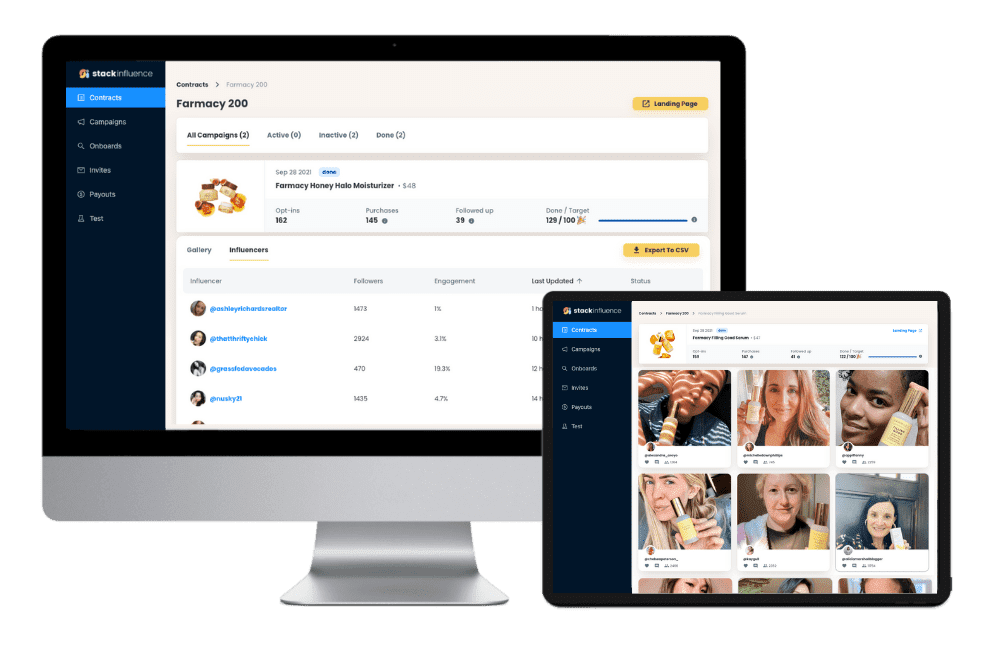
- Involve Influencers and Content Creators: In 2026, influencer marketing isn’t a standalone tactic – it can be a core part of your integrated campaign. Collaborating with micro-influencers and creators allows you to tap into ready-made communities with authentic voices. Importantly, it injects fresh content into your campaign that doesn’t feel like traditional ads. If you include influencers, be sure they’re on-message with your campaign theme (provide them a creative brief that highlights the story and key points to mention). Then let them deliver it in their own relatable style for authenticity. Their posts will act as additional campaign touchpoints that feel organic to consumers. Plus, as noted, influencers often produce great UGC you can reuse. For example, if running an integrated launch for a new product, you might have influencers on TikTok demo it, content creators on YouTube reviewing it, and an Instagram challenge hashtag – all feeding into the same campaign narrative. These creator-driven elements should still tie back to your main message or hashtag so they’re recognizably part of your campaign, not one-offs. The payoff can be huge: one e-commerce brand’s integrated micro-influencer campaign led to a 4.7× jump in Amazon sales during the campaign period. Those kinds of results come from leveraging influencers as a coordinated channel, not a disconnected effort. (Pro tip: Managing dozens of influencer partnerships can get complex – consider using a platform like Stack Influence to automate product seeding and content tracking. Stack Influence, for example, handles outreach and coordination with large numbers of micro-influencers and ensures each creator delivers content aligned to your brief. This way, brands can easily fold influencer contributions into an integrated campaign and maintain consistency at scale.)
- Timing and Continuous Engagement: Ensure your campaign has a sensible timeline and that you maintain continuity throughout it. You might kick off with a big splash (say, a campaign launch video and press release all on the same day across channels), then keep the momentum with a content calendar. Stagger content so that customers encounter fresh campaign-related material over weeks or months. This continuity is one of the 4 Cs – it means the campaign isn’t a one-off blast but an ongoing presence. For instance, run weekly themes or challenges that tie into the campaign, release new tidbits or user spotlights regularly, and keep conversation going on social media. If someone sees an ad, then later gets retargeted with a related social post, then a reminder email – that repeated exposure (with variation) greatly increases recall and response. Just be sure to stay responsive too: if customers reply or comment, engage with them. Integrated campaigns work best when it feels like a two-way conversation spread out over time, not just a series of scheduled monologues.
- Measurement and Adaptation: Finally, an integrated campaign needs integrated measurement. Track performance across all channels in a unified way. Use UTM codes, unique discount codes, or referral links to see which channels drive traffic and sales. Monitor engagement metrics on each platform. The beauty of integrated efforts is you can compare and see, for example, if Instagram is generating more site traffic but email is converting more sales – then adjust resources accordingly. Having a holistic view lets you optimize the mix in real time. Many companies set up a dashboard to watch the campaign’s KPIs across social, web analytics, and e-commerce stats together. Be ready to tweak things mid-campaign: if a message isn’t resonating, refine it and update everywhere; if one influencer’s content is performing amazingly, amplify it through paid ads or email features. The goal is to keep all parts of the campaign working in concert toward your main objective. When you eventually wrap up, do a retrospective analysis with all the data to capture learnings for next time.
By focusing on these elements – from one big idea down to tracking details – you’ll execute an integrated campaign that’s coherent, consistent, and results-driven. It’s a lot of moving parts, but with solid planning and teamwork (and perhaps the right tools), even a small brand can deliver a campaign that feels as unified and effective as those of a Fortune 500 company.
Integrated Campaigns in Action: Examples
Many successful brands have demonstrated the power of integrated campaigns. Let’s look at a few real-world examples of integration, from marketing icons to e-commerce newcomers:
-
- Old Spice – “The Man Your Man Could Smell Like”: Old Spice turned heads with an integrated campaign that combined hilarious TV commercials with a brilliant digital twist. They aired memorable TV ads, then continued the conversation online by responding to fans on social media and YouTube with custom videos. This blend of traditional media and interactive digital content created a unified, buzzworthy experience that ultimately drove viewers to Old Spice’s website and stores. The consistent humor and branding across TV, YouTube, Facebook, and Twitter made the campaign truly cohesive (and hugely successful – it rebooted Old Spice’s image for a new generation).
- GoPro – “Be a Hero”: Camera brand GoPro built an integrated campaign around the theme of adventure and user content. Their “Be a Hero” campaign spanned outdoor billboard ads, sponsorships of extreme sports events, and a heavy social media push highlighting videos shot on GoPros. The campaign’s masterstroke was leveraging actual user-generated footage – including a viral first-person video of a firefighter rescuing a kitten – to showcase the product’s capabilities. GoPro fused UGC authenticity with paid media, all reinforcing the same daring, inspirational message. Whether people saw a GoPro poster at a bus stop or a YouTube video, the tone and story were aligned, inspiring millions to associate GoPro with heroic everyday filmmaking.
- Volkswagen – Kombi Stories: Even automotive brands use integration to humanize their marketing. Volkswagen ran a campaign inviting real customers who owned the classic VW Kombi van to share their stories on a special web microsite. These customer stories (text, photos, videos) became content for the campaign, which VW amplified via social media and ads. By integrating owners’ authentic experiences with its official messaging, Volkswagen sparked nostalgia and conversation across platforms – from Facebook posts linking to the story site, to PR coverage in news, all carrying the theme of celebrating the Kombi legacy. The uniform emphasis on customer tales made the audience feel part of the brand’s story everywhere it appeared.
- Blueland – Micro-Influencer Social Commerce Blitz: Integrated campaigns aren’t just for big brands with giant budgets. Blueland, a DTC eco-friendly cleaner brand, recently executed a highly integrated campaign by harnessing micro-influencers. In partnership with Stack Influence, Blueland sent product samples to 211 Instagram content creators who each posted about the products, all using the same campaign hashtag and key messaging. Those Instagram posts not only created social buzz and authentic reviews, but also drove traffic directly to Blueland’s Amazon product listings via special links. Meanwhile, Blueland repurposed the best influencer content (photos and videos) in their own email newsletters and Amazon Store visuals, ensuring the campaign theme (“#RefillRevolution”) was echoed on every channel. The result? Over a few months, Blueland saw its Amazon sales velocity multiply nearly fivefold during the campaign and achieved a 13× ROI on their marketing spend. This example shows that by integrating social media UGC, influencer marketing, and an e-commerce platform, even a smaller brand can significantly boost revenue. The key was consistent messaging and complementary tactics: social content created awareness and social proof, which fed directly into increased e-commerce conversions.
- Old Spice – “The Man Your Man Could Smell Like”: Old Spice turned heads with an integrated campaign that combined hilarious TV commercials with a brilliant digital twist. They aired memorable TV ads, then continued the conversation online by responding to fans on social media and YouTube with custom videos. This blend of traditional media and interactive digital content created a unified, buzzworthy experience that ultimately drove viewers to Old Spice’s website and stores. The consistent humor and branding across TV, YouTube, Facebook, and Twitter made the campaign truly cohesive (and hugely successful – it rebooted Old Spice’s image for a new generation).
These examples underscore a common point: integrated campaigns create a sum greater than the parts. Whether it’s a global brand combining TV and social or an online seller blending influencer content with marketplace promotions, the integration of channels amplifies the impact. The campaigns feel like one fluid narrative across touchpoints – and that’s exactly why they succeeded. As you plan your own campaigns, take inspiration from these cases but tailor the integration to your brand’s unique story and channels. The magic lies in adaptation and creativity, all tied together by a unified strategy.
Unlock the Power of Micro Influencers and Elevate your Brand Today!
Conclusion to What Is an Integrated Campaign
In a time when consumers are flooded with content, consistency is the secret sauce that can make your brand memorable. Integrated campaigns allow e-commerce brands and Amazon sellers to cut through the noise by delivering a clear, cohesive message everywhere your customer travels – from their inbox to their Instagram feed. By uniting multiple marketing channels around a single compelling narrative, you build trust through repetition, widen your reach, and drive more conversions for the same effort. The payoff isn’t just a short-term uptick in sales; it’s a stronger brand-customer relationship that endures.
As we’ve seen, integrating tactics like micro-influencer collaborations and UGC can add authenticity that resonates in 2026’s market, turning engagement into revenue. The beauty is that any brand, big or small, can embrace this approach. All it takes is planning, the right partnerships, and a commitment to consistent execution. If you’re ready to break out of one-dimensional marketing and truly boost your ROI across platforms, it’s time to start crafting your own integrated campaign. Remember, every channel is an opportunity to reinforce your story. Unify them, and you’ll create a customer experience that not only drives sales, but also builds a community around your brand. In today’s e-commerce landscape, that kind of unified, authentic presence is the ultimate competitive edge. Start integrating your marketing efforts now – your customers (and your bottom line) will thank you for it.

By William Gasner
CMO at Stack Influence
William Gasner is the CMO of Stack Influence, he’s a 6X founder, a 7-Figure eCommerce seller, and has been featured in leading publications like Forbes, Business Insider, and Wired for his thoughts on the influencer marketing and eCommerce industries.
Want new articles before they get published? Subscribe to our Awesome Newsletter.
stack up your influence
turning creativity into currency
our headquarters
111 NE 1st St, Miami, FL 33132
our contact info
[email protected]
stack up your influence
turning creativity into currency
our headquarters
111 NE 1st St, 8th Floor
Miami, FL 33132
our contact info



© 2026 Stack Influence Inc
© 2025 Stack Influence Inc
The post What Is an Integrated Campaign? 2026 Guide for E-Commerce appeared first on Stack Influence.
