






What Is Brand Tracking Software? 2026 Guide for E-Commerce
29th
January, 2026
In the crowded online marketplace, your brand’s reputation is everything. One bad review or viral comment can send customers running to competitors. In fact, 32% of customers would stop using a brand after just one bad experience. This guide will explain what a brand tracking software is and why it’s essential for e-commerce brands and Amazon sellers. You’ll learn how these tools help monitor brand health, measure marketing impact, and even leverage micro influencers and user-generated content (UGC) to boost your brand’s success.
What is Brand Tracking Software?

Brand tracking software is a tool (or set of tools) that continuously monitors and analyzes how your brand is performing and how it’s perceived by consumers over time. In simple terms, it helps you keep a pulse on your brand’s “health” in the market. This typically includes tracking key metrics like brand awareness, customer sentiment, share of voice, and even competitor comparisons. By aggregating these insights, brand tracking software shows whether people recognize your brand, what they’re saying about it, and how you stack up against competitors in the long run.
Most brand tracking solutions combine multiple methods to paint a full picture of brand health:
-
- Surveys and feedback: Some platforms regularly survey your target audience to quantify brand awareness, recall, and customer satisfaction.
- Social listening and monitoring: Others scan online channels – social media, news sites, forums, reviews – to catch real-time mentions of your brand and gauge sentiment.
- Analytics dashboards: They provide visual dashboards and alerts, often powered by AI, to spot trends or sudden changes in how people talk about your brand.
- Surveys and feedback: Some platforms regularly survey your target audience to quantify brand awareness, recall, and customer satisfaction.
By combining direct consumer feedback (surveys) with online conversation monitoring, a brand tracking software helps ensure you’re constantly aware of public perception. For example, it might show that your brand’s sentiment is improving after a well-received marketing campaign, or warn you if a surge of negative reviews is hurting your reputation.
Brand Tracking vs. Brand Monitoring
It’s easy to confuse brand tracking with brand monitoring. Both are important, but they serve different purposes:
-
- Brand monitoring is about real-time awareness. It “tunes in” to online conversations as they happen. If someone mentions your company in a blog post, social media update, or even an AI chatbot response, a monitoring tool will flag it immediately. This helps you respond quickly to reviews or engage with customers talking about you.
- Brand tracking focuses on the bigger picture over time. Instead of just individual mentions, it looks at patterns and trends. A tracking program might conduct monthly brand surveys or aggregate mention data to see if overall brand awareness is rising, if sentiment is improving quarter-over-quarter, and how you compare to competitors on these metrics.
- Brand monitoring is about real-time awareness. It “tunes in” to online conversations as they happen. If someone mentions your company in a blog post, social media update, or even an AI chatbot response, a monitoring tool will flag it immediately. This helps you respond quickly to reviews or engage with customers talking about you.
In practice, modern brand tracking software usually does both. It captures immediate mentions (brand monitoring) and also analyzes longer-term trends (brand tracking). The goal is not only to know what’s being said about your brand right now, but to understand how those conversations translate into brand health trajectory – are you gaining more fans and positive buzz over time, or are there issues slowly eroding your reputation?
Unlock the Power of Micro Influencers and Elevate your Brand Today!
How Does Brand Tracking Software Work? Key Features
Brand tracking tools work by gathering data from all across the digital and customer landscape and turning it into actionable insights. Here’s how they typically operate and the key features to look for:
Brand tracking software often includes dashboards for sentiment analysis. The example above shows a sentiment summary (positive vs. negative mentions) over time, which helps brands gauge public perception at a glance.
-
- Multi-channel data collection: A good brand tracking software will plug into various data sources. This includes social media networks (to catch tweets, Instagram posts, TikToks about your brand), online news and blogs, discussion boards (Reddit, Quora), and even offline or survey data. By casting a wide net, the software ensures no important mention or trend is missed.
- Mention tracking and alerts: The software continuously scans for your brand name, product names, and relevant keywords. When a spike in mentions occurs – say an unusual volume of complaints on Twitter or a viral UGC post about your product – it alerts you in real time. This way, e-commerce brands can intercept issues before they escalate (for instance, addressing a sudden wave of negative reviews).
- Sentiment analysis: Advanced tools use AI to analyze text and determine whether a mention is positive, negative, or neutral. For example, if a content creator posts “I love the quality of [Your Brand]’s products!”, the software marks it as positive sentiment. Over hundreds of mentions, you’ll see an overall sentiment score. This helps you track shifts in customer happiness or frustration at scale. Sentiment trends can be very telling – an upward trend in positive sentiment means your recent campaigns or product improvements might be working, whereas a downward trend is a red flag to investigate.
- Brand awareness and recall surveys: On the survey side, brand tracking software might periodically poll consumers with questions like “Have you heard of [Brand]?” or “Which of these brands comes to mind for [product type]?”. By measuring aided and unaided awareness, the software quantifies your brand’s mindshare in the market. For example, you might learn that 45% of respondents recognize your brand name this quarter, up from 30% last year – a sign that your marketing is increasing awareness.
- Competitive benchmarking: Brand tracking isn’t just about your brand in isolation. These tools often track competitor mentions and reputation metrics as well. You might see, for instance, that you have a 20% share of voice in online discussions about your product category, versus 15% six months ago – meaning you’ve overtaken a competitor in how often you’re talked about. Or you might find competitor X is consistently beating you in positive sentiment, highlighting an area to improve. Knowing where you stand helps e-commerce and Amazon sellers adjust strategies to gain an edge.
- Analytics and reporting: All the data in the world isn’t useful unless it’s digestible. Brand tracking software typically provides dashboards, charts, and reports that make it easy to understand the key takeaways. This could be a weekly email report on brand health, or an online dashboard with trend lines for awareness, sentiment, and loyalty metrics. Many tools allow you to filter by time period or demographics (e.g., see how sentiment among Amazon customers vs. Instagram followers differs). The reporting feature is crucial for demonstrating the impact of your marketing efforts to stakeholders.
- Multi-channel data collection: A good brand tracking software will plug into various data sources. This includes social media networks (to catch tweets, Instagram posts, TikToks about your brand), online news and blogs, discussion boards (Reddit, Quora), and even offline or survey data. By casting a wide net, the software ensures no important mention or trend is missed.
With these features, brand tracking software moves you from guesswork to data-driven brand management. Instead of wondering if that influencer campaign really improved your brand’s image, you’ll have data to show a bump in positive mentions and a lift in brand recall. And instead of being caught off-guard by a PR crisis, you’ll catch negative trends early on.
Why E-Commerce Brands and Amazon Sellers Need Brand Tracking
Building a strong brand is vital for any business, but it’s especially critical in e-commerce and on Amazon’s highly competitive marketplace. Here are some key benefits and reasons why brand tracking software is a must-have for online sellers:
-
- Protect and improve brand reputation: In e-commerce, trust is everything. A single product scandal or wave of bad reviews can deter shoppers overnight. Brand tracking software helps you keep tabs on reputation by monitoring reviews, social comments, and customer feedback in real time. If something starts going wrong – say a product defect is causing complaints – you’ll spot the negative sentiment early and can respond or make changes. Timely intervention is crucial, as research shows many customers won’t give you a second chance after a bad experience.
- Measure marketing ROI and campaign impact: E-commerce brands invest heavily in marketing – from social media ads to influencer partnerships. But how do you know if those efforts are actually boosting your brand? Brand tracking provides the answer. By tracking metrics like brand awareness and purchase intent before, during, and after a campaign, you can see if there’s an uptick. For example, after running a month-long micro-influencer campaign, you might see brand mentions increased 50% and positive sentiment rose by 10%. These data points show that your campaign drove real results. In short, tracking software “takes you out of the guessing game and into hard evidence” of how audiences see you, so you can confidently allocate budget to what works.
- Boost customer satisfaction and loyalty: Loyal customers are gold for Amazon sellers and DTC brands alike – they leave good reviews, repeat-buy, and refer others. Brand tracking tools often incorporate metrics like Net Promoter Score (NPS) and satisfaction ratings to gauge loyalty. By watching these indicators, you can identify what drives loyal, happy customers. According to research, using data tools to monitor brand metrics leads to better customer-focused decisions and better ROI on your branding efforts. Moreover, satisfied customers tend to spend more – e.g., one study noted that customers who rate an experience 5 stars are far more likely to buy again. By tracking these loyalty metrics, you ensure your brand experience keeps improving.
- Competitive intelligence: Online sellers constantly face new competitors and Amazon’s own private labels. Brand tracking software gives you an early warning system for competition. If a competitor’s brand starts generating more buzz or higher positive sentiment than yours, you’ll see that trend and can investigate why. Maybe they launched a clever TikTok campaign or improved their product quality – insights you can learn from. On the flip side, if your share of voice is rising, it validates that your strategies (SEO, social media, influencer marketing, etc.) are working. This kind of competitive benchmarking helps you stay one step ahead in the fast-moving e-commerce world.
- Data-driven strategy and confidence: Perhaps the biggest benefit is intangible – peace of mind and strategic clarity. Instead of flying blind, e-commerce founders and Amazon sellers will have a dashboard for their brand’s health. It builds confidence with stakeholders (investors, partners) when you can quantify your brand growth. For example, showing that “brand awareness in our target demographic grew 25% in the last year” or “we maintained 80% positive sentiment throughout a product launch” demonstrates that you’re managing the brand proactively. It’s not just gut feeling; you have the numbers to back your decisions, which is reassuring when making big calls like rebranding, expanding to new markets, or doubling down on marketing channels.
- Protect and improve brand reputation: In e-commerce, trust is everything. A single product scandal or wave of bad reviews can deter shoppers overnight. Brand tracking software helps you keep tabs on reputation by monitoring reviews, social comments, and customer feedback in real time. If something starts going wrong – say a product defect is causing complaints – you’ll spot the negative sentiment early and can respond or make changes. Timely intervention is crucial, as research shows many customers won’t give you a second chance after a bad experience.
In summary, brand tracking software acts as an insurance policy and a growth compass for online brands. It ensures you catch small fires before they become wildfires, and it guides you toward marketing strategies that genuinely move the needle.
Leveraging Micro Influencers and UGC in Brand Tracking

Modern brands don’t build awareness alone – they often partner with micro influencers and encourage user-generated content (UGC) to amplify their message. Brand tracking software plays a key role in managing and maximizing these efforts:
-
- Track the buzz from influencer marketing: Micro influencers (social media creators with roughly 10,000–100,000 followers) might be “small” in follower count, but they frequently have outsized engagement and impact. In fact, Instagram micro-influencers average about 0.99% engagement rate – the highest of any influencer tier, meaning their audiences are highly involved. When e-commerce brands run campaigns with micro influencers or content creators, brand tracking software will capture the spike in mentions and discussions these creators generate. You can literally see the conversation volume and sentiment lift during an influencer campaign, proving its value. For example, if 10 micro influencers post about your product, a tracking tool might show your daily brand mentions doubled and sentiment shifted 5% more positive that week. These insights validate that influencer marketing is driving real chatter and brand awareness.
- Identify authentic UGC and brand advocates: UGC includes any content about your brand created by customers or fans – think Instagram posts of people using your product, YouTube reviews, unboxing videos, or even TikTok trends featuring your brand. Brand tracking tools with strong social listening will surface this content whenever your brand is tagged or mentioned. This has two big benefits: (1) Engagement opportunities – you can reshare positive UGC or thank the creators, which further humanizes your brand. (2) Finding brand advocates – often, your happiest customers or niche influencers will talk about your brand on their own. Tracking software helps you discover these micro influencers organically. If someone with a decent following keeps raving about your product, you might invite them to an affiliate program or an official campaign (they’re essentially raising their hand as a brand advocate).
- Measure UGC content performance: Some brand tracking platforms integrate with influencer marketing tools or have features to track specific campaigns. For instance, if you created a branded hashtag for a contest or a new product launch, the software can track how widely that hashtag was used and the sentiment of those posts. This tells you if your UGC initiative is resonating. For Amazon sellers, this is especially useful when pushing customers to share their experiences on social media – you can monitor how much UGC you generated and if it’s positive.
- Close the feedback loop on creators’ impact: By monitoring metrics like referral traffic, conversion rates, and brand sentiment together, you can see which influencers or creator content actually moved the needle. Perhaps one micro influencer’s video not only got views but also drove a noticeable uptick in search queries for your brand (indicating heightened interest). With brand tracking data, you can double down on partnerships that work and refine your influencer marketing strategy.
- Track the buzz from influencer marketing: Micro influencers (social media creators with roughly 10,000–100,000 followers) might be “small” in follower count, but they frequently have outsized engagement and impact. In fact, Instagram micro-influencers average about 0.99% engagement rate – the highest of any influencer tier, meaning their audiences are highly involved. When e-commerce brands run campaigns with micro influencers or content creators, brand tracking software will capture the spike in mentions and discussions these creators generate. You can literally see the conversation volume and sentiment lift during an influencer campaign, proving its value. For example, if 10 micro influencers post about your product, a tracking tool might show your daily brand mentions doubled and sentiment shifted 5% more positive that week. These insights validate that influencer marketing is driving real chatter and brand awareness.
Importantly, brand tracking software ensures that when you invest in influencer marketing or UGC campaigns, you’re not operating in the dark. You’ll have concrete data on how those collaborations contribute to brand awareness and perception. As you grow, this data helps justify scaling influencer programs or increasing UGC efforts to higher-ups, because you can show, for example, that “Influencer collaborations last quarter yielded a 20% lift in our social share of voice”.
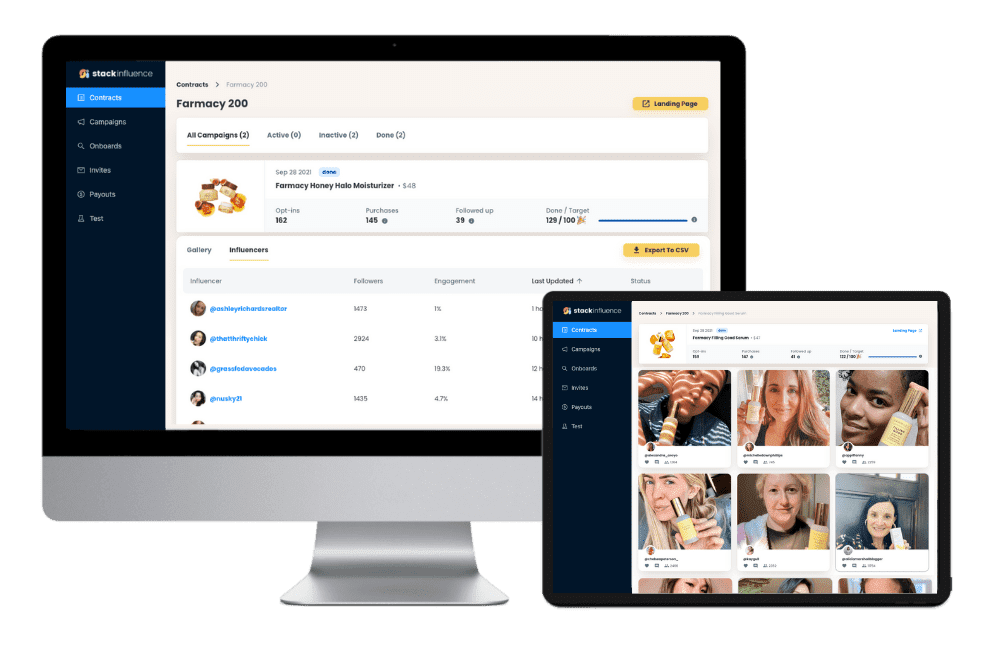
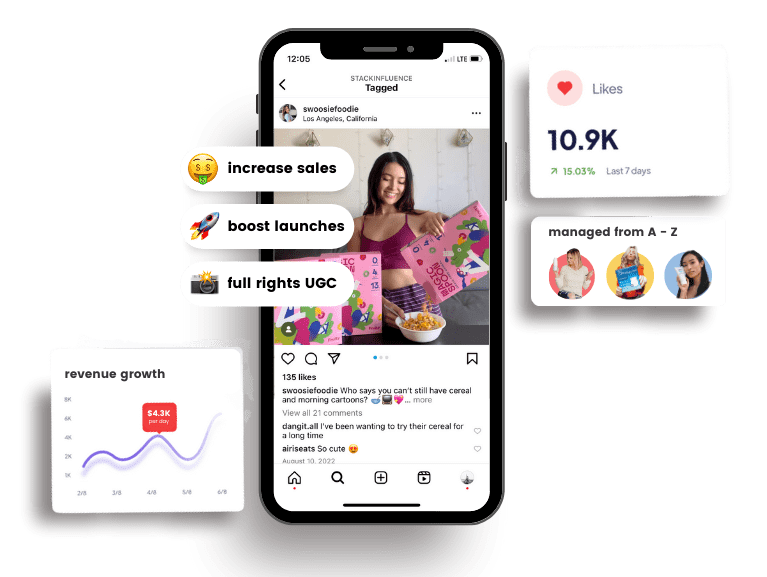
Stack Influence Example: Platforms like Stack Influence – which connects e-commerce brands with micro influencers – can be a powerful complement to brand tracking. Stack Influence helps brands generate authentic UGC at scale through micro-influencer campaigns. By integrating these campaigns with brand tracking software, a brand can not only launch dozens of influencer partnerships efficiently, but also track the resulting boost in brand mentions, engagement, and sales. The combined approach of active influencer marketing plus vigilant brand tracking means you’re both creating positive brand conversations and immediately measuring their impact.
Choosing the Right Brand Tracking Software
With many solutions on the market, how do you pick the right brand tracking software for your needs? Here are some considerations for e-commerce and Amazon-focused brands:
-
- Decide on survey vs. monitoring (or both): As mentioned, brand tracking tools generally fall into two categories – survey-based platforms (for structured feedback on brand metrics) and brand monitoring platforms (for tracking online mentions and sentiment). Some all-in-one solutions do both. If you’re a smaller brand primarily wanting to keep an ear on social media and reviews, a monitoring-focused tool might suffice. If you need robust brand health surveys (often larger brands do this quarterly), consider a survey-centric tool or a full-suite that offers it.
- Consider your channels: Ensure the software covers the channels where your audience is active. If you sell on Amazon, for instance, you’ll want a tool that can track Amazon reviews or discussions on sites like Reddit about Amazon products. For DTC brands heavy on Instagram and TikTok, a social listening specialty is a must. Check that the tool can monitor not just mainstream social networks but also niche communities relevant to your product (beauty brands may want Reddit and beauty forums covered, for example).
- Ease of use and reporting: Look for an interface that you (and your team) can easily navigate. The value of brand tracking comes from actually using the insights. A complicated tool that no one checks is a wasted investment. Many providers offer demos – take advantage to see the dashboard in action. Also, consider reporting features: Can it send you automated weekly summaries? Can you easily export charts to include in your internal reports or investor updates? Time-saving features like AI-generated insight summaries are a plus, as they can highlight key trends without manual analysis.
- Budget and scalability: Prices range widely. Enterprise-grade platforms (like some well-known media intelligence suites) can be pricey but offer deep analytics and support. There are also affordable options for smaller businesses, including DIY survey tools or basic mention trackers. Be realistic about your budget and note that some high-end survey platforms might be overkill (and overpriced) if you’re a small Amazon seller. Many tools charge based on mention volume or number of users – factor in how your needs might grow if your brand suddenly blows up (a good problem to have!). It might be wise to start with a tool that can scale with you.
- Integration with your workflow: Check if the brand tracking software plays nicely with your existing systems. For example, can it integrate with Slack or email for real-time alerts (useful to instantly notify your team of critical mentions)? Does it connect with Google Analytics or your CRM, so you can correlate brand metrics with web traffic or sales data? Integration capabilities can significantly enhance the value you get, by connecting brand perception data to business outcomes.
- Decide on survey vs. monitoring (or both): As mentioned, brand tracking tools generally fall into two categories – survey-based platforms (for structured feedback on brand metrics) and brand monitoring platforms (for tracking online mentions and sentiment). Some all-in-one solutions do both. If you’re a smaller brand primarily wanting to keep an ear on social media and reviews, a monitoring-focused tool might suffice. If you need robust brand health surveys (often larger brands do this quarterly), consider a survey-centric tool or a full-suite that offers it.
Finally, remember that the best tool is the one you will actually use. Sometimes it’s better to choose a slightly more streamlined tool that fits your team’s capacity, rather than an ultra-sophisticated platform that overwhelms you. Consistency is key – tracking brand health is an ongoing effort, and the insights compound over time.
Unlock the Power of Micro Influencers and Elevate your Brand Today!
Conclusion to What Is Brand Tracking Software
In 2026 and beyond, successful e-commerce brands and Amazon sellers will be those who actively monitor and nurture their brand’s reputation. Brand tracking software is like a listening post and a compass: it keeps you alert to what customers and creators are saying, and it guides your marketing decisions with data. Whether it’s catching a brewing PR issue early, proving the ROI of an influencer campaign, or spotting a new trend in customer sentiment, these tools ensure your brand stays on the right track.
In a world where trust and authenticity drive buying decisions, you can’t afford to leave your brand perception to chance. It’s time to move from reactive to proactive. By understanding what brand tracking software is and leveraging it in your strategy, you equip your business to build a stronger brand year after year.
Ready to elevate your brand tracking efforts? Embrace a data-driven approach. For instance, consider partnering with micro influencers through Stack Influence to generate buzz, and use brand tracking tools to measure every bit of that impact. The combination will help your brand not only gain attention but also sustain a positive reputation that drives sales. Don’t just build a brand – build a brand that you can track, learn from, and continually improve.

By William Gasner
CMO at Stack Influence
William Gasner is the CMO of Stack Influence, he’s a 6X founder, a 7-Figure eCommerce seller, and has been featured in leading publications like Forbes, Business Insider, and Wired for his thoughts on the influencer marketing and eCommerce industries.
Want new articles before they get published? Subscribe to our Awesome Newsletter.
stack up your influence
turning creativity into currency
our headquarters
111 NE 1st St, Miami, FL 33132
our contact info
[email protected]
stack up your influence
turning creativity into currency
our headquarters
111 NE 1st St, 8th Floor
Miami, FL 33132
our contact info


© 2025 Stack Influence Inc
© 2025 Stack Influence Inc
The post What Is Brand Tracking Software? 2026 Guide for E-Commerce appeared first on Stack Influence.
