





Key Takeaways
- Choose delivery partners that offer voluntary dispatch to ensure higher quality service and better customer reviews than your competitors.
- Document all communications and keep screenshots of shipment details to protect yourself against unfair penalties or legal issues.
- Prioritize driver health and safety to reduce damaged packages and lower the hidden costs of high staff turnover.
- Recognize that your low shipping rates might actually be funded by pressuring drivers to work past their limits.
A truck driver must balance good earnings with road safety.
Of course, professional truck dispatchers strive to find routes acceptable to both parties, but this is not always the case. Some companies use pressure tactics, forcing carriers to take orders that are inconvenient, unprofitable, or dangerous.
Next, we will tell you what forced dispatch in trucking is and how to stay safe if you encounter it.
What is Forced Dispatch?

The forced dispatch meaning becomes clear after the first serious conflict with the office. In general, it means a situation where the dispatcher confronts the carrier with the fact: you have to take this cargo, otherwise you will be sanctioned.
There is no option to cancel the trip. The driver is effectively deprived of the right to vote and does not feel like a partner, but rather an executor without the right to influence decisions.
Signs You May Be Experiencing Forced Dispatch
It’s not hard to recognize forced dispatch trucking if you know what to look for. Pressure starts with gentle, cautious requests that eventually escalate into demands.
What is forced dispatch in practice? Among the common signs:
- Direct threats of dismissal or reduction of future miles for refusal.
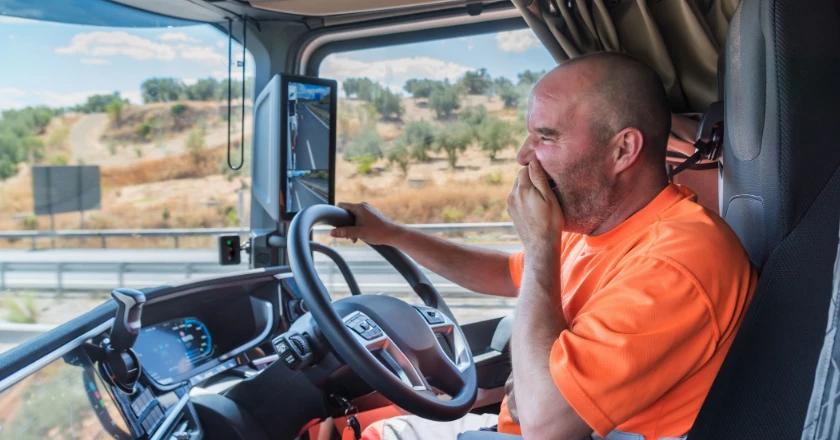
- Ignoring fatigue or time-out messages on the ELD.
- You are forced to transport cargo that is not suitable for your equipment.
- Penalties are deducted from your salary.
All these methods aim to break the driver’s will and force them to work at the limit of their capabilities. Professional relationships should be built exclusively on respect for the law and personal time.
Why do Companies Do Forced Dispatch?
The main reason is money and obligations to brokers. Companies fear losing profitable contracts or incurring fines for cargo delays. This often happens in local transportation or express delivery. Management seeks to maximize profits, even if it harms driver safety.
Forced Dispatch vs. No-Forced Dispatch: Key Differences for Truck Drivers
The difference lies in the freedom of choice. The “no forced dispatch” model provides that the carrier has the right to reject any order without explanation or negative consequences. Dispatchers are motivated to look for truly profitable loads, the kind that the driver wants to take.
In companies with a forced system, carriers become hostages to situations where they are sent to so-called dead zones with low rates.
How Drivers Can Protect Themselves?
You can avoid becoming a victim of circumstances if you have a defense strategy. The first thing is to document all negotiations:
- correspond with the dispatcher only through work messengers or using the system in the cabin;
- indicate the real reason for the refusal;
- Keep screenshots of messages with threats or demands to break the rules;
- When studying the contract before signing, look for clauses stating that all flights must be completed.
These actions are simple to perform, but in the event of a legal dispute or an unexpected audit, they will serve as a useful evidence base.
When Your Brand’s Promise Meets Driver Reality
For e-commerce operators, especially those shipping 500+ orders daily, understanding forced dispatch practices isn’t just a logistics curiosity—it’s a brand protection issue. When your 3PL or last-mile delivery partner uses forced dispatch tactics, you’re unknowingly building your customer experience on a foundation of exhausted, pressured drivers racing against impossible timelines. That two-day delivery promise you’re advertising? It might be fulfilled by a driver who’s been threatened with reduced routes if they don’t accept back-to-back deliveries through rush hour traffic. The result shows up in your metrics: damaged packages from rushed handling, missed delivery windows that trigger support tickets, and negative reviews mentioning “careless delivery.” If you’re scaling past $100K monthly and starting to negotiate directly with regional carriers or considering your own delivery fleet, ask potential partners directly about their dispatch policies. Companies proudly advertising “no forced dispatch” aren’t just being nice to drivers—they’re signaling they’ve built sustainable operations that won’t compromise your brand reputation when demand spikes.
Where Forced Dispatch Hits Your Bottom Line
The last-mile delivery sector feels forced dispatch pressure most acutely because of the Amazon effect—customers now expect same-day or next-day delivery at prices that barely cover actual costs. If you’re a growing DTC brand competing with marketplace giants, you might be unknowingly funding forced dispatch through the rates you’re willing to pay. When you negotiate that $4.50 per package rate with a regional carrier (versus the $7.20 your fulfillment partner quoted), someone’s absorbing that difference—and it’s usually the driver being pressured to complete 180 stops instead of a sustainable 120. This creates a vicious cycle: burned-out drivers leave the industry, forcing companies to hire less experienced replacements who miss more deliveries and damage more packages, which drives up your customer service costs and return rates. Smart e-commerce operators at the $500K+ annual revenue stage are starting to factor true delivery costs into their unit economics, recognizing that a slightly higher per-package rate with a no-forced-dispatch carrier often delivers better net margins through reduced damage claims, fewer redelivery costs, and higher customer satisfaction scores that drive repeat purchases.
FMCSA and Legal Perspective on Forced Dispatch
Is forced dispatch illegal? Under FMCSA regulations, there is a concept of “coercion.” The law prohibits carriers, brokers, or shippers from threatening drivers with the intent to force them to violate federal safety regulations (such as exceeding the hours-of-service limit).
If this happens, the driver has the right to file an official complaint with the NCCDB system. Don’t risk your life for someone else’s profit. Work with those who value safety!
The Hidden Impact of Forced Dispatch
Forced dispatch is more than just a scheduling conflict between a driver and a dispatcher. It is a systemic pressure that forces drivers to choose between their safety and their paycheck. For e-commerce brands, this often results in a “race to the bottom” where lower shipping costs lead to exhausted drivers and damaged goods. When a driver is forced to take a load despite fatigue or equipment issues, your product is the one at risk. By understanding these logistics practices, you can make better choices that protect your reputation and your bottom line.
How to Take Action
If you are scaling your business, you need a logistics strategy that lasts. Start by auditing your current shipping partners. Ask your 3PL or regional carriers about their dispatch policies directly. If they cannot guarantee a “no-forced dispatch” environment, you are likely looking at a high-risk relationship.
On a practical level, factor the true cost of delivery into your product pricing. Paying a slightly higher rate for a carrier that respects driver limits will save you money on customer support tickets and returns. You should also keep a close eye on your “damaged in transit” metrics. If certain routes or carriers show a spike in issues, it may be a sign of burned-out drivers rushing to meet impossible deadlines.
Summary
Forced dispatch is a high-stakes practice that puts drivers in danger and puts your brand reputation on the line. While it might seem like a way to save money, the hidden costs of accidents, package damage, and poor service far outweigh the savings. True growth comes from building a sustainable supply chain where every person involved is treated with respect and works under safe conditions. Choosing “no-forced dispatch” partners is a simple but powerful way to ensure your customers receive their orders safely and your brand stays strong.
Frequently Asked Questions
Is forced dispatch legal in trucking?
Yes, if your contract states so. But forcing a safety or HOS infraction is a violation of federal law.
Can I be fired for refusing a load?
If forced dispatch is mentioned in the contract, theoretically, the company could fire you for refusing. However, it is not possible if the refusal is justified by law (e.g., illness or lack of available hours under ELD).
What should I document if I feel forced?
Keep threatening messages, conversation records, cargo details, and copies of logbooks.
“Source: avnlogisticstm.com”
