





Design custom products with Printify
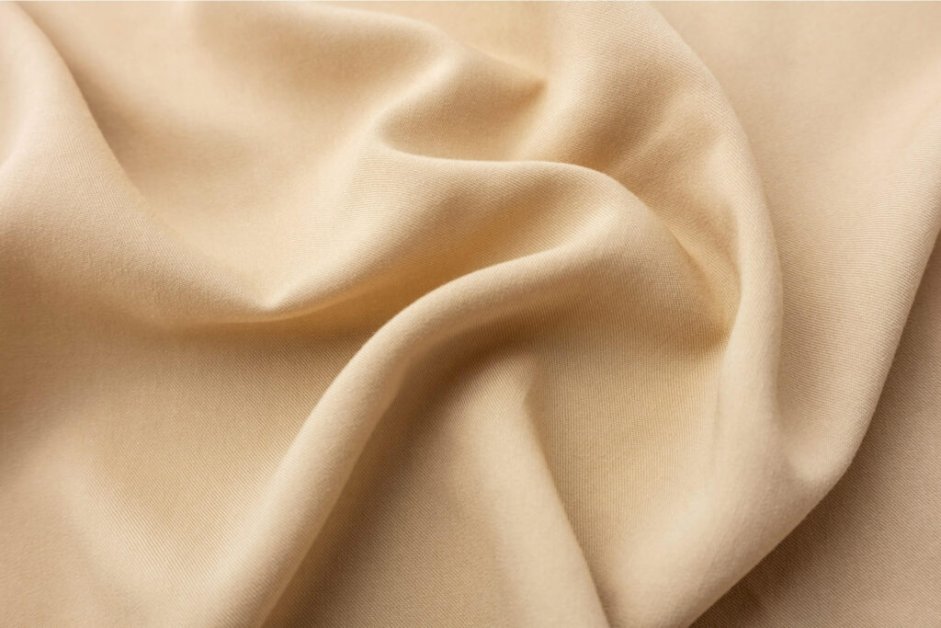
Viscose fabric is a semi-synthetic fiber made from regenerated cellulose, typically sourced from wood pulp, bamboo, or other plant fibers. It has a silky texture, smooth drape, and lightweight feel, often used as a more affordable alternative to silk. Known as a type of rayon, viscose combines the comfort of natural fibers with the versatility of synthetic fibers. This combination makes it a popular fabric for print-on-demand apparel, especially for lightweight shirts, flowy dresses, and soft loungewear.
In this comprehensive guide, you’ll learn what viscose fabric is, how the viscose process works, the different types of rayon fabrics, and how to create and sell viscose products through Printify.
Key takeaways
- Viscose fabric is a semi-synthetic material made from regenerated cellulose.
- The viscose process involves dissolving cellulose from wood pulp or bamboo to create rayon fibers.
- Viscose offers softness, breathability, and excellent print quality for apparel.
- Conventional viscose can have environmental challenges, but sustainable viscose and lyocell processes provide eco-friendly alternatives.
- Printify enables sellers to design and sell custom viscose products without upfront costs.
What is viscose fabric

Viscose is a type of rayon fabric made from regenerated cellulose fibers derived from natural sources such as eucalyptus, pine, and bamboo. The process begins with raw material extracted from plant cell walls and transformed into a smooth textile through chemical treatment. Although the origin is natural, the viscose process involves chemical modification, making it a semi-synthetic fiber.
The first commercial viscose rayon appeared in the early 1900s as a cheaper alternative to silk, offering similar softness and sheen at a fraction of the cost. It quickly became known as artificial silk due to its elegant texture and ability to mimic luxury fabrics. The term “viscose” comes from the viscous organic liquid formed during production, which is later regenerated into rayon fibers.
Viscose fabric has remained one of the most popular fabrics for fashion brands. It combines breathability, softness, and versatility, making it ideal for everyday wear, summer outfits, and print-on-demand products. You can find viscose in everything from bamboo fabric blends to 100% viscose shirts and accessories.
The viscose process: How viscose is made
The viscose production process transforms natural cellulose into fiber form through a series of chemical reactions. Although viscose is derived from renewable raw materials, such as wood pulp or bamboo viscose, the manufacturing process relies on controlled chemical treatments.
Here is how viscose fabric is made, step by step:
1. Preparing the raw material
The process begins by extracting cellulose fibers from plants like eucalyptus, pine, or bamboo. The pulp is washed and purified to remove lignin and other impurities found in plant cell walls.
2. Dissolving cellulose
The cleaned pulp is soaked in caustic soda, which converts it into alkali cellulose. This creates a thick, viscous organic liquid, essential for turning solid cellulose into a usable base for spinning.
3. Creating the viscous solution
Carbon disulfide is added to the mixture, reacting with the alkali cellulose to form cellulose xanthate. This produces a golden viscous solution that gives viscose its name.
4. Regeneration and spinning
The viscous liquid is pushed through fine spinnerets into a bath of sulphuric acid. The acid neutralizes the chemicals and regenerates the cellulose, turning it back into solid rayon fibers.
5. Washing and finishing
The newly formed fibers are washed to remove residual chemicals and then bleached to achieve the desired color. They are dried, stretched, and wound into yarn, ready to be woven into fabric.
6. Weaving into fabric
The regenerated cellulose fibers are spun into threads and woven into soft viscose textiles. Depending on finishing methods, they may appear matte or glossy.
While the manufacturing process allows for a smooth, luxurious texture, it can also release toxic chemicals such as carbon disulfide and caustic soda. These can impact workers and the environment if not properly recovered. To minimize environmental impact, many manufacturers now use closed-loop systems that recycle water and recover harmful compounds, creating more sustainable viscose fabrics.
Modern innovations in the viscose process also include new materials such as recycled cellulose fibers and organic bamboo viscose, which help reduce waste. These improvements make viscose production safer and more environmentally friendly than earlier methods.
Make it happen today!
Types of rayon and related materials
Viscose belongs to the rayon family of fabrics, which are made from regenerated cellulose. Over the years, several versions of rayon have emerged, each with unique strengths and applications.
Viscose rayon
This is the most common form of rayon fabrics used in the apparel industry. It’s lightweight, breathable, and drapes beautifully. Conventional viscose remains popular due to its cost-effectiveness and excellent dye absorption properties.
Modal rayon
Modal is a high wet modulus rayon (HWM rayon) produced from beech tree pulp. It’s stronger, smoother, and more durable than regular rayon fibers, maintaining its structure even when wet. It’s often blended with cotton or polyester for softness and flexibility.
Lyocell
Lyocell is a more sustainable viscose made through the lyocell process, which uses non-toxic organic solvents. Sold under the brand name Tencel or Tencel Lyocell, it’s considered one of the most environmentally friendly regenerated cellulose fibers.
Cuprammonium rayon
This less common type uses copper salts and ammonia to dissolve cellulose. It produces fine, silky fibers but is less common today because the copper compounds pose environmental risks.
High tenacity rayon
Designed for industrial applications, high tenacity rayon is stronger and more elastic than standard viscose. It’s often used in tire cords and reinforcement fabrics.
High wet modulus rayon (HWM rayon)
Sometimes called polynosic rayon, HWM rayon has improved wet strength and durability. It’s considered a more sustainable viscose alternative due to its extended lifespan and reduced waste.
Together, these variations show how viscose rayon continues to evolve, with each type balancing performance, sustainability, and cost for different uses.
Key characteristics and benefits of viscose fabric
Viscose fabric is valued for its softness, breathability, and elegant drape. It feels soft and smooth, making it perfect for warm-weather apparel and activewear. Below are its main characteristics:
Advantages of viscose:
- Soft and silky texture that feels luxurious on the skin
- Highly breathable and comfortable in hot climates
- Highly absorbent, keeping you cool and dry
- Holds dye well, resulting in vibrant prints
- Feels like cotton but drapes more fluidly
- Suitable for both casual and formal wear
- Affordable and available in various finishes
Drawbacks of viscose:
- Can shrink or wrinkle easily
- Weaker when wet, requiring gentle care
- May lose shape if tumble-dried
- Some viscose fabrics have a high environmental impact due to residual chemicals
Viscose offers a great balance between natural and synthetic fibers. It’s softer than polyester, smoother than cotton, and easier to print on than silk. These features make it a popular choice for fashion brands and print-on-demand sellers who want premium-quality products without premium costs.
For the best results, combine viscose with other fibers such as cotton or spandex to improve elasticity and durability.
Is viscose sustainable?
The environmental impact of viscose depends on how the raw material is sourced and processed. Conventional viscose production has faced criticism due to habitat destruction and the release of toxic waste from chemical processing. However, sustainable viscose and more sustainable viscose initiatives are improving the industry.
Producers such as Lenzing and Birla Cellulose use sustainable forestry practices, recycled materials, and closed-loop manufacturing to reduce waste and pollution. Their fibers are often OEKO-TEX and FSC certified, ensuring minimal environmental impact.
Eco-friendly viscose often relies on dissolving cellulose from bamboo and fast-growing trees, making bamboo viscose a renewable and low-impact option. These plants require fewer pesticides and less water compared to cotton.
Consumers and print-on-demand sellers can support sustainability by choosing viscose made from certified sources. Look for labels like EcoVero, Tencel Lyocell, or HWM rayon, which indicate adherence to eco-friendly production standards.
While viscose will likely never be fully environmentally neutral, modern improvements make it a viable and responsible choice for those seeking quality and sustainability in the same material.
Viscose vs other fabrics
Viscose is often compared to other fabrics such as cotton, polyester, and modal. Each has distinct qualities suited for different uses.
| Feature | Viscose | Cotton | Polyester | Modal |
|---|---|---|---|---|
| Origin | Semi-synthetic, made from regenerated cellulose | Natural plant fiber | Fully synthetic, made from petroleum | Regenerated cellulose with high wet modulus |
| Texture | Soft, smooth, and silky | Soft and breathable | Smooth, durable, wrinkle-resistant | Softer and stronger than viscose |
| Durability | Less durable when wet | Strong even when wet | Very durable and long-lasting | More durable than viscose |
| Breathability | Highly breathable | Excellent | Less breathable | Highly breathable |
| Moisture absorption | Highly absorbent | Excellent | Low | Excellent |
| Wrinkling | Wrinkles easily | Moderate | Resistant | Minimal |
| Eco-friendliness | Depends on the manufacturing process | Biodegradable | Not eco-friendly | More sustainable viscose alternative |
| Common uses | Dresses, blouses, activewear | Everyday apparel | Sportswear | Loungewear and luxury items |
Viscose and cotton are two fabrics that often complement each other. Cotton is easier to wash and more durable, while viscose provides a smoother surface for vivid prints.
Polyester resists wrinkles and retains shape but lacks the natural comfort of cellulose fibers.
Modal stands between them, offering softness and durability with improved environmental performance.
How to care for viscose fabric
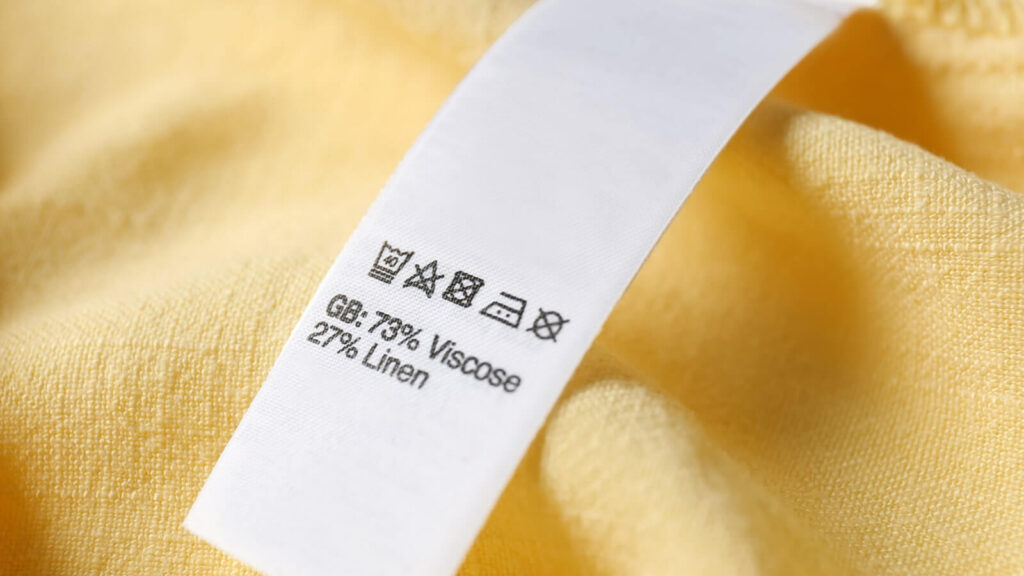
Because viscose fibers are delicate, proper care is essential to maintain fabric quality.
Washing tips:
- Always check care labels before washing.
- Hand wash or use a gentle cycle with cold water.
- Use mild detergent and avoid harsh chemicals.
- Turn garments inside out and use a mesh bag.
- Avoid vigorous spinning or high-speed drying.
Drying and ironing:
- Air dry flat or on a hanger away from sunlight.
- Do not use a tumble dryer, as viscose may shrink.
- Iron inside out on low heat while slightly damp.
Hand washing remains the safest cleaning option, particularly for pure viscose or delicate viscose rayon blends.
How can you sell viscose products with Printify
Viscose products are excellent for Print on Demand because they provide smooth surfaces, vibrant colors, and soft texture. With Printify, you can create and sell viscose apparel without holding inventory.
Here is how to get started:
- Sign up for a free Printify account.
- Browse the Catalog to find viscose or viscose-blend products, such as tank tops, shirts, or dresses.
- Upload your designs to the Product Creator and preview mockups.
- Connect your store to major eCommerce platforms.
- Publish and start selling.
Printify handles printing, fulfillment, and shipping while you focus on building your brand. With over 1,300 customizable products, you can easily find viscose options that fit your business style and audience.
Start your print-on-demand business today
FAQ
Viscose fabric has a few drawbacks to consider. It tends to shrink and wrinkle easily, especially if washed or dried at high temperatures. Because viscose is a semi-synthetic fiber, it can weaken when wet and may lose shape if stretched or twisted.
The viscose process also uses chemicals such as carbon disulfide and caustic soda, which can be harmful if not managed properly. Choosing sustainable viscose made from certified raw materials or produced in closed-loop systems helps reduce these issues and makes the fabric safer for both people and the environment.
Viscose is neither fully natural nor fully synthetic. It’s a semi-synthetic fiber made from regenerated cellulose, usually sourced from wood pulp or bamboo.
Although the raw material comes from plants, the viscose process uses chemical treatments to turn it into fabric. This combination gives viscose the softness of natural fibers like cotton and the versatility of synthetic fibers like polyester.
Viscose and cotton are both soft and breathable, but they have different strengths. Cotton is a fully natural fiber known for durability and easy care, while viscose feels smoother and has a silk-like drape.
Viscose is also highly absorbent, which helps keep you cool in warm weather, but it requires gentler washing. If you want a fabric that feels lighter and more fluid than cotton, viscose is an excellent choice, especially for custom apparel or flowy garments.
Viscose is soft, smooth, and lightweight. It feels pleasant against the skin and rarely causes irritation, even for sensitive users. The regenerated cellulose fibers create a silky texture similar to artificial silk, which is why many fashion brands use viscose for garments meant to feel luxurious and comfortable.
When blended with other fibers such as spandex or polyester, viscose retains its softness while gaining extra durability.
Yes. Pure viscose, also known as 100% viscose, can be of high quality when produced responsibly. The fabric’s quality depends on the raw material and how the viscose production process is managed.
Advanced types, such as high wet modulus rayon, are stronger and longer-lasting than conventional viscose. To ensure durability and sustainability, look for fabrics labeled as sustainable viscose or EcoVero, which are made using eco-friendly and certified manufacturing methods.
Yes, viscose can shrink in the dryer because heat and friction affect its cellulose fibers. Always air-dry viscose clothing to preserve the fabric’s texture, color, and fit. If you must use a dryer, choose the lowest possible heat setting and remove the garment while still slightly damp.
Proper care will help viscose maintain its shape and smooth appearance for longer.
Be your own boss with Printify
Start for free and design custom viscose products that your customers will love. Create, sell, and grow your business with Printify today.
The post What is viscose fabric? Your comprehensive Printify guide appeared first on Printify.
